



The answer is quite simple: Start functional fitness training!
Your functional fitness is what prepares your body to make real life movements an easy task. With functional training, your overall body strength gets better, you are protected from injuries, and your range of motion gets better.
The benefits of functional training are quite many so don’t miss to read this blog where we will tell you how you can integrate it to make your life healthier and easier.
Related Article: Forge Functional Strength Fast In This 3-Move Workout
What is Functional Fitness Training?
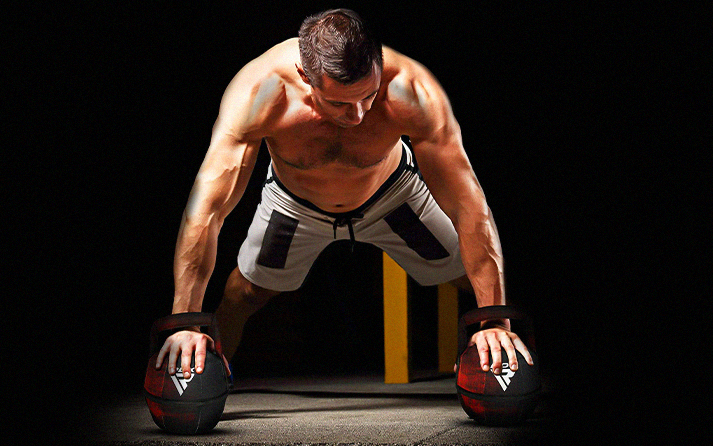
Functional fitness training includes exercises that are mainly performed to improve strength, mobility, flexibility and power to make daily life movements better and pain-free. The functional workout routines when performed repeatedly and with consistency can play an essential role in improving daily movement.
The key principles considered when designing a functional training plan is to improve human movement patterns such as pushing, pulling, rotation, locomotion and level changes. Keeping these principles in mind, the functional workout routines include exercises such as lateral lunges, squats, core stability exercises, etc.
The focus on these movements will eventually help you to move better with power, strength, and reduced injury risk. Research backs it up: the impact of functional training on health showed that it significantly impacts muscular strength, speed, power, and agility.
There is no age limit or any fitness level limitation to start functional training as again the primary goal is to make real-life movements better.
Benefits of Functional Training
Incorporating functional fitness training routines is the best thing one can do, as there are many benefits. Here’s what you gain:
Better Strength and Power
Functional training has a positive impact on full body strength and power. Research shows that functional training not only affects daily life movements positively but also plays a great role in improving body strength in athletes and the general fitness population as well.
Improves Balance and Flexibility
If improving your coordination, balance and flexibility is your ultimate goal, then start doing functional training. It includes core stability moves which directly works on coordination and balance.
Enhanced Performance In Everyday Tasks
Functional fitness for beginners can be extremely beneficial in improving performance in daily life activities. Whether you are an athlete looking to improve sports performance or a normal person trying to improve general fitness and movement, functional fitness training is what you need.
Reduces Injury Risk
Functional training includes multi-joint movements that do not put excessive strain on the joints, and hence it is considered a good option to reduce injury risk. Furthermore, it improves strength, power, and balance, all of which help in reducing injuries.
Functional Fitness vs Traditional Weightlifting
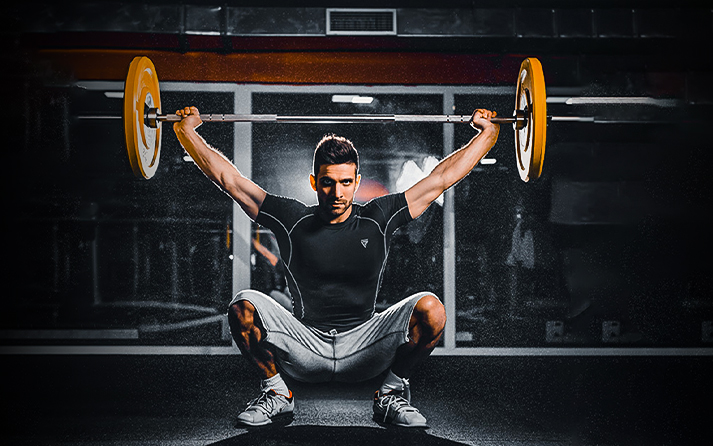
The debate of functional fitness vs. traditional weightlifting is often a topic of discussion. While the concept of both training styles is similar with somewhat similar outcomes as well, the principles are quite different.
Functional fitness is more focused on exercises that improve daily life movements and enhance strength. Traditional weightlifting emphasizes isolating the muscle, with the goal of building muscle or bulking up.
Improving your figure is also a goal of traditional weightlifting. People usually lift heavy weights to tone the muscle or increase the size. But in functional fitness the movements are included to improve performance and daily life functions.
The combination of both can make your training extremely effective and impactful. With progressive overload principles and techniques of functional training, your body will be more efficient in daily-life tasks, along with good muscle strength and lean muscle mass.
Related Article: How to Build Muscle Fast: A Beginner’s Guide to Rapid Strength Gains
Functional Fitness for Beginners
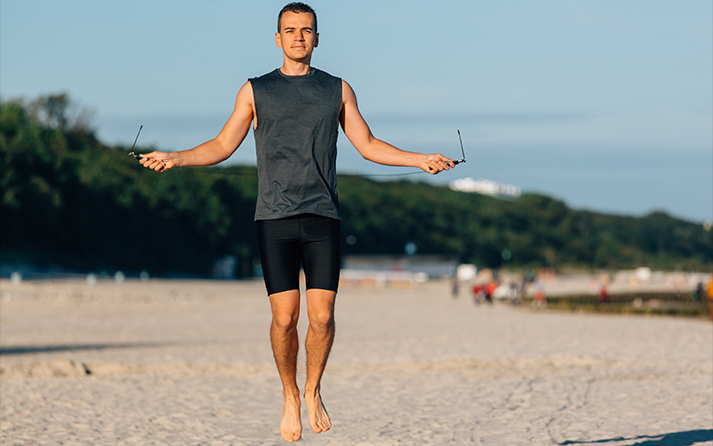
Beginners can also benefit from functional fitness, but the planning has to be done with extreme attention. Following are some of the tips for beginners to start functional training:
Start With Bodyweight Exercises
Beginners should focus on full-body functional workouts with no weight or very little weight. Bodyweight exercises can also be quite challenging for beginners, so you have to check what works for you.
Include Compound Movements
The compound movements work multiple muscle groups together and are safer to do for beginners. Including basic compound movements can help them to start workouts safely and with good muscle engagement.
Focus on Form
Beginners should prioritize their form during workouts. Strength and mobility training in functional fitness improves core stability and flexibility, so beginners should pay attention to it.
Progress Safely
Progressing safely is the key to earn maximum benefits from functional fitness training routine. Slowly add weights or increase the reps of your exercises to challenge your muscles.
Best Functional Exercises for Daily Strength
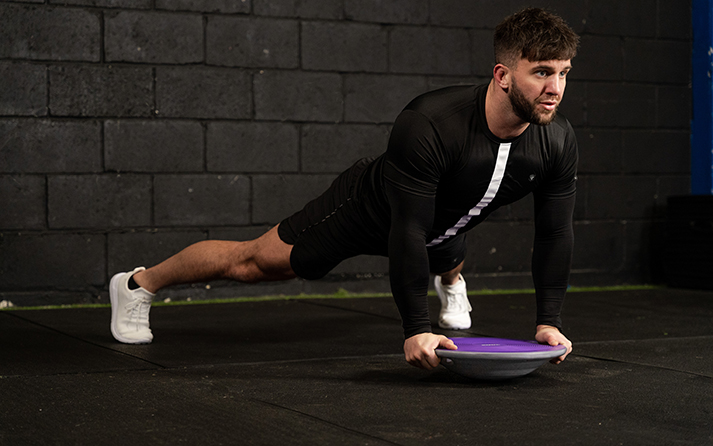
To build strength to perform daily life activities with ease, include exercises that mimic real-life movements. The goal of functional training should be to include compound and multi-planar moves to maximize the effects of exercises.
Following are some of the best functional exercises:
Squats
An effective functional training exercise, squatting mimics movements such as standing and sitting. The exercise helps in strengthening glutes, hamstrings, and the entire posterior chain, which can make daily movements easier.
Lunges
The different variations in lunges can target your legs from various angles, improving strength and muscle stability. It is also a compound move, targeting multiple muscle groups together.
Deadlifts
Deadlifts are an essential move which is always included in functional strength training for athletes. The different variations in deadlifts mimic a common movement, bending to pick things from ground, and hence doing it can be beneficial for health.
Planks
Planks are one of the most effective core stability exercises to improve functional strength. This move can strengthen the core, improve stability and overall body strength.
Kettlebell Swings
An important exercise in full-body functional workouts, kettlebell swings target multiple muscle groups at the same time. Use durable kettlebells with good stability to do the exercise.
Farmer’s Carry & Suitcase Carry
Farmer’s carry and suitcase carry can be done with a fitness sandbag to improve grip strength, posture, and overall body strength.
Related Article: The Ultimate Guide to Fitness Sandbags: Functional Training for Strength, Core, and Power
Sample Functional Workout Routines
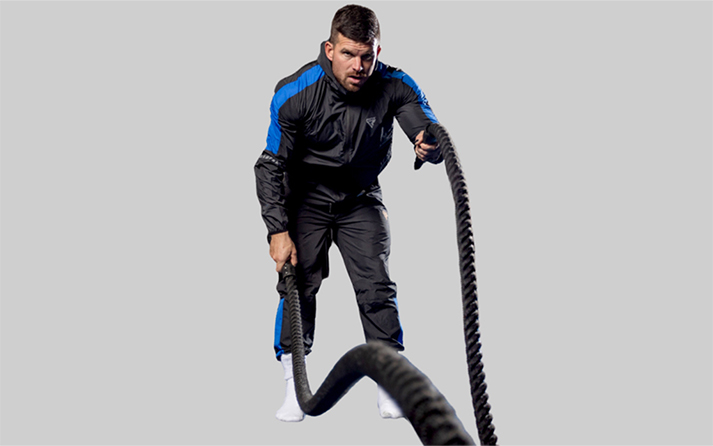
The functional workout routines should focus on strength and mobility training, core-stability exercises, and movements that mimic real-life movements. Following is a sample routine that you can follow:
Functional Training Circuit
Aim to complete at least 3-4 rounds of these circuits with a maximum 60 seconds rest in between the rounds:
Circuit 1:
- Conventional Deadlifts – 10 reps
- Kettlebell Swings – 10 reps
- Goblet Squats – 8 reps
- Alternating lunges – 10 reps on each side
- Jump rope – one minute
- Plank hold – one minute
- Farmer’s Carries – one minute
Circuit 2:
- Medicine Ball Slams – 10 reps
- Stiff Leg Deadlifts – 10 reps
- Narrow Squats – 10 reps
- Lunges With Twist – 10 reps on each side
- Jump Squats – 45 seconds
- Planks with side twist – one minute
- Burpees – one minute
Make sure to use good quality jumping rope, medicine ball, kettlebells and other equipment to maximize training’s effect.
Always include dynamic warm-up and cool down before and after the exercise. You can do these exercises easily at home or even at the gym with minimal equipment.
Related Article: Why Kettlebells Are Essential for Functional Fitness Training
Functional Strength Training for Athletes
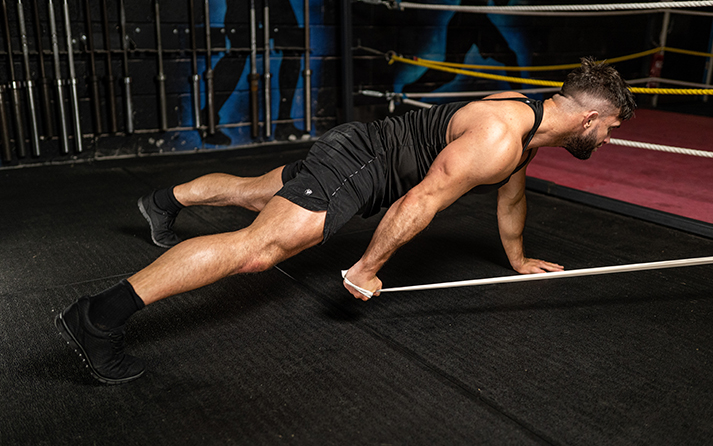
Functional strength training for athletes usually includes sports-specific movements. The primary purpose of integrating this into their training routine is to prepare them for their relevant sports, improve their agility and reaction times, and strengthen their muscles to prevent injury.
This type of training for athletes can also be extremely beneficial for managing existing injuries. The gradual integration of core stability, flexibility, and mobility moves in their training can strengthen their joints and muscles.
For athletes, functional fitness training usually focuses on power development moves such as kettlebells, cleans and presses, or burpees. The training also includes unilateral moves with balance moves to strengthen the muscles.
Functional fitness can be included in an athlete’s training routine during the off-season. This prepares them to train for their sport with intention and better strength.
How Functional Training Improves Everyday Movement?
If you want to know how to improve daily movement with functional training, then focus on exercises that mimic real-life activities and enhance flexibility.
This is how functional training improves everyday movement:
Helps in Lifting Groceries
This can be a big milestone for people struggling to lift light-weight bags. Functional training will help you to lift your grocery bags with ease and better strength.
Better Stamina While Climbing Stairs
Functional training can improve your stamina, which means you can climb stairs with ease and without losing your breath.
Quality Time With Kids
Functional fitness allows you to lift your kids with ease and spend quality time with them. You feel energized to play with them.
Improved Posture and Body Awareness
Functional training impacts your posture and gives you more control over your body by improving body awareness.
Prevents Falls and Injuries
Preventing falls and injuries is the biggest benefit of functional training. Now you know how to improve daily movement with functional training and what benefits it brings.
Functional fitness training is suitable for every fitness level, and any age. The entire principle of functional training is to move with intention and train smarter to improve range of motion, strength, and reduce the risk of injury.
Regularly doing functional training can be extremely helpful to perform real-life movements such as bending, or climbing stairs with ease and without any pain.
Incorporate well-planned functional fitness sessions at least 2-3 times at home or in a gym a week with a special focus on strength-building and mobility-focused exercises to improve your daily movements.