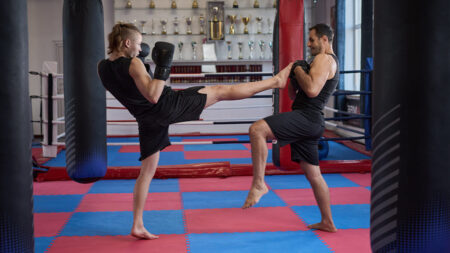





You can’t just wing it and hope your combos land. Most first-timers train like beasts but skip the real prep that actually wins fights. What happens? They gas out, freeze up, or get caught slippin’ by round two.
If you’re serious about showing up like a warrior and not just another walkover, this guide is your fight camp playbook. From mental prep to fight-night rituals, we’re covering what truly matters. Follow each move in this plan and you’ll walk into that ring confident, sharp, and dangerous. This ain’t just about surviving rather it’s about making a statement.
The 8-Week Fight Camp Calendar (What to Do & When)
A strong kickboxing match preparation plan can make the difference between panic and poise on fight night. Most beginners overtrain or peak too early. You need timing. You need structure. This schedule breaks it all down so you train smart and come in razor sharp. Stick to this weekly plan and you will not just show up. You will show up dangerous.
Week 1 to 3: Conditioning Base
Build that gas tank early. This is where you lay the foundation. Focus on sprints, long rounds on the heavy bag, and non-stop movement. Cardio is king. At the same time, sharpen your basics. This is the time to fix sloppy footwork or hand drops before they get you cracked in the face.
Week 4 to 6: Sparring Ramp-Up
Now we turn up the heat. This phase is about learning how to prepare for a kickboxing fight by bringing that gym work into live action. Add more live rounds. Simulate full fight pace. Train like it’s already fight night. Your combos should flow. Your timing should be cleaner. This is when it all starts to click.
Week 7: Peak Intensity
This is your hardest week. Push your body but keep it focused. Hard sparring, fight-specific pad rounds, and mental drills take over. You are building grit and rhythm at the same time. Treat every round like it is real. Picture your opponent and go.
Week 8: Taper and Recover
Time to sharpen the blade. Cut your training volume and let the body rest. Drills stay snappy but short. Focus on kickboxing training that primes your reflexes. Visualize the fight. Shadowbox with intent. Walk into the ring, rested and wired in.
Pro Tip: Film your sparring. Watch it back. Most fighters never notice their own habits until they see it on screen. What you fix here will keep you from getting caught in the real thing.
Related Article: Kickboxing vs Boxing: Key Differences, Pros & Cons, and Which is Better?
The Essential Gear Checklist (Don’t Show Up Unprepared)
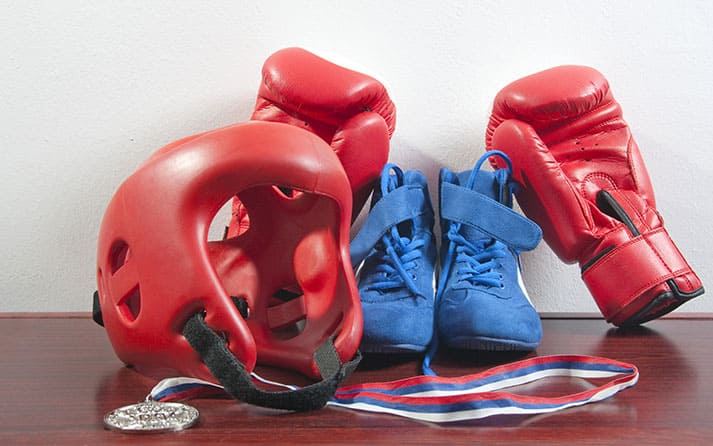
Your walk to the ring should feel focused, not frantic. Showing up under-equipped for your first kickboxing match is one of the worst rookie mistakes. Gear is not just about looking the part. It is about staying safe, staying legal, and staying ready.
This is your no-BS checklist. No fluff. Just the real kickboxing gear essentials every first-timer needs.
Gloves (14–16oz for sparring, 10–12oz for fights)
Make sure your Fight gloves match your gym’s training rules and your promotion’s fight regulations. Some promotions disqualify gear that does not meet size or brand specs. Do not guess, double-check.


Mouthguard
Protect your jaw with the best mouthguards. The cheap ones seem fine until you eat a clean hook. A good custom mouthguard fits snug and lets you breathe. That fifty bucks could save you thousands in dental repairs.
Shin Guards (with instep protection)
Do not go for the cheap strap-on ones that slide around. You will spend more time fixing them than fighting. Get ones that stay locked in during pressure. Proper shin guards let you throw confidently.
Pro Tip: Most beginners throw brand-new gloves and shin guards into their gym bag the week of the fight. Bad idea. New gear is stiff. It rubs. It slips. It can cause blisters or hot spots in the middle of your match.
That little discomfort becomes a big distraction once adrenaline drops. Break everything in during your last few weeks of kickboxing training. Make it feel like a second skin before fight night.
How to Cut Weight Safely? (Without Gassing Out on Fight Night)
Weight cutting is part of the game, but doing it wrong can wreck your gas tank. Too many first-timers drop weight fast, then show up flat. If your body is dehydrated or starving, you are not fighting at your best. You are just surviving. These kickboxing weight cut tips keep your engine full while trimming down the right way.
The Mistake: Last-Minute Panic Cut
Waiting until fight week to start cutting water is a recipe for disaster. You will look shredded but feel weak. Your timing will be off. Your shots will have no pop. Smart weight cuts are planned weeks out. No crash diets. No sauna sweats the night before. Just clean steps that keep your power.
8 to 4 Weeks Out
Start cleaning up your diet. Drop fat slowly. Aim for one to two pounds per week. No extreme calorie cuts. Just consistent, clean eating.
3 to 7 Days Out
Lower your sodium and dial back the carbs. Bump up water intake to flush out excess bloat. You should feel light but still energized. No starving. Just lean and tight.
24 to 36 Hours Out
If you are slightly over, now is when you cut water. Only do this if necessary. Keep it short and controlled. Once you make weight, rehydrate smart and eat real food to restore energy.
Pro Tip: Most fighters eyeball their meals and think they are eating clean. But if you are not weighing your food, you are guessing. And guessing gets you in trouble. Too many beginners miss weight by half a pound because of hidden calories. Use a food scale during your pre-fight routine kickboxing prep. It is not obsessive. It is smart.
Sparring Secrets (How to Train Like You Fight)

Most kickboxing for beginners articles skip over sparring. But sparring is where everything comes together. Problem is, most beginners either go way too hard or barely touch each other. Neither builds real fight skills. Real sparring teaches rhythm, pressure, and poise under fire. You need to train like you are fighting, not like you are point scoring.
The Problem: Wrong Sparring Intensity
Swinging wild like it is a street brawl? You learn nothing. Tapping around like it’s tag? Also pointless. True growth comes when you push just hard enough to test your skills but stay sharp. That is where real fight readiness starts.
Technical Sparring (70 percent power)
This is your foundation. Keep the pace realistic but controlled. Work on combos, counters, and clean defense. Move your feet. Control distance. This is where fight IQ gets built.
Pressure Rounds
Time to simulate the storm. Do full 3-minute rounds with only ten seconds of rest. You will feel the fatigue. That is the point. Your brain has to work while your body is tired. This is how you learn to keep sharp even under pressure.
Pro Tip: Do not just spar the same size or same style every week. Make sure you spar both taller and shorter opponents. On fight night, you do not get to choose who is across from you. Sparring a variety of body types and styles keeps you adaptable. That is one of the most overlooked kickboxing sparring tips out there.
Related Article: Advanced Kickboxing Techniques to Improve Your Strikes
The 48-Hour Pre-Fight Protocol (What to Eat, Drink & Do)
You trained for weeks, cut weight smart, and now it is fight weekend. These final 48 hours can either lock in your performance or wreck your whole prep. The right pre-fight routine kickboxing habits give your body what it needs to fire on all cylinders. The wrong ones leave you slow, foggy, and gassed. Keep it clean. Keep it simple. Trust the process.
1. Twenty-Four Hours Before
Carbs
Now is the time to refuel. Load up on clean carbs like rice, oats, and sweet potatoes. These refill your glycogen stores without causing bloat. Keep your portions steady across meals.
Hydration
Sip water with electrolytes throughout the day. Avoid sugary sports drinks. Those spike and crash your energy. Stay balanced. Clear pee, light sweat, steady heart rate. That is your hydration goal.
2. Fight Day
Three to Four Hours Before
Eat a small but solid meal. Chicken with rice or fish with potatoes works great. Nothing fried. Nothing greasy. Keep it light but satisfying.
One Hour Before
Snack smart. A banana gives quick energy. A small cup of black coffee can dial you in, but only if your body is used to it. Do not experiment now.
Pro Tip: Fight day is not the time to try a new energy bar or a trendy drink you saw online. One wrong bite can flip your stomach. Digestive issues mid-fight will crush your focus. Stick to familiar foods your body handles well. Smart fighters know consistency beats curiosity. That is one of the most underrated kickboxing tips you will ever hear.
Fight Night Mindset (How to Control Nerves & Perform)
You trained hard, cut weight and made it to fight night. But here is the truth. Your brain is now your biggest opponent. Every fighter, no matter how tough, feels it. Fear. Doubt. Butterflies. Especially during their first kickboxing match. But fear does not have to be your enemy. Used right, it becomes fuel. Control it and you perform. Let it run wild and it controls you.
1. The Reality: You Will Feel It
Your heart will race, mouth will dry up and hands might even shake. That is normal. What separates winners is how they handle it. You cannot fake calm. But you can train your mind just like you train your combos.
2. Mental Tricks
Visualization
Close your eyes and see it. Picture your combos landing clean. Imagine your hand getting raised. Replay it until your brain believes it is already done. That mental rep gives your body confidence when it counts.
Breathing Drills
Use the 4-7-8 method. Inhale for four seconds. Hold it for seven. Exhale slow for eight. Do it three times. This resets your system. Keeps your brain calm while your heart races. It is like corner advice for your nervous system.
Pro Tip: The crowd noise can mess with your head if you let it. Here is what pros do. Look down at the canvas as you walk to the ring. Keep your eyes low. Focus on your breath and your steps. Let the crowd fade. You are not walking out for them. You are walking in for war. This is solid beginner kickboxing advice that keeps your mind dialed in when it matters most.
Conclusion
Getting ready for your first kickboxing match is not about being the toughest guy in the gym. It is about being smart, consistent, and focused. You can hit hard and still lose if your cardio is weak or your nerves take over. That is why having a real plan makes the difference. This isn’t just training. It is fight prep. And that means knowing what to do, when to do it, and how to stay sharp under pressure.
From your eight-week countdown to your pre-fight routine kickboxing checklist, every part of this guide was built to keep you on track. The right sparring, the right fuel, the right mindset—it all stacks up. And on fight night, you will feel it. You will feel ready.
So do not just train hard. Train smart. Follow the system, stay locked in, and trust the work you put in. Whether you win, lose, or go to war in three rounds, your goal is to walk out proud knowing you gave it everything.
That first fight? It changes you. After that, you are not just someone who trains to fight. You are a fighter. And that’s something nobody can take away from you.