



Headgear is a common sight in boxing gyms. But how is that really helping fighters? Many wonder if boxing headgear actually stops serious injuries or just cushions the face. It is seen on beginners and seasoned pros alike.
The big question is obvious: does boxing headgear prevent concussions? Headgear cushions impacts but cannot stop the brain from moving inside the skull. It protects cuts, bruises, and superficial injuries. That misunderstanding can lead to overconfidence during sparring.
Understanding boxing safety goes beyond padding. From amateur gyms to Olympic bouts, knowing what headgear can and cannot do is critical. It keeps training smart and injuries minimal. Confidence, skill, and proper technique combined with gear are the real keys.
What Is Boxing Headgear?
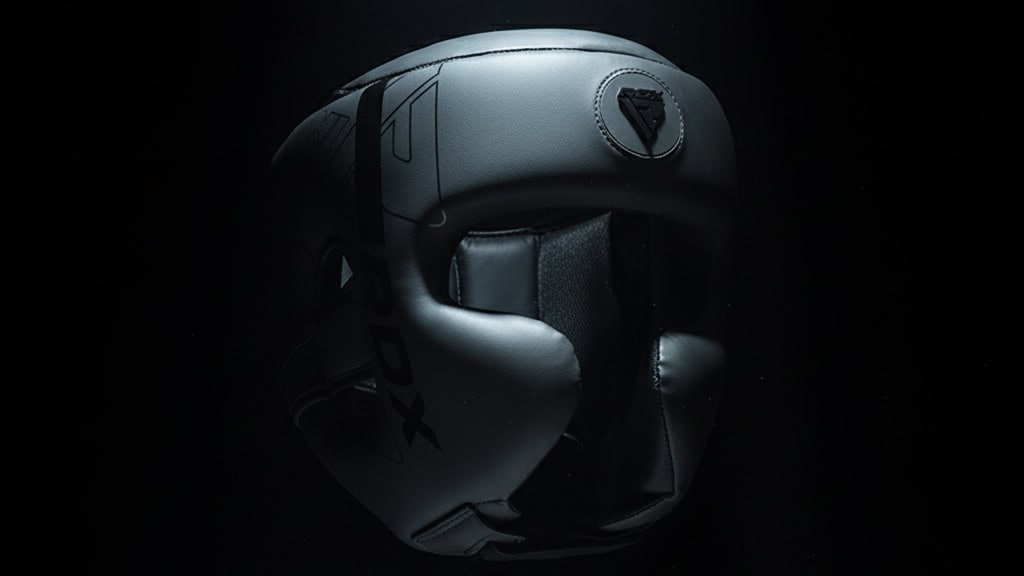
Boxing headgear is everywhere in gyms. Cuts, scrapes, and bruises happen less often when you wear it. Beginners feel safer. Pros use it too. Using sparring headgear lets you focus on punches instead of worrying about every strike.
Definition: What It Is and Why Boxers Wear It?
Headgear is not a helmet for riding. It is made for boxing. It covers cheeks, jaw, and head lightly but enough. Does it stop brain jolts? No. But it keeps face injuries away. Many boxers feel braver when wearing sparring headgear.
Types of Boxing Headgear
Open-face shows your full view but leaves cheeks open. Full-face covers more, even jaw. Cheek protectors guard sides mostly. Women have custom women’s boxing headgear that fits better and stays secure. Comfort, coverage, and visibility matter differently for each style.
Common Uses in Training and Amateur Bouts
Boxers wear headgear in sparring, drills, and amateur bouts. Olympic-style matches often require it. Even during routine sessions, protective boxing gear keeps fighters from cuts that stop practice. Missing it can mean more bruises, skipped training, and slower progress. Beginners especially need it.
Related Article: Boxing Protection for Hands and Wrists: Essential Tips & Gear
What Headgear Actually Protects Against?
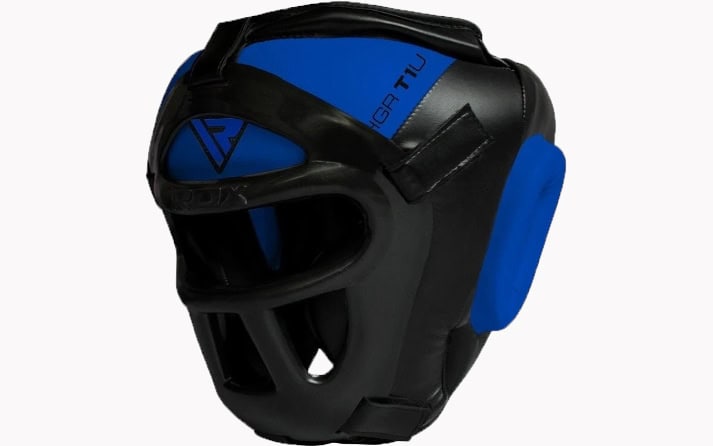
Boxing headgear is not magic. It cannot stop concussions. But it helps in other ways. Skin stays safer. Fighters feel braver in the ring. Beginners like it a lot. Even pros use it sometimes. Sparring headgear lets you focus on punches, not every scratch or nick. Training can go longer without interruptions.
Cuts and Bruises: Face Protection
Hits to the nose, cheeks, and forehead hurt less. Headgear cushions blows. Some scratches still happen. But overall face stays better. Fighters can spar more rounds. Wearing sparring headgear keeps skin intact. Confidence grows.
Eye and Cheekbone Safety
Eyes are tricky spots. Cheekbones get hit easily. Padding shields them lightly. Vision is still mostly clear. You can dodge or counter faster. Protective boxing gear reduces cosmetic damage that would stop practice.
Ears and Jaw Coverage
Some headgear covers sides more. Ears and jaw get padding. Choice matters. Hits to sides sting less. Fighters feel less soreness. Protective boxing gear works differently depending on design. Less downtime.
Training Continuity: Less Interruptions
Cuts slow practice. Bruises stop sessions. Headgear helps avoid that. Beginners gain confidence. Fighters can go longer rounds. Boxing training safety improves. You do not worry about minor injuries. Practice feels easier.
The Concussion Question: Can Headgear Prevent Them?
Many believe headgear stops concussions. Reality check: it does not. Headgear cushions face and jaw, but inside your skull the brain still moves when impacted. Hits make it shift back and forth. That jolt causes the real damage. Fighters may feel safe, but the padding only stops cuts and bruises, not brain trauma.
Reality Check: Padding Cannot Stop Brain Movement
Even thick headgear cannot stop concussions. The brain floats inside skull fluid. When a punch lands, it shifts violently. Padding slows the blow outside, but inside the skull, nothing changes. Does boxing headgear prevent concussions? The answer is simple: no. Face may look fine, but the brain can still get whiplash from even light hits.
Why Headgear Cannot Prevent Concussions?
Concussions come from acceleration and sudden stops. Headgear cannot control this internal motion. Even slow hits can create micro-movements inside. Boxers must realize the limits. Headgear helps visually, protects external injuries. Protective boxing gear is not brain armor.
Research Insights: Bigger Target, Unexpected Risk
Some studies say headgear might make the head a bigger target. Fighters swing differently. Defenses change. Hits may land more often. Boxing concussion prevention is tricky. Knowledge, technique, and smart sparring remain the key to protecting the brain while training.
Bottom Line: Face Safe, Brain Not
Headgear keeps face safe. Cuts, bruises, and superficial injuries are less. But inside the skull, the brain still moves. Boxers must combine gear with technique and caution. Understanding limits is part of true boxing concussion prevention.
Related Article: The Importance of Using High-Quality Protective Gear in Boxing
Why Headgear is Still Important for Sparring?
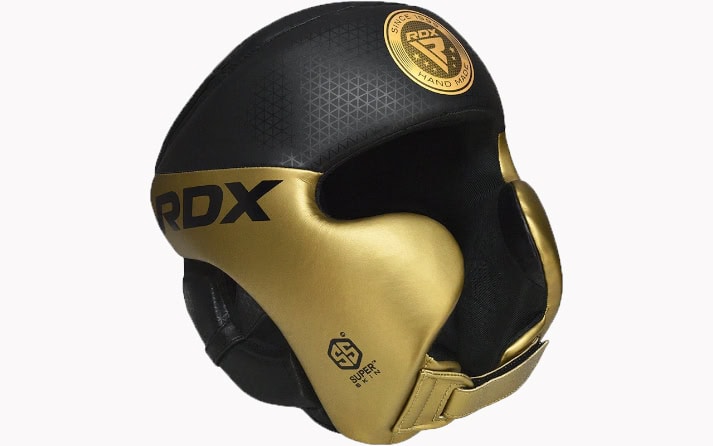
Cuts and bruises happen less. Fighters stay in the ring longer. Beginners feel safer. Confidence grows. Sparring feels less scary. Even pros sometimes wear it in practice. Using sparring headgear lets you focus on technique instead of worrying about minor hits or scratches.
Prevents Cuts and Bruises
Face hits are brutal without padding. Nose, cheeks, forehead take the brunt. Headgear absorbs some of that impact. Cuts and scrapes slow down training. Wearing sparring headgear keeps skin intact. Practice feels safer and smoother, especially for those still learning combos and timing.
Absorbs Superficial Shock
Even light padding softens jolts. Ears, jaw, and side hits hurt less. Fighters feel less sore after sessions. Minor shocks do not end training early. Protective boxing gear reduces interruptions and lets sparring flow.
Psychological Safety for Beginners
New fighters worry a lot. Fear of cuts or bruises can hold them back. Headgear gives confidence. They throw combos more freely. Movements are bolder. Mental ease helps learning. It prevents hesitation, builds trust in own skills, and keeps motivation high during every sparring session.
Mandatory in Gyms and Amateur Competitions
Most gyms insist on headgear. Amateur bouts often require it. Safety rules exist for good reason. Boxing training safety improves when everyone wears it. Beginners and pros both benefit. Ignoring rules can risk penalties and injuries. Wearing headgear is practical and mandatory. It protects externally, boosts confidence, and ensures training stays smooth and consistent for everyone.


Choosing the Best Headgear for Training
Picking the right headgear is not simple. How is that possible? Fit, padding, style, and comfort all matter. You want protection without slowing movement. Beginners and pros both benefit from the right gear.
Fit: Snug and Secure
It must stay put when moving or ducking. Shifting padding distracts and reduces protection. Trying gear before sparring is smart. Best boxing headgear for sparring fits firmly yet feels natural. You move, pivot, and throw punches without adjusting constantly.
Padding: Dense vs Light
Padding matters for impact absorption. Dense padding is better for hard sparring rounds. Lighter padding works for drills, shadowboxing, and skill practice. Too much bulk slows head movement. Choose best boxing headgear for sparring that balances shock absorption and mobility.
Styles: Full-Face vs Open-Face
Full-face headgear covers jaw and cheeks completely. Open-face gives maximum vision but less side protection. Women can pick women’s boxing headgear designed for secure fit and comfort. Beginners may prefer full-face for safety. Advanced boxers might favor open-face to improve reaction and visibility.
Comfort: Breathable Lining and Secure Straps
A hot or itchy helmet ruins sparring. Breathable lining prevents sweat build-up. Adjustable chin straps keep gear stable. Good women’s boxing headgear or unisex gear ensures comfort and protection at the same time.
Other Ways to Reduce Concussion Risk in Boxing
Concussions happen even with padding. Boxers need extra precautions. Controlling sparring intensity, learning defensive moves, and training smart all matter. Safe practices improve boxing training safety and reduce brain injuries.
Controlled Sparring Intensity
Not every hit should be full power. Sparring lighter keeps practice safer. Beginners benefit most from slower, controlled rounds. Heavy blows in early training increase risk. Fighters learn techniques without unnecessary trauma. Boxing concussion prevention starts with knowing how hard to hit each other.
Proper Defensive Technique
Head movement, slipping punches, and blocking are essential. Learning to defend reduces direct impacts. Fighters get more confident dodging than absorbing. Improper defense increases risk even with protective boxing gear. Repetition and drills make defensive habits automatic.
Limit Rounds for Beginners
Shorter sessions reduce cumulative impact. Less exposure means fewer jolts to the brain. Gradual increase in duration keeps training safer. Rest between rounds is key. Fatigue makes mistakes, and risk rises. Boxing concussion prevention improves when coaches plan smart schedules.
Strength, Neck Conditioning, and Adequate Rest
Strong neck muscles reduce head whip from hits. Core and posture help absorb impact. Adequate rest between sparring lets the brain recover. Stretching, breathing, and recovery are part of boxing training safety. Fighters who condition properly face fewer jolts.
FAQ’s
Headgear is essential in the ring. It keeps cuts, bruises, and other external injuries at bay. Beginners and pros alike benefit. However, it cannot stop concussions. Brain movement inside the skull still happens.
Does boxing headgear prevent concussions? No. Using protective boxing gear alongside proper technique, smart training, and conditioning ensures overall boxing safety. Safety is a combination of gear and skill.