



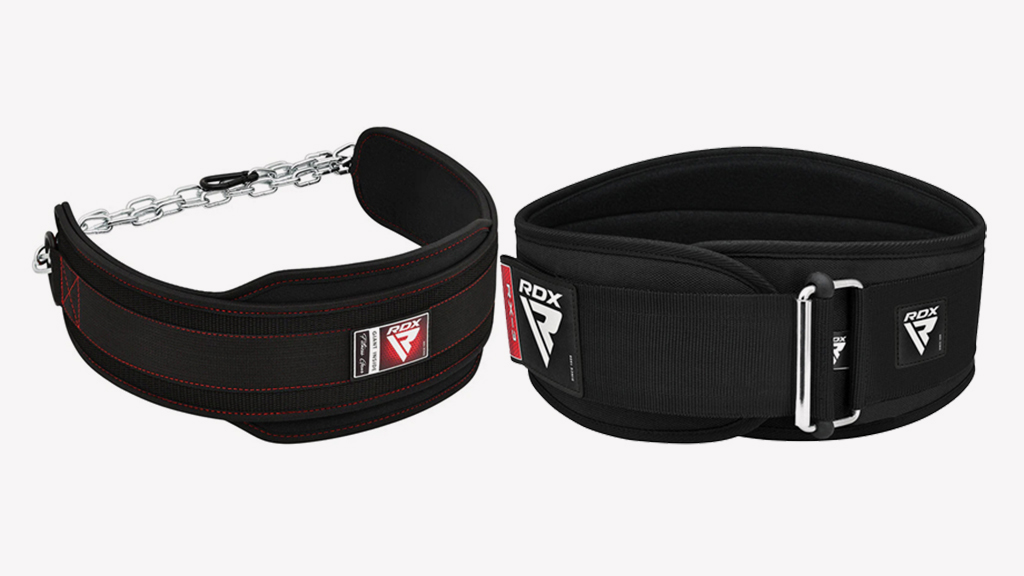
Making the right choice between a dip belt and a weightlifting belt can change your entire training goals. Each belt has its own purpose, design, and benefit depending on your training goals. In this guide, we’ll break it all down for you. By the end, you’ll know exactly which belt fits your workout style and how to use it the right way.
What is a Dip Belt?
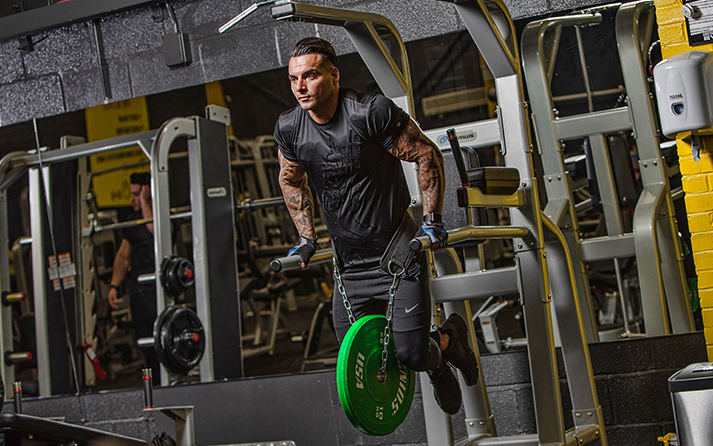
A dip belt is a gear that wraps around your waist like any normal belt, but there’s a key difference: it comes with a chain or strap that hangs from the front. That’s where the magic happens. You clip on a weight plate, a kettlebell, or anything heavy enough to push your limits. Perfect for dips, pull-ups, or chin-ups when bodyweight just isn’t cutting it anymore. It’s a small upgrade that delivers big results.
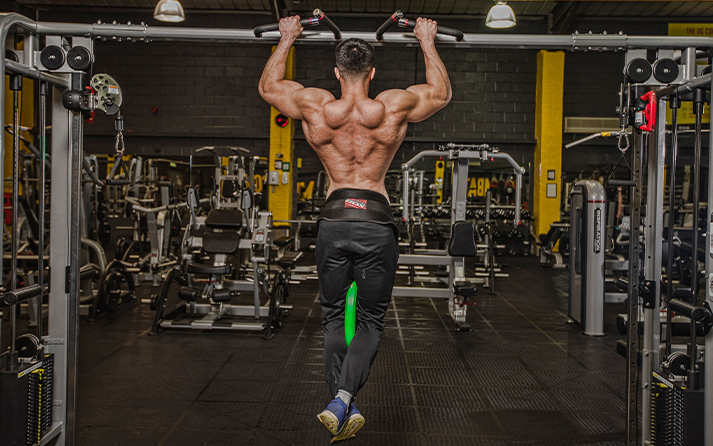
You’ll often spot a weighted dip belt in action during pull-ups, dips, or chin-ups, the kind of exercises where your body weight does most of the work. But once that starts to feel too easy, this belt steps in. It lets you add extra weight in a safe, controlled way, giving your muscles a much bigger challenge. It’s a smart tool for building serious upper body strength, especially when you want to hit your chest, triceps, shoulders, and back harder.
Dip belts come in a few styles, but the classic one is the dip belt with chain attached to a tough leather or nylon belt. It’s built to handle serious weight and has been the go-to choice for years. That said, newer designs now use heavy-duty straps and carabiners instead of chains. The function is the same: secure the weight and let you train harder, but the strap versions are often easier on the hips and more comfortable during longer sets.
Related article: How Dipping Belts Can Help You Build Explosive Strength
What is a Weightlifting Belt?
A weightlifting belt has one clear purpose: to give your core the support it needs when you’re lifting heavy. It’s not like a dip belt that piles on extra weight. Instead, it helps you manage the load you’ve already got on the bar. Wrapping firmly around your lower back and abs, it creates pressure through your midsection. That pressure acts like a brace, keeping your spine stable and your posture solid. The result? Lower injury risk, better control, and the confidence to push a little harder when it counts.
You’ll usually spot weightlifting belts in action during the big lifts like squats, deadlifts, and overhead presses. Any move where your spine takes the load and your core needs to stay rock solid. The belt adds support, sure, but it’s not doing the work for you. You still have to brace properly, stay tight through your midsection, and lift with clean, controlled form. That’s where real strength and safety come from.
Weightlifting belts come in a few different styles, and the best one for you depends on how you train. The lever weightlifting belt is a top pick for powerlifters—they snap shut fast, stay locked in place, and give you that ultra-secure feel when lifting heavy. Prong belts are the classic choice, with one or two buckles that let you adjust the fit more precisely. Then there are Velcro belts, popular in CrossFit and everyday training. They’re lighter, more flexible, and super easy to take on and off, though they don’t offer the same level of support as thick leather belts.
If you’re serious about lifting heavy, finding the best weightlifting belt for your style and goals can make a real difference.
Related article: Lifting Heavy? Stay Safe and Secure with RDX’s Leather Gym Belt!
Key Differences Between Dip Belt and Weightlifting Belt
At first glance, a dip belt and weightlifting belt might seem similar. They’re both worn around the waist and used during strength training. But their purpose, design, and how they help your performance are actually very different.
Let’s start with purpose. A belt for weighted dips is made to add resistance to your bodyweight exercises. Think dips, pull-ups, or chin-ups, the movements where you lift your own weight, and eventually want to make them more challenging. In contrast, a weightlifting belt is all about support. It helps protect your lower back by stabilizing your core during heavy barbell lifts like squats or deadlifts. The focus here is spinal support, not adding weight.


Placement is where these two belts really set themselves apart. A weighted belt for dips sits low on your hips, with a chain or strap that hangs the added weight beneath you perfect for moves like dips or pull-ups. A weightlifting belt, though, wraps firmly around your midsection. It creates pressure through your core and lower back, giving your spine the support it needs when you’re going heavy. Two belts. Two very different jobs.
The materials of each belt can easily distinguish them. Leather weightlifting belts are thick and stiff, made to last and support serious lifters during heavy sessions. They offer strong, reliable stability when it counts most. Dip belts usually use tough nylon or softer leather and come with a heavy-duty metal chain or strap to carry extra weight. Both are built to endure, but the leather weightlifting belt holds firm under pressure. When you’re pushing your limits, you need gear that won’t let you down.
Each belt has its own job in the gym. Using the belt for weighted dips is perfect for bodyweight moves you want to challenge, such as pull-ups, even muscle-ups. Its design lets you hang extra weight without it getting in your way. On the other hand, a weightlifting belt shines during barbell lifts, where keeping your core tight and your back protected is key. Knowing which belt to use for each exercise can boost your strength and keep you safe.
They look very different at a glance. The weighted belt for dips has a chain or strap that hangs down, ready to hold extra weight. The weightlifting belt, by contrast, is wide, thick, and fits snugly around your waist. One is built to carry weight; and the other is designed to keep your core tight and stable. Each serves a clear purpose, perfectly matching your training needs.
Visually, they look quite different too. The weighted belt for dips has a dangling chain or strap, while the weightlifting belt is wide, thick, and snugly fitted around the waist. The goal of one is to hold weight down; the other is to hold your core together.
So while they both serve as lifters, their roles in your routine couldn’t be more different.
Pros and Cons of Each Belt
Dip belts and weightlifting belts serve very different purposes. Knowing the difference helps you train smarter, not harder.
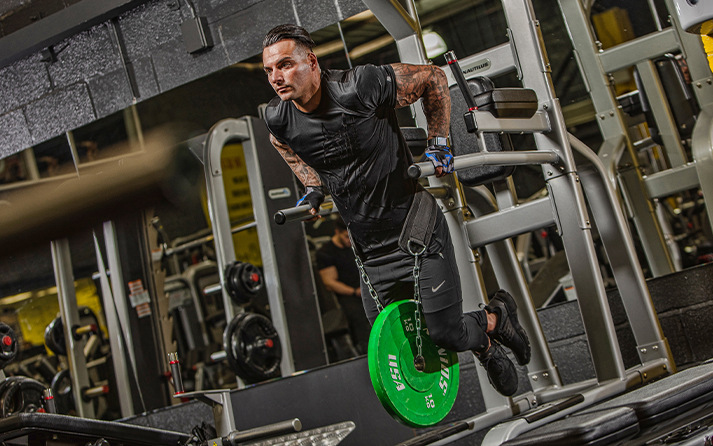
A weighted dip belt is built for adding extra weight to bodyweight exercises like dips, pull-ups, and leg raises. It’s simple. Strap it on, hang some plates, and you’ve just turned a bodyweight move into a serious strength challenge. The key benefit? It targets upper body and core muscles while keeping the movement natural and unrestricted.
You’re free to move. That means better control, better form, and stronger results over time. The downside? It’s not for everyone. If you’re new to training or still building basic strength, a dip belt might be a step too far too soon. It also won’t support your lower back, so it’s not built for squats or deadlifts.
Now the weightlifting belt—very different story. This one’s designed to support your lower back and core during heavy lifts like squats, deadlifts, and overhead presses. It’s all about stability. The lever weightlifting belt helps you brace your core properly, which reduces the risk of injury and lets you lift heavier with more confidence. Great for power and protection. But it doesn’t add resistance like a dip belt does. It’s a support tool, not a loading tool. And if you rely on it too much, it can become a crutch. You still need to build real core strength.
So, which one’s better? It depends on your goals. Want to push your upper body and core with extra weight? Go for the dip belt. Need more support for big lifts? A best weightlifting belt is what you need. The smart move? Use each for what it’s made for. They’re not rivals, they’re tools in the same toolbox. Pick the right one, and you’ll get more out of every session without wasting effort or risking injury.
Related article: Enhancing Your Performance with a Weightlifting Belt
How to Choose the Right Belt for Your Goals
Choosing the right belt depends on your particular goal. If you’re building muscles, a dip belt with a chain is perfect. It lets you add weight to bodyweight exercises like pull-ups and dips. As it is adaptable and customizable, it is perfect for both beginners and advanced fitness enthusiasts.
Now, if you’re into powerlifting or lifting seriously heavy weights, the weightlifting belt is the one to look at. It gives your lower back and core the support needed to stay safe under a barbell. Squats, deadlifts, overhead presses, it’s made for those movements. Beginners don’t always need it right away, but once the weights go up, so does the need for support.
Budget matters too. Dip belts are usually cheaper and only really wear down if you’re using them constantly. Weightlifting belts can cost more, especially for quality leather ones, but they last years if you treat them well. If you train three to four times a week or more, it’s worth investing in a good one.
In short, match the belt to your training style. Think about how you train now and where you want to be six months from today. That’ll guide your decision better than any trend or flashy product ever will.
Popular Products and Buying Tips
Dip belts and weightlifting belts come in various shapes and types. You should do your due diligence before investing in a product. Each has its place, and using the right one makes a big difference in performance and safety.
Dip belts are made for adding weight during bodyweight movements like dips and pull-ups. They usually come with a chain or strap to hold plates. Look for strong stitching, heavy-duty steel chains, and padding around the lower back for comfort. RDX offers solid options here. Durable materials, smart design, and comfort where it counts. Their dip belts strike a balance between toughness and ease of use.
Weightlifting belts, on the other hand, support your core during compound moves. These belts are wider and stiffer, offering bracing support to keep your spine stable. Go for belts made of high-grade leather or reinforced nylon with strong buckles or lever systems. RDX’s weightlifting belts are a go-to for many lifters. They’re well-constructed, reliable under load, and don’t cost the earth.
When it comes to fit, don’t guess. A good belt should sit snug but not dig in. Adjustable fastenings help fine-tune the fit, especially as your training evolves. Measure your waist where the belt will sit, not your trouser size and always check the brand’s sizing chart. With RDX, you’ll find detailed guides and size options to help you get it right the first time. Solid gear, no fluff.
Related article: How the RDX T7 Dipping Belt Takes Strength Training to the Next Level
Conclusion
Dip belts and weightlifting belts aren’t the same thing, and treating them like they are is a mistake. Dip belts are for adding resistance to bodyweight moves, think pull-ups and dips. They hang weight below your body and target upper-body strength. Weightlifting belts are all about core support during heavy lifts like squats and deadlifts. They brace your spine, help with stability, and reduce injury risk.
The choice depends on your training goals. If you’re pushing big numbers on compound lifts, go for a weightlifting belt. If you’re building upper-body strength through weighted bodyweight work, the dip belt is your friend.
Don’t just buy what looks good or what’s trending. Choose based on what you need in the gym. A well-chosen belt improves performance and protects you. Make it count. Train smart. Your progress and safety depend on it.
Read More
- Functional Fitness Training: Build Strength, Mobility and Real-World Performance
- How to Build Strength with RDX Sports Weightlifting Gear: Essential Equipment for Maximum Gains
- High Volume vs Low Volume Training: Which Builds More Strength and Muscle?
- Best Dumbbell Exercises for Muscle Growth: Ultimate Strength Training Routine