



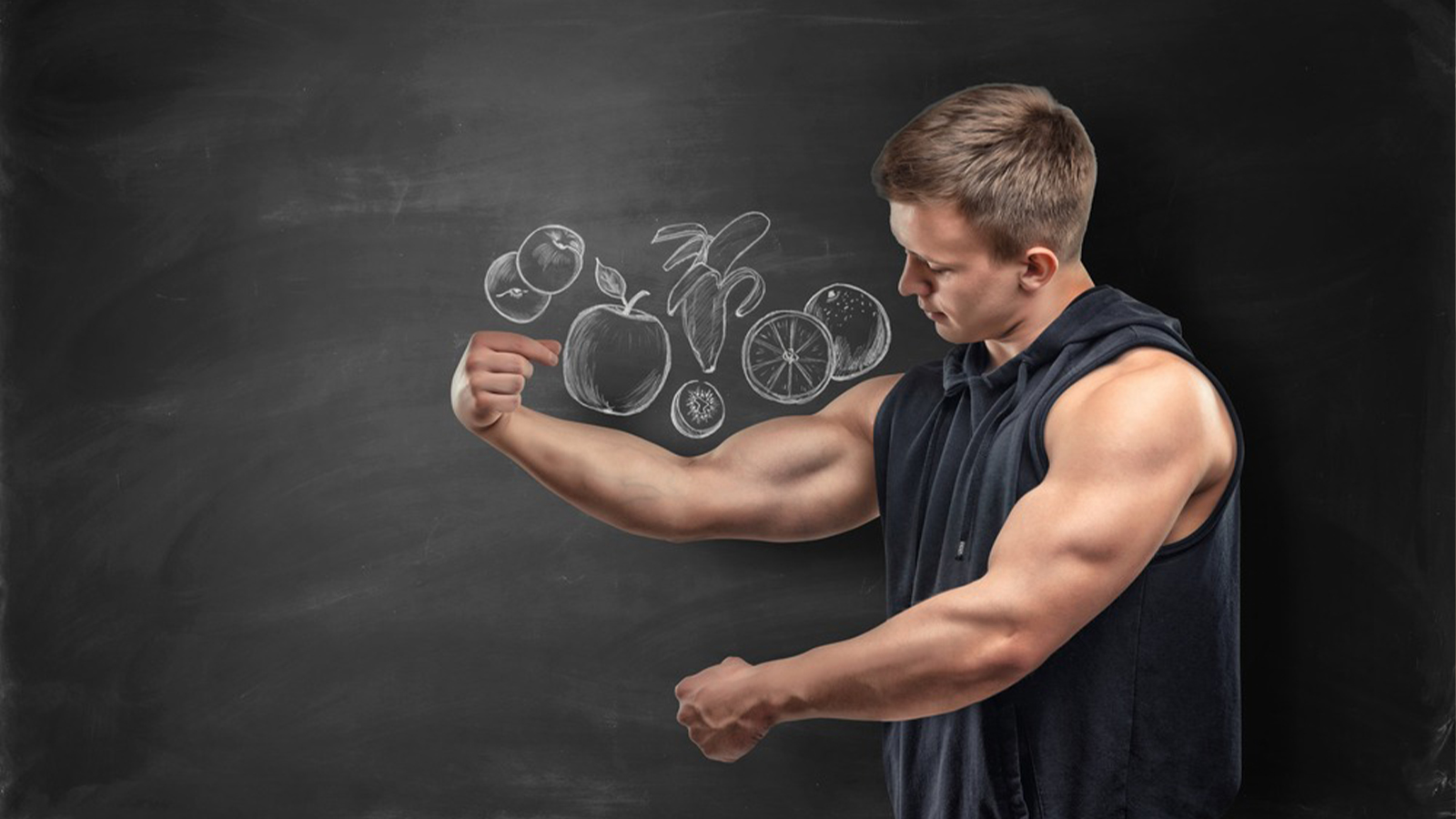
This isn’t guesswork. It’s based on what actually works. Whether you’re just starting out or trying to break through a plateau, this plan is built to support real, visible results.
Related article: How to Build Muscle Fast: A Beginner’s Guide to Rapid Strength Gains
Why is It Important to Build Muscle
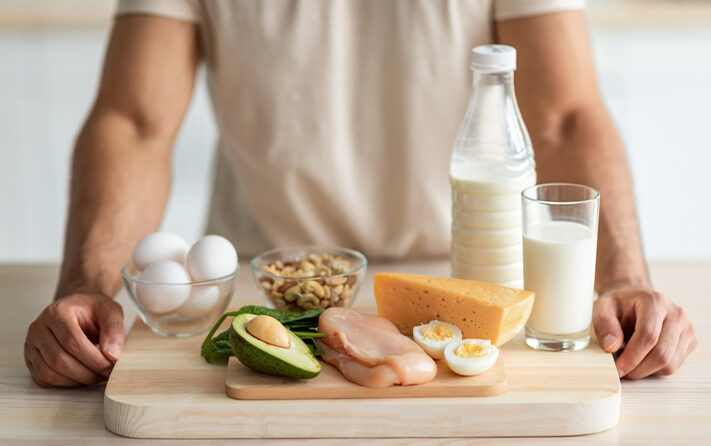
Building muscle isn’t just about looking fit. It’s about feeling stronger, moving better, and protecting your health as you age. A lot of people hear “muscle building” and think of bodybuilders, but honestly, it goes way beyond that.
So, why is it important to build muscle? For starters, muscle helps your body work more efficiently. It keeps your metabolism active, helps manage blood sugar, and even burns more calories while you’re resting. That means muscle supports not just strength, but your overall energy and health.
It also protects your joints and bones. More muscle means better posture, better balance, and fewer chances of getting hurt, especially as we get older. Losing muscle with age is real, and it can affect how we live day to day.
On top of all that, building muscle can improve mood, reduce inflammation, and help with chronic health issues. So yes, a muscle building diet plan matters and not just for size, but for a healthier, stronger you.
Related article: 7 Easy High-Protein Lunch Options For Muscle Gains
How Can the Right Meal Plan Support Muscle Gains
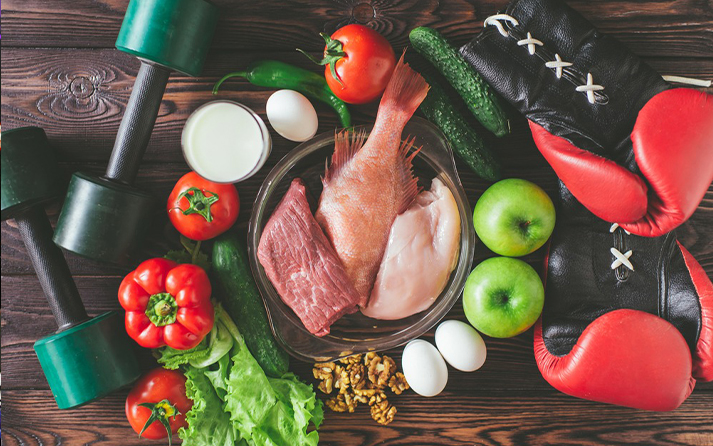
Most people think lifting weights is the only way to build muscle but food plays an equal part. You can train hard every day but if your meals are not right your body will not grow the way you want it to. So how can the right meal plan support muscle gains? It starts with what you feed your body before and after workouts.
Your muscles need protein to repair and grow. If you do not get enough your progress slows down. A good meal plan includes quality protein in every meal. Think eggs, chicken, fish and lean beef beans and dairy. Alongside protein your body also needs carbs. Carbs give you energy to push through tough sessions and help refill your energy stores after training. Rice, oats, potatoes, fruit and whole grains are all useful here.
Fats are also important. They help with hormones and recovery. Go for healthy options like nuts, olive oil and avocado. And water, do not forget that. Muscles do not grow well if you are not hydrated.
Meal timing also matters. Eating protein and carbs within an hour after training helps your body recover and grow faster. Spread your meals through the day to keep your energy steady and your muscles fed.
So how can the right meal plan to gain muscle. It fuels your workouts, supports your recovery and gives your body the tools it needs to grow stronger over time.
Related article: 30-Minute High-Protein Recipes: Quick, Easy, and Healthy Meal Ideas
The Best 7-Day Muscle Building Diet Plan
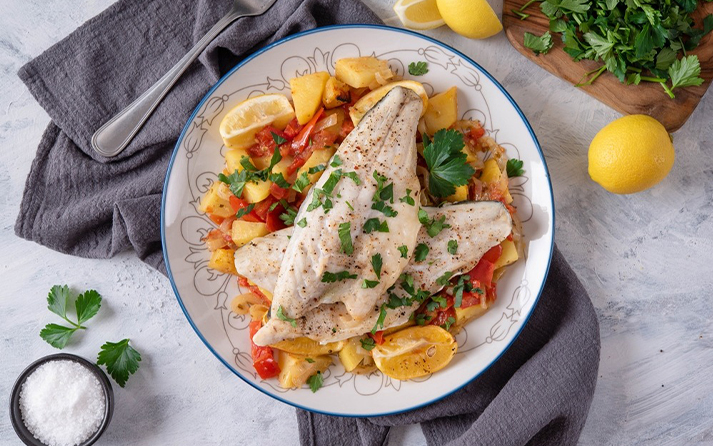
You can’t build muscle by training alone. What you eat every single day has a direct impact on how your body grows. A smart muscle building diet plan is just as important as your workouts. Without enough of the right food, your muscles simply won’t grow. That’s the plain truth.
This 7-day meal plan to gain muscle focuses on three simple goals: more protein, steady carbs, and healthy fats. It also includes fiber, because digestion matters when you’re eating more. Each day includes three meals and two snacks. Nothing fancy. Just real food that fuels your body the way it should.
1st Day:
Day 1 should be focused on high-protein foods with healthy fats. It should be balanced with slow-digesting carbs that keep you full and help in recovery.
- Breakfast: 3 Eggs and oats with banana
- Snack: 1.5 cup of Greek yogurt with 6 almonds
- Lunch: 100g grilled chicken, brown rice, broccoli and vegetables of choice
- Snack: 1 tsp peanut butter on whole wheat toast
- Dinner: 100g salmon, sweet potato and spinach
2nd Day:
Include healthy fats with a good mix of animal and plant-based proteins. It feels light but keeps you full and supports muscle gain goals.
- Breakfast: 1 avocado toast with 3 eggs
- Snack: 1.5 cup of cottage cheese with handful of berries
- Lunch: 100g ground turkey, quinoa and green salad
- Snack: Protein shake with 1.5 scoop of protein powder
- Dinner: 1.5 cup stir-fried tofu with rice and veggies
3rd Day:
Day 3 should include good carbs for energy, protein for muscle and good quantity of fiber for gut health.
- Breakfast: Protein pancakes (1.5 scoop of protein powder) and a fruit of choice
- Snack: 2 boiled eggs and apple
- Lunch: 100g beef strips, whole wheat pasta, and vegetables of choice
- Snack: A handful of mixed nuts
- Dinner: Lentil curry, brown rice, steamed greens with grilled chicken
4th Day:
Day 4 should be focused on recovery with good protein and carbs.
- Breakfast: Smoothie with protein shake (1.5 scoop), oats and berries
- Snack: 1.5 cup cottage cheese and whole grain crackers
- Lunch: 100g chicken, quinoa and roasted carrots
- Snack: Protein shake smoothie
- Dinner: 100g salmon, mashed potatoes and broccoli
5th Day:
Day 5 meals keep you full for a longer time and focus on muscle building with healthy fats and protein.
- Breakfast: Oatmeal with whey protein and 1 tsp peanut butter
- Snack: Greek yogurt with 1 tsp mixed seeds
- Lunch: Tuna wrap and side of vegetables
- Snack: Trail mix
- Dinner: Turkey mince, spaghetti squash, tomato sauce
6th Day:
Day 6 should include a variety of foods with plant-based and animal options.
- Breakfast: Scrambled eggs, toast, avocado
- Snack: Protein shake, orange
- Lunch: Shrimp, wild rice, bell peppers
- Snack: Apple and almond butter
- Dinner: Chickpea bowl with rice and greens
7th Day:
For day 7, keep your meals simple and focus on recovery.
- Breakfast: 3 egg omelet with veggies and whole grain bread
- Snack: Chia pudding with fruits of choice
- Lunch: 100g Chicken stir-fry with noodles
- Snack: 2 boiled eggs
- Dinner: Beef, roasted potatoes, and side salad
Why This Diet Works?
This isn’t some extreme bulking routine. It’s a real-life muscle-building diet plan that’s sustainable. You’re getting steady high-protein foods for muscle gain across the day, not just a big dinner. Carbs come from slow-burning sources like oats, rice, potatoes, and pasta. These give you lasting energy and help refill your muscles after workouts.
The fats are healthy: nuts, fish, avocado, and olive oil. These support your joints and hormones. You also get fiber from greens, fruits, seeds, and legumes. That keeps digestion smooth. Because trust me, when you eat more, your stomach will feel it.
What makes this a solid meal plan to gain muscle is the balance. You’re not starving yourself, and you’re not overdoing it either. The goal is slow, steady gains. Real food. Real results. No fluff, no hype.
The best foods for bulking are included in this meal plan. No matter if you are looking for a quick snack to curb your appetite or a post-workout meal to recharge, this 7-day meal plan has got you covered. It has variety, and flavor. So get your meals ready, and start your journey to build lean and strong muscles.
Related article: High-Protein Diets for Combat Athletes: Benefits, Risks & Best Practices
Best Foods for Bulking and Muscle Gain
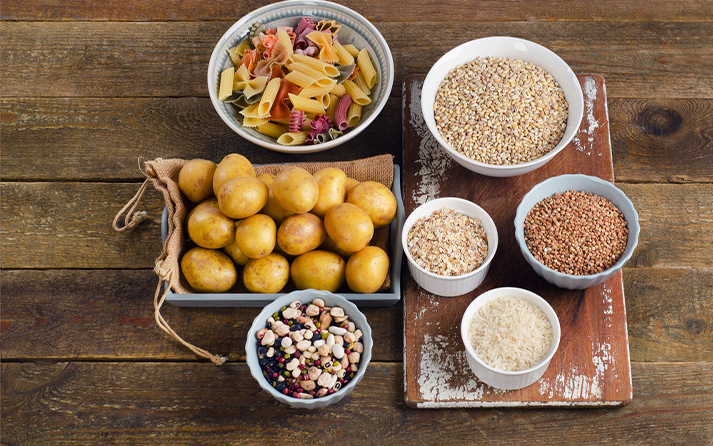
If you’re trying to bulk up, what you eat matters just as much as how you train. You need food that fuels recovery, builds new muscle, and keeps your energy steady throughout the day. And planning is the key here. Prep all your meals in advance. This helps you to make informed decisions with a balanced approach.
Start with high-protein staples. Eggs are a go-to. They are cheap, quick, and full of nutrients. Chicken breast, turkey, and lean beef pack in protein without too much fat. Fish like salmon or tuna give you protein plus omega-3s. And if you’re in a rush, protein powders help fill in the gaps without much prep. The high protein foods for muscle gain manage your appetite and support your muscle gain goals.
Carbs are your fuel. Don’t skip them. Brown rice, sweet potatoes, oats, quinoa, and whole wheat pasta give you lasting energy and help your body recover after heavy workouts.
Healthy fats support hormone balance and joint health. Think avocado, nuts, seeds, olive oil, and fatty fish like mackerel. These keep your calories up in a clean way.
Don’t forget dairy. Greek yogurt, cottage cheese, and milk are excellent sources of protein and calcium. They’re easy to digest and great for snacks or post-workout meals.
As for supplements, they’re optional and don’t have any magical powers. Creatine can support strength and size over time. BCAAs may help reduce soreness, but real food should always come first.
Stick to these basics, stay consistent and in no time you will see quality results.
Related article: Best High Protein Foods for Muscle Growth: Top Sources for Strength & Recovery
Common Mistakes to Avoid on a Muscle Building Diet Plan
Most people think lifting heavy is enough. It’s not. What you eat can make or break your progress, and honestly, it’s where most people slip up.
One big mistake is not eating enough. You can’t build muscle on a calorie deficit. If you’re not seeing gains, there’s a good chance you’re not fueling your body properly. Muscle needs energy to grow.
Undereating protein is another one. You need enough protein every single day, not just on training days. Your muscles are repairing 24/7. If you fall short, you’re leaving results on the table.
Not tracking your progress is a quiet killer. If you’re not keeping an eye on what you’re eating and how your body’s responding, you’re just guessing. Track your meals, take weekly photos, and check your strength levels. That’s how you know what’s working.
Another issue is relying too much on supplements. They help, but they don’t replace real food. Whole meals give you fiber, vitamins, and a better balance of nutrients.
Skipping carbs or eating too much junk both slow you down. Your diet should support your workouts and your health.
Most of all, stay consistent. That’s where the real results come from.
Conclusion
Building muscle isn’t just about lifting weights. What you eat every day matters just as much. A well-balanced diet plan for muscle gain gives your body the fuel it needs to grow stronger, recover faster, and stay healthy. From high-protein foods to healthy carbs, fats, and fiber, every part of your diet plays a role.
We’ve walked through a complete muscle building diet plan, common mistakes to avoid, and the best foods to include. Now it’s about being mindful. Track your meals, eat with purpose, and stay consistent. No shortcuts, no guesswork.
Stick to the plan. Adjust if needed. But most of all, be patient. Real gains take time. Make informed choices and focus on progress, not perfection. If you fuel your body right and train smart, the results will come. You’ve got the knowledge — now it’s time to put it to work.