




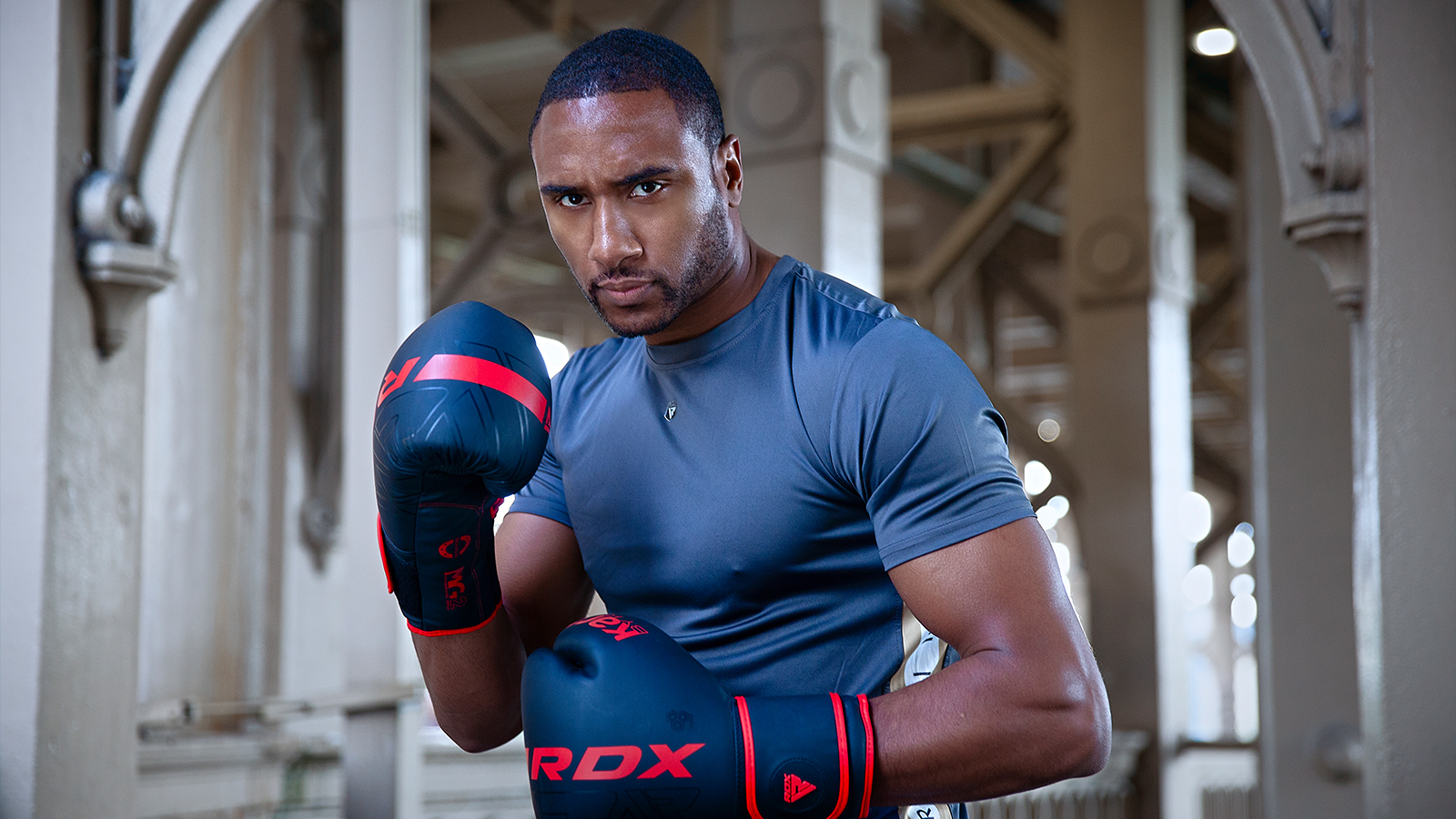
What Is a Boxing Guard? Why It Matters
A boxing guard is a stance that protects your head and body. It also sets up counters. Good boxing guards shape your movement and blocks. They influence both offense and defense. With the right guard, you can slip punches and fire back fast. Which guard do you use most often?
Defensive boxing techniques start with a solid stance. A high guard covers your head with both gloves. A shoulder roll guard uses your arm and shoulder to deflect blows. Each style changes how you attack. Have you ever felt stuck when you switch guards?
Boxing guard styles can define your entire boxing strategy. Mike Tyson used the Peek-a-boo guard. He kept his hands up and moved forward in bursts. This stance let him launch powerful hooks from close range. Floyd Mayweather favors the Philly Shell guard. He leans his shoulder to block and counters with quick jabs. This makes him hard to hit and easy to counterpunch. Which legend’s guard would you try?
Mastering multiple guards makes you more adaptable in the ring. You can change your guard based on your opponent or their punch pattern. This boosts your defensive efficiency and keeps you unpredictable. Are you ready to add new guards to your game?
Related Article: Boxing Stance For Beginners
The Most Common Boxing Guards Explained
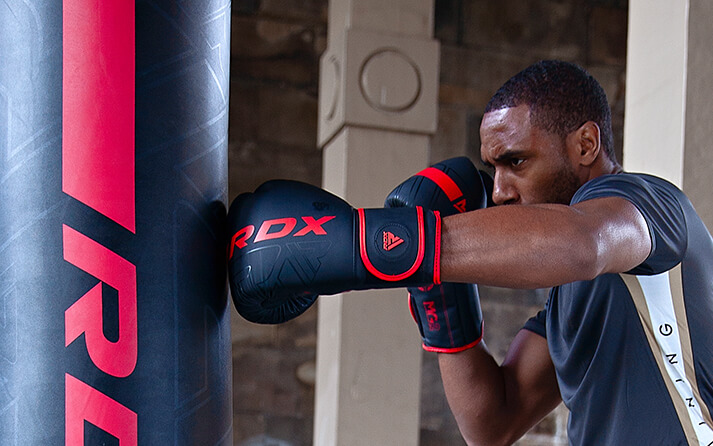
Boxing guards come in many forms. These are the key types of guards in boxing. Each offers unique benefits. First is the Conventional Guard. It is a balanced stance. Most orthodox fighters use it. It lets you defend and attack equally. Do you feel steady with this guard?
Peekaboo Boxing Guard
Next is the Peek-a-boo Guard. Hands stay high. Arms stay tight. It suits aggressive fighters. Mike Tyson made it famous. This style helps you move in bursts. Have you tried the peek-a-boo guard in sparring?
Philly Shell Guard
Then there is the Philly Shell. It is also called a shoulder roll. It’s perfect for counterpunching. Floyd Mayweather uses it well. You lean your shoulder to block. You slip punches with ease. Could you master the Philly shell?
Cross-Arm Guard
The Cross-Arm Guard is an older style. You cross your arms at mid-range, which blocks many punches. It works well in tight spaces. Would you use the cross-arm guard in a clinch?
The High Guard
The High Guard is simple and strong. Hands stay near your temples. It is common among amateurs. Many compact fighters like Canelo Alvarez use it. This guard focuses on head defense. Do you feel safe with a high guard?
The Half Guard
Finally, the Half Guard drops one hand low. The low hand baits opponents. The high hand stays ready. This mix helps set up counters. It’s a clever tactic for crafty boxers. Could you add the half guard to your boxing guard styles?
Learning these boxing guard styles makes you versatile. You can switch based on opponent and style. Adapting guards boosts your defense. It also improves your offense. Which guard will you try next?
Related Article: Orthodox vs. Southpaw: Understanding the Basics of Boxing Stances
Choosing the Right Guard Based on Style and Strategy
Have you ever thought about which boxing guard matches your boxing style? Out-boxers love to fight from a distance. They use guards like the Philly Shell and Half Guard. These boxing guards keep them safe and mobile. They move and circle. They control the ring. This helps with boxing defense and outboxing. Sluggers and pressure fighters prefer a close-range guard. They use styles like Peek-a-boo and Cross Arm. These guards block big shots. They cut distances fast. This is a smart boxing strategy.
How do these guards affect counter-punching? Out-boxers jab and step back. They lure the opponent in. Then they strike. Sluggers slip under and fire heavy hooks. They hit hard. Both boxing styles shape counter-punches differently. And what about stamina? Out-boxers save energy with smooth footwork. They block with angles. Sluggers burn more energy. They keep the pressure on. They absorb big hits. Which guard fits you best? Your boxing style matters. Think about range, power, and stamina. Pick a guard that matches your flow. Try it in the gym. Watch fighters on video. Learn from them. Then refine your boxing defense and strategy.
Guard Transitions and Footwork

Have you noticed how you switch your boxing guards during combinations? Changing your guard helps when you throw many punches. It also works when you get tired in the ring. Good boxing footwork supports each guard position in boxing. You move at angles, pivot on your lead foot and keep a tight defensive position. This builds strong boxing guards. It protects you from big shots.
Do you practice slipping and weaving with your guards? Slipping lets you dodge jabs. Weaving helps you avoid hooks. Each guard has its flow. When you move your head, your feet must follow. You crouch and step to the side. This keeps you ready to counterpunch. Pivoting creates new angles.
When fatigue sets in, switching guards is smart. A quick change can give you fresh defenses. It can also surprise your opponent. For example, switch from Philly Shell to High Guard. Or move from Cross Arm to Peek-a-boo. This reloads your defense and resets your stance.
Practice in drills. Ask your coach to add slipping and weaving to your routine. Try combining head movement with guard transitions and boxing footwork. Which guard transitions will you master today? Work on them in the ring. Then feel the power of smooth guard changes and solid guard positions in boxing.
Related Article: How to Improve Your Footwork for Better Movement in the Ring?
Guard-Like Defenses Across Other Martial Arts
Have you ever tried the Muay Thai high guard? It keeps your arms high. It blocks kicks and punches easily. The karate-chambered guard is different. It keeps your hands near the ribs. It offers fast strikes and a firm stance. MMA fighters like hybrid guards. They mix boxing guards with Muay Thai and wrestling. They cover all attacks. These are different guards from different martial arts. Which one fits your style? Boxers use tight guards. They fight at range. They focus on quick punches and head movement. Kickboxers add leg checks. They use boxing guards with lower arm drops. Wrestlers mix underhooks. This shows different types of fighting guards in MMA.
How do you use a high guard for battle? It shields your head. It is perfect for heavy opponents. Chambered guards help you punch back fast. MMA hybrids let you switch between striking and grappling. Have you tested these guards in the gym? Try moving with each style. See how boxing guards work in kickboxing. Then you will know which guard works best for you. You can also blend footwork and slips. Training in both will improve your skills. Ready to master your defense?
Boxing Guard Mistakes to Avoid
Have you ever dropped your hands after a flurry? It feels natural. But it can cost you dearly. Dropping your hands shows your face. It gives the opponent an opening. Good boxing guards keep you safe. They are key defensive boxing techniques. A guard too stiff or too wide? That also causes trouble. A wide guard shows your midsection. A rigid guard slows your reaction. That opens up your body. Balance needs to be right. Guards must pair with movement. Feet must dance. Angles must shift. When you stand still, you become a target. That’s why boxing defense is more than just arms. It’s a full-body effort. Slip after a combo. Weave under the next shot. Pivot away. This is boxing technique at work. Ready to tighten your guard? Practice short drills. Use mirrors to check your form. Then bring what you learned to sparring.
Related Article: Boxing Defence Techniques: Mastering the Art of Staying Unharmed
Conclusion
Picking the right boxing guard shapes your defense and offense. A guard that fits your reach and style keeps you safe and powerful. Master it with drills and shadowboxing until it feels natural. Don’t stick to just one stance—experiment with high guard, Philly Shell, or peek-a-boo. Watch top fighters like Floyd Mayweather, Vasyl Lomachenko, or Terence Crawford. Study how they shift stances and use guards to create openings. Remember, solid defense builds confidence and allows you to launch precise counterattacks. Great offense grows from great defense. Invest time in your guard; you’ll see your punches land cleaner and more demanding.