





While these two methods are gaining popularity, there is often a debate about cold showers vs. ice baths. For convenience, many athletes choose cold showers, as they are easy and can be taken immediately after a workout session to relax.
However, for enhanced muscle relaxation, ice baths are definitely a win and a common approach during recovery days.
Both of these cold therapy methods are great for muscle recovery, but in this blog, we will explore the basic differences between the two and the benefits they have to offer.
Related article: Best Practices for Recovery After Weightlifting: Faster Muscle Repair & Strength Gains
What is Cold Therapy?

Cold therapy is the application of ice cold water, or ice baths to a certain body type to reduce pain, and inflammation. The cold therapy is a great approach to reduce inflammation and swelling from the body. It can be done in two ways: cold showers and ice baths.
Cold therapy is an important aspect of an athlete’s recovery program. The RICE (rest, ice, compression, and elevation) strategy for muscle recovery and relaxation also emphasizes incorporating cold therapy.
Cold therapy is also a common treatment approach for at-home injuries management and pain relief. Using ice packs on affected areas can numb the pain by constricting the blood vessels and slowing down the transmission of pain signals to the brain.
Cold therapy is an effective treatment approach for soft tissue damage, sprain, or any discomfort in the muscles. Research also explains the effectiveness of cold water therapy in improving the autoimmune inflammation in the body.
Cold water therapy for muscle recovery and soreness with pain management is gaining popularity among athletes and fitness enthusiasts due to the countless benefits. Immersing in ice-cold water during recovery day or doing a cold water shower after a workout are some of the popular methods followed by athletes to manage inflammation and pain.
Cold Shower vs Ice Bath: Understanding the Differences

Cold therapy, in the form of cold showers or ice baths, has various health benefits. However, both methods are quite different in terms of how they are done and their duration. Here we have a breakdown for cold showers and cold water immersion therapy (ice baths):
Cold Showers
Cold showers use water that ranges from 50°F to 60°F. Most people take them at home, right after a workout. The goal is to cool down the body quickly. You stand under running water, usually for 5 to 10 minutes. It’s easy, accessible, and doesn’t need much prep.
Cold showers help reduce surface muscle soreness. They may wake you up and improve blood flow slightly. But they don’t cool the body as deeply as ice baths do.
Ice Baths
Ice baths go colder—between 32°F and 50°F. You sit in a tub filled with cold water and ice. This full-body soak pulls heat from your muscles more effectively. It hits deeper layers and slows down inflammation. Athletes use them to recover after intense sessions.
You usually stay in for 10 to 15 minutes. It’s not easy, but it can give stronger recovery effects than a quick cold shower.
Duration of Exposure
- Cold showers: 5–10 minutes.
- Ice baths: 15-20 minutes.
Cold showers are faster and easier. Ice baths take more setup but offer deeper benefits. Which one you choose depends on your goals and how intense your training is. But both methods are great for enhanced muscle recovery after a workout.
Related article: Stretching Techniques for Faster Muscle Recovery: Best Practices & Benefits
Benefits of Cold Showers
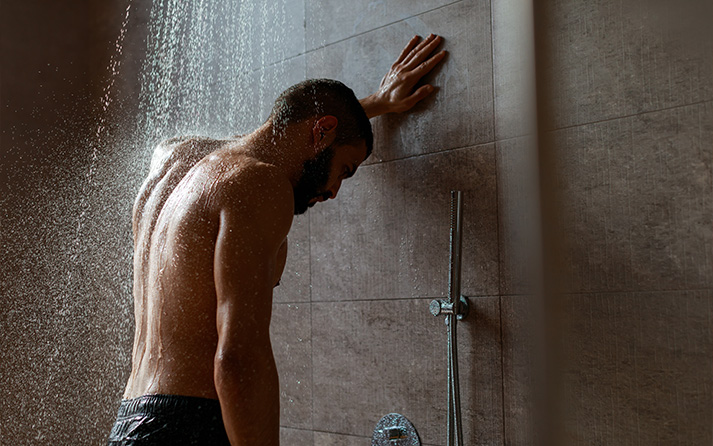
Cold shower health benefits are quite many. First, they are convenient and can be taken anywhere you want. And secondly, they are also a great option to unwind after a long, tiring day. Research shows that bathing 2 to 3 hours before bed can make you fall asleep quicker, improves sleep quality, and reduces wake up frequency.
Here are some of the benefits of cold showers:
Muscle Recovery
Cold showers help relieve muscle soreness and are great for muscle recovery after workouts. The drop in temperature slows blood flow and reduces swelling. It’s not as intense as an ice bath, but it works well after a regular workout.
Circulation Boost
Cold water makes your blood vessels tighten. When you warm up again, they expand. This helps blood move better through your body and sends oxygen to where it’s needed.
Sharper Mind
Cold hits your body fast. Your breathing changes, your heart rate jumps, and suddenly, you’re wide awake. That alert feeling? It sticks with you. Great for early mornings or long days.
Extra Perks
Cold showers tighten your skin and can reduce oil. Some people say their skin looks clearer and feels fresher. This is because cold water showers improve blood circulation, reduce inflammation in the body, and give you a natural glow.
They might also help your immune system. Cold exposure can trigger more white blood cells, which fight off illness.
Feeling low? A cold shower might help. It pushes your body to release endorphins. That can lift your mood and lower stress.
Benefits of Ice Baths
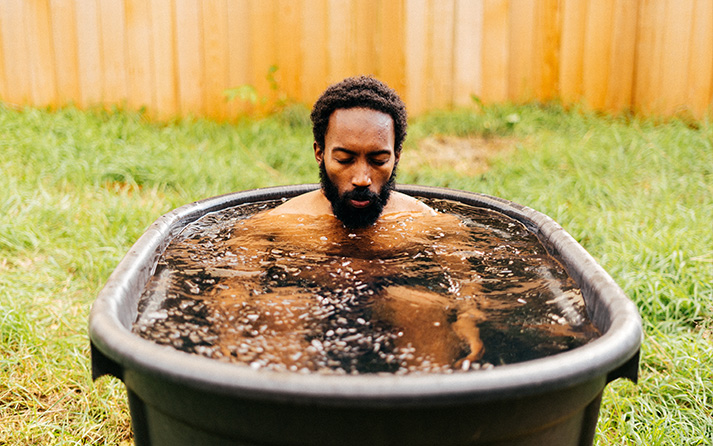
Cold water immersion therapy is great for days when you have got plenty of time to get in the tub. Ice bath recovery is great for athletes and sports enthusiasts on days when they are following active recovery protocol. Following are some of the amazing benefits of taking ice baths:
Deeper Muscle Recovery
Ice baths go beyond the surface. The cold slows blood flow and reduces inflammation fast. It helps flush waste from the muscles. That means less soreness the next day. It’s a go-to for heavy training or back-to-back workouts.
Better Recovery = Better Performance
Athletes use ice baths to bounce back quicker. When recovery is faster, performance gets better. Less downtime. More training. It helps with endurance, power, and overall readiness. That’s why you see pros in ice tubs after big games or intense sessions.
Boosted Metabolism
Sitting in cold water forces your body to work harder to stay warm. That means a rise in your metabolic rate. Some studies suggest it may support fat loss over time. Cold exposure can also activate brown fat, which helps burn calories.
Stronger Mindset
Ice baths are tough. They test your limits. Getting through it builds mental grit. You learn to control your breathing, stay calm, and push through discomfort. That mindset carries over into training—and life.
It also helps you reset after hard days. Many people say they feel clearer and calmer after a soak. The cold can help reduce stress and lift your mood.
Related article: Best Practices for Boxing Injury Recovery: Tips to Heal Faster & Prevent Future Injuries
Comparing Cold Showers and Ice Baths for Recovery
Below, we have made a comparison to understand which works better: ice bath recovery or cold showers.
Muscle Recovery
Both help ease soreness. Ice baths are stronger. The colder temp fights inflammation fast. It flushes out lactic acid and calms the body down. Ideal for intense workouts. Cold showers still work, but they’re gentler. Good for mild recovery or daily use.
Ease of Use
Cold showers are simple. No setup, no cost. You can do them anytime. Great for busy routines. Ice baths take more effort. You need a tub, lots of ice, and time. Not practical for everyone. But serious athletes often say it’s worth it.
Lasting Effects
Ice baths give longer relief. The cold hits deeper and slows muscle fatigue. You’ll likely feel better for the rest of the day—or even the next. Cold showers offer quick results. They refresh you but don’t last as long.
The Verdict?
Both methods work. Cold showers are great for quick, easy recovery. Ice baths are better for serious training days. Choose what fits your lifestyle and your body’s needs.
Related article: Protein-Packed Meals for Muscle Growth: Top Recipes for Strength and Recovery
Cold Water Therapy Pros and Cons

Here is a detailed breakdown of cold water therapy pros and cons:
What’s Good About Cold Showers?
Cold showers have a lot to offer. Cold shower health benefits are great for easing muscle soreness and improving circulation. They’re also a quick way to wake up and boost energy. Plus, they’re free and easy to do. You don’t need anything special. Just hop in and feel refreshed.
Why Ice Baths Work
Now, the benefits of taking ice baths go a step further. They’re perfect after intense training. Ice baths reduce inflammation fast and speed up muscle recovery. They’re a game-changer for athletes who need to recover quickly. The cold shock also helps with stress relief and mental clarity.
The Downsides of Cold Water
Cold water therapy isn’t perfect. Cold shower health benefits are good, but showers can still feel uncomfortable, especially when it’s freezing outside. Ice baths are tougher. They’re not for everyone. Staying in ice too long can lead to hypothermia, and they’re costly. You need ice and time to set up.
When Should You Pick a Cold Shower?
Cold showers are your go-to for quick recovery after light exercise. They’re simple and refreshing. You don’t need to worry about anything. It’s fast and effective.
When to Go for an Ice Bath
If you’ve pushed your body hard and need deep recovery, go for an ice bath. It’s intense, but it’s worth it for faster muscle recovery and better performance.
Conclusion: Which is Better for Recovery?
Cold showers and ice baths are great ways to relax the body and maximize muscle recovery. Cold showers can help to reduce inflammation and soreness immediately after a workout. All you have to make sure is that your gym has access to ice cold water to reap out maximum benefits.
Ice baths are a great way for full-body immersion, and hence, they are a good way to relax the muscles in the entire body. The ice-cold water helps in improving athletic performance and builds mental resilience as you have to sit in cold water for some time.
When discussing cold showers vs. ice baths, then it is safe to say ice baths are more effective and suitable for muscle recovery and improving athletic performance. While cold showers are great for immediate relaxation and lowering the temperature after a workout.
The basic differences between these two recovery methods is accessibility and convenience. If you don’t have access to ice baths, then it is better to go for a cold shower rather than not doing it altogether.
Read More
- High-Density Foam Rollers for Muscle Recovery: Benefits, Techniques and Top Picks
- Stretching Techniques for Faster Muscle Recovery: Best Practices & Benefits
- Best Practices for Recovery After Weightlifting: Faster Muscle Repair & Strength Gains
- The Importance of Sleep in Recovery: Best Practices for Faster Healing