




How is that for a reality check? From traditional cotton wraps to elastic stretch options and gel-cushioned types, each one fits a different need. We’ll guide you through picking the best boxing wraps for your goals, hands, and training level. Let’s delve into it and find your perfect match.
Why Boxing Hand Wraps Are Essential
Have you ever wondered what keeps pro boxers punching without snapping bones? It isn’t just gloves. Let’s delve into the real deal behind hand wraps. These things do more than just look pro. They save your hands, boost your grip, and keep your wrists from buckling. If you’re not wrapping up, you’re setting yourself up.
Protecting Bones and Joints
Throw a solid jab, and all that force runs right through your hand. Now picture doing that over and over, bare. Not smart. Boxing hand wraps add that extra buffer your bones and ligaments need. They hold things together, cut down the shake, and stop small injuries before they get worse. Every punch deserves backup.
Extra Wrist and Thumb Support
When your wrist bends wrong mid-swing, that’s how bad days start. Wraps hold it steady. And thumbs? They’re not just tagging along. Wraps help lock them in, too. That added control makes a huge difference, especially during fast combos. A solid wrap gives your hands the backup they need when you go all in.
Compression That Matters
What if your wraps did more than protect? That gentle squeeze you feel? It’s compression at work. It keeps blood flowing and swelling down, especially during long training. Feels good, too. Instead of feeling puffed up after rounds, your hands stay tighter and more alive. Think less bruising, quicker bounce back, and more control.
Stability for Wrist Injury Prevention
You throw heavy? Then your wrist better be ready. That’s why many fighters swear by the best boxing wrist wraps they can find. They hold things in place when the force gets intense. Training on a heavy bag or doing mitt work? Wraps help keep the wrist locked in so injuries stay out.
Improved Grip and Glove Control
Ever had your glove shift mid-round? Annoying, right? Wraps fix that. With boxing hand wraps, your hand fits snug inside the glove. No slipping, no sliding. Just pure grip. That steady fit gives you cleaner punches and more control over every move. It’s like having your gloves custom-fit every time.
Types of Boxing Hand Wraps


Not all wraps are the same, and trust me, choosing wrong can mess up your training flow. Let’s delve into the five main types of boxing wraps out there. Whether you’re into that snug cotton feel or need quick Velcro speed, there’s a wrap style that fits your hands, your gloves, and your game.
Traditional Cotton Wraps
The classic. Old-school fighters swear by these. A boxing wrap made of cotton gives a firm, breathable fit that doesn’t stretch much but holds everything tight. Easy to wash, long-lasting, and perfect for training or sparring. If you want no-fuss, reliable hand support with real grip, cotton wraps won’t let you down.
Elastic Hand Wraps
Some fighters like a tighter feel. Elastic wraps stretch better, hugging your hands more snugly without cutting off blood. That little give helps adjust the fit, especially during long rounds. If you want your wrap to move with you a bit, elastic versions might just be your perfect match.
Gel Padded Hand Wraps
These are part padding, part convenience. You just slip them on and go. They’ve got built-in gel to cover your knuckles and some wraps for the wrist, too. Quick to wear, easy to clean, and pretty solid for light training. Just don’t expect them to replace a full traditional wrap during heavy sparring.
Mexican-Style Hand Wraps
Imagine cotton but with a stretch. That’s what these offer. They’re flexible and snug, kinda like a mix between cotton and elastic. You get solid support without feeling stiff. Many fighters love them because they adjust well without needing to be rewrapped mid-round. A favorite among pros who want real grip and feel.
Quick-Wrap Gloves
Don’t want to spend five minutes wrapping? These are for you. Velcro straps make it easy to slide on and lock tight in seconds. They save time and still give as good wrist and knuckle support like any other wraps. Quick wraps are smart if you’re short on patience but still care about protection. Every boxer wraps.
Related Article: The Importance of Hand Wraps for Boxing Fitness
How to Choose the Best Boxing Hand Wraps for Your Needs
You’ve got options, but how do you pick what suits your style? Let’s dive in. From material to length and even padding, every choice affects how your hands feel after ten rounds. Picking wrong? That’s sore knuckles and bruised wrists. But make the right call and you’ll be punching sharper, faster, and safer. Let’s break it down.
Choosing the Right Material
Material matters more than you think. Cotton is snug and breathable, while elastic gives you flexibility that moves with every jab. Gel? That’s an extra cushion, perfect if your hands are sore or already healing. Still wondering what boxers wrap their hands with? It’s whatever gives them confidence and comfort in the ring. You have to test and feel.
Wrap Length and What It Means
Length isn’t just a number. A 180-inch wrap gives you full coverage, ideal for sparring and pro sessions. 120-inch wraps work for small hands or light drills. More length means more loops, more layers, and more support. If you throw heavy punches or wrap slowly, go long. If you want quick, light hands, shorter wraps do the trick.
Width and Workout Type
Wider wraps mean more coverage. Simple. They protect a broader area across your knuckles and wrists. But thinner ones wrap faster and feel lighter. If you’re into speed drills or cardio boxing, slim wraps help. For bag work or sparring, wide ones are better. Think about what kind of boxing session you’re into before grabbing just any size.
When Padding Becomes a Priority
Your knuckles hate repeated impact. If you’ve got bruises or just want to avoid them, look for padded wraps or gel options. They take the sting out of punches and let you train longer. Padding is smart, especially for beginners who don’t throw perfect punches yet. No shame in adding a little cushion to stay in the game.
Get the Right Fit, Not a Tight Fight
Snug is good. Circulation cut-off? Not good. Your hand wraps should feel secure but still allow you to move your fingers easily. Check how it feels under gloves too. The best hand wraps for boxing let your hand breathe, flex, and punch without slipping. If it feels too loose or too tight, trust your hands. They always know.


How to Properly Wrap Your Hands for Boxing
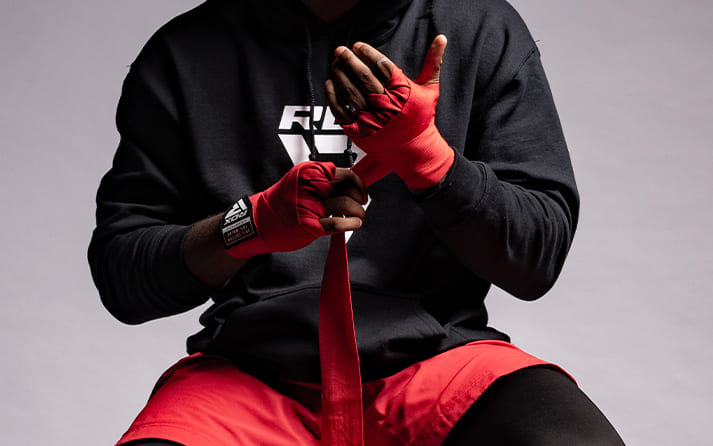
Mess this up, and your gloves won’t save you. A clean wrap keeps your fists secure and your wrist aligned with every strike. It isn’t hard once you learn the sequence. Whether you’re using a boxing wrap or hand bandages for boxing, getting it right means punching with power, minus the pain. Let’s go step by step.
Start with the Thumb Loop
Loop it; don’t twist it. Begin by placing the loop around your thumb, then cross over the back of your hand. From there, go around the wrist a few times to lock in a base. This sets the stage for everything that follows. A loose start here means the rest of the wrap won’t stay put mid-round.
Wrapping the Knuckles
Time to pad those bones. Begin at the base of the fingers and roll over the knuckles in figure-eight motions. Three passes are usually enough. Too many? Your glove won’t fit. Too few? You’ll feel every punch. Good wrap covers those sharp angles without bunching. This is where your hand bandages for boxing truly earn their value.
Adding Wrist Support
Strong wrist, strong punch. Wrap your wrist tight enough to keep it straight during impact but not so tight that you lose feeling. Hit your wrist from a few angles and lock in the support. Whether it’s shadowboxing or smashing bags, supported wrists absorb way more force and stop those unwanted bends and strains.
Securing and Finishing the Wrap
End things clean. Once you’ve layered over your knuckles and wrist, pull the wrap down and seal it close to the wrist. No loose ends. Nothing flapping. You should feel compression, not cutting. If you’re using a Velcro-based boxing wrap, double check it’s holding up. A tight, smooth finish keeps everything locked when sweat starts dripping.
Extra Tips for a Solid Wrap
Don’t rush. Make sure wraps feel even. Tight wraps on fingers lead to numbness and less control. Also, avoid folds or creases. They cause pressure points once gloves are on. Using gel wraps? Make sure they fit inside without shifting. One last thing: unwrap slowly after training. That’s how you spot wrap errors and avoid repeat mistakes.
Related Article: How to Use Boxing Hand Wraps: For Beginners
Best Boxing Hand Wraps for Beginners
Just getting into boxing? Don’t sweat the wrap game. This section is all about helping beginners pick the right hand wraps that are easy, comfy, and actually useful. Let’s delve into the wrap length, the best material for newbies, and which ones won’t stress you out before a punch even lands.
Easy Options That Work
If you’re just starting out, elastic wraps or quick-wrap gloves will make your life way easier. These are super simple to put on and often have Velcro, so no fussy winding is needed. You won’t feel stuck with learning how to wrap from day one. These types are often considered the best boxing hand wraps for complete newbies.
Find Comfort, Not Complication
Early on, comfort is key. You want hand wraps that give wrist support but don’t choke your hand. Mexican-style wraps are a beginner favorite because they’re stretchy and adjust to your hand shape. You won’t get that stiff, bulky feel, and your hands will still stay aligned through every jab and cross.
Materials Made for Newbies
New boxers should look at cotton or elastic wraps. These materials are easy to handle, soft on the skin, and give decent support. They’re not too fancy, not too technical—just right. Cotton lasts longer, and elastic gives you a snug grip. Both are solid picks if you’re stepping into boxing for the first time.
Start Short, Then Build Up
If long wraps confuse you, try 120-inch ones first. They’re lighter, easier to manage, and perfect for drills or light sparring. Once you get the hang of wrapping, shift to 180-inch wraps for full wrist and knuckle coverage. These offer more protection and are often seen as the best boxing wrist wraps for long-term use.
Comparing Boxing Hand Wraps to Other Hand Protection Options
Not all hand protection works the same way. Whether you’re new or leveling up, knowing how boxing handwraps stack up against other options helps you choose what suits your training. From gloves to gel wraps to wrist-specific supports, here’s what makes each one different—and why wraps still matter most.
Boxing Gloves vs Hand Wraps
Boxing gloves cushion your hands from impact, but they don’t stabilize your wrist or keep your knuckles tight. That’s where boxing handwraps come in. They fill in the gaps, giving your wrist and fingers extra reinforcement. Wraps also help the gloves fit better and prevent slipping, especially during long bag sessions or sparring rounds.
Gel Wraps: More Padding, Less Flex
Gel wraps are a shortcut to protection. They slide on quickly and have built-in knuckle padding, ideal for people recovering from injury. But they’re bulkier and don’t mold as well to your hand shape. Traditional wraps still offer better flexibility and feel, which most boxers prefer for technique and control.
What Wrist Wraps Can (and Can’t) Do
Wrist wraps are great when you need extra stability for the joint alone. But they don’t protect your knuckles or the back of your hand. That’s why serious boxers often use full hand bandages for boxing instead. You get complete coverage, not just one part of the equation.
Conclusion
The right-hand wraps can make a big difference in how you train. The best boxing wraps give solid support and keep your hands feeling safe, no matter how hard you hit. Some boxers go for gel; others prefer classic cotton. What matters most is comfort and protection. Try different styles until you find the boxer hand wrap that works best for you and your routine.