



But they aren’t the same. Some build power. Some boost speed. Some sharpen precision. You need the one that fits your goals.
Size matters. Weight matters. Skill level matters. If you’re a beginner, don’t train like a pro. If you’re a striker, don’t punch a flimsy bag.
This guide breaks it down. No fluff. Just real talk to help you train smarter. Let’s go
Understanding Different Types of Punching Bags
Punching bags are indispensable for training, but there are different options on the market. If you know what they are for and their purpose, you’ll easily pick the right one for your training needs.
Heavy Bag
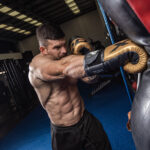
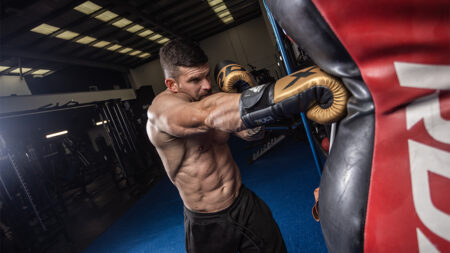
The go-to for power and endurance. It builds strength, conditions your body, and teaches you how to throw solid punches. If you want knockout force, this is your bag. Go for a weight about half your body weight for the best resistance.
Freestanding Bag
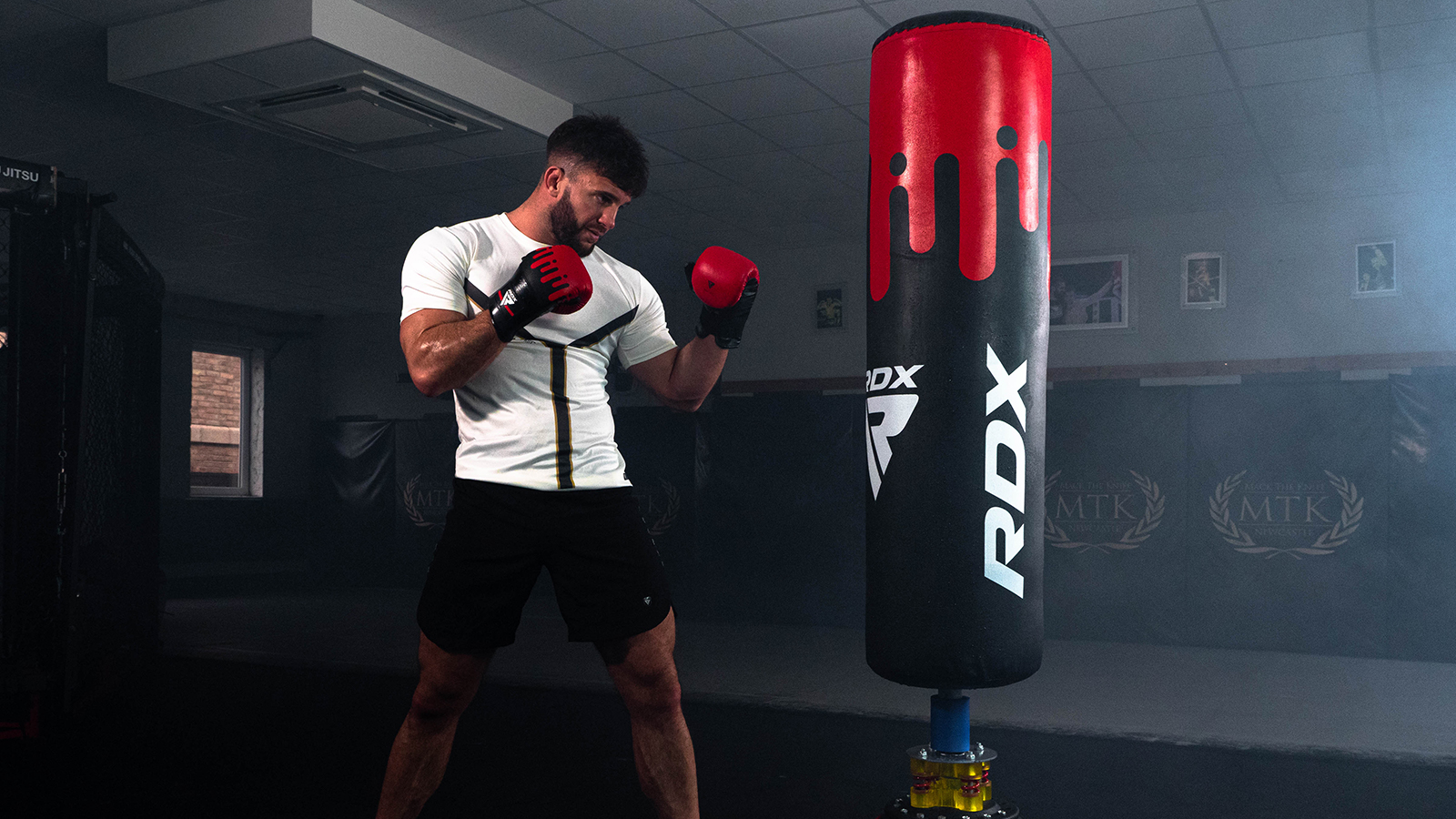
Short on space? You need a free standing punching bag for training. No need to hang it—just place it anywhere. It’s great for home workouts, cardio drills, and practicing kicks. But remember that it moves more than a hanging bag, so it’s not ideal for power training.
Speed Bag
Want faster Punches? This bag sharpens reflexes, rhythm, and hand-eye coordination. It rebounds fast, forcing you to stay sharp. It is perfect for boxers who rely on speed and timing. Keep your hands up and stay light on your feet—it’s all about flow.
Double-End Bag
This bag fights back. It moves unpredictably, forcing you to dodge, counter, and improve accuracy. This bag is great for sharpening defense and landing clean shots. Add this to your routine if you want to train like a pro.
Uppercut Bag
Hooks and uppercuts need a different angle. A standard heavy bag won’t cut it. This bag lets you throw powerful close-range shots without awkward positioning. It is perfect for fighters who want to dominate inside the pocket.
Related Article – The Ultimate Guide to Freestanding Punching Bags for Home Boxing: Top Picks and Benefits
Choosing the Right Punching Bag Size Guide & Weight
Size and weight matter. Too light, and the bag swings all over the place. Too heavy, and you won’t get the right feedback. Pick smart, and your training gets way better.
How Heavy Should Your Bag Be?
A simple rule: your bag should be about half your body weight.
- 100-150 lbs → Built for heavy hitters and serious power training.
- 70-100 lbs → Great for most fighters. Heavy enough to build strength but still moves for good footwork.
- 40-70 lbs → This is perfect for beginners. It offers less resistance, more control, and is easier on the joints.
What Size Works for You?
- Beginners → A shorter, lighter bag (3-4 ft, 40-70 lbs). Less impact, easier combos.
- Experienced Fighters → A full-sized bag (5-6 ft, 100+ lbs). More weight, more resistance, better conditioning.
- Kickboxers & Muay Thai Fighters → A taller bag (6 ft+) so you can also work on kicks, knees, and elbows.
Why Weight & Size Matter
The weight of your punching bag for training isn’t just hollow weight. It has a particular purpose. This is why you need to consider the weight of your bag and match it with the purpose of your training.
A heavier bag = more resistance, more power, more endurance.
A lighter bag = more movement, better speed, better footwork.
Related Article – Training Like a Champion with RDX Punching Bags and Gloves
Best Punching Bag for Home Use
Training at home? Space is the most important factor. You will need a bag that fits without disrupting your workout area. But you also need one that helps you train right.
Let’s break it down.
Hanging vs. Freestanding: Which One’s Better?
- Hanging Bags → These are great for serious fighters. They absorb punches well, give a more realistic feel, and swing just enough to improve footwork. But they need a solid ceiling mount or a stand, so ensure you have space. If you go for a stand, check that it’s sturdy enough to handle powerful shots.
- Freestanding Bags → No drilling, no setup hassle. Just place it where you want and start training. These are perfect for home gyms, apartments, or small spaces. But remember, they move more when hit, so they’re better for speed and endurance than raw power.
Best Options for Small Spaces
- Freestanding Bags → Ideal for those who can’t hang a bag. Many come with adjustable heights, making them great for different users. Look for a weighted base that keeps it stable.
- Wall-Mounted Bags → These take up minimal space while letting you work on precision and technique. They are great for compact training areas.
- Heavy Bags with a Stand → If you want an actual heavy bag but can’t hang one, this is the best alternative. Just make sure you have enough floor space to move around it.
Material & Durability: What to Look For
A punching bag for training takes a beating. The right material keeps it strong. The wrong one wears out fast, and your investment will be ruined.
Let’s check out some details about materials that make up a good bag:
Leather vs. Synthetic
- Leather Bags → The gold standard. Soft feel, tough build, and lasts for years. But they cost more and need care to stay in top shape.
- Synthetic Bags (Vinyl, PU, or Canvas) → More affordable and easier to clean. They handle moisture better, making them great for humid spaces. But they don’t feel as natural as leather and may wear out faster.
What’s Inside Matters
- Sand → It is Heavy and firm, great for power training, but it settles over time, making the bag uneven.
- Water → Absorbs shock well, reducing stress on joints. Feels more like hitting a real opponent.
- Foam → Evenly distributed weight, softer impact. It is the best punching bag for boxing for beginners or those recovering from injuries.
Make It Last
- Keep it dry. Moisture ruins both leather and synthetic bags.
- Check for leaks if you have a water-filled bag.
- Rotate the bag if it’s filled with sand or fabric to prevent uneven wear.
- Use proper gloves—bare knuckles can tear up the surface faster.
Pick the right bag, take care of it, and train for years and years and years.
Punching Bag Workout at Home: Training Tips
Got your punching bag training? Now it’s time to put in the work. A good workout builds power, speed, and endurance. But bad form? That leads to injuries.
Here’s how to train right.
Beginner Routine (3 Rounds x 2 Min)
- Jab-Cross (1 min) – Focus on clean punches. Stay light on your feet.
- Basic Combos (1 min) – Mix jabs, crosses, and hooks. Keep moving.
- Rest (30 sec) – Breathe, reset, and go again.
Advanced Routine (5 Rounds x 3 Min)
- Power Punches (1 min) – Throw hard shots with full extension.
- Speed Drill (1 min) – Rapid punches nonstop. No breaks.
- Defense Work (1 min) – Move around the bag, slip, roll, and counter.
Drills to Level Up
- Power → Throw single hard punches with full body rotation.
- Speed → 30-sec nonstop punches. Stay quick, stay sharp.
- Accuracy → Pick a target (like tape on the bag) and hit it clean every time.
Home Setup & Safety Tips
- Secure Your Bag → Hanging bags need a strong mount. Freestanding ones need a stable base.
- Use Hand Wraps & Gloves → Protect your hands. No exceptions.
- Maintain Distance → Don’t stand too close. Give room for movement and reaction.
Budget & Brand Considerations: Why RDX Punching Bags?
A good punching bag is an investment. Cheap ones wear out fast. Premium ones last, but they can cost a lot. RDX gives you the best of both—quality and affordability.
Affordable vs. Premium: What’s the Difference?
- Cheap Bags → Low-cost materials, weak stitching, and uneven filling. They might work for light training but don’t expect them to last.
- Premium Bags → Stronger materials, better shock absorption, and long-term durability. Built for real training, not just casual workouts.
Why Choose RDX?
RDX punching bags are made for fighters. Whether you’re a beginner or a pro, you have an option.
- Durable Materials → High-quality leather and synthetic options built to handle heavy strikes.
- Perfect Fill → Evenly packed for the right firmness and impact absorption balance.
- Reinforced Stitching → No weak seams. There is no tearing after a few hard sessions.
- Complete Sets → Many come with chains, gloves, and wraps—everything you need to start training.
Where to Buy?
For the best deals, buy directly from RDX Sports online. You’ll get guaranteed quality, solid warranties, and bundle offers. Avoid random cheap knock-offs—real fighters need real gear.
Want a punching bag that lasts? Go with RDX. Train harder, hit stronger, and level up your game.
Conclusion
The right punching bag improves training. Pick one that matches your goals, space, and skill level. Heavy bags build power. Speed bags sharpen reflexes. Freestanding bags fit in small spaces. Size and weight matter, too—go too light, and it swings too much; too heavy, and it’s tough on joints.
A good bag lasts. Cheap ones don’t. RDX Sports bags are tough, well-built, and ready for real training. If you’re serious about boxing or fitness, invest in quality.