




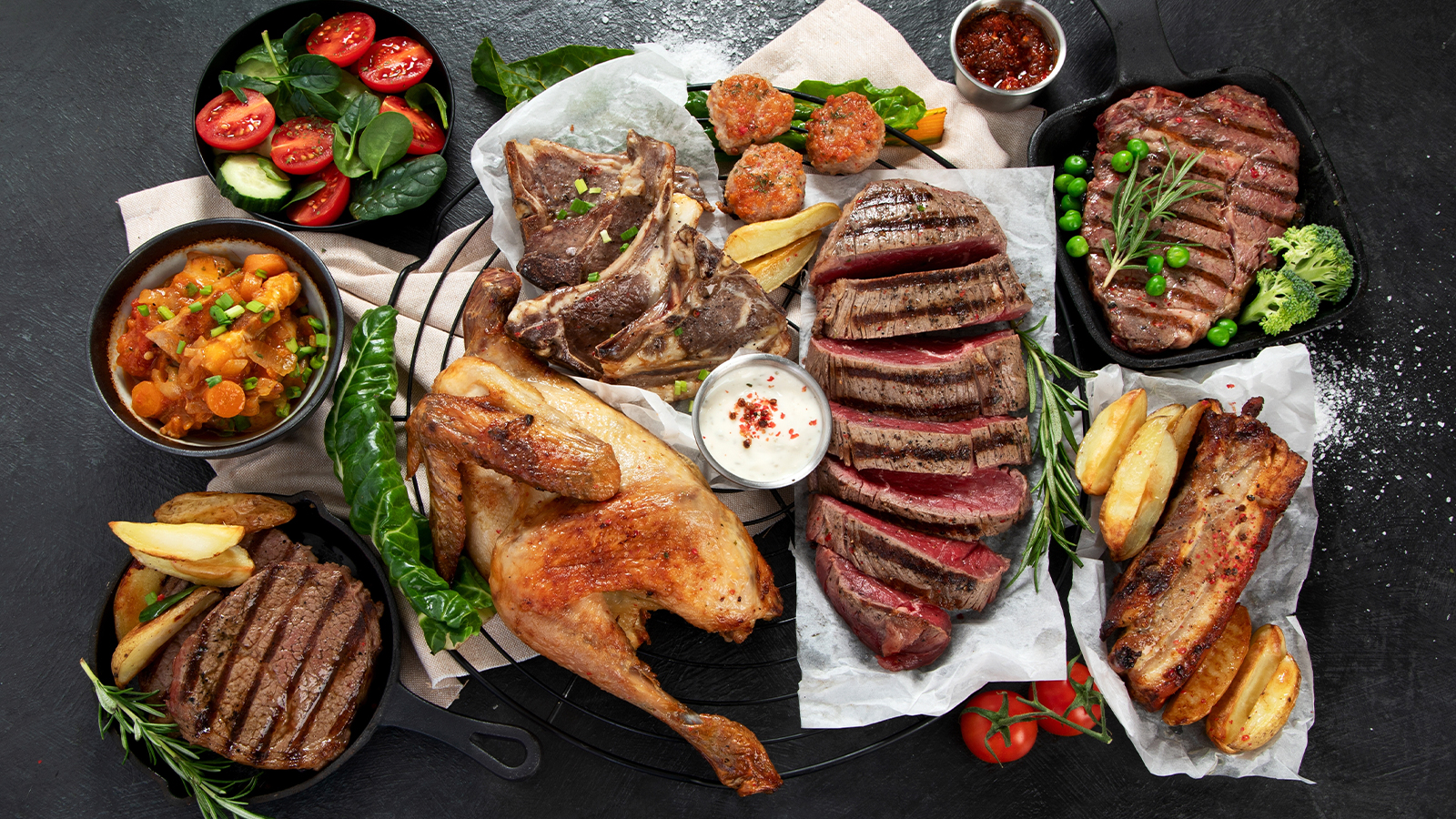
While many supporters believe it can help with weight loss, better digestion, and clearer thinking. Others caution that such a restrictive approach may cause nutritional gaps over time.
And even though there are strong opinions associated with this diet, it still continues to grab attention. Before you think to give it a try, read this blog to understand what the carnivore diet involves, and how it works.
What is the Carnivore Diet?
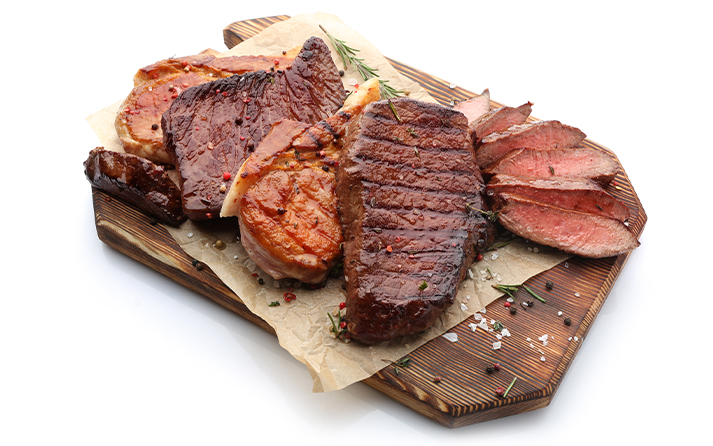
Understanding what is the carnivore diet begins with knowing exactly what’s on the menu and what isn’t. At its core, this diet is entirely based on animal products. The diet has good servings of beef, chicken, pork, fish and eggs. Any type of food that comes from animal sources can be included in this diet.
All plant-based foods are off the table. That means no fruits, no veg, no grains or pulses. And in stricter versions, even milk and soft cheeses are ruled out. The focus is sharp, foods that come directly from animals, with no added sugars, fibres, or preservatives.
For beginners, the carnivore diet needs a simple but consistent mindset. Meals revolve around fatty meat, fish, eggs, and now and then, organ meats. You eat when you’re hungry, usually two to three meals per day. No need to clock-watch. But hydration is non-negotiable. Cutting plant foods can mess with fluid balance, so water and electrolytes matter.
Planning meals gets easier with time. For example, your day can start with eggs, with fish for lunch and beef steak for dinner. Organ meats once or twice a week help with micronutrients. The key? Keep it simple. Stick with animal foods. Let the routine do the rest
Related article: How Important is Protein Timing for Muscle Growth? Science-Backed Insights
The Carnivore Diet Meal Plan
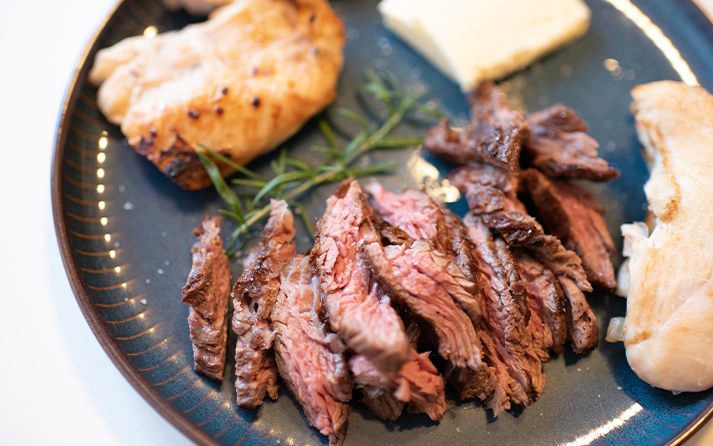
Carnivore Diet Meal Plan for Beginners
The carnivore diet meal plan for beginners focuses on easing out the process. As for some, eating in a completely different way can sometimes feel overwhelming. Start with this easy carnivore diet plan for good results:
Day 1:
- Breakfast: Scrambled eggs cooked in butter
- Lunch: Grilled ribeye steak
- Dinner: Baked chicken thighs with skin
Day 2:
- Breakfast: Fried eggs and bacon
- Lunch: Roast beef slices
- Dinner: Pan-seared salmon
Day 3:
- Breakfast: Omelet with cheddar cheese
- Lunch: Grilled pork chops
- Dinner: Ground beef patties
The portion sizes in this diet should not depend on hunger but rather on your BMR. Other than that, you can also adjust the size according to your appetite, if needed. Make sure that you are staying hydrated properly when following this diet.
30 Day Carnivore Diet Meal Plan
A longer 30 day carnivore diet meal plan brings more variety to keep meals enjoyable without straying from the core foods. Here’s a simple week-by-week idea:
Week 1:
Focus on beef, including steaks, ground beef, and roasts cooked by grilling, pan-searing, or broiling.
Week 2:
Add chicken, turkey, and pork. Try roasting or baking to create variety in texture and flavor.
Week 3:
Incorporate more seafood like salmon, sardines, and shrimp. Mix in lamb chops and different cuts of beef.
Week 4:
Include organ meats such as liver once or twice, along with your regular choices of beef, chicken, and fish.
Make your carnivore diet plan by planning your meals in advance. Get all the ingredients so that you know what you are having next.
Carnivore Diet Benefits
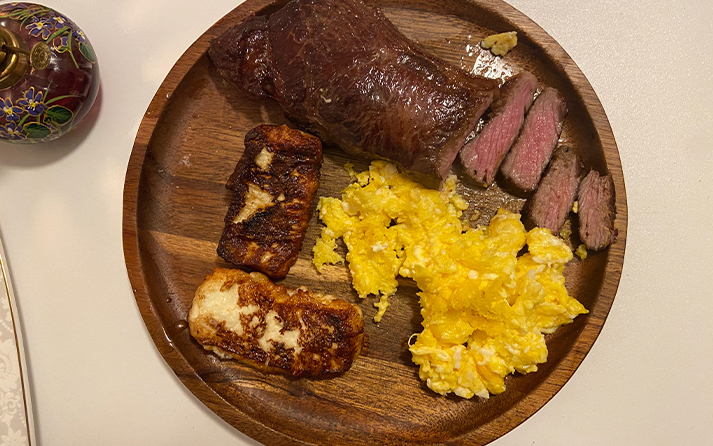
The carnivore diet has become a talking point for people wanting results without the guesswork. It’s simple, strict, and for some, surprisingly effective. While it might not work for everyone, carnivore diet benefits are quite a lot.
The carnivore diet weight loss works, and that too for everyone. With no carbs and plenty of protein, your body switches to burning fat for energy. That alone can help shift the scales. Eating a high-protein diet keeps your hunger levels in check and curbs your cravings. This can instantly help you to remove unnecessary snacks between meals. With carnivore diet weight loss, you can manage your food cravings easily, keeping all junk and sweets at a distance.
Many also report improved mental clarity and energy. It sounds odd at first, cut out all plants and feel sharper? But countless people say they feel more focused, less foggy, and experience fewer energy crashes during the day. The idea is that stable blood sugar levels, driven by a high-fat, low-carb intake, help the brain stay more alert.
People with autoimmune diseases and inflammation can also benefit from a carnivore diet. As you remove all processed foods, sugars, carbs, and some plant compounds, your body feels at ease and reduces inflammation. It is extremely beneficial for people with chronic pain or arthritis.
Then there’s better digestion, for some, at least. People with IBS or frequent bloating sometimes find that removing fibre actually calms things down. Without rough plant material to process, the gut can focus on digesting protein and fat, which are easier on the system for certain individuals. Less fibre means less gas, less discomfort, and in some cases, a more predictable digestive routine.
Carnivore Diet Side Effects
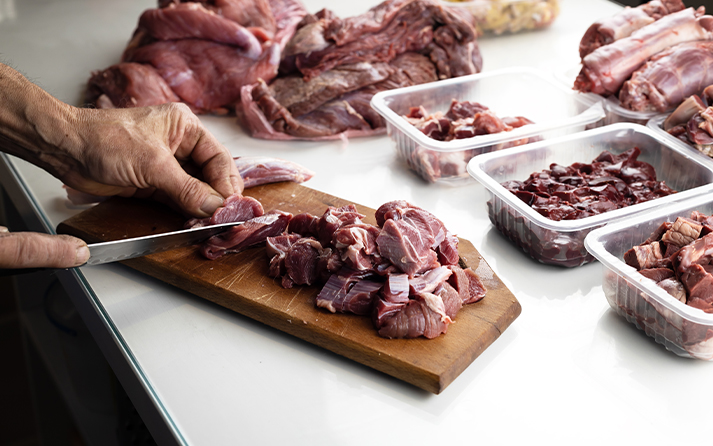
The carnivore diet has its share of side effects, especially when you first switch to eating only meat. Below are some carnivore diet side effects:
A big concern in this diet is micronutrient deficiency as you are removing all plants from your diet. And hence deficiencies like Vitamin C, K, and antioxidants can arise. The nutrients have important roles in maintaining body health, and missing out on them can affect health.
Many people also face digestive issues when starting the diet. Without fiber, some find themselves dealing with constipation or stomach discomfort. Your gut bacteria rely on plant fiber to stay balanced, so going zero-plant can shake things up. For others, though, removing plants eases issues like bloating or IBS symptoms.
Another concern is kidney health. A diet heavy in protein and fat puts extra work on your kidneys. If you already have kidney problems, this could be risky. Even healthy people should keep an eye on this, especially if the diet goes on for a long time.
Then there’s the dreaded “Carnivore flu”. This isn’t a real illness but a set of symptoms some people get in the first few weeks. Fatigue, mood swings, headaches, and irritability are common as your body adjusts to the new fuel source. These symptoms usually pass but can be tough to handle.
In short, the carnivore diet might offer benefits, but it’s not without challenges. Knowing the side effects helps you prepare and decide if this extreme diet fits your lifestyle and health goals. Always check with a healthcare professional before starting.
Related article: Unlocking High-Protein Diet: Benefits, Risks, and How to Succeed
Carnivore vs Keto Diet
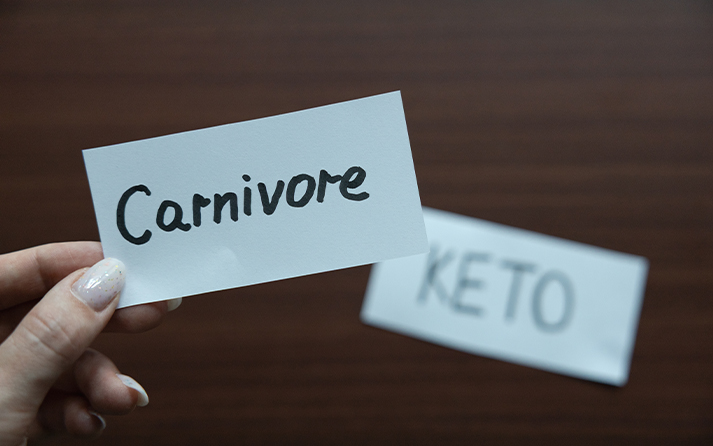
The carnivore vs keto diet are often a debate with many thinking they are same, but they’re quite different once you dig in. Both cut out carbs, both promote fat burning, but how they get there, and what you can eat, sets them apart.
The keto diet is high in fat, moderate in protein, and very low in carbs. It pushes your body into a state called ketosis, where fat becomes the main fuel source. You’re allowed plenty of food variety, avocados, nuts, leafy greens, berries, oils, cheese, the list goes on. It’s restrictive, but still includes a mix of animal and plant-based foods.
The carnivore diet, on the other hand, is far more extreme. No carbs, no plants, no compromise. It’s animal products only. Meat, fish, eggs, a bit of dairy if tolerated, that’s it. It’s all about protein and fat, with zero fibre or plant nutrients.
When it comes to weight loss, both diets can deliver. Keto relies on ketosis, which burns fat for energy. The carnivore diet doesn’t bother with tracking macros. Instead, it cuts out every high-carb trigger, limits food variety, and often reduces appetite. You feel full, eat less, and your insulin levels stay low, all of which can help shed weight.
So, while both diets share some common ground, they’re definitely not interchangeable. Keto offers more flexibility and nutritional balance. Carnivore is simpler but far more restrictive. What works best depends on your goals, lifestyle, and how your body responds to each approach.
Related article: How the Keto Diet Helps with Weight Loss: Benefits, Tips & Best Practices
Best Meats for Carnivore Diet
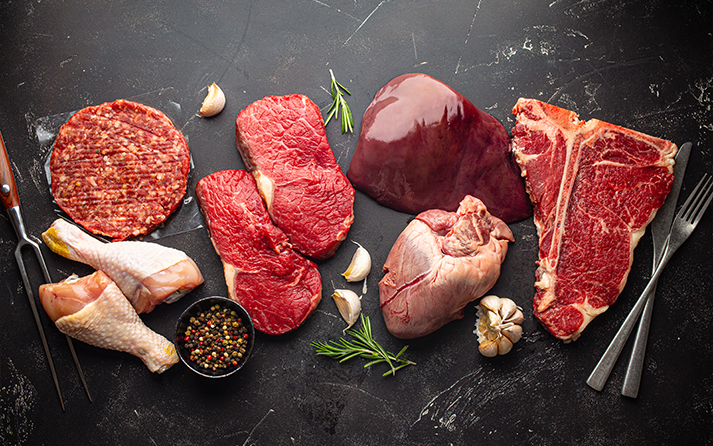
Not all meat is equal when it comes to the carnivore diet. Choosing the best meats for carnivore diet means finding the right cuts, as they can make a big difference in how you feel, how you perform, and whether you can stick with it for the long haul.
Start with fatty meats. Ribeye steak, brisket, pork belly, and lamb chops aren’t just tasty, they’re packed with energy. Since you’re cutting out carbs, fat becomes your main fuel source. These cuts help you stay full, energized, and satisfied throughout the day.
Balance is still important, though. Lean meats like chicken breast, turkey, and white fish add variety and prevent you from going overboard on fat. Mixing in lean cuts can make the diet feel less heavy and more manageable over time. It’s not just about steak for every meal, diversity matters, even on a meat-only plan.
And don’t skip organ meats. Liver, kidney, and heart may not be your usual picks, but they’re nutritional powerhouses. Rich in vitamins A, B12, iron, and other key nutrients, they help fill in the gaps a strict carnivore diet can create. They’re not just extras, they’re essential for long-term health.
Get the mix right, and the carnivore diet becomes more than just meat, it becomes sustainable.
Related article: Ultimate Guide to High-Protein Foods: What Does Protein Intake Really Look Like?
Carnivore Diet Results: What to Expect

In the first few weeks on the carnivore diet, people often notice quick changes. Some drop weight fast, mainly due to water loss and reduced carb intake. Energy levels may spike, and many report sharper focus and fewer cravings. Digestion can shift too, some feel lighter and less bloated, while others deal with constipation or changes in bowel habits.
But what happens long-term?
That’s where things get tricky. Sticking to just meat for months or years isn’t easy or cheap. You might miss out on fibre, antioxidants, and essential vitamins. High intake of red meat and saturated fat also raises questions about heart health and kidney strain. Gut health can suffer too, your good bacteria need variety, and plants play a big role in that.
In short, the carnivore diet results can be impressive at first. But the carnivore diet isn’t a one-size-fits-all solution. It may work wonders for some, but others might struggle with the limits and long-term risks. It’s bold, but it’s not without its downsides.
Carnivore Diet Recipes
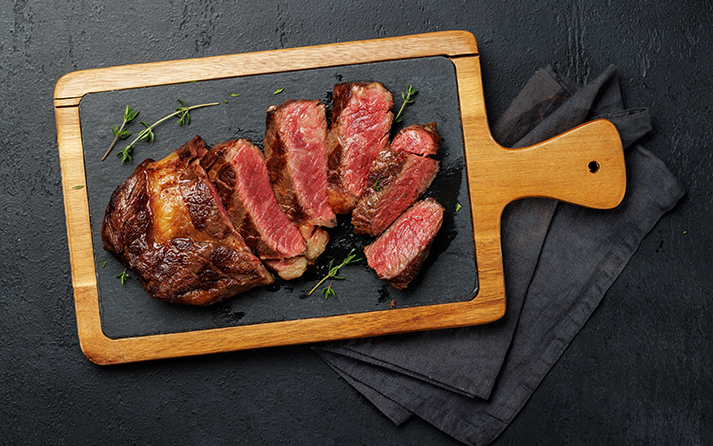
Keeping it simple is the key to sticking with the diet, and the carnivore diet recipes reflect just flavor and fuel.
Carnivore breakfast options? Start with scrambled eggs and crispy bacon. Or go for a meat-based frittata made with minced beef and a handful of cheddar. It’s filling, quick, and keeps you full all morning.
For lunch and dinner, grilled ribeye steak with a spoonful of rich bone marrow hits the spot. Or try a carnivore-friendly chilli, just minced beef, salt, and bone broth simmered slowly. Roasted chicken with a slab of pork belly is another go-to. Easy to prepare.
Need a quick snack? Beef jerky is a classic. Hard-boiled eggs work well too. Sardines straight from the tin might sound odd, but they’re packed with protein and omega-3s.
Related article: 30-Minute High-Protein Recipes: Quick, Easy, and Healthy Meal Ideas
Is the Carnivore Diet Actually Healthy?
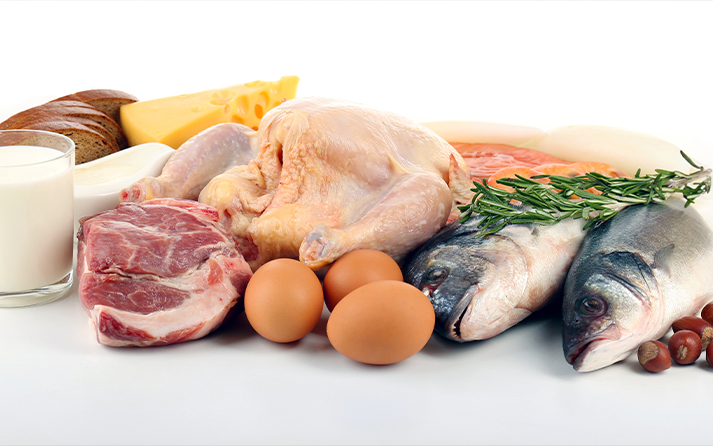
So, is the carnivore diet actually healthy? It depends. On the upside, many people see quick weight loss. Energy levels may shoot up. Focus can improve. Cutting out processed foods and sugar often feels like a reset. For some, especially those with autoimmune issues or gut problems, it can be a game-changer.
But there’s another side. Ditching all plants means missing out on important nutrients fibre, vitamins, and antioxidants. Over time, this could cause problems with digestion, heart health, or even mental wellbeing.
That’s why it’s smart to speak to a GP or nutritionist before jumping in. What works for one person could be risky for another.
Bottom line? The carnivore diet might suit people chasing short-term results or managing specific conditions. But long-term? It’s not for everyone. Go in with a clear plan, professional support, and an open mind. Health isn’t just about weight, it’s about balance, too.
Conclusion
The carnivore diet can offer some clear benefits: weight loss, fewer cravings, and even relief from inflammation for some. But it’s not without risks. Cutting out all plant foods may lead to nutrient gaps, digestive issues, or long-term health concerns if not managed carefully. It’s a diet with strong claims and mixed results.
So, before diving in, weigh up the pros and cons. Think about what your body actually needs, not just what’s trending. If you’re serious about trying it, speak to a healthcare professional first. Diet isn’t one-size-fits-all, especially when it’s this extreme. Make choices that serve you long-term.