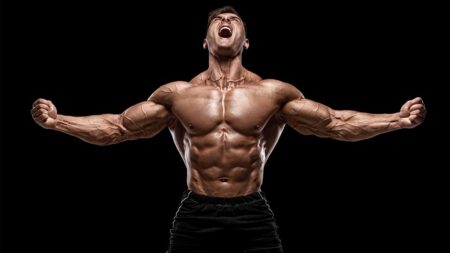




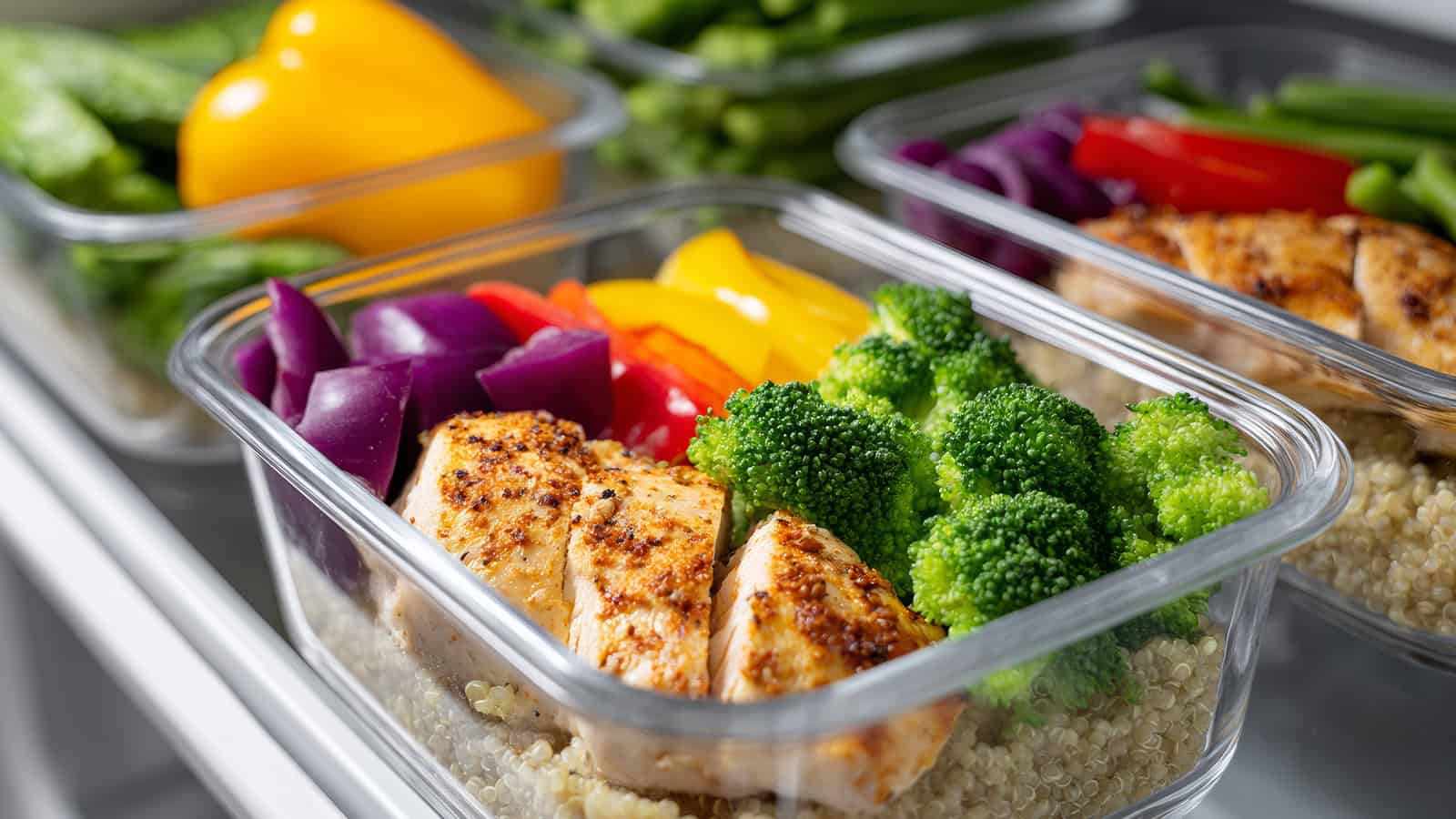
You want results. Size, shape, definition. But here’s the real kicker—bulking vs cutting confuses even the hardcore gym rats. Do you stuff your face to grow big, or strip down to lean first? Most lifters, especially in the early stages, bounce between both phases without a clear plan.
So what is bulking? It’s when you eat above maintenance and train heavy to build muscle mass. What is cutting? That’s when you drop calories, burn fat, and aim to hold onto every ounce of muscle you fought to gain.
Bulking vs Cutting: What’s the Difference?
Bulk first? Cut now? Or try to do both and end up spinning wheels? Bulking vs cutting is not just a diet choice. It’s the entire map for body transformation. They’re not rivals. They’re partners. Each one moves your body in a specific direction. Let’s define each one straight.
Bulking
It’s about building mass, eating to gain weight and training hard to add some size to that. The goal is muscle. Not just weight. You want to push strength and stack mass. Yes, some fat comes with it. But that’s the cost of real gains. The better your bulking diet, the cleaner mass you’ll carry. Cheat too often, and you’ll drown in fat.
Cutting
What is cutting? This is the phase where you eat in a calorie deficit to burn fat while holding on to the muscle you built. You train just as hard, but the scale drops. Definition kicks in. That’s when the bulk finally shows. A smart cutting diet keeps your energy up while your body sheds the fat layer. The goal is lean, not small.
Two Goals, One Transformation
Bulking vs cutting is not a one-time pick. They work together, just at different times. Bulk grows the engine. Cut reveals it. You rotate phases based on how you look, feel, and where you’re heading. You can’t cut forever. You can’t bulk endlessly. The trick is timing. Stack phases like bricks, and your body gets built for real.
Bulking Phase: Goals, Diet, and Training
Bulking is focused on adding muscle mass through a planned eating routine and progressive resistance training. The phase emphasises eating in a calorie surplus, lifting heavy, and improving recovery to maximise muscle growth over time.
Goals of Bulking
The main goal of bulking is muscle hypertrophy which means building size and strength. It allows athletes to push heavier loads, stimulate muscle fibres, and improve overall performance. Some fat gain may occur but the focus remains on lean muscle.
Diet and Training Approach
A bulking diet includes a calorie surplus with balanced macronutrients such as protein for repair, carbohydrates for energy, and fats for hormone support. Training centres on progressive overload, compound lifts, and consistent intensity. Recovery, quality sleep, and hydration ensure steady progress.
Related Article: Unlock the Powerful Benefits of Kickboxing: Weight Loss, Fitness, and More
The Cutting Phase: Goals, Diet, and Training
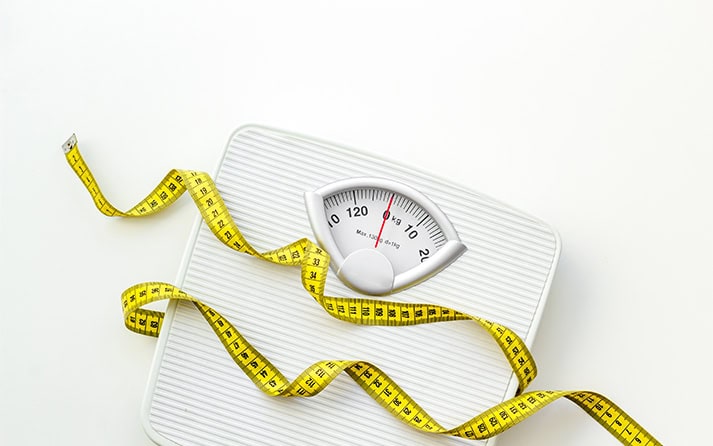
This is the part where you carve. The goal is to cut body fat without sacrificing the muscle underneath. This is not a crash diet. It is a controlled shift. You stay strong in the gym, drop your calories with care, and eat foods that fuel without storing fluff.
Drop Fat, Keep Muscle
Cutting is never just about losing weight. You want to lose fat, but not size, where it matters. That means lifting hard like you’re still in a bulk. If you train soft while eating less, your body lets go of both fat and muscle.
Calorie Deficit and Cardio
A smart calorie deficit for cutting is how fat loss starts. Eat slightly below maintenance. Not too low or your muscle pays the price. Add cardio or reps only if fat loss stalls. Every move should serve the goal of staying lean, not getting weak.
Master the Cutting Diet
Your cutting diet must be sharp. Go high on lean proteins, moderate on slow carbs, and light on fats. Eat for recovery and energy, not taste alone. Portion control matters more here than ever. No eyeballing. If your meals are not tracked, your cut turns sloppy fast.
What to Eat While Cutting
Your list of foods to eat while cutting should be tight. Grilled meats, boiled eggs, oats, berries, greens, and clean carbs like sweet potatoes or rice. Skip creamy, fried, or sugar-loaded foods. Keep meals simple, clean, and timed. Food is about getting sharp without falling apart.
Pros and Cons of Cutting
Cutting is where definition kicks in. You start to see the lines in your arms, the shape in your shoulders, and the split in your abs. But getting lean is not just about looking sharp. There is a cost. Less food means less energy. Push too hard and you risk losing the muscle you fought to build.
The Upside of Cutting
Cutting gives you that lean, dry look lifters chase. More veins, sharper muscle lines, tighter waist. You start to see all the hard work come through. With a tight calorie deficit for cutting and smart lifting, you finally look like you train as hard as you claim to.
The Downside of Cutting
Cutting gets brutal when it is rushed. Energy tanks, mood dips, and your strength fade if food gets too low. The worst part? Muscle loss. That happens when you cut too fast or stop training hard. That is why the pros and cons of cutting must be taken into account.
Bulking and Cutting Cycle: How It Works?
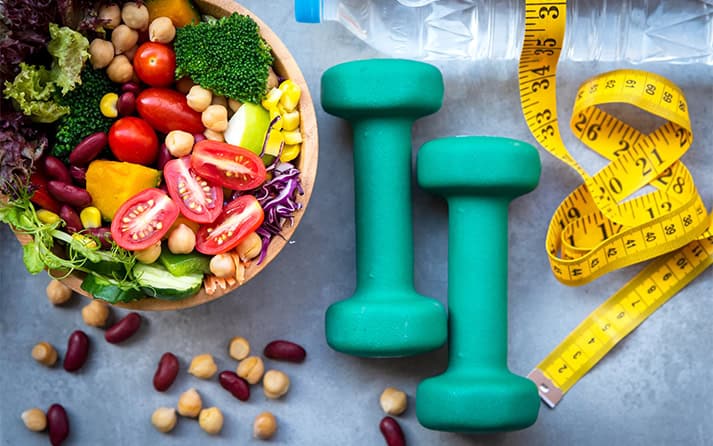
The bulking and cutting cycle is how most serious lifters shape their year. You push hard in one phase, then shift gears and strip back in the next. A bulk usually lasts 8 to 16 weeks, long enough to build size. Then comes the cut, just as long or longer. You rotate with purpose and timing.
Track Progress Like a Pro
If you are not tracking, you are just spinning in place. Weigh yourself weekly, monitor your strength numbers, and observe any visual changes. These signs tell you when your bulk is working or when your cut is dragging. Learning how to start bulking means knowing when your weight gain is clean.
Know When to Shift Gears
The biggest mistake? Holding a phase too long. Cut when your bulk starts adding fat, not size. Bulk when your cut flattens your frame or drains your lifts. Knowing how to begin cutting matters just as much as knowing when. Each phase feeds the next.
What to Eat While Bulking vs Cutting?
Food can build you or break you, depending on the phase. Bulking and cutting are not just about how much you eat, but what you eat. The quality and timing of meals shape how your body responds. Whether you are chasing size or stripping fat, the plate matters as much as the program.
Foods to Eat While Bulking
The best foods to eat while bulking are clean, dense, and consistent. Oats, rice, potatoes, eggs, and lean meats are calorie-dense options that avoid junk. Add nut butters, olive oil, and whole milk for extra fuel. A strong bulking diet is rich in nutrients and easy to digest during intense training.
Foods to Eat While Cutting
When cutting, food gets tighter. Your list of foods to eat while cutting includes chicken breast, greens, eggs, berries, and sweet potato. Fibre keeps you full. Protein holds your muscles. A solid cutting diet limits oils, sauces, and fluff.
FAQ’s
Know how to start bulking when your lifts stall and your frame stays flat. Know how to start cutting when fat starts hiding the muscle you already earned. You do not rush it. You stay dialled in, train hard, and eat with purpose. That is how you build something that lasts.