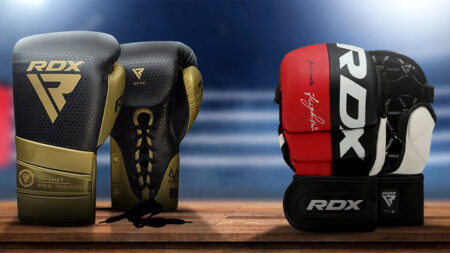




You need more than just grit. You need the right gear.
Strength training is harsh on your body. Your hands, wrists, back—they all take a beating. The right equipment protects you and helps you lift better.
That’s where RDX Sports weightlifting gear comes in with its gloves, belts, straps, sleeves, and more. They make it all. And it’s all built for lifters like you.
No fancy fluff. Just strong, reliable gear that helps you go harder.
Let’s talk about the essentials. Because if you’re serious about gains, your gear has to match your grind.
Why Weightlifting Gear is Essential for Strength Training?
Have you ever seen someone rip a heavy deadlift—and then drop the bar because their grip gave out? Yeah, not a good look.
Or worse, watch someone squat deep with shaky knees and zero support? That’s just begging for trouble.
This is why real lifters use gear. Not for show. For results.
- Gloves or straps? They lock your grip so the bar stays in your hands, not on the floor.
- Lifting belt? It gives your core rock-solid support. More stability means heavier lifts.
- Knee sleeves? Your knees stay warm, strong, and safe when you squat deep.
It’s surely not about looking cool but keeping your body safe so you can keep lifting longer. Without gear, you risk injuries that can bench you for weeks or even months!
And here’s the real deal—the right gear helps with progressive overload which is the whole game in strength training. Lift a little more weight, week after week. When your body feels supported, your brain stops holding back and you push harder, lift heavier, and build more strength.
RDX Sports knows this. That’s why RDX Sports weightlifting gear works as hard as you do. Strong materials. Comfortable fit. Built for serious lifters.
If you’re chasing significant gains, don’t lift empty-handed. Gear up and get it.
Essential RDX Sports Weightlifting Gear for Strength Training

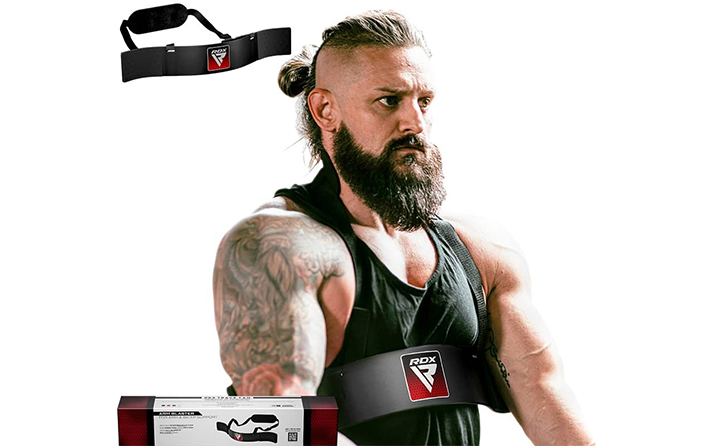
Want to lift more and stay injury-free? Then, your gear matters. Cheap gloves and flimsy belts won’t cut it. If you’re serious about strength, you need reliable equipment.
Here’s the RDX Sports weightlifting gear every lifter should have:
8-Figure Straps – Grip Like a Beast
Ever lost a deadlift because your fingers gave out before your back did? That’s why RDX heavy-duty 8-figure straps exist. They lock your hands to the bar so you can focus on pulling—not gripping. With these on, your grip stays strong even when the weight gets brutal.
Weightlifting Belt – Your Core’s Best Friend
Big lifts need a strong core. But sometimes, your core needs backup. RDX belts wrap around your midsection like armor. They brace your abs and lower back, keeping your spine safe under heavy squats, presses, and deadlifts. More stability = more weight = more gains. Simple math.
Weightlifting Hook Straps – Grip Without the Burn
Pull days can destroy your grip before your muscles even get tired. That’s where hook straps come in. They take the load off your fingers so your grip doesn’t quit before your back does. Perfect for rows, shrugs, and heavy pulls.
Neck Harness for Weightlifting – Build a Stronger Neck
Your neck muscles matter—especially if you want full-body strength. The RDX neck harness lets you load the weight and train those forgotten neck muscles. Great for fighters, powerlifters, or anyone chasing serious upper-body strength.
Weightlifting Gloves – Grip and Protect
Bars can rip your hands apart. RDX gloves protect your skin and give you a better grip. No more torn-up palms, calluses, or slipping mid-lift. Just strong, steady hands ready to work.
Wrist Straps – Lock It In
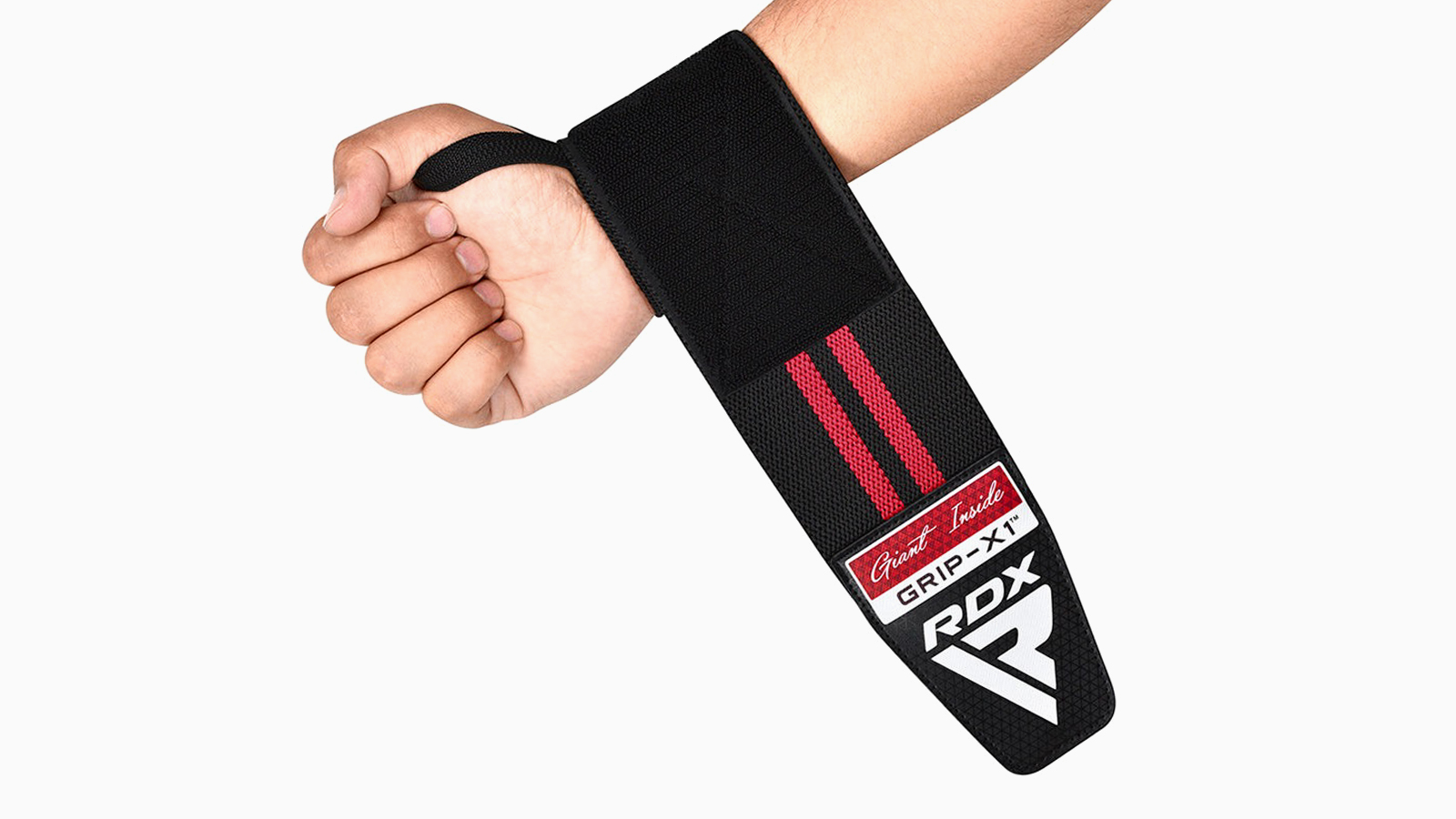
Wrist pain? No thanks. RDX durable wrist straps support your joints and keep your wrists locked straight under heavy weight. They’re perfect for presses, overhead lifts, and max-effort sets.
Ankle Straps – Lower Body Gamechanger
Leg day isn’t just squats. Ankle straps hook onto cable machines so you can target the glutes, hamstrings, and hip muscles from every angle. Strong legs need more than squats—these straps help you hit every one of those.
Related Article – The Benefits of Wrist Supports for Injury-Free Weightlifting
How to Use RDX Sports Weightlifting Gear for Maximum Strength Gains?
Gear’s only useful if you know how to use it right. Throwing on a belt wrong or using straps when you don’t need them? That’s rookie stuff. Here’s how to do it the smart way:
8-Figure Straps – Lock in the Lift
Use these for heavy pulls—deadlifts, barbell rows, shrugs. Slide your hands through, wrap the loops around the bar, and grip over them. Let the straps take the load so your grip doesn’t tap out first. Just don’t rely on them for every set. You still need to build grip strength.
Weightlifting Belt – Brace Like a Pro
A belt isn’t a crutch—it’s a tool. Position it across your core (above hips, below ribs). Tighten it until you can breathe, but just barely. Before each rep, brace your core hard against the belt. This turns your midsection into a solid wall, keeping your spine safe under serious weight. Don’t wear it for warm-ups. Save it for heavy work sets.
Hook Straps – Save Your Grip
They’re perfect for high-rep pulls when grip fatigue kills your form. Hook them around the bar, and let the metal take some pressure off your hands. Just like regular straps, don’t overuse them—grip training still matters.
Neck Harness – Don’t Skip the Neck
Start light. Attach a plate, strap it on, and work through controlled neck curls and extensions. A strong neck means stronger upper body support, which is great for fighters and lifters alike.
Gloves & Wrist Straps – Protect and Support
Gloves are great for protecting hands during presses, pulls, and high-rep sets. Wrist straps are great for the max-effort bench, overhead press, and cleans. They keep wrists locked straight when the weight wants to fold you.
Ankle Straps – Cable Machine Power
Clip these to cables for glute kickbacks, hip abductions, and hamstring curls. They’re a secret weapon for leg day finishers.
Biggest mistake? Wearing gear all the time. Use it when it matters—heavy lifts, weak links, and injury prevention. The rest of the time? Build raw strength.
Strength Training at Home vs Gym: Choosing the Right Equipment
Lifting at home or hitting the gym? Both work. It just depends on your style, your goals, and your setup.
- At the gym, you get everything—squat racks, cable machines, platforms, the whole deal. Plus, the energy hits differently when surrounded by other lifters grinding it out. If you love variety and heavy weights, gyms are hard to beat.
- At home, you train on your own time. There is no waiting for machines, no commute, no awkward small talk—just you and the weights. And if you set up your space right, home training can be as effective as the gym.
Home Gym Must-Haves with RDX Sports Gear
You don’t need a fancy setup. You need RDX sports weightlifting gear. Start with these:
- Weightlifting Belt: Protect your back during squats and deadlifts.
- 8-Figure Straps: Perfect for pulling heavy without losing grip.
- Wrist Straps: Keep your wrists solid under heavy pressure.
- Gloves: Protect your hands and keep your grip strong.
- Ankle Straps: Use with a cable machine or resistance bands for leg day.
- Neck Harness: Don’t forget neck strength. It matters more than you think.
Max Out Your Setup
Keep it simple. Focus on compound lifts—squats, presses, pulls. Use your gear when it counts, not every rep. And most importantly, stay consistent. It doesn’t matter if you lift at home or in the gym if you only do it once a week.
Injury Prevention with the Right Weightlifting Accessories
Want to lift heavy for years—not just months? Protect your body. Strength training is a great way to get stronger, but you wouldn’t want to risk your health in the way. That’s where the right gear comes in.
Wrist, Back, & Neck – The Weak Links
Your wrists take a beating during presses. Your lower back works overtime on squats and deadlifts. And your neck? Most lifters ignore it until it starts hurting. Strong muscles need strong support, or you’re just asking for trouble.
Belts & Straps – Your Injury Insurance
A good weightlifting belt wraps around your core and locks your spine. It helps you brace harder and keeps your back from folding under heavy weight. No belt can fix bad form, but a good one keeps you safer when the weight gets serious.
Wrist straps do the same for your hands and forearms. When you bench, press, or clean, your wrists must stay straight. If they bend under pressure, injuries happen fast. Straps lock your wrists into a safe position, even when the bar fights back.
Related Article – Belting Up Your Weightlifting Manoeuvres – Why and When To Use Lifting Belts
Safety Tips You Can’t Ignore
- Warm up right – Cold muscles tear more easily.
- Check your form – Gear helps, but technique comes first.
- Don’t over-rely on gear – Use it when needed, not every set.
- Listen to your body – Pain isn’t progress.
Conclusion
Here’s the truth—strength training is tough. But the right gear makes it way smarter. Your grip holds longer. Your back stays safer and your lifts feel locked in. That’s not hype—that’s just smart lifting.
RDX Sports weightlifting gear isn’t for half-reps and lazy sets. It’s for lifters who show up and go hard. Every belt, strap, and glove is built to back you up when the weight gets real.
Heavy plates aren’t gonna lift themselves. So, if you’re serious about getting strong (and staying that way), gear up and get to work.
RDX Sports has the gear. You bring the grit. Now, build that strength.