



This article breaks down how smart breathing techniques help fighters hit harder, move better, and last longer. From explosive strikes to steady footwork, your breathing rhythm affects everything. You’ll see how fighters use controlled exhales for power and how poor breathing leads to quick fatigue and sloppy form.
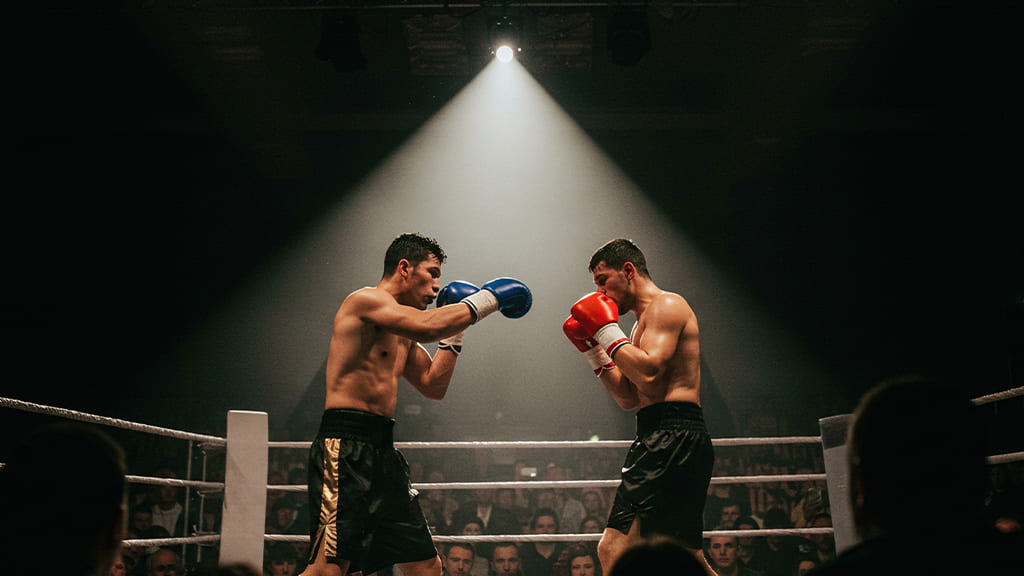
Breathing in boxing, kickboxing, or any combat sport is not a side detail; it’s a weapon. If you’re not using it right, you’re leaving power and stamina on the table.
Related article: Stamina vs. Endurance? What’s the Difference & How to Build Both
Why Breathing Matters in Combat Sports

Fights are intense, with every second and move holding significant importance. The most underrated thing that can land you success in a fight is your breathing. The proper breathing techniques keep you in the fight with full presence. Breathing right means fueling your muscles with optimal oxygen delivery.
Your muscles also perform better when they’re well-oxygenated. It helps delay lactic acid buildup, so you’re not feeling heavy and sore halfway through a match. Plus, controlled breathing enables you to stay sharp under pressure. It keeps your nerves in check and your head in the game.
How Proper Breathing Techniques Boost Power in Combat Sports
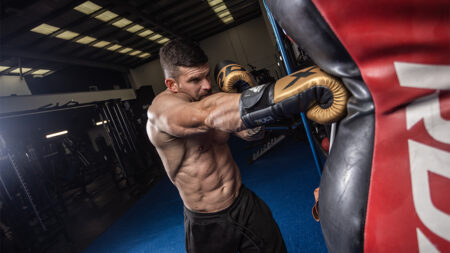
Power doesn’t just come from muscle. It comes from the breath behind every strike. In combat sports, sharp exhalation during punches or kicks fires up your core: your abs, obliques, and lower back. That split-second contraction adds serious force. That’s how proper boxing breathing techniques turn a decent punch into a knockout shot.
Make your movement smooth and explosive by breathing in through your nose and exhaling through your mouth. This isn’t just theory; it’s what top-level fighters do in the gym and the cage. They don’t waste breath. They use it to boost power and control.
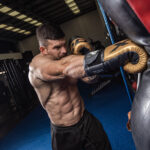
Take breathing in boxing as a clear example. Fighters exhale fast and sharply with each punch, not just for power but to stay relaxed and conserve energy. The same goes for Muay Thai breathing techniques. Fighters use it to deliver brutal kicks and elbows without gassing out. Breathe smart, hit harder.
Related article: Why Core Strength Matters in Combat Sports (And How to Build It)
Breathing for Stamina and Endurance in Combat Sports
If you can’t breathe right, you won’t last long. That’s just a fact in combat sports. Stamina does not come only from hours of intense cardio. It is also about managing your breath and engaging in controlled exhales and inhales. Controlled breathing stabilizes your energy and keeps your head clear.
When you train with proper rhythm, slow, deep breaths in and sharp exhales out, you feed your muscles the oxygen they need. That’s how you avoid hitting that wall mid-fight. This is where the boxer breathing technique becomes a weapon. A steady rhythm keeps fighters going through every round without burning out too early.
Muay Thai breathing techniques also rely on breath control to stay sharp under pressure. Fighters use timed exhales with every strike, conserving energy while keeping power up. Some even train with tools like the exercise yoke to strengthen their breathing muscles. It’s not just about hitting harder; it’s about lasting longer.
Common Breathing Mistakes in Combat Sports and How to Avoid Them
Breathing might seem simple until you’re gassed out in round two. A lot of fighters mess it up without even knowing it. One of the most common issues? Shallow breathing. It keeps oxygen from reaching your muscles, and before you know it, your arms feel like concrete. The fix? Diaphragmatic breathing. It is controlled and deep with proper core engagement to fuel your body.
Then there’s breath-holding. You throw a punch or go for a takedown and forget to breathe. That kills your stamina fast. Exhale sharply when you strike. It’s a basic boxing breathing technique that makes a big difference.
Some fighters also fall into erratic breathing under stress. It messes with your rhythm and drains energy. Train with patterns. Make your breath part of your fight IQ.
Want to level up even more? Tools like the exercise yoke can help build stronger breathing muscles.
Breathing in boxing isn’t optional. It’s a skill, and it wins fights.
Related article: Common Kickboxing Mistakes and How to Fix Them: Essential Corrections for Beginners
Muay Thai Breathing Techniques for Power and Stamina
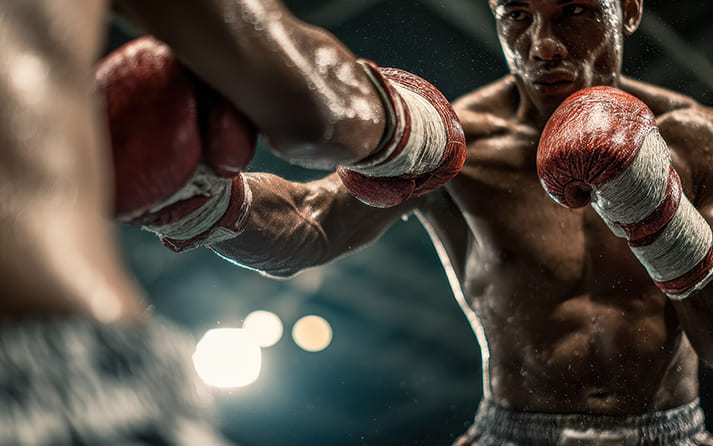
In Muay Thai, breath is just as important as technique. You don’t just throw strikes, you breathe through them. With sharp exhalation during a kick, you properly engage the core and hence strike harder. And so Muay Thai breathing techniques are an important part of training.
Fighters also use breath to stay cool under pressure. You get hit, you recover, and your breathing keeps you in the fight. It’s how you keep your head clear and your reactions fast. During the clinch, breathing is everything. Fighters who hold their breath get drained fast. But with proper breath control, you stay relaxed and conserve energy, even while fighting for control.
Muay Thai athletes don’t just build stamina with cardio. They train breathing like a skill. It’s the hidden tool behind their endurance and power in every round. Breathing in combat sports isn’t optional. It’s a weapon.
Breathing Exercises to Improve Performance in Boxing and Combat Sports
Breathing isn’t just about staying alive in the ring; it’s how you stay sharp, explosive, and in control. Proper breathing techniques can boost your power, increase endurance, and help you stay calm when things get intense.
Start with the basics: Boxer’s Breath. This means deep belly breathing, not chest breathing. Breathe in slow, feel your diaphragm expand, then exhale fully. It trains your lungs and keeps your energy steady.
Next up, pursed lip breathing. In through your nose, out slowly through tight lips. Sounds simple, but it boosts oxygen efficiency and helps your body stay calm under pressure. You’ll feel the difference in longer rounds.
Add breath holds. Inhale, hold for a few seconds, then exhale slowly. It improves lung control so you don’t gas out fast.
And don’t forget rhythmic breathing. Time your breaths with your punches. It’s one of the most underrated boxing breathing techniques, and it keeps your flow smooth and your mind focused during action. Breathing in boxing isn’t background; it’s part of the fight.
Related article: Combat Sports Myths: What You Need to Know Before Starting
Benefits of Proper Breathing in Combat Sports for Mental Clarity
Your breath can be your greatest weapon or your biggest weakness. In combat sports, it’s not just about power and speed. Staying calm when chaos hits is just as important. That’s where proper breathing changes the game.
Fighters who train with a boxer breathing technique learn to manage stress in real time. Whether you’re dodging punches or stuck in a tough clinch, controlled breathing keeps the mind clear and the nerves steady.
Deep, consistent breathing sends more oxygen to your brain. More oxygen means sharper focus, quicker reactions, and better decisions. That split-second edge can change the entire fight.
Muay Thai breathing techniques are built for this too, fighters learn to stay mentally sharp even in high-pressure situations. Breath becomes a rhythm that drowns out chaos.
Tools like the exercise yoke can even help improve breathing strength and mental endurance. It’s not just physical. Breathing in combat sports is the key to staying cool when it counts.
Conclusion
Breathing right isn’t just for staying calm; it’s a weapon. In combat sports, your breath drives your body, adds force to your strikes, and keeps your mind sharp when the pressure hits. Fighters who dial in their breathing in combat sports don’t just survive longer; they hit with more power, move with more purpose, and stay mentally one step ahead.
Build it into your training just like your combos and footwork. Because the fighters who breathe better, fight better. No shortcuts. Just smart, strong breathwork that helps you stay ready for whatever comes next.