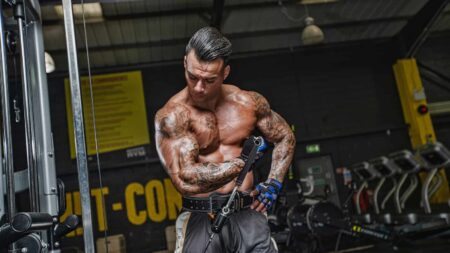





One body part that even after delivering a strong punch receives some tension is the wrist. Boxing wrist injuries are common as it is the most used area during the game. The boxing protection equipment, however, can absorb the impact of punches, reducing the risk of hand and wrist injuries.
Related article: How to Care and Maintain Your Kickboxing Gloves?
Common Hand and Wrist Injuries in Boxing
Boxers experience various injuries during training or in the match, such as:
Boxer’s Fracture
The boxer’s fracture is the broken bone of the hand, or more precisely, the fifth metacarpal. The reason it is called a boxer’s fracture is because it happens because of punching something. It usually happens in the fifth metacarpal bone due to punching in a clenched position. It is extremely common for boxers to experience this fracture.
Sprained Wrist
Overusing the muscles, constant hitting on the bag, and rotational movements in the wrist can cause sprain which at times can be uncomfortable. Wrist sprains can cause pain and swelling in the area, causing disturbance in training.
Knuckle Damage
Boxers can often experience knuckle damage due to severe hitting or wearing low-quality gear. It can cause severe pain and swelling around the ligament, limiting the finger movement, and overall training. Using good quality boxing wrist protection with wraps can prevent the issue effectively. Not treating them can lead to long-term joint issues.
Tendonitis
The repetitive movements or overuse of the joints can cause tendonitis in boxers. It can cause pain in the joints, swelling and inflammation. It can occur in any joint such as shoulder, elbow, or wrist, limiting the movement completely. It is important to wear proper equipment during training to avoid this issue.
Best Practices for Hand and Wrist Protection
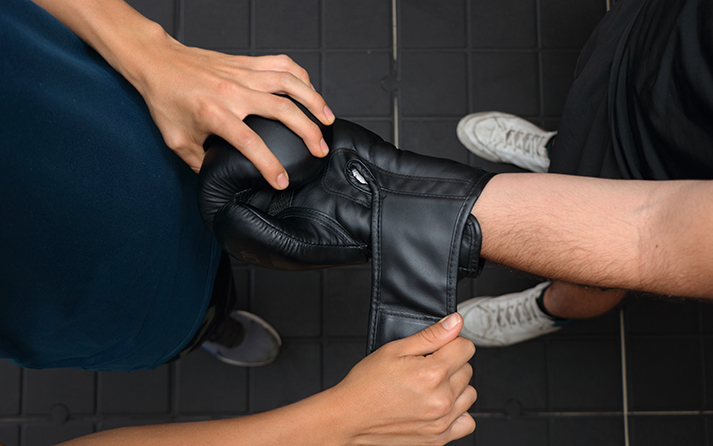
Boxing hand protection is undoubtedly a non-negotiable during training or fight. But there are some other training aspects as well, which can ensure a boxer is protected during training:
Proper Punching Technique
There are a variety of punching techniques in boxing. It is a lot more than making a fist and hitting your opponent or a punching bag. Learning proper techniques and stances during boxing training can make it more impactful while protecting you from the risk of injuries. If you are a beginner, start with basic punches such as jab, cross, or hook. Work on basic punching stances before developing strength and power. This helps in the proper alignment of the wrist and knuckles in a fist.
Strengthening Exercises
Wrist-strengthening exercises can play an important role in reducing the risk of injuries in boxers. With grip strengthening equipment and exercises targeting the grip, boxers can strengthen the small muscles around knuckles and wrist. Some resistance band exercises can also help to develop wrist strength, which eventually translates to delivering powerful punches while reducing the risk of injuries during training.
Related article: Master Your Grip: How RDX S4 Weightlifting Wrist Straps Empower Every Workout
Rest and Recovery
Rest and recovery is an essential component of any training routine. Sometimes boxers spend a lot of time in training, completely ignoring their recovery. This can lead to overuse of the muscles and joints, which can lead to injuries. Active recovery days scheduled in between training days give a break to muscles and joints, and allow them to strengthen.
Using Correct Equipment
Using high-quality and relevant equipment for boxing training significantly reduces the risk of injuries. The best wrist protection in boxing is hand wraps, durable and premium-quality boxing gloves, and wrist support. Compression garments can also be used on hands during rest days to aid in recovery.
Related article: Mastering Boxing Techniques: Your Ultimate Guide to Becoming a Better Boxer
Hand Wraps: The First Layer of Protection
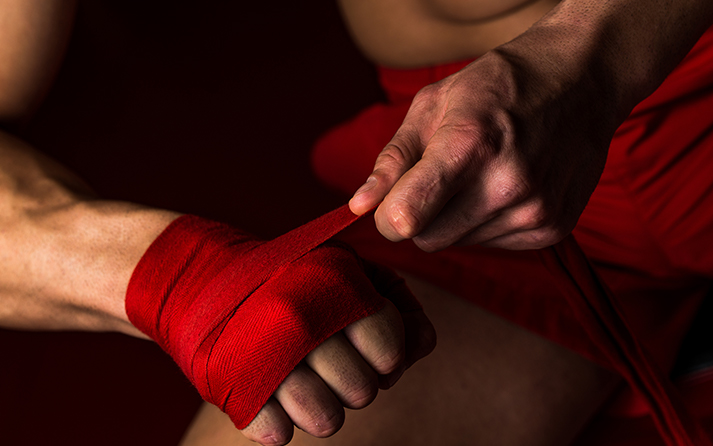 Boxing hand support starts with simple protective gear: hand wraps. Wearing hand wraps under boxing gloves can protect against serious injury risk. They are an added layer of protection and should always be worn by boxers to prevent any possible hand injury. They come in different sizes, so it is best to find one that fits you well.
Types of Hand Wraps
Hand wraps are usually available in two different styles. Either they are available in the form of gloves also known as quick hand wraps or traditional hand wraps with a bandage. Both of them provide perfect elasticity to protect the hands while ensuring comfort. The bandage hand wraps come with a thumb loop for added security. Both styles easily conform to the shape of the hand and provide protection against injuries. Find hand wraps for boxing that can fit easily and feel comfortable.
How to Wrap Hands For Boxing
Boxers should learn how to wrap their hands perfectly for boxing to reduce the risk of injury. Not wearing the boxing hand wraps properly can affect training as it will make your boxing gloves uncomfortable. The glove style or quick hand wraps can simply be worn by boxers, however in case of bandage, follow this guide:
1. Wrap the bandage around the wrist for 3 times at least.
2. Then wrap it between the fingers, thumb, and knuckles.
3. Check the strength before wearing the glove.- Common Mistakes to Avoid
Some common boxing hand injuries occur due to wrapping the hand tightly around the wrists. This can lead to poor circulation, and numbness during training. Not wrapping the thumb properly or ignoring the knuckles during training can lead to increased injury risk. Another common mistake boxers make is using worn-out equipment for boxing.
Related article: The Importance of Hand Wraps for Boxing Fitness
Choosing the Best Boxing Gloves for Hand and Wrist Support

One equipment that almost every fighter has is boxing gloves. But sometimes, they might get the wrong option due to poor quality or incorrect size. Before getting a boxing glove, it is important to check following factors:
- Glove Weight and Padding: Boxing gloves are available in different sizes such as 10oz to 16oz, which shows the padding inside the glove. Each weight has a different usage and purpose. For example, lighter gloves such as 10-12 oz will be suitable for bag work and pad training. Whereas, heavier gloves such as 16oz are more padded, and can reduce the impact on joints and muscles, and perfect to use for intense training sessions with an opponent.
- Velcro vs. Lace-Up Gloves: Whether you need a Velcro strap for your gloves or lace up the choice is yours. Boxing gloves with Velcro straps are easy to wear and take off. This is particularly great during intense fights as you won’t have to spend time wearing gloves.
Best Boxing Gloves For Wrist Protection
If you are looking for best boxing gloves for wrist protection, then look for options that are high in quality. Boxing wrist injuries can be managed very strategically if you invest in high-quality gear. Apart from that, look for a weight that works for you, and if you have no idea what weight would be best, then something between 12oz and 14oz will be fine.
How Glove Protects Against Injury?
The superior padding of the gloves protects hands from injuries. Hand wraps and boxing gloves work together to absorb the impact and protect the hand from hard kicks. Gloves and hand wraps combined create a strong barrier against all harmful hazards, securing the hands perfectly.
Additional Wrist and Hand Protection Gear
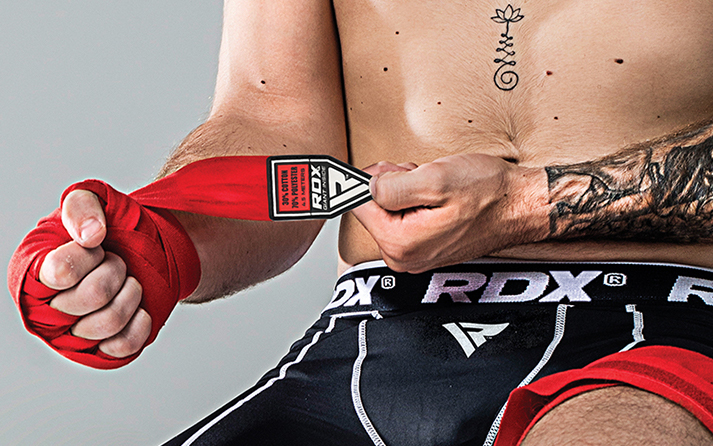 Additional protection to hands apart from gloves and hand wraps will be great to eliminate the injury risk. Such gear can also be helpful to use after an injury to alleviate the pain and swelling in the area. Some of these options include:
Wrist Braces
Wrist braces help in stabilizing the wrist joint and is very helpful to use in case of light pain or discomfort in the wrist. The braces are also useful for conditions such as carpal tunnel syndrome or tendonitis. Boxers can wear wrist brace after a training session as well to boost recovery and stabilize the joint.
Wrist Supports
Wrist support stabilizes the joint and can prevent sprains and injuries. Excessive punching can cause unnecessary bending or movement in the wrist joint, and wearing a wrist support will help to limit this movement. Boxing wrist supports come in different sizes, so it is best to choose one that fits you well to avoid any discomfort in the area.
Padded Inner Gloves
Padded inner gloves can reduce the impact of shock, working synergistically with boxing gloves. They also come in different styles and sizes, so finding the right size is important. They are padded, and hence provide added protection against punches.
Related article: 5 Reasons to Use Inner Gloves or Hand Wraps
Finger Tape
Finger knuckle tape compresses the knuckles to protect them against impact of punches. Boxers use these techniques to specifically protect their knuckles from the impact of punches.
Warm-Up and Strengthening Exercises for Injury Prevention
Before starting your boxing training, doing a detailed warm-up with mobility focused exercises is important. To make your wrist stronger, use equipment such as grip strengtheners. Prepare your wrists for the intense training by moving it in circular motions and doing light stretches.
Without stretches or mobility movements, the wrist joint will be severely exposed to injuries such as fractures. Decompress the wrist joint after every training session by doing different stretches.
Grip strengthening activates small muscles around the wrist and fingers, and plays a role in strengthening them. The better wrist and hand strength you will have, the more effectively you will absorb the impact of the punches while dodging away the injuries.
Certain forearm strengthening exercises can also contribute to a stronger wrist. Reverse wrist curls and wrist curls can be done to target the forearm muscles. Shoulder strength also impacts wrist strength. Make sure to include strength exercises that focus on shoulder mobility and flexibility.
Once you are done with your training, take good time to stretch out every muscle in the body. Doing this improves range of motion, promotes better flexibility and removes lactic acid buildup, all of which helps in boosting your boxing performance.
Conclusion
Prioritizing your protection during boxing is the first step for a successful career. Without proper gear and equipment, you are just putting yourself at the risk of developing serious injuries, which can also create a setback in your journey.
From working on your technique to wearing the right wraps and gloves, the proper boxing protection gear can create a significant difference. Invest in high-quality gear and protective equipment along with improving your boxing techniques for safety.
Before getting on the ring without protective gear, think about what is at stake. Remember that consistently using protective gear in your training and matches is the key to long-term boxing performance. So, get high-quality gear for yourself.