





Boxing injury recovery plan works on every aspect of an athlete’s health to ensure complete healing. If you are a boxer who is often exposed to some injuries and is not recovering from them, then this blog is for you.
Here, we will discuss some easy tips and tricks that will help you heal and also prevent the risk of injuries in the future.
Common Injuries in Boxing & Their Recovery Time
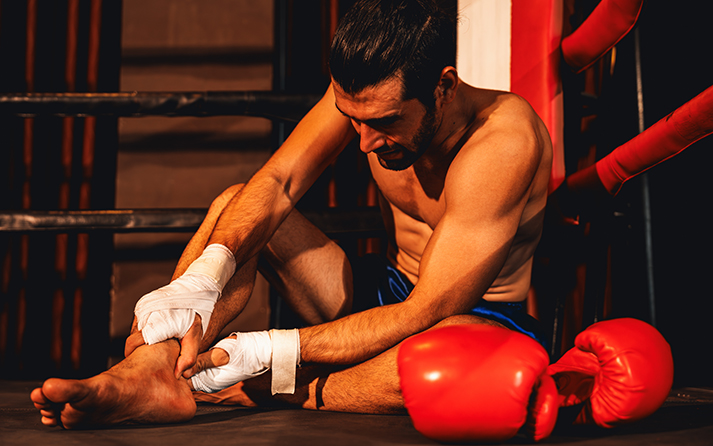
Boxing is an exhilarating sport, exposing athletes to the risk of developing various injuries every day. From minor bruises to severe fractures, boxing injuries can be of many types. Following are some of the common injuries and their recovery time for boxers:
Hand Fractures
Extremely common in boxing and MMA sports, hand fractures take 4–8 weeks for recovery. Not using proper equipment such as high-quality boxing gloves or hand wraps can cause these fractures.
Concussions
Boxers can sometimes feel a concussion due to head trauma. Depending on the severity of the problem, concussions in boxers take 2–3 months for full recovery. Using a reliable headgear can, however, provide optimal protection to the brain from punches.
Muscle Strains
Muscle strains due to overtraining or sudden movement during training are pretty common. The muscle strains in arms or legs usually get better in 2–3 days.
Shoulder Dislocations
Not paying attention to form and technique during training or competition can cause shoulder dislocations among boxers, which requires at least 6-12 weeks for complete recovery.
Fractures
Experiencing hand and rib fractures are common among athletes which require at least months to heal.
Why Is Diagnosis Important?
In case of any type of injury, it is essential to consult the doctor immediately for accurate diagnosis, and personalized recovery plan. Diagnosis can reduce recovery time and also prevent long-term damage. Following medical advice, and rehabilitation exercises after diagnosis can speed up the recovery.
Related article: Protecting Gains: Strategies Against 7 Common Workout Injuries
Immediate Steps After an Injury (First Aid & Initial Care)
When a boxing injury occurs immediate action with proper diagnosis can impact recovery time significantly. The first aid and initial care after a boxing injury includes using the RICE method, which is a good approach to managing acute injuries such as strains and bruises. Following are the details of the RICE method:
Rest
The first approach to manage any injury should be to stop the physical activity completely. Athletes training in a session should always lie down to prevent further damage. Sometimes resting completely with no activity is the best approach to solve problems.
Ice
In case of a muscle strain or pain, apply ice packs for 15-20 minutes after every 2-3 hours. This helps in reducing swelling and numb the pain. Wrap ice in a towel to avoid direct contact to the skin.
Compression
Using a compression gear is a great way to manage the pain, minimize swelling, and provide support to the affected area.
Elevation
To improve the blood flow, manage inflammation, and reduce swelling, elevate the injured area above heart level.
Seeking Medical Care
RICE method can assist in managing and treating minor injuries such as bruises or strains. However, take medical help for the following situations:
- Severe swelling, pain, or an inability to move the affected area
- Fractures or dislocations
- Persistent pain even after following the RICE method for sprains and bruises
- Headaches, dizziness, or confusion
The first two to three days after an injury are essential for recovery. A proper recovery management plan for athletes during the first 48 hours can ease out the entire rehabilitation plan.
Physiotherapy and Rehabilitation for Boxing Injuries
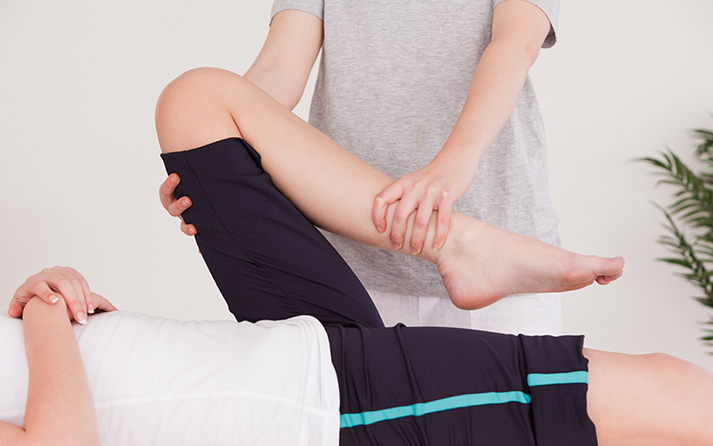
Physiotherapy after any injury helps to regain the lost strength, mobility, flexibility, and functional strength. There should be a planned rehabilitation program for athletes during the recovery process to manage the stress of injury, shortening the recovery time, and reducing the risk of re-injury.
Common Rehabilitation Techniques
Following are some common rehabilitation techniques that can help fighters to reduce the injury risk and to recover existing injuries:
Mobility Exercises
Mobility focused exercises speed up the healing process and also prepares them to get back in the ring with improved range of motion. The goal of such exercises should be to restore flexibility, and improve mobility in joints and muscles. In case of injuries such as sprains in the shoulder, fractures in hands, mobility exercises are recommended to regain strength.
Resistance Training
Strength training can protect athletes from encountering injuries, and can also speed up the recovery process. Athletes should start doing light exercises and stretching with light weights or resistance bands for stability and strength. This training will also prevent muscle atrophy, while strengthening the injured area.
Hydrotherapy
Water-based exercises can reduce the impact of injury on joints and muscles. The exercises also promote circulation and movements in the joints, and are quite beneficial for injuries in the lower-body.
Massage Therapy
Athletes should often engage in massage therapy to improve the blood circulation in the joints and muscles post-injury, reducing the recovery time and tightness in the muscle.
Importance of Progressive Recovery
Progressive recovery includes a step-by-step approach for proper rehabilitation, preventing athletes from getting back to intense training immediately after recovery.
A controlled and structured recovery plan should look like this:
- Initial Rest & Controlled Movement: Limited activity with gradual mobility exercises.
- Strength & Stability Work: Resistance training to rebuild muscle and prevent future injuries.
- Sport-Specific Drills: Reintroducing boxing movements, focusing on proper technique to avoid strain.
Related article: Athletes and Inflammation – Tips to get rid of it effectively
Nutrition and Hydration for Faster Recovery

Nutrition after an injury is important for a faster and more effective recovery. Boxers have to follow a detailed nutrition plan post-injury to optimize recovery. Following are the guidelines to boost recovery time for boxing injuries:
High-Protein Foods
A boxer’s recovery nutrition plan should be based on a high-protein diet. Protein aids in recovery by strengthening the muscles and building lean muscle mass, which boxers need after they get back to their training. Include plenty of lean protein options such as eggs, meat, fish, etc.
Omega-3s
A diet rich in Omega-3s for boxers promotes recovery and reduces inflammation in the injured area. Include options such as salmon, walnuts, and fish oil to the diet.
Vitamins and Minerals
It is important for athletes to take certain supplements containing important vitamins and minerals to optimize health.
Hydration
Increasing sufficient water intake speeds up injury recovery boxing. Using electrolytes can replenish the mineral loss and reduce cramping.
Supplements
Boxers should follow their supplement routine like they did before the injury. Other than that, they can include supplements such as collagen and BCAAs, as they aid in recovery and strengthen the muscles.
Related article: The Ultimate Nutrition Guide for Boxers: Fueling Performance and Recovery
Best Recovery Methods for Boxers

Recovery for boxers is important just as training. After every training session, it is recommended to prioritize recovery strategies to reduce the risk of injuries.
An effective recovery plan repairs muscles and tissues, reduces soreness from the muscles, and improves overall endurance. Following are some of the best recovery methods for boxers:
Active Recovery Strategies
Low-Impact Exercises: It is important to keep muscles active even on rest days. Engaging in activities such as cycling, light walking, or swimming improves blood flow and removes excess lactic acid from muscles.
Stretching & Mobility Work: Using a foam roller to recover from the intense training is the best practice athletes can follow. The dynamic and static stretching improves flexibility, and prevents stiffness. A light yoga session can also be a great option.
Advanced Recovery Strategies
Some advanced recovery strategies such as massage therapy and cryotherapy can also be helpful to recover faster. Massaging deep tissues can release muscle tension, improving blood circulation, and reducing post-training soreness. Boxers should schedule their deep tissue massage therapy on regular days as well.
Cryotherapy, which includes ice baths or cryo-chambers, reduces swelling and inflammation, aiding in recovery after intense training sessions. Wearing compression gear on the affected area improves blood circulation and promotes faster recovery.
Sleep And Rest
An underrated recovery tool for boxers: sleep. Quality sleep has a positive impact on everyone’s health, specifically athletes who are recovering from injury. With reduced screen time, and disruptors around them, athletes should aim for 8-9 hours of sleep when recovering from injuries.
The body releases growth hormone in deep sleep which helps to repair damaged muscles and tissues, aiding in overall recovery. Setting circadian rhythm, and following a consistent sleep routine helps in increasing the quality of sleep.
Related article: More Sleep For More Muscle Mass
Mental Aspects of Injury Recovery
The time of muscle recovery after a boxing injury is also related to mental strength of athletes. While any type of muscle injury can create a big challenge for boxers, limiting their movement and creating feelings of anxiety and depression, mental resilience can help manage time with hope. Boxers often tend to think that their careers are now halted and they will never get back to the ring, affecting their mental health in the process.
Hence, boxers should prioritize their mental strength along with physical strength to deal with tough situations in their career. The inability to train can create self-doubt and isolation, but with following techniques, boxers can stay hopeful with a positive mindset during their recovery period:
Staying Active and Motivated
Engaging in light physical activity or spending time with fellow boxers and coaches can be done when boxers are recovering from injuries. Depending on severity of the injury and recovery demands, athletes can work on their weak points during time such as light stretching for flexibility or nutrition.
Visualization and Mental Training
Mental training with visualization techniques helps boxers stay sharp and focused on their training. To keep their skills fresh, athletes can rehearse movements and fight strategies. Other than that, engaging in meditation practices and breathing exercises can also reduce stress and promote mental clarity.
Related article: Motivation Mastery: A Journey to Fitness Excellence
Preventing Future Injuries
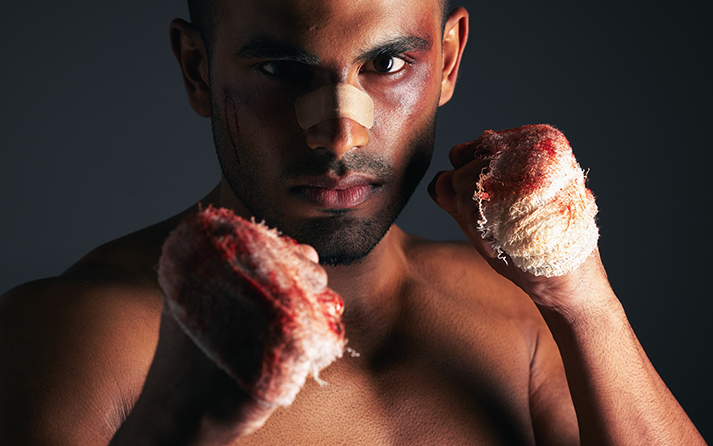
With proper equipment during training and planning, athletes can decrease the risk of developing future injuries. Paying attention to the following essential components ensures fighters are always ready to take on their opponent in the ring:
Warm-Ups & Cooldowns
A warm-up routine before training prepares the body for intense activity ahead. With dynamic stretches and light cardio, athletes can prevent muscle strains and joint injuries. Cooldown with dynamic stretching and deep breathing exercises aid in muscle recovery and reduce soreness.
Strength Training & Conditioning
Strength and endurance in athletes does not only reflect in their performance, but it also protects them from the risk of injuries. The exercise in the training routine works on core stability and strength, improving balance and risk of falls. Strength and conditioning of the muscles also help in absorbing the impact more effectively, reducing strain on the body.
Using Protective Gear
Various boxing organizations have made it mandatory to wear proper protective gear during training to prevent injuries. Some of this gear includes mouthguards, hand wraps, and headgear to prevent jaw fractures, hand fractures, and concussions, respectively.
Related article: Enhanced Sweating and Injury Prevention with Sauna Suits
Conclusion
After any injury, athletes only dream of coming back to their routine, and for that the most important thing they need to work on is their recovery. With a holistic approach towards recovery, athletes can get back to ring in complete health.
Your boxing success depends on how healthy and strong you are, and prioritizing recovery after an injury or after a workout will ensure that. The recovery process is tiring and frustrating for sure, but it is also important to get you back in the game with safety.
Read More
- Mastering Power Punches: How RDX Punching Bags Help You Build Strength and Precision
- How to Care for Your Gym Clothes: Maintenance Tips for Long-Lasting Activewear
- How to Perfect Your Kickboxing Stance and Techniques
- MMA Shorts vs Boxing Shorts: Features, Benefits, and Key Differences