




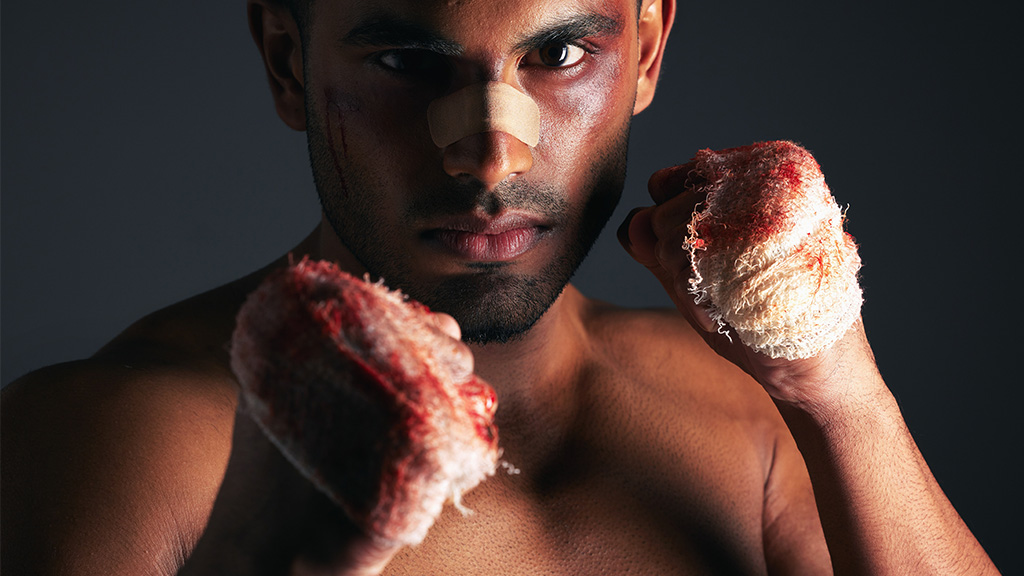
Hand injuries in boxing are pretty common. They can occur in the training room or in a fight. These injuries can be quite painful and can take a long time to heal. If improperly treated, they can even end a boxer’s career.
Among the most common boxing hand injuries are Boxer’s fractures, metacarpal fractures, and wrist injuries. A Boxer’s fracture usually affects the small bones in the hand. Metacarpal fractures are breaks in the bones that link the fingers to the wrist. Wrist injuries are also serious and can render a hard punch or hand movement difficult.
Hand care is paramount in boxing for safety and scoring big.
Understanding Boxing Hand Injuries

Types of Hand Injuries After Boxing
One major reason boxers injure their hands is that they punch so hard. A Boxer’s fracture is a common injury. This occurs when the bone underneath the little finger breaks. It typically happens after a punch lands incorrectly. A Boxer’s fracture can lead to swelling, pain, and difficulty in moving the hand.
Metacarpal fractures are the other most frequent injury. They’re fractures of the long bones within the hand. These are what connect the fingers to the wrist. A boxer might experience sharp pain and swelling, and watch his or her hand change shape. These injuries occur when a punch is thrown too hard or at the wrong angle.
Wrist injuries in boxing are also serious. Sprains, fractures, and ligament damage are just some of them. A sprain occurs when the wrist bends too far. When one of the wrist bones breaks, it is called a fracture. Ligament damage means the strong bands that hold the wrist together are torn. Such injuries can interfere with punching or movement or even just lifting the hand
Causes and Risk Factors
Boxer’s fractures, metacarpal fractures, and wrist injuries in boxing occur for various reasons. A considerable part of that is poor punching technique. A punch thrown incorrectly can really do some serious damage.
One more risk is not properly wrapping the hands. Hand wraps are important because they protect the bones and joints. If they’re loose or missing, the hands aren’t safe. Using the wrong kind of gloves, or ones that don’t fit well, also raises the risk. For step-by-step instructions on how to use hand wraps effectively, read our post on the importance of hand wraps for boxing fitness.
But overtraining and fatigue are dangerous too. Fatigued muscles cannot protect the hands as effectively. This increases the risk of injuries. Injuries can also happen during training with the wrong type of equipment or if someone trains on hard surfaces.
Boxers must rely on sound technique, quality gear, and rest to stay safe.
Signs and Symptoms of Common Hand Injuries
A lot of hand injuries can occur in boxing. It helps to be aware of the signs early on. A broken finger from boxing is usually referred to as a Boxer’s fracture or metacarpal fracture. You might experience swelling, bruising, and pain. Sometimes, the finger or hand appears crooked or distorted. It can be difficult to move or form a fist.
Hand injuries during boxing can cause severe pain when touching or moving the hand. If the pain worsens or the swelling does not reduce, you need a doctor’s immediate attention.
Boxing wrist injuries have different signs. You will probably experience a sharp pain as you move your wrist. The wrist may swell and feel stiff. You might find it difficult to bend or twist the wrist. There may also be bruising in some cases.
It’s really important to diagnose it early. If not treated in time, these injuries can result in chronic ailments. You could have weakness or loss of motion in your hand or wrist.
When it comes to hand pain, take it seriously. Ice and rest, or an emergency doctor, can help your injury heal and avoid future damage. Quick treatment means a speedier recovery and a better shot at returning to the ring.
Preventing Hand Boxing Injuries

Proper Punching Technique
Learning proper punching techniques is one of the best ways to prevent Hand injuries in boxing. Poor form can quickly put you on the path to pain and injury. A punch should initiate through the legs and travel through the body, not just come from the arm.
Ensure that your hand is in a tight fist when you make contact. Work on your wrist: It should be straight and in line with your forearm. This lessens the risk of wrist injuries in boxing. Hit with the two big knuckles (index and middle finger), not the smaller ones. This helps in preventing knuckle injury in boxing.
Essential Boxing Safety Tips
Wearing the right gear is key to staying safe, too. Before buying gloves, make sure you get the right equipment for your weight and training style. Heavier gloves that contain additional padding absorb some of the shock transferred to your hands.
Hand wraps are a must. They safeguard the small bones and joints of the hand. One consideration is good boxing safety tips, which involve wrapping your hands up (in cotton wraps, for instance) before every session. Understanding the proper wrapping technique will help when it is time to protect the knuckles, fingers, and wrist.
Wrist wraps or braces provide additional support. They are of great help to those who have had wrist injuries in boxing before. These can help stabilize the wrist during punches.
Related Article: Boxing Protection for Hands and Wrists: Essential Tips & Gear
Strength and Conditioning Exercises
Injury is less likely when the hands and wrists are strong. Integrate specific movement training for boxing hand injuries. Squeezing a hand gripper or using resistance bands can foster strength in your fingers and wrists.
Other great exercises include wrist curls, reverse wrist curls, and finger push-ups. They build joint strength and muscle control. It’s also vital to do exercises that will help strengthen the forearms to create support around the wrist.
Conditioning helps your hands take more stress without damage. Stretching and mobility drills are necessary to be able to move your joints. It builds resilience and reduces the risk of injury.
But with the correct technique, protective gear, and strength-building workouts, you don’t need to sacrifice your hands on those punching pads.
Related Article: How to Prevent Common Boxing Injuries: A Complete Guide
Treating Hand Injuries in Boxing

Immediate Injury Response (First Aid)
When a hand injury occurs in boxing, quick action is crucial. Applying ice is the first step in treating hand injuries in boxing. This helps to reduce swelling and pain. Wrap ice in the ice and use it for 15–20 minutes every hour.
Then lift the arm above heart level. Elevation assists in preventing swelling. You may also use a wrap or splint that keeps the hand still. This prevents movement of the area until medical assistance can be rendered.
Medical Treatments
Certain boxing hand injuries, such as Boxer’s fractures and metacarpal injuries, require greater attention. A physician may put the bones in place and use a cast or splint to maintain the position. If the break is severe or out of position, surgery may be required.
A fractured finger from boxing can be cured with splinting. The finger may sometimes need to be taped to the next finger over. A wrist may be braced or, in severe cases, even surgically repaired.
Physiotherapy is extremely beneficial after the injury begins to heal. Rehab exercises to build strength, movement, and flexibility in the hand and wrist. This is a very important step for full boxing injury recovery.
Recovery Timelines
The recovery time varies by the severity of the injury. It may take 2 to 4 weeks for minor injuries to heal. More severe injuries — fractures, surgery cases — could recover in 6 to 12 weeks, or longer.
It is so important to follow the doctor’s advice. Returning to training too quickly can worsen the injury or create new issues. Fully recovering makes you come back stronger and reduces the risk of re-injury.
Most boxing hand injuries can heal well with adequate treatment and rest, enabling boxers to return to the sport safely.
Boxing Injury Recovery and Return-to-Training Tips

It takes time and care to get back into the boxing ring following an injury. Returning too soon can do even more harm. So, how do you get back to the training safely?
Start slow. Boxing injury recovery starts with gentle exercise. Stretch your hands, wrists, and arms. The first step is just simple shadowboxing and footwork—no punching. Let your body adjust.
Then, gradually ramp up your training intensity. If you feel no pain, add light punching to a bag. Use proper hand wraps and gloves to protect your hands. Listen to your body. If something doesn’t feel right, stop and rest.
Focus on form. This is a great time to work on your technique after an injury. Good form not only helps you preventing knuckle injury in boxing in the first place, it can also help you avoid hurting yourself in the future. Do it with a coach to monitor your ready punches and wrist position.
Don’t neglect strength training. Incorporate basic wrist and hand exercises into your daily routine. This makes your joints tighter and more stable.
Continue to follow boxing safety tips even once you’re healed. Always wrap your hands before training. Wear weighted and padded gloves, and remember to take regular breaks to prevent overtraining.
Recovering from injury is not just about healing — it’s about coming back smarter and stronger. With these steps and the right mindset, you can safely come back to boxing and get your hands in top condition. Are you ready to return to the ring the right way? Go slow, be safe, and hit smart.
When recovering from an injury, following best practices is essential. Learn more about effective recovery tips and how to heal faster in our best practices for boxing injury recovery blog.
A Quick Recap
Prevention of hand injury in boxing is not just important — it is critical. Your greatest weapons inside the boxing ring are your hands. Protecting them from danger means improved performance and a longer boxing career.
So, how can you protect them? Most importantly, make sure you are using proper techniques. A clean punch helps to minimize the stress on your hands and wrists. Choose the right gear—well-padded gloves and tight hand wraps can help immensely. And don’t neglect strength training. Strong knuckles and wrists will not easily get damaged.
If you’re a beginner or have been boxing for years, hand safety should come first. These tips don’t just prevent boxing knuckle injury; they keep you training and fighting longer.
Remember. It’s not only about how hard you hit but also about how smart you train. Are you doing all you can to protect your hands? Stay safe, stay sharp, and keep those fists strong.