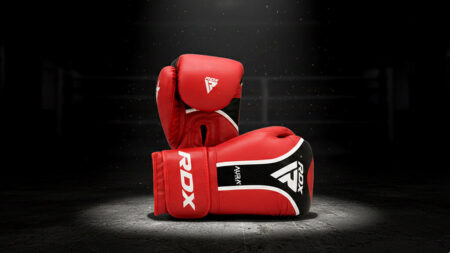





Heavy bag gloves and sparring gloves are built for different purposes. They look similar, but the inside matters more than the outside. If you’re using your bag gloves to spar, or the other way around, your hands—or your partner—won’t thank you.
This guide is all about boxing glove types. We’ll walk through how each glove works, what makes them different, and how to choose the best pair for heavy bag training or sparring. Let’s break it all down simply and clearly.
Understanding the Purpose of Gloves in Boxing

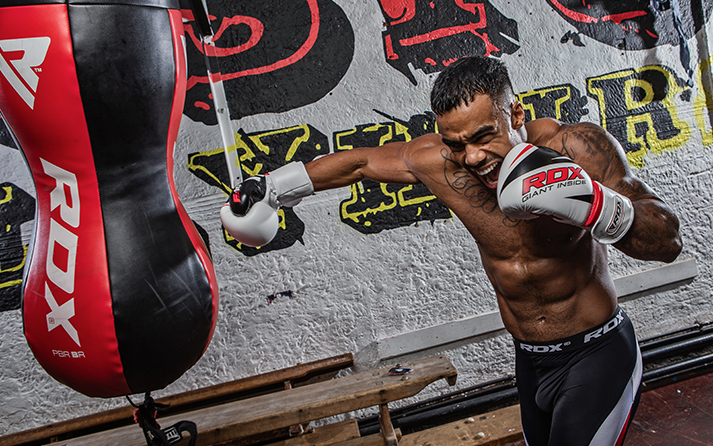
So, what does a boxing glove actually do? In simple words, they protect. That’s their primary function — to protect your hands and avoid injury to you and your training partner. The padding cushions the impact, distributes the force, and provides your knuckles and wrists with a welcome respite.
But the thing is, not every training drill requires the same level of protection. Hitting a heavy bag is different from sparring with a person. A bag doesn’t hurt. Your training partner does. And your hands absorb a different type of impact based on the drill.
That’s why there are different training gloves for different tasks. Each glove type has a specific purpose for boxing gloves. The padding, the shape, and the weight all change depending on how you’ll use them.
If you wish to train smart and prevent injury, you need to employ gloves suited for the workout. That is where a correct pair of glove protection comes into play. Let’s examine what makes heavy bag training gloves quite unique.
1. Features of Heavy Bag Gloves

Heavy bag gloves are designed to withstand a beating. Literally. The intention here is to keep your hands safe from repeated stress. Punch after punch, round after round, your gloves buffer the stress while guarding your knuckles.
Let’s talk padding. These gloves usually have denser padding in the front, right where your fists land. It’s firm, not soft, because you’re not hitting a person — you’re pounding a solid, unmoving bag. The padding helps reduce shock and prevent sore wrists or sprained thumbs.
You will also discover that heavy-duty boxing gloves suitable for bag work are designed using more robust outer materials such as leather or synthetic materials. They are designed to withstand hundreds of sessions without splitting or flattening.
As for weight, most fighters prefer somewhat lighter gloves, such as 10 oz or 12 oz, to maintain quick hands and concentrate on technique. However, if you need to develop endurance and strength, heavier gloves, such as 14 oz or 16 oz, work wonderfully. These are also referred to as weighted boxing gloves, and they possess their own training advantages.
So, if you’re punching the bag frequently and hard, you require heavy bag training gloves that are strong, protective, and capable of withstanding punishment.
Related Article: RDX Sports Boxing Gloves for Fighters?
2. Features of Sparring Gloves
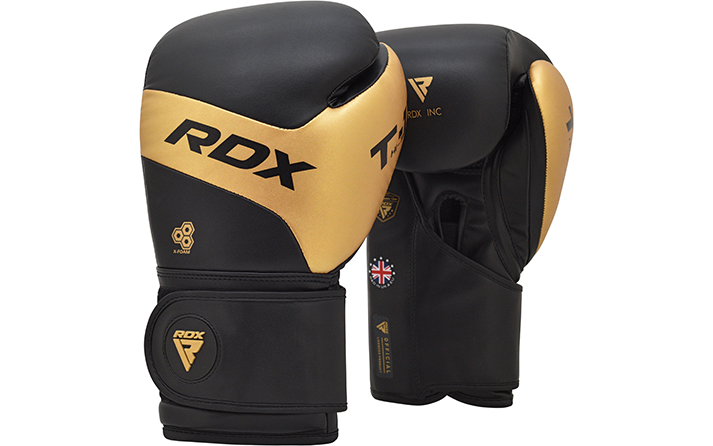
Okay, let’s move on to sparring gloves. Here, the emphasis isn’t solely on your hands — it’s on both your sparring partner and you. These gloves are designed to defend both parties. That translates to more padding, softer padding, and added comfort.
You will find sparring gloves have thicker padding, particularly on the knuckles. This padding is softer than that of bag gloves. It distributes the impact more evenly, so your punches are not painful to your partner. Imagine them as pillows with straps — safety-focused, yet serious.
Protective boxing gloves for sparring also usually feature additional wrist support. The straps are tighter so you don’t twist or strain your wrist during the middle of a round. That’s essential when you’re throwing quick combinations and blocking punches.
In terms of weight, 14 oz to 16 oz is the norm. These Boxing glove sizes and weights slow your punches just a bit — not a bad thing when you’re aiming to improve your form and defense. Lighter gloves don’t give your partner much padding, so they’re usually a no-go for sparring.
Finally, sparring gloves should fit snugly without squeezing your fingers. A secure fit means better movement and safety. If you’re prepping for sparring, choose gloves for sparring that protect and support both fighters.
Key Differences Between Heavy Bag and Sparring Gloves

So, what’s the real difference between sparring gloves vs bag gloves? It’s all about padding, weight, and purpose.
Padding location is first. Bag gloves have dense padding in front for punching solid objects. Sparring gloves distribute that padding more, particularly over the knuckles, to break up impact in partner training.
Weight comes next. Sparring gloves are typically heavier — 14 oz to 16 oz — to absorb impact. Bag gloves tend to be lighter to increase speed and precision. This is a consideration of how your endurance and training objectives will differ.
The material is a contributing factor. Durable boxing gloves for heavy bag must be able to handle wear and tear. Sparring gloves, though still robust, tend to emphasize comfort and flexibility more.
These variations impact everything: your performance, your safety, even your recovery. Choosing the proper glove for the proper application makes a difference. Use this boxing glove comparison to assist with intelligent glove selection tips — and train with no risk.
Related Article: MMA Mitts vs Boxing Gloves
How to Choose the Right Gloves for Your Training Needs?
Here’s how to decide what gloves to purchase. Look at your training schedule first. Do you hit the heavy bag more often, or do you spar most often? That gets it narrowed down.
Second, put it on. You want them to fit tight, but not too tight. Your fingers shouldn’t feel crushed, but you don’t want room to be able to slide around. Fit equals safety.
Now consider boxing gloves size guide. If you’re only bag training, 10 oz vs 12 oz is fine. For sparring, use 14 oz or 16 oz. Not sure what to do? Try them both and see which one feels comfortable.
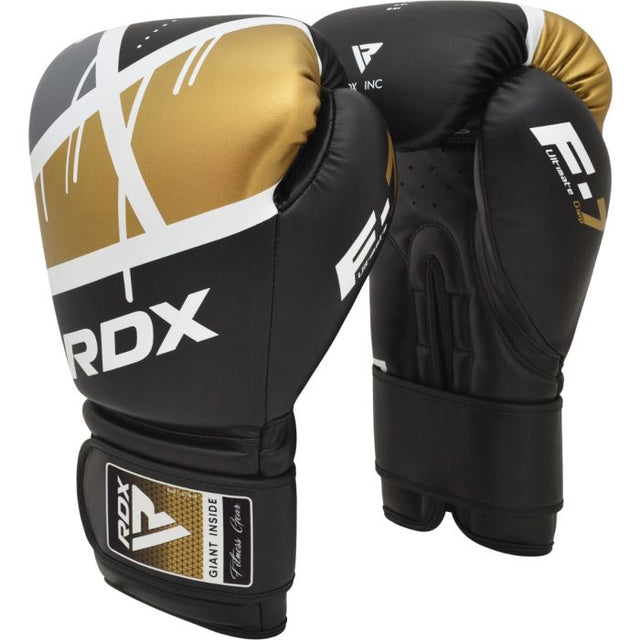


Also, observe padding and wrist support. Increased padding provides greater protection, particularly if you’re new to boxing. And a good wrist strap prevents sprains.
If you’re shopping, brands like RDX boxing gloves review are solid for both bag and sparring use. Find gloves that suit your level and budget.
Buying the right pair isn’t just about style — it’s about safety. So, make your choice based on your training. It’s the best way to get the best gloves for punch bag.
Related Article: How to Choose the Right Boxing Gloves?
Maintenance Tips to Extend Glove Life
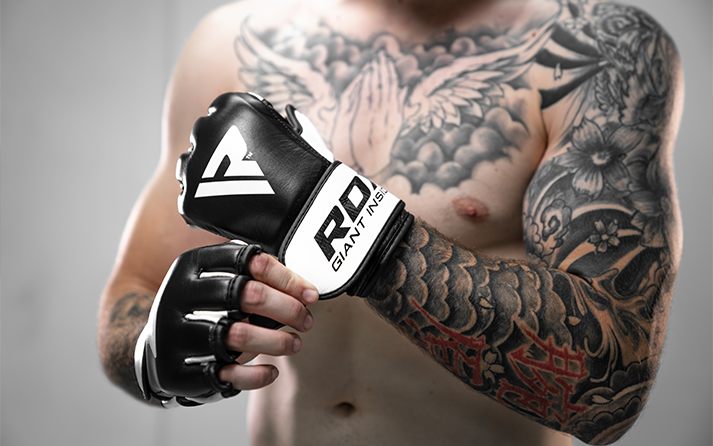
Let’s keep your gloves fresh and strong. Tip number one — wash them after every use. Dry wipe the inside with a towel and spray some antibacterial spray. Never wet them.
Then air them out. Leave them to rest in a dry, cold place. Don’t shove them into your gym bag. That’s how odors develop.
To prevent damage, store them correctly. Hang them from a glove hanger or on a rack. Don’t leave them near heaters or direct sunlight — heat deteriorates the material.
Observe signs of wear. If the padding has lost its shape or your hands hurt, it’s time to get a new pair of gloves. A proper pair should last months — years — with the right care.
Here’s how to maintain gloves to make them last longer and keep your hands safe. Clean, dry, store, repeat.
Conclusion
Using the right gloves for the right task can make a world of difference. Heavy bag gloves are made for strength and durability. Sparring gloves are built for safety and protection. Mixing them up? Not a good idea.
Whether you’re throwing power shots on the bag or working on your defense in the ring, your gloves should match the job. It’s safer, smarter, and more effective.
So, don’t settle for one pair. Boxing gloves for training should fit your activity. Your hands — and your partner — deserve that attention.
Check out trusted brands, use this boxing gloves guide, and get a pair of heavy bag gloves and sparring gloves that support your goals.
Train smart. Stay safe. And let your gloves do their job.