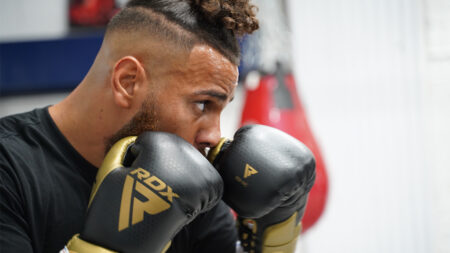





Defense helps you to stay safe and take control. It allows you to create distance, avoid damage, and wait for the perfect moment to counterattack. Of course, you can dodge even the fastest attacks if you know how to use defensive boxing techniques like slipping punches, rolling punches, or the bob-and-weave boxing move. Good footwork in boxing is also about keeping your balance and getting out of danger quickly.
Have you ever seen a fighter turn a blocked punch into a powerful counter? That is the power of counterpunching. The whole thing is about using defense to make openings. Learn how parrying in boxing and reading opponents in boxing can give you an edge.
This post will run through the key defensive moves. You’ll get simple drills, smart tips and also the best boxing gloves for defense. Ready to level up your skills and become harder to hit? So let’s get into the world of smart, sharp defense.
Section 1: Understanding Defensive Boxing
What is Boxing Defense?
The craft of boxing defense involves dodging punches while remaining prepared to strike. It’s not about running away. It’s all about maintaining control and looking for opportunities to strike. A good defensive fighter stays relaxed, thinks about how they’re moving, and knows how and when to counter.
Why is Defense Just as Important as Offense?
The offense gets the spotlight, but the defense wins fights. Sticking to a defensive boxing strategy keeps you safe from getting hurt. It keeps you sharp and focused. The best fighters have a good sense of when to mix offense and defense. They don’t only throw punches — they know how to block, slip, and roll, as well.
How Does Defensive Boxing Help in the Long Run?
Years are added to your career through a defensive approach. The less damage you take, the longer and more effective you fight. Good defensive boxing techniques also make it more difficult for you to be defeated. You dictate the fight by rolling with punches and landing clean counters.
Core Defensive Techniques in Boxing
Boxing head movement, boxing footwork, boxing parrying, and rolling punches are all known as key moves. These strategies allow you to evade, parry, and move confidently. Want to be tough to hit and sharp with counters? And it all starts with defense.
Every boxer starts with the basics, but learning the levels of moderate boxing defense can help fighters gradually improve their skills over time.
Section 2: Key Defensive Boxing Techniques
Footwork in Boxing
Foot movement is one of the most crucial aspects of boxing defense. It helps you remain balanced, evade punches, and set up counters. If you move your feet the right way, you can make your opponent miss and create opportunities to hit back. Moving laterally (stepping side to side) can be used to create angles to avoid straight punches.
Pivoting allows you to rotate quickly and face your opponent instead of becoming trapped in a corner. Taking a step back enables space and time to think. In boxing, sharp footwork not only keeps you out of trouble but also ensures that you are in a position to strike when an opportunity opens up.
Head Movement
A good way to avoid danger is to move your head. Techniques such as slipping punches, bobbing, and weaving allow you to avoid being hit while staying close. Boxing head movement makes you a more difficult target. You can practice it by slipping under a rope or dodging punches from a partner. The secret is to remain calm and focus on your opponent. If you have good head movement, you not only avoid punches but also create opportunities for yourself.
Parrying in Boxing
Parrying in boxing is when you use your hands to deflect punches. Instead of checking with strength, you flick the punch away. So your opponent may even miss or leave themselves open for a shot and a counter punching shot. Drills such as light sparring or mirror work can sharpen your parrying. It’s all about timing and control, not power.
Rolling Punches
Rolling punches is a technique used to move with the strike rather than absorbing it. You roll your body or shoulders with the punch to lessen its impact. At the same time, you keep close enough to deliver a counterattack. Rolling gives you calmness under the pressure, and you can then turn a defense into an attack.
Section 3: Best Boxing Defense Drills
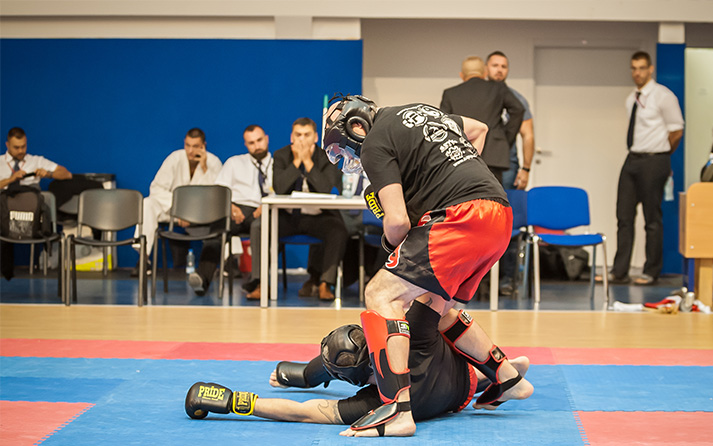
Learning how to punch is important, but training defense is equally important. These basic drills will work your timing, reactions, and movement in the ring. Are you ready to become harder to hit and sharper with your counters?
Slipping Punches Drill
This drill helps you learn how to avoid punches by moving your head. One boxer throws light jabs or hooks. The other one focuses on slipping punches by turning the head and shoulders. Stay relaxed, focus on your partner, and move just enough to get out of the way of the punch. Don’t overdo it—a slight, brisk movement is most effective. It helps your timing, distance control, and building confidence.
Bob and Weave Drill
Bob and weave boxing is great for slipping under hooks and avoiding shots to the body. In this drill, a partner delivers light body shots. You bend your knees, duck under, and emerge on the other side. Use your legs, not your back. This keeps you in balance and puts you in a good position to throw counter-punches. This drill also builds body strength and endurance over time.
Parrying Drill
Parrying in boxing is essentially about deflecting punches. In this drill, your partner throws straight punches, and you deflect them to the side with your hands or your gloves. Open your hands, be light, and keep an eye on your partner’s shoulders. This builds quick reflexes and occupies the ground between you and your opponent. It also positions you for clean, quick counters.
Counter Punching Drill
This is the drill that brings it all together. One partner punches, and the other slides or parries—and then counters immediately. The key is timing. Please do not wait too long after the defense—make the counter quick and decisive. This drill trains you to be sharp, defend, and attack immediately. Are you able to turn defense into attack within seconds? That’s the purpose of this drill.
These drills are a great start, but for a full training routine, you can also follow our ultimate guide to boxing training.
Section 4: Reading Your Opponent: How to Anticipate Punches
Looking to be a smarter boxer? Begin by reading your opponent. Reading the opponent in boxing involves looking for patterns in the opponent`s body language, timing, and habits. Every fighter has patterns. Some dash forward before they jab. Others dip their shoulder before launching a hook. If you notice these subtle signs, you can see the punch coming before it lands.
Notice their footwork. Are they flat-footed or light on their feet? Observe the way they swing their shoulders or settle their weight. This can inform you which type of punch is being thrown and when. Punch speed also matters. The faster the punch, the quicker you have to react. Practice enough, and you’ll start to feel their rhythm.
So, how do you leverage this to your advantage? The finest defensive boxing strategy turns defense into offense. So when you slip punches or roll with shots, you’re not only avoiding hits, you’re creating opportunities to hit back. Landing a punch on your opponent is a moment for you to land a clean counter.
Once you detect your opponent’s weaknesses—for example, slow footwork or repeated patterns—you own the fight. Make them miss, but make them pay. And that’s the effectiveness of good defense. Can you identify the next move before it occurs? That’s what differentiates between good fighters and great ones.
Related Article: Boxing Defense and Body Shots for Beginners.
Section 5: Defensive Boxing for Endurance and Reactivity
Defense isn’t only about avoiding punches; it also develops endurance and reflexes. When your defense is good, you spend less energy getting hit and losing control and more energy retaining control. Ever wonder how quality fighters maintain freshness in later rounds? A smart and efficient defense is the secret.
Defensive drills for conditioning play a big part in this. Movements such as slips, rolls, and pivots increase agility and foot speed. They also raise your heart rate, which makes them excellent for cardiovascular conditioning. These exercises train your body to remain quick and light on your feet, even fatigued.
But defense is more than just physical — it’s mental as well. In the ring, you need to relax under pressure. Having a focused mind makes you react quicker, make better decisions, and stay one step ahead of your opponent. A Sharp mindset can come from practicing defensive boxing moves.
The more time you put into training your defense, the longer you can survive and the more intelligently you can engage in battle. Do you want to be the boxer who fades — or the boxer who gets stronger as the rounds continue? Your defense can make all the difference.
Section 6: Boxing Gloves for Defense – Choosing the Right Pair
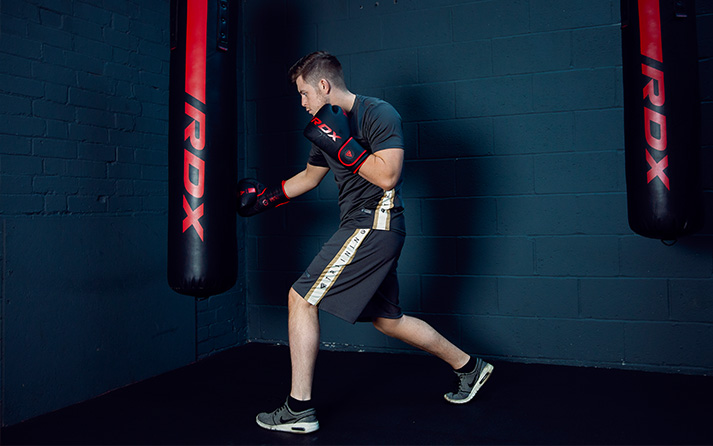
Even the type of boxing gloves you use can change your defensive proficiency. Choosing the appropriate gloves will significantly impact not only comfort but also performance. When it comes to boxing defense, you want gloves that offer sturdy padding to protect your hands and absorb impact—but not so bulky that they slow you down.
Another factor is glove weight. Heavier gloves (14–16 oz) are ideal for training as they develop strength and endurance. Allowing more mobility, lighter gloves enable faster movement, which is useful for actions such as parrying in boxing or slipping punches.
For defense, choose gloves that balance protection and flexibility. A good set should allow you to move your hands freely while also protecting you from hard shots. Find gloves that offer firm wrist support, breathable materials, and snug fits.
The defense focused boxing training gloves by RDX Sports are one of the best you can buy. They strike a good balance between protection and mobility, which is vital for defensive techniques. The RDX F7 Ego and the F4 Sparring Gloves are models known for comfort, durability and support during long sessions—make them great for inexperienced to advanced-level boxing.
Related Article: Equip Yourself for Success: Unveiling the Finest Boxing Gear Selections.
Before You Go…
Mastering boxing defense is important if you want to be a complete fighter. It protects you, saves energy, and establishes powerful counterstrikes. The drills and techniques here, from head movement to footwork in boxing, are your tools for a little extra leveling up.
Train smart, stay focused, and don’t skip your defense work. Remember, defense takes time—but with consistent practice, it can turn you into a fighter that’s hard to hit and even harder to beat.