



You need a lot of will when you want to excel in yoga but some things can actually help like yoga blocks. They just look simple but they aren’t. In reality, they can help you get where you want in yoga but can’t. They support you, stabilize your body and comfort you when you need it the most.
Let’s see how to buy the best yoga blocks in this blog below:
What are Yoga Blocks and Why You Need Them?
Beginners aren’t very flexible. These blocks help in this scenario. They become the extensions of your arms and legs and help you achieve the poses of yoga.
A good block can take pressure off your wrists, stabilize your hips, or deepen your stretch safely. When your hamstrings say “nope,” a block says “I got you.”
Yoga block benefits include:
- Enhancing posture and range of motion.
- Providing steady support in challenging poses.
- Reducing strain and preventing injuries.
Yoga blocks for beginners make poses more approachable. You don’t feel bad about not being able to do a certain pose when you have them. This means you don’t feel demotivated with these blocks. They are perfect for beginners but advanced yogis also use them. Just differently, though!
The Different Types of Yoga Blocks Explained
Not all yoga blocks are made equal. The material you choose can shape your whole experience, literally.
- Cork: Dense, eco-friendly, and naturally textured for grip.
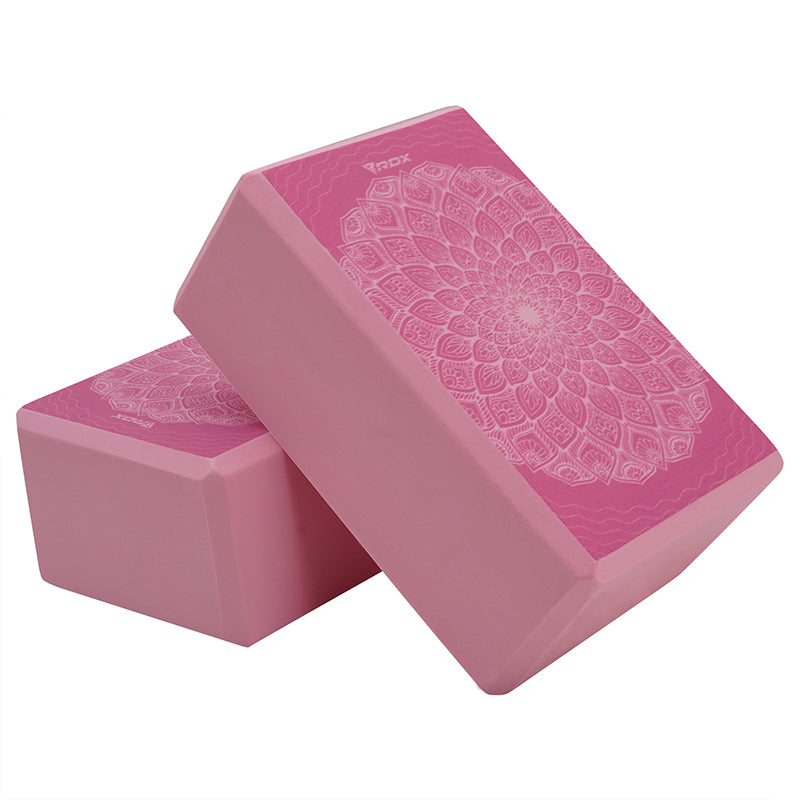
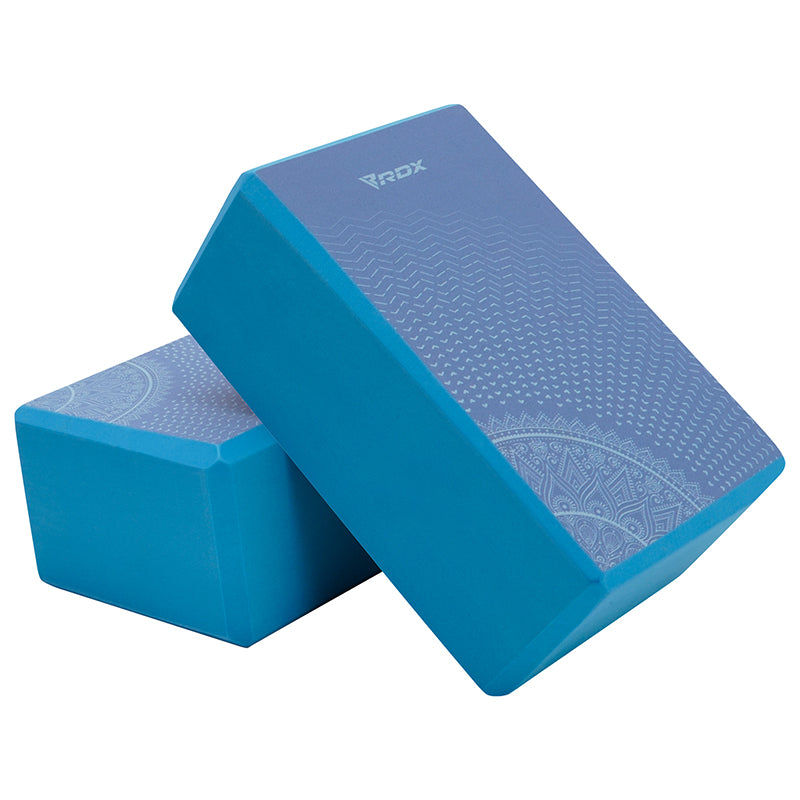
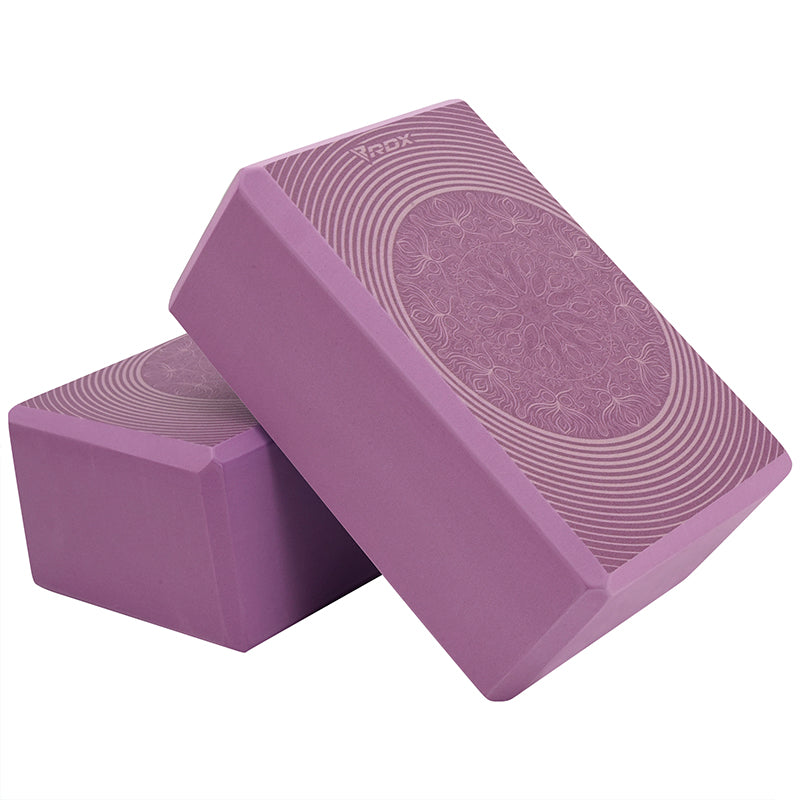
- Foam: Lightweight, soft, and perfect for travel or comfort-focused practice.
- Natural Rubber: Durable, grippy, and sustainably sourced.
If you travel often, go for lightweight yoga blocks made of foam. For stability and balance work, cork or rubber are solid choices. And if you’re into restorative yoga? Foam wins again – soft, forgiving, supportive.
These aren’t just props, they’re personalized tools within the bigger world of yoga props and accessories.
Related Article: 7 Essential Yoga Poses Every Athlete Should Practice for Better Performance
Cork Yoga Blocks: Eco-Friendly and Sturdy
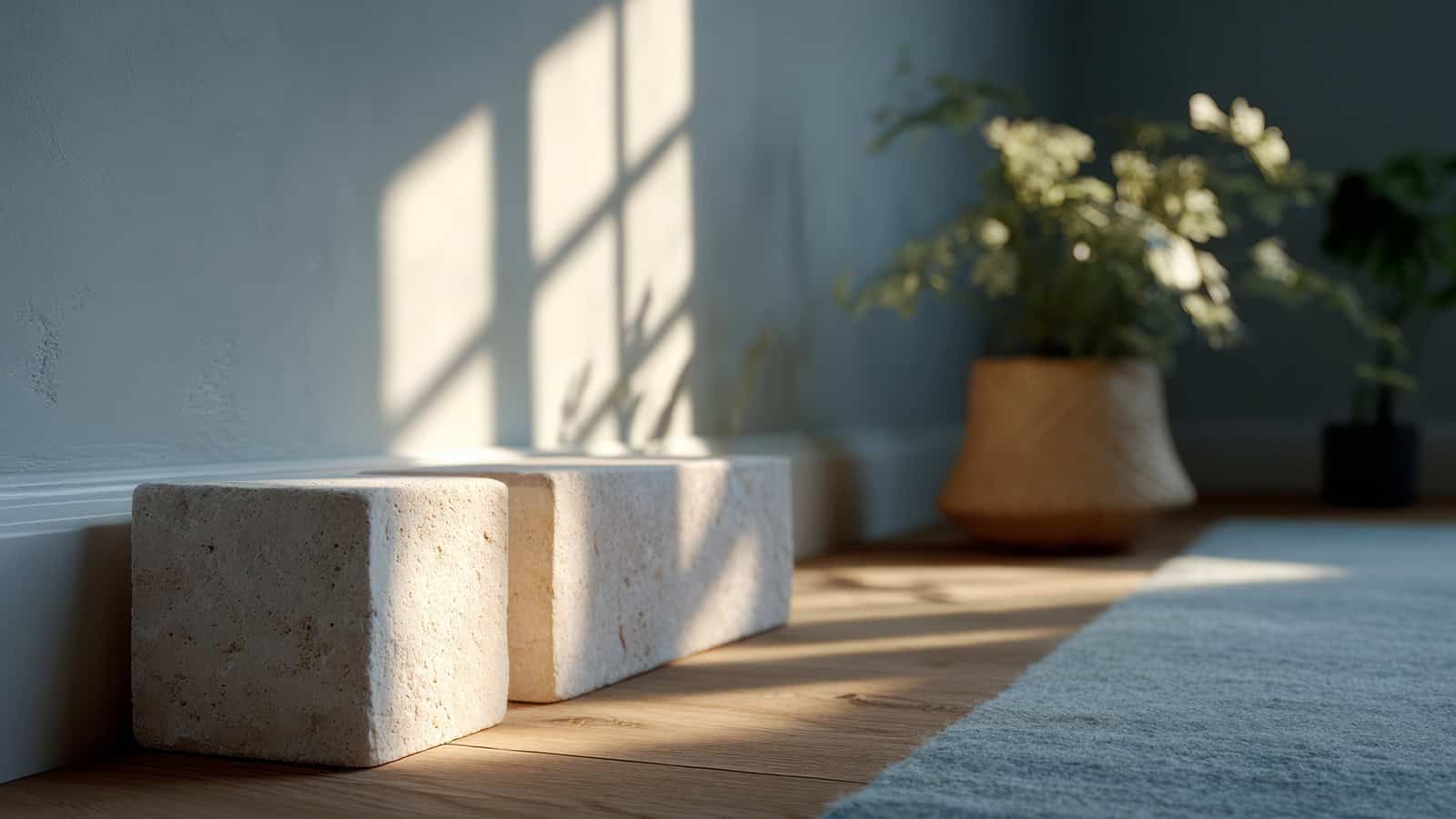
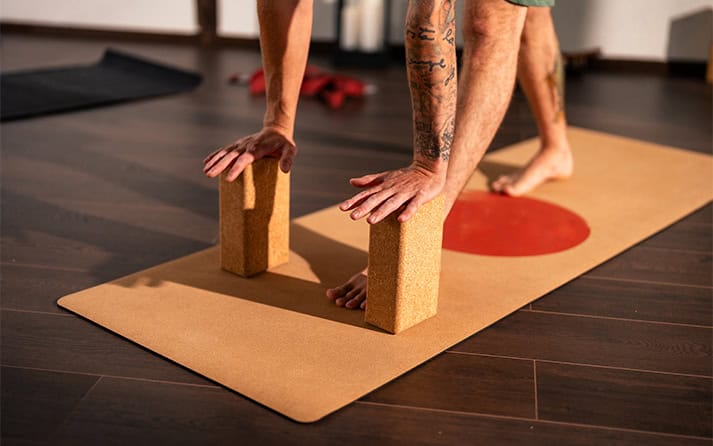
Made from natural cork oak bark, cork yoga blocks are firm, textured, and strong enough to handle serious weight without losing shape.
Pros
- Excellent for balance and stability work.
- Naturally anti-microbial and eco-friendly.
- Won’t compress easily over time.
Cons
- Heavier than foam blocks.
- Slightly rough texture (though some love that).
If your values are stern around saving the planet, these are the best for you. Choose eco-friendly yoga blocks for your own peace of mind.
When people compare cork vs foam yoga blocks, cork usually wins on performance and longevity, while foam wins on comfort.
Foam Yoga Blocks: Lightweight and Beginner-Friendly
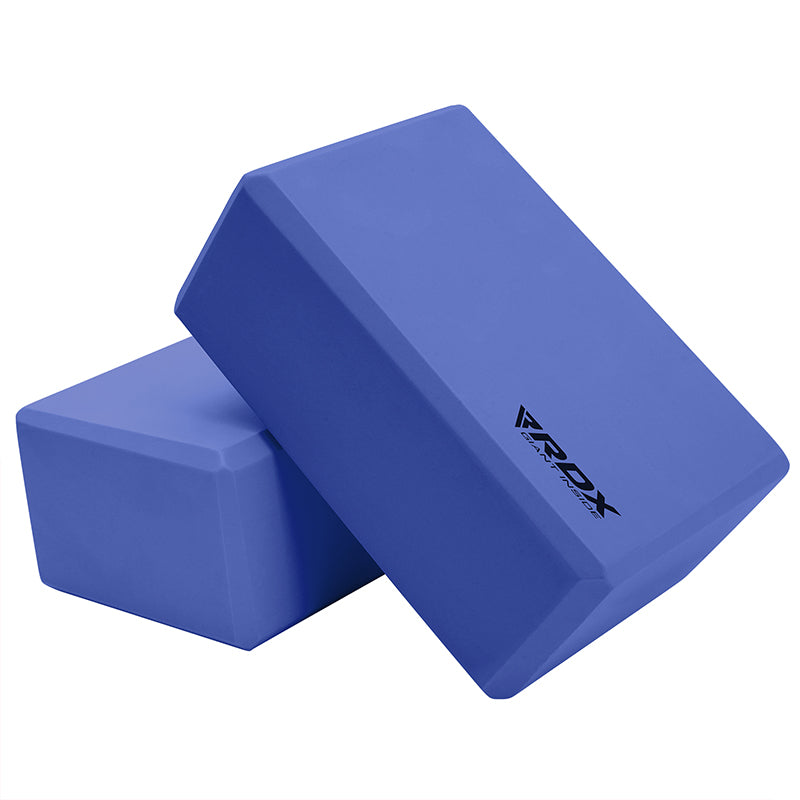
If cork feels a bit too serious, foam is your soft landing. Made from high-density EVA foam, these blocks are light, affordable, and perfect if you’re just getting into yoga.
When you’re holding a supported backbend or a long stretch, that cushiony feel just makes everything better.
Pros
- Easy to carry and super portable.
- Comfortable for restorative poses.
- Usually the most budget-friendly option.
Cons
- Less durable; may dent or lose shape with time.
- Not ideal for heavy pressure or advanced balancing.
Yoga blocks for beginners often stay here for their comfort, accessibility, and flexibility.
So if you’re looking for something soft and easy-going among the best yoga blocks, foam might just be your match.
Natural Rubber Yoga Blocks: Durable and Grippy
Natural rubber blocks sit somewhere between cork and foam, offering the best of both worlds for serious practitioners.
They’re made from natural or recycled rubber, giving them a distinct elasticity and incredible traction. You can press, twist, lean, they stay where you put them.
Pros
- Excellent grip on smooth floors.
- Long-lasting and durable.
- Biodegradable and kind to the planet.
Cons
- Slightly heavier than foam.
- May have a mild rubber scent at first.
If you’re an eco-conscious yogi who likes a challenge, these eco-friendly yoga blocks might be your sweet spot – strength and sustainability in one.
Related Article: The Power of Yoga: How Ancient Movements Shape Modern Wellness?
Cork vs Foam vs Natural Rubber: Quick Comparison
- Cork: Solid, stable, and sustainable. Feels grounded. Feels real.
- Foam: Soft and easy-going. Great for travel, comfort, and slower sessions.
- Natural Rubber: All about grip and durability. Eco-friendly too – if that matters to you (and it probably does).
If you can’t decide, don’t stress. Most yogis end up mixing it up anyway – a cork block for standing work, a foam one when you just want to melt into a stretch.
So here’s the cheat sheet: cork for structure, foam for softness, rubber for grip. Simple. And if you can? Keep one of each. Your yoga mat accessories will thank you.
How to Use Yoga Blocks Effectively?
You can buy the best yoga blocks out there, but if you don’t use them right, they’re just fancy rectangles sitting by your mat.
- For flexibility, place them under your hands in a Forward Fold or under your feet in a Lunge. It takes the strain off – lets you breathe a little deeper.
- For strength, squeeze one between your thighs in Bridge Pose. Feels small, burns big.
- For alignment, slide a block under your hips or shoulders. You’ll feel everything click into place.
- For balance, it’s that invisible helper in Half Moon or Triangle Pose – the one that keeps you from tipping over.
- And for relaxation, well, let it hold you. Under your knees, your spine, your heart. Especially in Reclined Butterfly Pose.
That sigh you let out after? That’s not just relief. That’s release.
Quick tip – keep your core engaged, spread your weight evenly. That’s how you get the most from every one of your yoga block poses.
How to Choose the Best Yoga Block for You?
If you want strength and stability, cork or rubber is the way to go. They don’t wobble or squish when the pressure’s on.
For travelers, lightweight yoga blocks (foam or TPE-based) make life easier.
If sustainability is part of your journey, cork and natural rubber win hands down – both biodegradable and eco-conscious.
And if your joints are sensitive, stick with foam. It’s gentle yet dependable.
Honestly, owning two blocks isn’t overkill, one firm, one soft, so you can mix them based on your flow. The real best yoga blocks are the ones that meet you where you are, then help you go a little further.
FAQ’s
Yoga blocks are not some useless accessory that you buy when you are a beginner and it just keeps lying in the corner because it is not of much use. It helps a great deal. It becomes an extension of your body and that is a huge plus in yoga. You can complete your moves, achieve your poses with much less effort and disappointment. The best yoga blocks help you on your fitness journey in many different ways. Order some right away!