




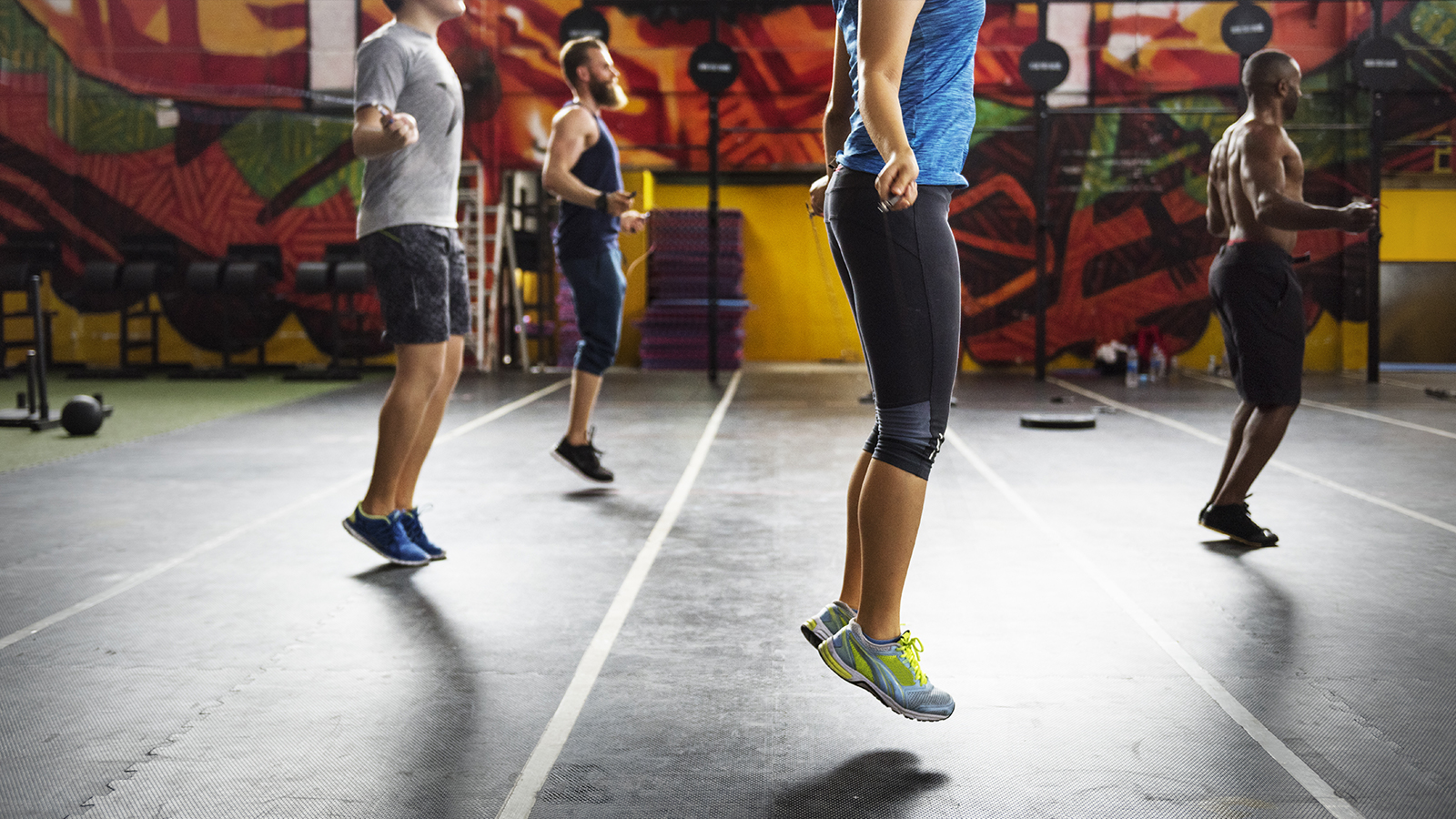
But here’s the thing—just jumping won’t cut it. You need the right moves. Jump rope workouts make you faster, sharper, and more explosive.
Not sure where to start? No worries.
We have some amazing workouts for you to start with:
Why Jump Rope is a Game-Changer for Speed & Footwork?
Benefits? Here you go:
Next-Level Coordination
Your hands, feet, and brain have to work together. At first, you’ll trip. A lot. But keep going, and your body learns to sync movements automatically. That’s pure gold for sports where footwork matters.
Faster Reflexes & Agility
It’s a game of speed. You need to react in seconds. Slow speed doesn’t work here. Jump rope exercises train your muscles to fire fast, helping you dodge, pivot, and move with precision.
Stamina Without the Boredom
Long runs? Not for everyone. Jump rope keeps your heart rate up, burns calories fast, and builds endurance—without the monotony of jogging for miles.
Stronger Legs, Fewer Injuries
Jumping rope strengthens legs. Strong legs have fewer chances of sprains, shin splints, and other annoying injuries. So, you’ll injure yourself much less if you enjoy jump ropes.
Perfect Timing & Rhythm
Jump rope drills teach us rhythm, timing, and smooth transitions. When you do jump ropes, you learn precision with speed.
Essential Jump Rope Techniques for Speed and Footwork

Jump rope for beginners is not just one boring movement. If we see the jump rope benefits, then we come to know that there are different techniques that you can do to make it fun:
Basic Bounce
Start here. This is the foundation. Keep your jumps low, stay light on your feet, and land softly. Think of it like dribbling a basketball—controlled, smooth, and effortless.
Alternate Foot Step
Now, switch it up. Instead of both feet together, alternate them like you’re running in place. This improves speed and endurance. Sprinters use the same movement to build quick turnover in their strides.
Boxer Step
Ever notice how boxers seem to float in the ring? This is their secret. Shift your weight from foot to foot while staying light. It builds rhythm, balance, and endurance—perfect for anyone who needs to stay quick on their toes.
High Knees
Lift those knees with every jump. It’s like sprinting but with a rope. This builds explosive speed and stamina, making your legs work faster and harder.
Side-to-Side Jumps
Think of dodging an opponent or cutting across the court. Jump slightly side to side instead of straight up. This improves lateral movement, keeping you agile and ready to react.
Criss-Cross Jump
Cross your arms on one jump, then uncross them on the next. It’s tricky at first, but it sharpens hand speed, coordination, and focus—like handling a fastball in sports.
Double Unders
This one’s for the pros. Swing the rope twice under your feet in one jump. It’s all about power and quick reflexes, forcing your legs and wrists to move fast. Master this, and your foot speed will go through the roof.
Best Jump Rope Workouts for Speed and Footwork
Here are some workouts to give you sharp reflexes and super speed footwork:
Beginner Jump Rope Routine (10-15 minutes)
Start with the basics. The goal is to get comfortable with the rope, build rhythm, and stay light on your feet. Think of it like learning to dance—if you’re stiff, you trip. Stay loose, and you’ll flow.
- 30 seconds Basic Bounce – Small jumps, soft landings. Imagine you’re bouncing on hot pavement—stay quick and light.
- 30 seconds Alternate Footstep—This is like running in place. It keeps the rope moving while training fast footwork.
- 30 seconds Boxer Step – Shift weight from foot to foot, like a boxer staying elusive in the ring.
- 30 seconds Rest – Take a breath, shake it out, and go again.
- Repeat for 3-4 rounds – Then hit it again.
Intermediate Jump Rope For Weight Loss Workout (15-20 minutes)
Now we add some movement. This routine will have you dodging, cutting, and reacting like an athlete.
- 45 seconds High Knees – Pump those knees up fast, like you’re sprinting through tires.
- 45 seconds Side-to-Side Jumps – Picture dodging an opponent or weaving through defenders. Stay in control.
- 45 seconds Criss-Cross Jump – Your arms might tangle initially, but your hand speed and coordination skyrocket when you get it right.
- 45 seconds Rest – Deep breath, shake out the legs.
- Repeat for 3-5 rounds – Then hit it again.
Advanced Speed and Footwork Training (20-30 minutes)
Now, it’s time to train like the pros. This routine isn’t just tough—it’ll push your speed, stamina, and reflexes to the next level.
- 60 seconds Double Unders – Rope passes under twice per jump. Feels impossible at first, but once you get it, it’s pure power.
- 45 seconds Lateral Jumps – Quick side steps, like cutting across a basketball court.
- 60 seconds High Knees with Jump Rope – This is your sprint—drive those knees up and move fast.
- 60 seconds Boxer Step – Active recovery, stay light and in rhythm.
- Sixty seconds Criss-Cross Jump – Master this; your hands will be as quick as your feet.
- 30 seconds Rest – Then hit it again.
- Repeat for 4-6 rounds.
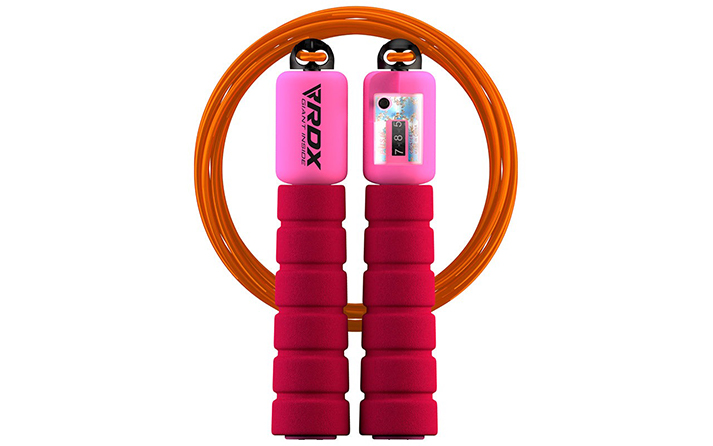
Remember, getting jump ropes that feel comfortable to use is essential. Jump rope cardio workouts can be the centerpiece of your workout and can do wonders if you do them correctly and consistently. Get a jump rope like the RDX W1 that comes with foam handles for extra comfort and stability.
Related Article – The Importance of Proper Footwork in Kickboxing Technique
Jump Rope HIIT Workout for Speed
Short on time? HIIT with a jump rope is brutal, efficient, and a game-changer. This workout mimics the intensity you need in real competition—short bursts of speed, quick recovery, then right back at it.
Workout Structure:
- 30 seconds jump rope sprint – Fast as you can, like you’re trying to escape an opponent.
- 15 seconds rest – Catch your breath, but stay ready.
- Repeat for 10-15 minutes.
Why It Works:
- Trains explosive foot speed—perfect for sports that require quick reactions.
- Burns fat fast without feeling like a dull treadmill session.
- Builds stamina so you can move with power even when you’re exhausted.
No fluff, no gimmicks. Just a rope, your determination, and real results.
Related Article – Sweaty HIIT Workout To Keep You Well-Protected This Winter
Tips to Maximize Your Jump Rope Training
Jumping rope has to be done right. What is the difference between effortless movement and tripping every few seconds? A few simple tweaks. Here’s how to get the most out of every session.
- Pick the Right Rope – If your rope is too long, it’ll drag. Too short? You’ll keep catching your feet. A good rule: Stand in the middle of the rope and pull the handles up. They should reach your armpits.
- Posture is Everything – Keep your back straight. Your shoulders should be relaxed, and core must be engaged.
- Start Slow, Then Speed Up – If you rush into fancy moves before locking in your rhythm, you’ll trip more than you train. Nail the basics first, then turn up the intensity.
- Stay Light on Your Feet – Think of the floor as lava. Quick, soft jumps help with speed and prevent unnecessary impact on your joints.
- Make It Sport-Specific – Focus on the boxer step if you’re a boxer. A basketball player? Add lateral jumps. Tailor your routine to movements that mimic your sport.
It’s essential to pick a jump rope that feels good in your hands and is easy to use. Jump rope can be a highly efficient element of your workout plan, generating excellent results. A jump rope with a digital counter can also come in handy to track your workouts—making your exercises easier and more fun.
Conclusion
Jump rope gives you all three: speed, agility, and endurance. It’s simple, but it works. The more you do it, the quicker and sharper you get.
No fancy equipment. No complicated drills. Just you, a rope, and the will to improve. Stay consistent, push your limits, and watch your footwork go to the next level.