



You’ve probably heard it everywhere – intermittent fasting is the magic key to burning belly fat. And honestly? It kind of is.
But how to go about it? Is it the same for everyone? How long should you stay hungry? These are complicated questions. Your friend might swear by skipping breakfast. You might feel like a zombie doing that. It’s not about the clock. It’s about your rhythm, your metabolism, your day, your life.
Still, some fasting windows do tend to work better for belly fat than others. Let’s talk through them – what happens in your body, how they compare, and which one might quietly become your go-to.
How Intermittent Fasting Actually Helps Melt Belly Fat?
Intermittent fasting gets hyped like it’s some mystical fat-melting spell… but really, it’s just your biology doing what it’s supposed to do. Nothing woo-woo. Just chemistry.
When you stop eating for a while, your insulin drops. This is when your body uses the stored fat.
And not just any fat, the stubborn belly fat. Belly fat is pretty bad. It doesn’t budge easily but when you eat after long intervals and there is low insulin in your body, it doesn’t have a choice but to melt.
And yeah, there’s more happening behind the scenes. Hormones start behaving. Inflammation chills out. Your body slips into repair mode – autophagy, the little spring-cleaning phase your cells love. Your body starts eating up dead and useless cells which cause deadly diseases if they are left to accumulate.
You’re not starving yourself; you’re giving your metabolism a breather it never gets in the eat-all-day lifestyle most of us default to.
That’s why intermittent fasting benefits go way beyond “weight loss.” It basically reminds your system how to use energy efficiently again. It flips you from storage mode to fat-burning mode, like switching from “save everything” to “okay, let’s use this fuel already.”
It takes time, though. The first week or two can feel weird, sometimes annoyingly so. But once your body adjusts? That stubborn belly, the one that never listens, finally starts paying attention. Intermittent fasting benefits are real.
Related Article: Do Sauna Suits Really Work? The Truth Behind the Sweat and Weight Loss?
The 16:8 Method – The Everyday Hero
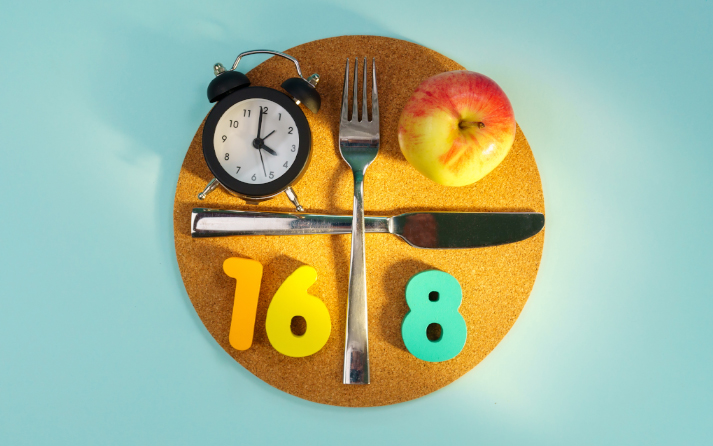
If you’ve ever tried fasting, you’ve probably done this one. The 16:8 fasting method is the people’s champ: 16 hours of fasting, 8 hours of eating. Think of it as skipping breakfast without skipping life. You might eat from 12:00 to 8:00 p.m., or 10:00 to 6:00 p.m. Totally flexible.
Why it works: it’s easy to stick with. You still eat every day, just not all day. Your insulin stays low for longer, fat-burning kicks in, and you stop snacking “just because.”
The best part? You don’t need to suffer. Coffee in the morning? Still fine. A normal dinner with friends? Still fine. The 16:8 window is the sweet spot for most people trying to lose belly fat, steady results, minimal chaos. It’s not sexy or extreme. But it works because you can actually live with it.
The 14:10 & 12-Hour Fast – Chill, Gentle, Doable
The 12-hour fast is simple. Finish dinner at 7 p.m., eat breakfast at 7 a.m. Done. You probably already do it sometimes without realizing. It won’t melt fat overnight, but it does regulate hunger and kill those late-night snack cravings.
Then there’s the 14:10 window – slightly longer fast, slightly better results. Still doable, still human. Great if you wake up hungry but can push breakfast a bit later. It’s also perfect for morning exercisers – you get your workout in, eat soon after, and still stay in a mild fast most of the day.
These two are the entry-level types of intermittent fasting – easy, sustainable, and honestly a nice warm-up before you go harder.
Alternate-Day Fasting – The Fat-Burn Furnace
Now we’re cranking up the difficulty. Alternate day fasting means you eat normally one day, then cut way down (like 500 calories) the next. So it’s “on-off, on-off.” Sounds simple. Feels… not so simple.
The upside? Massive fat burn. Belly fat, especially. Your insulin stays low for hours, your metabolism adapts, and you start tapping into those deep fat stores.
The downside? Life gets tricky. Try telling your friends you’re not eating today. Or surviving a meeting on black coffee and air.
The 5:2 Diet – Balanced, Kind of Brilliant
Five normal days. Two light ones. That’s the 5:2 diet. You eat normally most of the week. Then, on two days (non-consecutive), you drop calories to around 500 or 600. It’s less “fasting,” more “smart budgeting.”
The catch? Low-calorie days can make you cranky or sluggish if you’re super active. But if you plan it right, the 5:2 diet becomes a quiet, long-term lifestyle shift – not a crash course.
Eat-Stop-Eat – The Hardcore Reset
The weekly 24-hour fast, or Eat-Stop-Eat diet, means one or two full-day fasts a week. Dinner to dinner. Or lunch to lunch. No food for 24 hours.
That sounds dramatic – and it kind of is. But it works. It forces your body into deep fat-burning mode, resets hunger hormones, and can trigger noticeable fat loss fast. Most people cave the first few times, and that’s fine. You’re human.
Related Article: Accelerating Fat Loss: Sauna Suits and the Power of Sweating
The Warrior Diet – The Ancient Beast
Now we’re entering legend territory. The Warrior Diet. You fast for 20 hours and eat in a tight 4-hour window, usually at night.
Your body spends nearly the whole day in a fat-burning groove, inflammation drops, and your appetite shrinks over time. But make no mistake – it’s rough. You’ll be hungry. You’ll need to plan.
Still, the results are wild for those who pull it off. Rapid fat loss, mental clarity, less bloating. The Warrior Diet isn’t forever, but it can be a powerful reset.
So… Which One Burns the Most Belly Fat?
If we’re just talking speed, the tighter the window, the faster the belly shrinks.
But if we’re talking reality, what you’ll actually stick with, it’s the 16:8. Every time.
Here’s the quick cheat sheet:
- Best for most people: 16:8
- Best for beginners: 12-hour or 14:10
- Fastest visible results: 20:4 (The Warrior Diet)
- Most intense: 24-hour Eat-Stop-Eat diet
- Most balanced: 5:2 diet
How to Get the Most Out of Intermittent Fasting?
Let’s be real – fasting helps, but it’s not a magic portal to abs. You’ve still got to set the stage right.
A few things make all the difference:
- Eat real food. Protein, veggies, fiber. Stuff that fills you up and stabilizes blood sugar.
- Avoid sugar bombs. The frappuccino or late-night chips can undo a day’s worth of fasting magic.
- Stay hydrated. Black coffee and herbal tea are fair game. Water even more so.
- Move a little. Fasting pairs beautifully with light morning cardio or lifting weights later in your eating window.
- Seriously. Bad sleep messes with hormones and keeps belly fat hanging around.
Who Should Probably Skip It? (or Tweak It)
Intermittent fasting is awesome but it is not universal by any means. Some people are not built for it or their bodies need constant feeding. For example, if you are breastfeeding, you don’t need to have long hours without food. Same way, if you have diabetes, long hungry hours can hurt you more than bringing any benefits at all.
If you’re pregnant or breastfeeding, don’t do it. If you have diabetes, low blood pressure, or a history of eating disorders – talk to your doctor first. Same for high-level athletes who need constant fuel. Your health > your waistline. Always.
FAQ’s
So what’s the best fasting window for belly fat? The boring-but-true answer: the one you can actually keep doing. Usually, the 16:8 window is the best one since it is something most people can manage. You don’t have to choose the hardest plan for fat loss, actually, it is the one that you can easily manage. Be consistent and keep going. This is the secret to fat loss.
Read More
- Jump Rope vs Running: Which Cardio Workout Burns More Fat and Builds Endurance?
- 10 Simple and Healthy Salad Dressings For Weight Loss: Low-Calorie & Delicious Options
- Unlock the Powerful Benefits of Kickboxing: Weight Loss, Fitness, and More
- Ultimate High Protein Diet Plan for Weight Loss: Easy Meal Plans & Recipes