




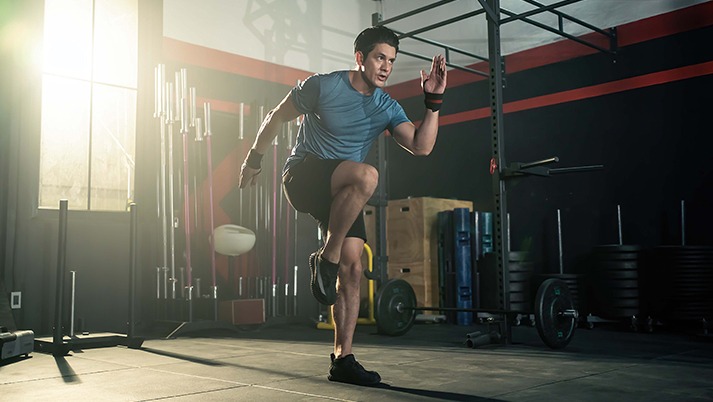
A well-designed circuit training routine also builds bigger and stronger muscles. Circuit training with a special focus on a sequence of exercises, intensity, and rest intervals drives better results.
Sports like boxing and MMA are extremely physically demanding and an athlete can be prepared for it professionally and effectively through circuit training workouts. These exercises build solid mental and physical resilience along with power and agility.
In this blog, we bring you an effective and best circuit training routine that is designed for MMA artists, boxers, and combat sports athletes, wanting to get stronger, bigger while improving health.
Benefits of Circuit Training for Combat Athletes

Circuit training for MMA fighters and boxers is a game-changer, offering a range of benefits to optimizing their performance in the ring. Here is how it benefits athletes:
Improved Muscular Endurance
The specific exercises incorporated in a circuit training routine with rest intervals and sets target different muscle groups, eventually improving muscular strength and endurance. With a wide variety of exercises in one routine, circuit training challenges muscles and boosts growth, making athletes strong with better endurance.
Related article: Stamina vs. Endurance? What’s the DifferenceBetter Cardiovascular Endurance
Circuit training not only works on muscle strength and power, but it has a very beneficial effect on cardiovascular endurance as well. With a variety of exercises focusing on every muscle group and controlled rest periods, improves oxygen supply to the muscles. Circuit training focusing on cardiovascular endurance is mainly used during pre-season. It can include exercises such as zig-zag running, sandbag carries, skipping, and shuttles, etc.
Related article: The Ultimate Guide to Fitness Sandbags: Functional Training for Strength, Core, and PowerFlexibility and Balance
Circuit training has this advantage of mixing up exercises when needed for different purposes. With strength focused moves, muscles and ligaments stay in optimal condition, promoting a better balance. Circuit training also improves functional fitness, improving the range of motion in joints, giving athletes improved flexibility.
Boosts Health
The cardio and strength for combat sports in circuit training routine also boost health by improving cardiovascular fitness. Doing fast rounds with shorter rest periods forces your muscles to push harder and exert greater force. The high-intensity circuit training also improves metabolism, while maintaining optimal body weight, which effectively contributes to better well-being and elevated athletic performance.
Enhanced Calorie Burn
The sandbag workouts, jump rope exercises, and strength-building exercises in circuit training intervals improves calorie burn in combat sports athletes. This also helps in improving basal metabolic rate, allowing athletes to stay in peak condition for fights.
Related article: Boxing for Weight Loss: Burn Calories & Tone Up Quickly
Key Components of an Effective Circuit for Fighters

The circuit training routine is a wholesome approach to get stronger, and build endurance. An effective routine consists of a right balance of cardio, strength, and agility drills to ensure fighters can show best performance in the ring. Cardio in training routine helps in building stamina and endurance in athletes. It also prepares them to deliver high kicks and punches with explosive power.
Incorporating high-intensity intervals can mimic fighting conditions, ensuring you are prepared to do explosive movements without getting tired. The circuit training routine should also include functional moves that enable you to perform sport-specific movements with great control, balance, and efficiency. The functional moves also work on core strength and build balance and mobility, which are essential to execute powerful strikes while maintaining a solid stance.
The full-body circuit training for athletes also includes optimal time for rest to avoid overtraining. With proper rest and recovery days, combat sports athletes are able to perform better in the ring.
The Best Circuit Training Exercises for Combat Athletes
Circuit training is a comprehensive workout that works on speed, agility, endurance, strength, power, and improves functional fitness effectively. To earn maximum benefits out of this routine, we have listed some best circuit training exercises to cater to the needs of fighters. The routine touches all essential components of a circuit training routine to prepare the athletes to exhibit best performance in the ring.
Strength and Power
Strength and power in athletes are an essential component of performance. It helps them to exert massive force quickly against resistance. To develop strength and power, the following exercises can help:
- Deadlifts: Targeting different muscle groups simultaneously, deadlifts strengthen the entire body. The compound exercise mimics real-life movements, increasing power for explosive kicks and sprints.
- Medicine Ball Slams: It is an effective exercise to build strength in upper body and core. Using a durable medicine ball builds explosive power and generates maximum force.
- Weighted Pull-Ups: Using a dipping belt when doing pull-ups intensifies the workout. Holding the pull-up bar also improves grip strength, which is essential for various combat sports.
Cardio and Endurance
Cardio improves overall fitness for athletes, strengthening the heart, and improving blood circulation. With cardio and endurance workouts, athletes manage to sustain their energy in high-intensity exercises.
- Battle Rope Intervals: It is a full-body exercise, challenging cardiovascular endurance. It engages the arms, core, and shoulders. With continuous intervals and rest periods, the exercise builds strong endurance, adapting a fighter to sustain energy needed in a fight.
- Burpees: A classic high-intensity exercise, burpees combine explosive power with cardio conditioning. Doing burpees elevates heart rate, building stamina for prolonged activities.
- Jump Rope: Athletes can improve their footwork along with stamina and conditioning with an effective jump rope workout.
Speed and Agility
Speed and agility enhance performance, allow athletes to move quickly and efficiently, and improve reaction times.
- Ladder Drills: Ladder drills are fast-paced, and important to improve foot coordination, reaction speed, and develop quickness in athletes. These drills train the muscles to execute quick and precise movements, important for rapid direction changes.
- Cone Drills: The exercise builds agility and coordination in athletes. These drills train the athlete’s body to pivot, accelerate, and decelerate while maintaining balance and control and building lower body strength and stability.
- Shadow Boxing with Resistance Bands: It is an innovative training technique combining the benefits of shadowboxing and added resistance. Using resistance bands create extra tension in punches, improving endurance and muscle strength.
Related article: How to Create the Perfect Shadow Boxing Environment
Functional Fitness
Circuit training should include exercises that mimic real-life movements, as it improves athletes’ functional fitness.
- Kettlebell Swings: Essential to build hip power and coordination, this exercise with kettlebells helps athletes to build powerful kicks with balance and stability.
- Bulgarian Split Squats: This isolation exercise builds lower-body strength while working on balance and stability, which is important for strong stances. Using weighted equipment in this exercise builds explosive power.
- Sandbag Carries: It is a full-body exercise that works on grip strength, core strength, and improves overall fitness, helping athletes to strengthen their kicks and grappling techniques.
Sample Circuit Training Routine for Combat Athletes

Strengthening your muscles while sharpening your kicks should be the goal of circuit training. Here we have a sample circuit training with the best circuit drills for combat sports:
Warm-Up
A warm-up routine for athletes’ circuit training should be detailed, ensuring the conditioning of every muscle group. A proper warm-up prepares the body physically for a more intense routine, improving blood circulation and reducing stiffness and injury risk.
A warm-up routine should include some dynamic stretches, such as hip mobility exercises, along with some cardio moves to elevate heart rate. Spend 5-10 minutes in your warm-up.
Circuit
An effective circuit training routine for athletes looks like this:
- Start with medicine ball slams for 30 seconds.
- Quickly transition to the jump rope routine. Try different footwork techniques. Do this routine for one minute.
- Without resting, hang onto the pull-up bars. Use a dipping belt here to intensify the moves. Do at least 12–15 reps.
- Next, include 30 seconds of fasted ladder drills.
- Followed by Bulgarian split squats with heavy weights and 13–15 reps on each leg.
- Finally, the circuit will be ended with a conventional deadlift with a heavy weight.
- Rest for 30–60 minutes and repeat this 4 times.
Cool-Down
After you are done with the main circuit, make sure you spend enough time in your cool-down. Doing this helps your body to healthily transition from high-intensity activity to a rested stage, lowering down your heart rate. Include dynamic stretches to improve flexibility and release tension from the muscles. Spend 10-15 minutes in your cool down.
Tips for Maximizing Circuit Training Effectiveness
Combat athlete workout routines can be made a lot more effective with some easy and simple tips. Following are some techniques that you can use to maximize the effectiveness of the routine:
Focus On Form
If form is not correct in any exercise, you better skip it because it is bringing no benefits. The combat training exercises for athletes need a proper form and technique. It ensures fighters are engaging the right muscles, keeping them safe from developing injuries.
Progressively Overload
The routines for functional fitness for fighters focuses a lot on progressively overloading every few weeks. Doing this challenges the body, and ensures the muscle development process does not stop. Adding more resistance in your workouts or increasing the intensity should be your goal, so make sure you track your reps and PR.
Related article: What is Progressive Overload? | Progressive Overload Training
Mix Your Routines
Mixing fighter-specific workout routines ensure athletes don’t hit plateaus. It is recommended to change your workouts often to avoid boredom. Actively making changes in your circuit training routines also helps in engaging all muscle groups of the body, making fighters strong and powerful.
Conclusion: Unlock Your Combat Potential with Circuit Training
Circuit training for combat athletes yields various benefits, such as improved health, better endurance, and a better ability to perform in the ring. The routine also works well for your power development, ensuring you are landing strong punches and kicks without hurting yourself.
The circuit training routine for fighters develops strong mental resilience and reaction time, improving speed and agility, all of which are an essential component for an effective fight. For any fighter, it is vital to have 3–5 days of circuit training focusing on all major muscles while building core strength.
It gives you the power and speed to win any match against your opponent. So, work with a trainer, list down your goals, and incorporate circuit training into your routine to become the next Muhammad Ali.