




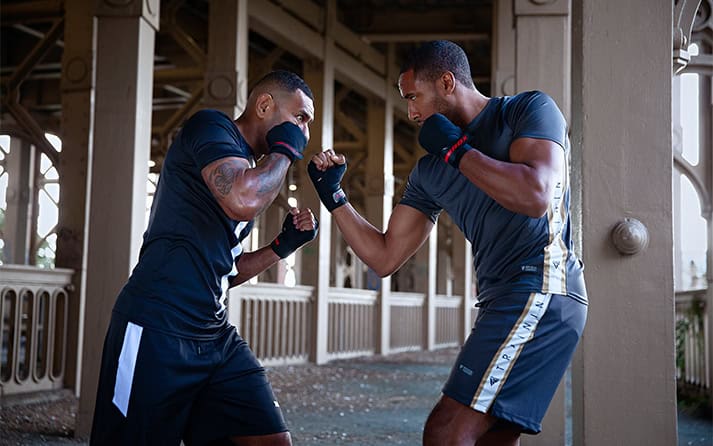
Sparring in boxing isn’t just hitting pads or practicing alone. It is the bridge between drills and actual fight performance. This is where you test your skill, timing, and mindset.
Every boxer needs this experience to grow. Sparring in boxing teaches composure under pressure and reaction to real scenarios.
What is Sparring in Boxing?
What is sparring in boxing really? It is a controlled practice with a partner under supervision. The goal is not to knock out your friend. Instead, it is about learning timing, refining punches, and testing strategies safely.
A controlled, supervised session with a partner is what you call sparring in boxing. Both boxers agree on rules, intensity, and goals beforehand. It is a safe environment to practice real-fight situations. Coaches monitor every move to prevent injuries.
Goal of Sparring
The main aim of sparring is skill improvement, not winning. Boxers work on strategy, combinations, and defense. Conditioning also improves naturally during these sessions. These lessons transfer directly to real matches.
Intensity Levels
Technical sparring is all about form, timing, and strategy. You move, think, and react without hitting too hard. It lets you practice combos and defense without the risk of big hits.
Hard sparring simulates real fight intensity but is still controlled. Both are important. What if you overdo one type? You risk injury or miss learning subtle skills. Mixing both helps you grow smarter in the ring.
Benefits of Sparring in Boxing
The benefits of sparring in boxing come from testing techniques in live scenarios. You learn timing. Distance. Strategy. What if you skip sparring? Your punches may stay mechanical. Every move starts to make sense in real ring conditions.
Real-World Application
Sparring in boxing lets you try combinations and defense under realistic conditions. It is not about perfection. You find out what works and what does not. Each session shows mistakes and successes. Skills become reflexive, ready for real bouts.
Improved Reflexes
Sparring trains reflexes and reaction speed. Your body learns to move before you think. What if you only hit a bag? Reflexes stay limited. Sparring in boxing makes split-second decisions automatic. Quick hands and fast feet are built in real ring situations, not on mats alone.
Ring Composure
Facing a live partner teaches calm under pressure. You learn patience when punches come fast. Ring composure is earned. Not given. Each round teaches you to move smart, avoid panic, and handle stress.
Tactical Decision-Making
You read patterns. Exploit openings. Adjust strategy. What if you fight mechanically? Your fight IQ stays low. Benefits of sparring in boxing include anticipating opponents and reacting smartly. Strategy and instinct grow together with every session.
When to Start Sparring in Boxing Training


Timing is everything in boxing. You should only begin when to start sparring in boxing training after mastering basics. Stance, guard, punches, and defense must be solid. Patience now saves mistakes later and builds a stronger foundation for real sparring sessions.
Master the Basics
Before sparring, fundamentals must be mastered. Your stance should be steady. Guard tight. Punches sharp and defensive skills ready. What if you skip this? You risk injury and poor technique. When to start sparring in boxing training depends on readiness. A solid base makes every sparring session safer and more productive.
Coach Approval
Trainers evaluate readiness and technique. Coach approval ensures sessions are controlled and effective. Your first sparring experience sets the tone for all future growth.
Progression Plan
Start with drills. Move to light sparring. Then gradually try harder sparring. What if you jump steps? Injuries and frustration happen. When to start sparring in boxing training includes following this progression carefully.
How to Choose a Sparring Partner?
How to choose a sparring partner depends on skill level, attitude, and compatibility. What if you pick someone too advanced or too slow? Progress stalls or injuries happen. Careful selection boosts learning, safety, and confidence in every sparring session.
Match Skill Level
Your partner should match your skill level. Too advanced and you get discouraged. Too basic and progress slows. How to choose a sparring partner includes assessing abilities first. Both boxers learn, improve timing, and sharpen technique without overwhelming or under-challenging either fighter.
Train with Varied Styles
Sparring with different styles improves adaptability. Facing orthodox, southpaw, or defensive fighters teaches new responses. What if you always train with one type? You stay predictable. A versatile partner helps you grow smarter in the ring.
Weight Class and Trust
Matching weight class keeps sparring realistic and safe. Consistent, balanced sessions with the right weight and trust accelerate skill development and make every round productive and rewarding.
Boxing Sparring Equipment List
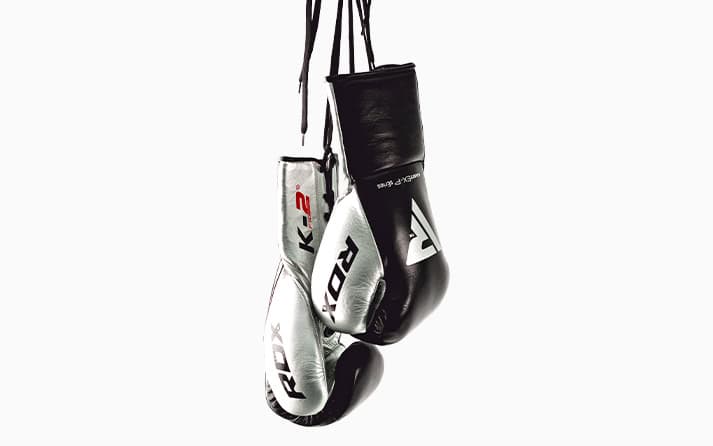

A proper boxing sparring equipment list ensures protection, comfort, and effective training. Missing essential gear increases injury risk. Let us delve into the gear every boxer needs to train confidently and reduce chances of injury.
Mandatory Gear
Optional Gear


Safety and Comfort Tips
Always check the fit and condition of your gear. Ill-fitted gloves or loose headgear can ruin sessions. This boxing sparring equipment list isn’t just about owning items but using them properly.
Boxing Sparring Safety Rules
Safety is everything in the ring. Boxing sparring safety rules are there to protect you and your partner. Always spar under coach supervision. Agree on pace, power, and goals before stepping in.
Controlled Contact
Keep punches measured and controlled. No wild swings or excessive force. Boxing sparring safety rules focus on controlled contact to reduce accidents.
FAQ’s
Sparring in boxing is a vital step for every boxer. It builds timing, composure, and adaptability. Safe sparring with the right partner accelerates progress.