



In this piece, we will break down the top 5 armbar submissions from positions like guard, mount, and back control. You will also see why understanding all these MMA armbar variations is such a big deal. Once you know how to spot the setups, you can turn the tiniest opening into a finish. That is what makes the armbar in MMA a weapon every fighter needs.
Armbar from Guard: The Classic Submission
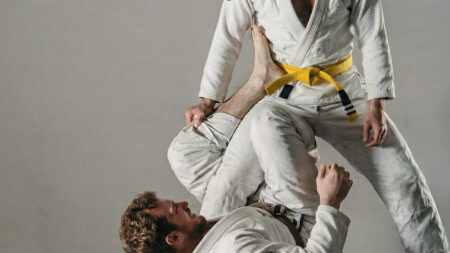
The guard is one of the first places fighters learn to hunt for armbars. Being on your back might look like you are losing, but really you are setting traps. With your legs wrapped around the opponent, it is easier to control their posture, set angles, and work toward isolating an arm. That is the beauty of catching an armbar from guard — it flips the fight in a heartbeat.
Position Breakdown
From your back with your guard closed around the opponent, you control their hips and stop them from posturing up. This keeps them close enough to attack. The guard becomes a safe zone where you start breaking their arm free, preparing to swing into the armbar from guard.
Execution
It starts by isolating the arm. Grab their wrist with one hand and cup behind their elbow with the other. Shrimp your hips out to the side so you are not flat. Swing your leg high over their head, squeeze your knees, and lift your hips. This rolls you right into the juji gatame, the traditional armbar finish.
Key Details
Hold their posture down so they cannot yank free. Angle your body, clamp your knees tight, and do not rush. A lot of folks forget to pinch their knees or keep the arm tight to their chest. That small slack gives the opponent space to pull out, and now your chance at the armbar from guard is gone.
Related Article: MMA fighting techniques you should know
Armbar from Mount: A Dominant Position for a Powerful Submission

The mount is about as strong a position as you can get. Sitting on your opponent’s chest with your knees tight to their ribs means they carry all your weight. They are already struggling to breathe, which makes it the perfect time to look for an armbar. A clean armbar from mount can end a fight fast, leaving your opponent stuck and gasping.
Position Breakdown
When you are mounted, your hips control their hips, your knees dig into their sides, and your weight drops straight through their lungs. They have almost no room to wiggle. That makes it easier to find chances for the armbar from mount without much risk of them powering out.
Execution
Start by isolating their arm. Pin it to the mat and slide your same-side knee up by their ear. Post your opposite foot high, then swing that leg around their head. As you fall back, keep their arm glued to your chest and squeeze your knees. The kimura trap to armbar is a slick bonus here. If they fight the armbar, you can switch grips and threaten the kimura right away.
Key Details
Keep your hips heavy so they cannot bridge out. Balance is huge. If you lean too far, they will roll you. Use your legs to pinch their arm tight and slowly extend your hips. That is how a solid armbar from mount stays locked in without losing the finish.
Armbar from Back Control: A Subtle and Effective Transition
Most folks think back control only means hunting for chokes, but it is also prime real estate for armbars. While your opponent is busy worrying about your hands around their neck, you can sneak one arm free and flip them straight into a nasty armbar. It is slick, sudden, and can catch even high-level grapplers off guard.
Position Breakdown
With back control, you have your hooks in and your chest tight against their back. This gives you full control over where they move. They are so busy defending the choke that they forget about their arms, which is why the armbar from back control works so well.
Execution
Start by isolating one arm. Slide your leg over their head while pulling the arm across your chest. Rotate your hips and sit back into the submission. With good pressure, the armbar transitions here are almost invisible. One second you are on their back, the next they are flat on the mat with their arm stretched.
Key Details
Most opponents do not expect this, since they are freaked about chokes. Keep your seatbelt grip tight until you are ready to switch. Roll slow, keep everything pinched, and finish by leaning back smooth. That is how you turn armbar transitions from the back into clean submissions.
Shotgun Armbar: A Dynamic and Fast Submission

The shotgun armbar is flashy, quick, and hits before your opponent even figures out what you are doing. It is all about timing. You use their momentum against them, explode into the armbar right off a scramble, a clinch break, or a failed takedown. When done right, it looks almost effortless, but make no mistake — it is brutal on the arm.
Position Breakdown
Unlike slow setups from guard or mount, this starts standing or during a scramble. You catch the opponent off balance, then shoot right into the shotgun armbar. The surprise alone is often enough to break their defense.
Execution
As they reach or post, grab the wrist and yank it tight to your chest. Pivot hard on your feet, swing your leg over their head, and drop back. The whole thing takes maybe a second. This is where you see why MMA armbar variations matter so much. They give you answers from weird spots.
Key Details
Speed matters more than power here. If you wait too long, they pull back and you lose it. Focus on staying tight to the arm, driving your hips up as you fall. That quick snap makes the shotgun armbar dangerous even if you do not get full extension right away.
Armbar Cutting: A Tactical Submission for High-Level Grapplers
Some submissions show up after hours of grinding in the gym. The cutting armbar is one of those slick tools high-level grapplers pull out when the normal stuff stalls. It plays on timing, angles, and your opponent’s defenses. You let them think they are safe, then slice across with a sharp finish that almost feels unfair.
Position Breakdown
The cutting armbar happens when your opponent braces hard, usually after defending another sub. You shift your hips, change the angle, and carve across their body. It is sneaky because it uses their own posture against them. That is why top grapplers keep the cutting armbar in their toolkit.
Execution
Start by locking up the arm as if you are going for a standard armbar. As they frame or twist, slide your hips off at an angle. Pull their arm across your belly while dropping your outside leg over their face. This diagonal drive tightens everything up, making the armbar transitions lightning fast.
Key Details
Timing is everything. If you go too early, they adjust. If you wait too long, they crush your leg. You need to feel their weight shifting, then slice. Keep your knees pinched, hips low, and crank across, not just straight back. That is how the cutting armbar breaks stubborn defenses.
Related Article: Discover the Four Boxing Styles: Which One Matches Your Fighting Style?
How to Finish the Armbar Effectively?
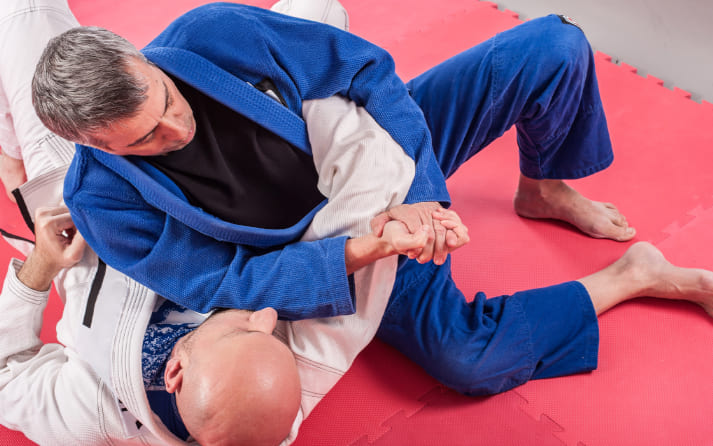
You have the arm locked up, legs squeezed tight, hips ready to fire. Still, a lot of fighters mess up this last part by yanking too early or letting the wrist slip. Finishing an armbar takes calm steps, steady hips, and tight control all the way through. That is how you turn a simple setup into a sure tap.
Key Mechanics
Keep the wrist pinned right to your chest so it cannot slide free. Use your hips to drive up, not just your arms. That is where the real power happens. Make sure one leg pushes against their ribs while the other curls heavy over their face. That stops them from twisting and keeps the arm stuck. This is the core of how to finish armbar attempts without losing position.
Step by Step Finish
- Start by pulling the arm deep to your chest so it feels locked in. Their shoulder should be tight against your body with no slack.
- Rotate your belly so it lines up toward their ear, then squeeze your knees. This locks their arm in a straight path and stops them from rolling out.
- Lift your hips slow and steady until you see the arm extend and they either tap or tense up. A smooth pull always works better than a hard jerk.
Common Mistakes to Avoid
- Letting them rebuild posture because you relaxed your grip on the wrist. If they sit up, they break your control and pop right out.
- Opening your knees wide for more space. That gives them room to twist and slip their arm free.
- Leaning back too fast which rocks your base and leaves you scrambling, losing the entire grappling armbar setup you worked so hard for.
Armbar Transitions: Moving Between Positions
A solid MMA fighter never stays stuck in one spot hoping for a miracle. They know how to flow between guard, mount, and back control to keep their opponent guessing. That is what makes armbar setups so dangerous. Each position opens a new door, and learning to switch smoothly is what turns a simple hold into a real threat.
Importance of Transitions
Moving from one position to another does more than look flashy. It pulls reactions out of your opponent, making them defend in ways that open up submissions. Sliding from guard to mount is huge for securing an armbar from mount after wearing them down in guard. The smoother you shift, the less time they have to catch up.
From Guard to Mount
When your attacks from guard start slowing down, pop up to mount. Use your feet on their hips, scoot your butt out, and swing your knee over their belly. This puts you right on top with gravity on your side. Now the armbar transitions feel easier because your weight does half the work, and they are stuck fighting off your balance and punches too.
From Side Control to Back Control
If your opponent turns to escape side control, slip your hooks in and take their back. From there, you can fish for chokes or switch to an armbar the second they defend their neck. Practicing these flows means you can go from a simple pass to a locked arm without giving them a break. That is why grappling armbar setup drills focus so much on smooth moves.
Conclusion
The armbar is still one of the deadliest moves in MMA. It is slick, works from everywhere, and can end fights before your opponent knows what hit them. Knowing how to hit it from guard, mount, or even back control means you are never out of options. That is what makes the armbar in MMA such a must-have skill for anyone serious about the cage.
Drilling different setups, mastering the tiny finishing details, and learning smooth transitions is how fighters turn it from just another move into a real weapon. These MMA armbar variations are not just flashy tricks. They are what give you answers when the fight starts to slip.