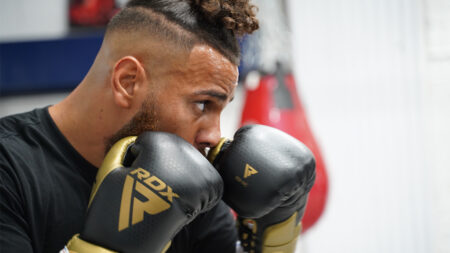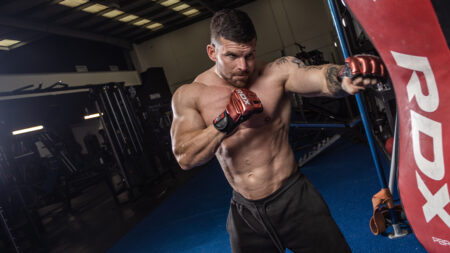





This article breaks down the real numbers, the training behind that force, and how much technique plays into it. From amateur boxing punching power to core strength and drills, we’re unpacking everything that builds a solid punch.
And yeah, it’s not all about size or muscle. Sometimes, the smallest guys hit the hardest. Let’s find out why.
How Hard Do Amateur Boxers Punch?
You hear the gloves snap and think, wow, that’s power. But when it comes to how hard do amateur boxers punch, things aren’t always as crazy as they seem. Punch force in amateur circuits isn’t just about size or rage. It’s a mix of timing, body mechanics, and controlled aggression. So let’s break it down. How strong are those punches really?
Understanding Punching Force in Amateur Boxing
Every punch has science behind it. The real power comes from the ground up — legs to hips to fist. Amateur boxers train for snap and precision, not wild haymakers. Their form adds more to the hit than raw muscle. Most of the force is created by torque and proper kinetic chaining, not just brute strength alone.
Punching Force in Pounds
Studies suggest the average amateur punch packs around 600 to 900 pounds of force. That’s no joke. A well-trained welterweight can throw enough to rattle you without even looking like they’re trying. Amateur boxing punching power improves with speed, timing, and body control.
How Strong Do Amateur Punches Hit by Weight Class
Size still matters. Heavyweights tend to punch harder because of sheer muscle and body mass. But don’t sleep on lightweights. With clean technique and better rotation, even smaller boxers can land surprisingly damaging shots. How strong do amateur punches hit depends more on form than weight alone.
The Role of Speed vs. Power
You might think faster means stronger. Not always. A punch thrown fast without balance won’t land right. But if it’s fast and technically sound, now we’re talking power. The cleanest punches are the ones you don’t see — tight, explosive, and timed like a whip crack.
Factors That Affect Punching Power in Amateur Boxing
Punching power is not some magic gift. It’s built step by step — through movement, tension, control, and raw drive from your body’s deeper systems. Here’s how amateur boxers build real force in their punches without relying on just arm strength.
Technique and Kinetic Transfer
Sharp technique creates explosive power. It connects the full-body chain — legs to core to arms — into one smooth strike. Every inch of your motion adds up. You could be the strongest guy in the gym, but if your mechanics are off, the punch falls flat. The way your body moves as a single unit decides how much energy actually reaches your target.
Core Strength and Power Chain
Power starts from the center. Your abs, hips, and back don’t just support your movement — they drive it. Solid boxing core strength training creates torque when you twist, which multiplies the punch. Think of your core as a bridge. If it’s weak, the energy leaks out. But a tight, explosive core? That transfers energy like a spring.
Leg Drive and Stability
Your lower body is the real secret behind force. Most amateurs ignore it. But every hard punch starts with a push from the floor. Strong, planted legs stabilize your stance and give you a base to launch from. A good punch is not just thrown, it’s pushed up through your body. Even when standing still, your legs should feel active.
Breathing for Power Output
Breath control sounds minor, but it fuels everything. When you exhale sharply as you strike, you tighten your core and time your force. It helps you stay calm, conserve energy, and hit harder without tiring fast. Controlled breathing locks your rhythm in place. Every elite boxer trains this like a skill — it turns fatigue into fire.
Glove Type and Impact Absorption
Your gear can shift the punch feel completely. Lighter gloves deliver more sting, while bulkier gloves cushion your hits. This matters for sparring and real bouts. The glove weight also affects your own endurance and wrist control. Even small changes impact your punching force in pounds, so you’ve got to match your gloves to your training goal.
How Punching Power Varies by Weight Class
Not all punches are built the same. Weight class changes everything — from the raw numbers behind the impact to the way punches are thrown. Let’s break down how size, speed, and skill all come together in the world of amateur boxing force.
Impact of Weight Class on Power
More body mass means more potential energy. Heavier boxers load their punches with muscle and weight, so when they connect, it lands heavy. But don’t count out smaller fighters. They might not carry size, but they use every ounce smartly. Sharp movement and leverage can level the field. Punching power by weight class is a balance of force and physics.
Heavyweights vs Featherweights
When a heavyweight like Deontay Wilder swings, he can generate up to 2,000 pounds of pressure — a full-body cannon. Featherweights or flyweights might only land 700–900 pounds, but their punches are fast, clean, and constant. The power feels different. It’s like a hammer blow vs a nail gun. Both hurt. One’s just bigger.
Speed vs Strength: Two Kinds of Power
Smaller guys don’t play the same game. They snap punches with high velocity. They aim for speed and precision. Bigger boxers slow it down, putting their whole body behind each punch. One overwhelms, the other slices. In amateur boxing punching power, it’s not just who’s stronger — it’s who uses their strength best.
Boxing Technique: The Key to Improving Punching Power
It’s wild how much force can come from such a short movement, right? But here’s the twist. Even the strongest guys in the gym won’t hit hard if their technique is off. In amateur boxing, it’s not just about how built you are. It’s about how clean you move. If your form is sloppy, all that energy leaks out before your fist even lands.
Technique Makes or Breaks the Punch
A punch isn’t just an arm thing. It’s a full-body movement. From the ground to your toes, to your hips, to your shoulder and finally your knuckles. It’s this chain of motion that delivers force. Break one link and the punch fizzles out. That’s why amateur boxing technique drills are gold. Every small adjustment you make adds up. Tilt your foot differently and your whole shot changes.
Learn the Mechanics the Right Way
Most beginners throw punches with just their arms. That’s the first mistake. You’ve got to drive power from your legs. Twist your hips. Snap your torso. It’s all about timing and rhythm. Slow it down in the mirror. Feel how each part of your body moves before, during, and after the punch. And if you’re wondering how to punch harder in boxing, this is it. Not extra muscle. Better mechanics.
Drills That Reinforce Good Technique
Shadowboxing works wonders. Not just flailing around, but focused, slow punches. Heavy bag rounds help too, especially when you try hitting with your whole body. Add resistance bands to teach muscle memory. Speed bag sharpens timing. And always, always record yourself. Small things you don’t feel, you’ll see. Over time, clean mechanics mean harder punches with less effort. And less wasted motion means more stamina.
Boxing Training for Power: Essential Exercises
If you want to hit harder, you’ve got to train smarter. Raw strength alone won’t cut it. What matters is how that strength transfers into your punch. That’s where focused training steps in. Building explosive power means hitting the gym with purpose. Let’s break down the exact workouts that actually help improve punching power.
Strength Training That Translates Into the Ring
Big lifts matter. Deadlifts, squats, and presses create that full-body tension needed to punch with power. Think of them as the foundation. Without that base strength, your punch won’t carry weight. But it’s not about lifting like a bodybuilder. Keep it functional. Focus on speed, control, and form. The goal is explosive strength, not just size. That’s what boxing training for power really means.
Core Workouts That Drive Every Punch
Your abs, obliques, and lower back act like the engine of your punch. When that engine fires right, your fists follow with force. Russian twists, hanging leg raises, planks, and rotational throws—these are your daily bread. You don’t need six-pack abs. You need power behind your twist. And strong core muscles are what transfer force from the floor to your glove.
Plyometrics That Boost Explosiveness
Want to explode into your punches? Train your fast-twitch muscles. That means box jumps, squat jumps, clap pushups, and jump lunges. These drills teach your body to generate force fast. You’ll notice it when your hooks snap faster and your jabs land sharper. Do not skip this. It turns sluggish strength into lightning speed and raw pop.
Upper Body Moves That Add the Finishing Touch
Finish it off with focused upper body work. Push-ups are old-school but gold. Pull-ups build grip and back power. And push presses hit your shoulders and triceps just right. These muscles support your punch delivery. The stronger they are, the smoother your mechanics. And smoother mechanics mean more consistent power in every round.
Related Article: Amateur Boxing and Professional Boxing: Rules and Regulations
Preventing Injury While Training for Power
Power training sounds cool till your wrists scream and your shoulders lock up. Most amateur boxers mess up here. They chase harder punches but ignore small things like warm-ups, wraps, and rest. That’s where long-term damage begins.
Common Ways Boxers Hurt Themselves
Most injuries start with bad habits. Skipping warm-ups, using stiff shoulders, overtraining without enough rest. The joints and ligaments start breaking down slowly. Even with the best boxing glove impact reduction, if your form sucks or your gloves don’t fit right, injuries will catch you.
Gear Up Like a Pro
First thing, always wrap your hands tight. Use gloves that actually suit your hand size. Don’t go for thin padding just to feel powerful. That will backfire. Good gear reduces shock, supports joints, and keeps your hands from absorbing the full force.
Smart Recovery Fixes Everything
One day of proper rest is better than three burnt-out sessions. Use a foam roller, ice after intense bag work, stretch every night. For jump rope injury prevention, use ropes that match your height, and never jump on hard concrete. Ankles will thank you.
Related Article: Injury in Boxing: Causes, Prevention & Recovery Tips Every Fighter Should Know
The Role of Nutrition in Punching Power

Look, even the strongest punch means nothing if your body’s running on fumes. Nutrition shapes your strength, fuels your stamina, and helps every punch land with impact. Think of food as your hidden training partner—it builds, recovers, and powers every move.
Fueling Punches With Protein-Rich Foods
Muscles tear during training, then rebuild stronger if you feed them right. That’s where protein steps in. Lean meats, fish, and even a couple eggs after sparring can seriously affect how hard you hit the next day. No nutrition for martial arts recovery plan is complete without a solid protein base.
Carbs That Carry You Through
Ever tried boxing on low energy? Not fun. Whole grains, fruits, and slow-burning carbs are your fuel tanks. They keep you sharp across rounds and especially help when you’re powering up late in a session. That’s when boxing core strength training and nutrition really connect.
Why Healthy Fats Actually Matter
People skip fats and lose power. True story. Fats from nuts, seeds, and olive oil help your joints stay fluid and boost hormonal support. Power punching demands body balance, and that’s impossible without the muscle support fats bring.
Don’t Let Dehydration Steal Your Power
Muscles lose elasticity when you’re dry. No water, no snap. Proper hydration is the easiest fix to avoid mid-round fatigue. Sip throughout training, not just after. Trust me, it adds up in your punch.
Best Gloves for Amateur Boxers to Maximize Punching Power
It’s not just your fists doing the work. The right gloves can make or break how your power lands. A solid pair doesn’t just protect your hands—it actually boosts the impact by stabilizing your wrist and helping you strike with full force. Choose wrong, and you’re either too slow or at risk of injury.
Padding and Punching Power Balance
Padding matters more than you think. Some of the best gloves for amateur boxing have layered foam that absorbs shock without dulling your speed. Heavy padding cushions your knuckles, sure, but too much and your punches lose snap. You need that sweet middle ground to train with real impact.
Fit, Support, and Glove Weight
A snug fit means no wasted motion. Good wrist support keeps your form tight, which helps avoid injuries and adds that final snap at the end of each punch. Lightweight gloves are great for speed days, but heavier ones build strength and allow for boxing glove impact reduction during tough bag work.
Pro Picks That Deliver Real Results
Some brands just get it right. RDX Aura Plus gloves are a popular pick among trainers and rising amateurs. They combine solid wrist alignment with shock absorption and airflow, which keeps you punching hard without burning out early.
Conclusion
Throwing a hard punch isn’t just about size or anger. It’s a blend of timing, form, and real training. If you’re wondering how hard do amateur boxers punch, the answer lies in how well they use their body, not just their arms. Brute force alone never wins.
Build your base. Focus on strength from your core, drill your footwork, and fuel your sessions with smart recovery. It’s all part of hitting that next level of punching force in pounds that actually stuns opponents, not just impresses the gym mirror.