


Southpaws have always been a puzzle in the ring. The way they move. The way they punch. It often leaves orthodox fighters scratching their heads. You see, southpaw advantages in boxing are not about victory. It’s the deception and surprise that do the trick. What if this rare stance is the hidden key to outsmarting stronger but predictable fighters?
Only around ten percent of fighters naturally use the southpaw stance boxing. That makes them uncommon and hard to prepare for. Their punches come from different angles. Their footwork feels tricky. These left-handed boxers advantages explain why southpaws carry a psychological edge before the first punch even lands.
What is a Southpaw Stance?
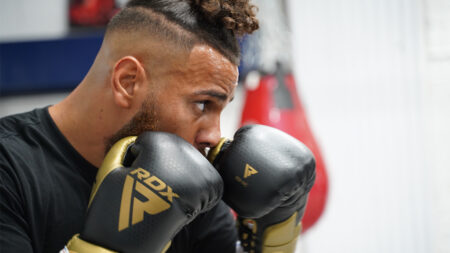
Southpaws lead with their right side instead of left. The right hand and right foot take the lead while the left hand stays back, waiting to fall upon the prey. This is a simple change but It changes everything – the balance. The vision. That is the beauty of southpaw stance boxing. A position that forces orthodox fighters to rethink timing and distance from the very start.
Defining the Stance
When you watch a southpaw you will notice the right jab leading. The left hand hides behind until it smashes like thunder. This switch in attack order catches many opponents off guard. Southpaw stance boxing is not just about where the feet go. It is about rhythm and flow. Fighters train for one style yet face another.
How It Changes the Fight?
The usual fighting angles are never the same when you face a lefty. With smart pivots and slides, southpaw boxing footwork cuts the ring at odd directions. It feels uncomfortable for orthodox boxers. They keep adjusting. They keep missing by inches. That little difference creates big openings. Southpaws thrive on those gaps every round.
Related Article: Mastering Boxing Guards: A Complete Guide to Defensive Stances and Styles
Key Advantages of Southpaw Boxers
Since only a few percent of fighters are left- handed, orthodox fighters end up training against their own mirror image. This means when the left-handed boxer steps in, it feels like the game flipped. Distance is tricky. Angles look wrong. Everything is confusing, All of their fight knowledge becomes irrelevant. That is why southpaw advantages in boxing are so valued. They bring disruption. They bring surprise. Suddenly the stronger fighter may not look so strong.
Angles and Unpredictability
Punches from the left side do not look natural to most opponents. They expect a jab from one side but get it from the other. That small twist makes reactions late. That is why many talk about why southpaws are hard to fight. Their unpredictability forces orthodox fighters into hesitation. And hesitation inside the ring is always dangerous.
Power and Timing Tricks
The power hand alignment works beautifully for lefties. Their straight left can pierce through an orthodox guard before the opponent even blinks. These left-handed boxers advantages also extend to timing. A shot that looks slow lands fast because the angle is strange. The orthodox fighter keeps misjudging. The southpaw keeps punishing. That is how surprise turns into power.
Defensive and Foot Positioning Edge
Defense is another gem hidden in the stance. The guard lines up better against common orthodox punches. Combine that with foot dominance and you get control. Southpaws often step outside the lead foot. That opens doors for attacks while shutting down counters. It is subtle yet decisive. These southpaw advantages in boxing explain why lefties rule many classic matchups.
Southpaw vs Orthodox: Common Strategies
When a southpaw meets an orthodox fighter, the ring becomes a chessboard. Every step. Every punch. It is a game of who controls angles first. This battle of styles has fueled debates for years. Studying southpaw vs orthodox boxing helps fighters learn adjustments. It also explains mistakes that decide fights. Strategy matters more than strength in these matchups.
How Orthodox Fighters Adjust?
Orthodox fighters cannot simply rush forward. They must claim lead foot control or risk getting trapped. The key adjustment is pivoting outside the southpaw’s stance to open safer angles. Without this, shots get smothered. Smart orthodox boxers study every southpaw boxing strategy they can find. If they fail to adapt quickly, their punches land on thin air.
Southpaw Winning Strategies
Southpaws know their rare stance is an asset. The plan is simple. Use straight lefts. Push the orthodox fighter backward. Keep circling away from the power hand. These steps keep control. A strong southpaw boxing strategy is not only about attacking. It is about forcing the opponent into mistakes. That pressure breaks down confidence round after round.
Mistakes Orthodox Fighters Make
Many orthodox fighters misjudge distance. They throw wide hooks thinking they will land but miss by inches. Overcommitting creates gaps for counters. In southpaw vs orthodox boxing, one bad step can cost the round. Some fighters even freeze, unsure of timing. Southpaws thrive on those mistakes. They turn every small error into a big opportunity. That is the trap.
Related Article: Boxing Stance For Beginners
Famous Southpaw Boxers & Their Signature Tactics
Legends prove the stance works. From power punchers to slick movers, southpaws have shaped boxing history in unique ways. Each brought something different. Speed. Footwork. Defense. Watching famous southpaw boxers in action shows how much tactics matter. It is not just stance. It is the mind behind it. Their stories reveal how lefties built legacies on strategy.
Manny Pacquiao
Pacquiao is explosive. His straight left lands like lightning. What makes him special is constant angle shifts. He never stays still. This rhythm breaks defenses and overwhelms opponents. His use of southpaw boxing footwork changed the game. Opponents could not predict where the next shot came from. Pacquiao proved that footwork and angles can be deadlier than raw power.
Marvin Hagler
Hagler combined grit with intelligence. His stance control was ruthless. He always stepped outside the orthodox lead foot. That opened his left hand for destruction. Many believe his dominance showed clear southpaw advantages in boxing. Hagler’s mastery of timing and angles frustrated champions.
Whitaker and Lomachenko
Whitaker was defensive brilliance. He slipped, blocked, and countered with precision. Lomachenko is a modern marvel. His constant pivots and angles turn the ring into a puzzle. Both highlight famous southpaw boxers using their craft differently. Whitaker showed patience. Lomachenko showed creativity. Together they proved the stance is not one-dimensional. It is an art form shaped by personality and skill.
How to Train as a Southpaw?
Fighters must polish balance, timing, and control. The trick is repetition until movement feels natural. Practicing southpaw stance boxing daily sharpens reactions. It also prepares a fighter to confuse orthodox opponents. Let us see how footwork, punching, and sparring build the southpaw edge step by step.
Footwork Drills
Pivots and slides must become second nature. Practicing southpaw boxing footwork means circling away from danger while cutting sharp angles. Footwork decides who controls the pace and who survives.
Punching Drills
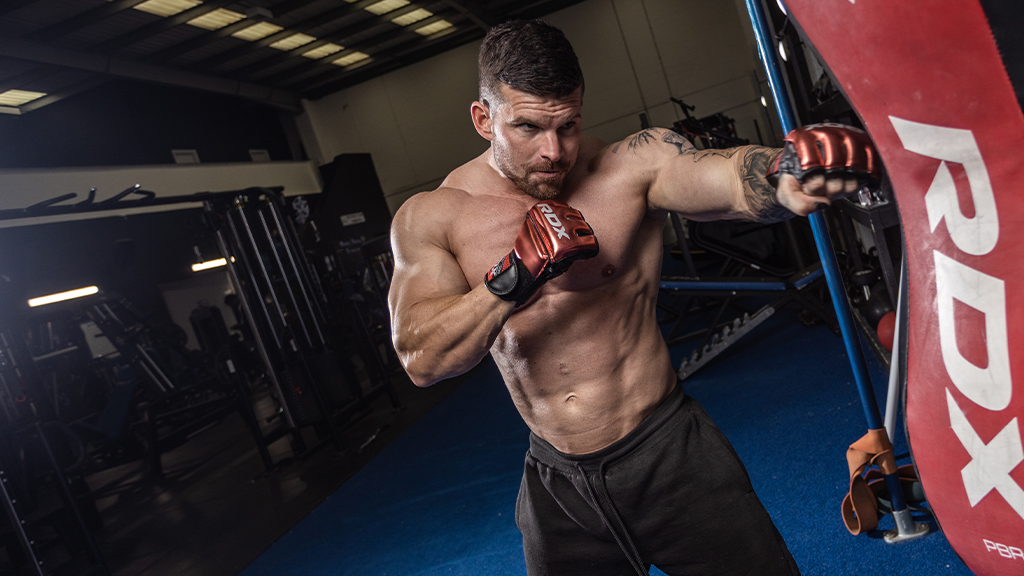
The right jab sets traps while the left hand delivers damage. Training combinations like jab-cross-left or jab-hook-cross builds rhythm. A good southpaw boxing strategy mixes speed with timing. Punching drills must also include feints. That way opponents guess wrong. Every wrong guess means openings. Every opening turns into power shots that can flip the fight.
Sparring Mindset
No southpaw can grow without sparring orthodox fighters often. Sparring builds confidence and tests angles under pressure. The mindset should always be to stay unpredictable. Practicing southpaw stance boxing in sparring forces orthodox partners to adapt.
Common Challenges for Southpaws
Being a southpaw has perks but it also brings problems. Without balance and variety, the edge can fade. Even with southpaw advantages in boxing, left-handed fighters face unique training issues. To keep winning, they must tackle these challenges smartly. Otherwise, the stance becomes predictable over time.
Training Difficulties
Facing only one style does not prepare a boxer for clever adjustments. A strong southpaw boxing strategy requires practice against every type of opponent. Without this, the stance loses sharpness. Sparring diversity is the missing link many lefties overlook.
Predictability Risks
If a southpaw repeats the same straight left too often, opponents adapt. Patterns become easy to read. To avoid this trap, fighters must add new angles and combinations. Even with southpaw advantages in boxing, predictability kills momentum. Mixing rhythm and footwork keeps the stance dangerous.
FAQ’s
Southpaws remain one of boxing’s toughest puzzles. Their angles, rhythm, and foot dominance flip the script against orthodox fighters. With rare footwork patterns and surprise punches, they hold lasting southpaw advantages in boxing.
Success with southpaw stance boxing is about more than stance. It is about awareness, creativity, and balance. Mastering a smart southpaw boxing strategy turns rare skills into winning edges.