


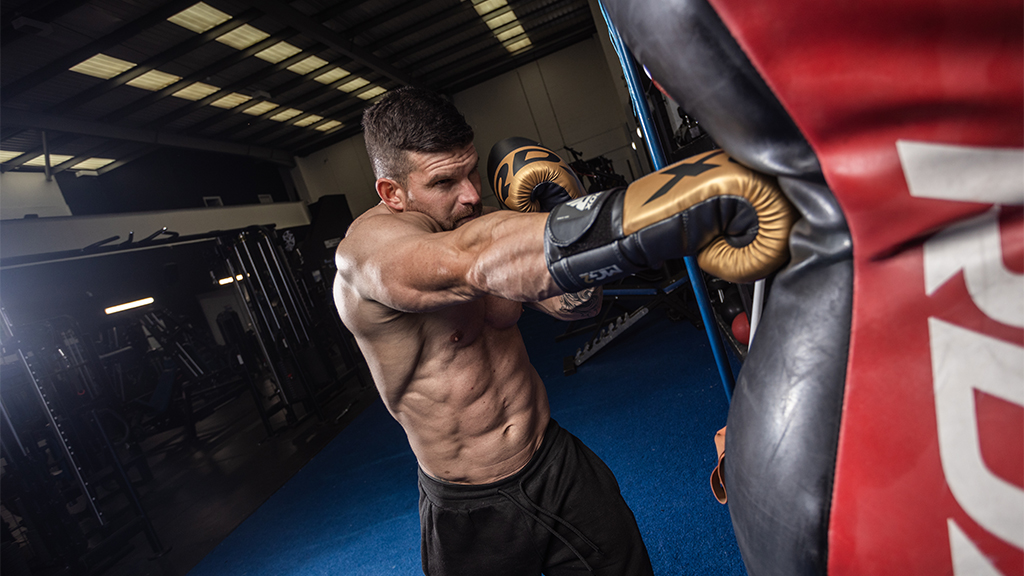
Not every boxer is built to brawl up close. Some are wired differently. They see the fight not as a slugfest, but as a chess match. That’s the outboxing style. This particular style is not about breaking bones or trading bombs. It’s about control. Precision. Knowing where to be, and where not to be.
If you’ve ever watched Muhammad Ali glide across the ring or Floyd Mayweather make an opponent swing at air – that’s outboxing in motion. It’s about making your opponent miss beautifully while you stay calm, sharp, and miles ahead in your timing.
In this guide, we’ll break down what the outboxing style really is, how it contrasts with close-range fighting, and what it takes to master it. From distance control in boxing to the art of the jab, footwork, and discipline, we’ll cover it all.
What is the Outboxing Style?
The outboxing style is built on one simple principle: hit and don’t get hit. It’s a long-range approach to fighting where you control space, tempo, and engagement. The outboxer doesn’t chase. They wait, measure, and move. Every punch has purpose.
An outboxer uses sharp jabs, lateral footwork, and defensive awareness to frustrate opponents. The aim? Stay just out of reach, score clean shots, and make the other guy fight on your terms.
The core concept revolves around distance control in boxing, knowing exactly how far to stand so your punches land but your opponent’s don’t. That space is your safety zone. Your weapon and your wall.
Traits of a great outboxer?
- Fast, light footwork
- A snappy, accurate boxing jab
- Patience and perfect timing
- A calm, defensive mind that reads movement like a book
It’s ideal for boxers with speed, reach, or height advantage – those who can think on their feet and prefer to play the long game.
Related Article: How to Beat a Constant Ducker in Boxing? Proven Techniques and Counters That Work
Outboxer vs Infighter: The Classic Clash of Styles
The beauty of boxing is how styles collide. None more iconic than the outboxer vs infighter matchup.
The outboxer thrives in open space, staying on the outside, landing straight shots, circling, and frustrating the brawler. It’s finesse over fury. A game of patience and control. The infighter, on the other hand, wants to drag you into the trenches. Tight hooks. Uppercuts. Pressure. They live and die by closing distance.
Think of it like a dance where one partner wants to waltz and the other wants to wrestle.
One’s smooth and calculated. The other’s raw and relentless.
We’ve seen it in history:
- Muhammad Ali vs Joe Frazier – speed vs power.
- Floyd Mayweather vs Marcos Maidana – control vs chaos.
Each style exposes the other’s weakness. The outboxer can get cornered if they lose range. The infighter can get picked apart if they can’t close in. But when done right, outboxing rewards patience, IQ, and that rare ability to stay composed while the other guy burns energy trying to reach you.
That’s the art, making aggression look foolish.
Key Elements of the Outboxing Style

To truly understand boxing styles, you need to break down what makes the outboxing style tick. Here’s what every great outboxer lives by:
1. Distance Control
Everything begins with distance control in boxing. If you don’t own the range, you don’t own the fight. You learn when to step in, when to glide out, and when to pivot. The jab and footwork are your rulers – tools that measure and manipulate space. Footwork
Fluid, never static. Always one step ahead. Good boxing footwork isn’t flashy; it’s efficient. You shift angles, side-step, and make your opponent chase shadows. Think “float like a butterfly,” sure, but it’s more than poetry. It’s survival.
2. Jab as a Weapon
The boxing jab is the heart of outboxing. It’s not just a range-finder; it’s your main offensive weapon. Double it. Triple it. Use it to blind, measure, or set traps.
3. Defense First
Defensive boxing defines the style. You slip, parry, and pull back – always on your terms. An outboxer rarely brawls unless they’ve set the trap first.
4. Patience & Composure
Outboxers win rounds, not wars. They build control one punch at a time. No need for knockouts, just clean, consistent execution.
How to Train Like an Outboxer?
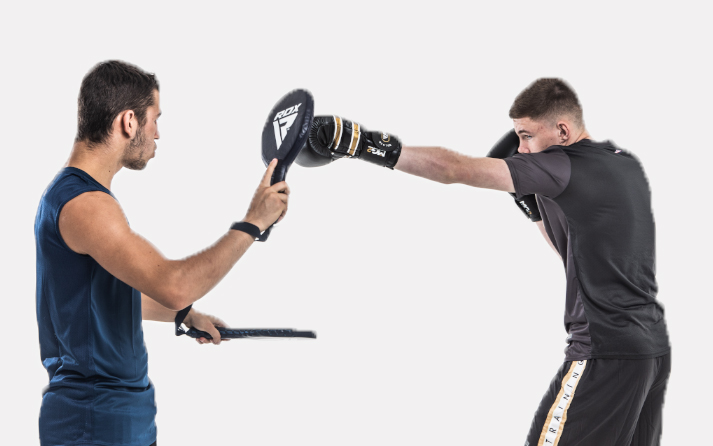
Training for the outboxing style isn’t about punching harder; it’s about moving smarter. Your rhythm, timing, and cardio have to sync perfectly.
1. Shadowboxing with Angles
Move, circle, jab, retreat. Picture your opponent and keep the rhythm unpredictable. This builds awareness and fluidity.
2. Jab-Only Sparring
Forget combos for a while. Focus on the boxing jab. Learn how to manage distance, timing, and control without overcommitting.
3. Lateral Footwork Drills
Use ladders, cones, or lines. Practice side-steps, pivots, and resets. Outboxers live off good boxing footwork – never flat, never square.
4. Defensive Drills
Work on slips, pullbacks, and parries after each jab. It’s not just about escaping; it’s about flowing right back into range.
5. Conditioning
You’ll move all fight long, so stamina matters. Jump rope, sprint, skip, repeat. The outboxing training drills focus on endurance and agility – your legs are your defense.
Pro tip: Focus on “hit and move” patterns. Two or three punches, then disappear.
Mastering Distance Control
If there’s one skill that separates amateurs from true outboxers, it’s distance control in boxing. Range is everything.
You’ve got to know your sweet spot, that perfect range where your jab touches but theirs falls short. That’s your home base.
Use feints and micro-movements to bait reactions. A subtle shoulder twitch can make your opponent bite, giving you space to counter.
Your tools?
- Lead hand control – pawing jab, measuring touch, or even a light push.
- Foot positioning – stay outside their lead foot in orthodox vs southpaw matchups.
Biggest mistake new outboxers make? Moving straight back. That’s a dead end. Always pivot or slide out on an angle. Straight lines get you trapped and trapped is the one place an outboxer never wants to be.
Every inch matters. Control that, and you control everything.
Famous Outboxers and Their Signature Styles
The outboxing style has produced some of the most iconic names in fight history. Each of them made movement and precision look like art.
Muhammad Ali
The blueprint. Ali redefined boxing styles with rhythm, swagger, and unmatched boxing footwork. He didn’t just fight – he danced around danger. “Float like a butterfly, sting like a bee” wasn’t a slogan. It was a system.
Floyd Mayweather Jr.
The modern master of defensive boxing. Mayweather turned distance and timing into science. His control of range, his ability to counter precisely – it’s the gold standard of outboxing.
Larry Holmes
A heavyweight with a jab that could stop a truck. His boxing jab and ring IQ made him one of the best long-range tacticians ever.
Sugar Ray Leonard
Speed, reflexes, and charisma. Leonard could move in and out seamlessly, dictating tempo against any kind of opponent.
Oleksandr Usyk
Today’s torchbearer. Usyk uses outboxing training drills and high-level movement to dismantle pressure fighters. His footwork neutralizes power like it’s nothing.
Each of them proves one thing: the jab and footwork are eternal weapons. Master them, and you can outthink almost anyone.
Related Article: Mastering Boxing Techniques: Your Ultimate Guide to Becoming a Better Boxer
Common Mistakes Outboxers Make
Even skilled fighters slip up. The outboxing style isn’t easy to sustain. Here’s where most fall short:
- Backing up in straight lines: easy target, no escape.
- Overusing the jab: when your rhythm becomes predictable, so do you.
- Neglecting body shots: limits your offense, gives pressure fighters room to breathe.
- Poor stamina: movement-heavy fighting demands elite cardio.
- Being too defensive: you can’t win rounds if you’re not landing clean.
Fixes?
Mix high-low jabs. Pivot, don’t retreat. Stay active with feints and short combinations. Use outboxing training drills that challenge your endurance and rhythm.
The goal isn’t to survive. It’s to dictate.
Outboxing in Modern Boxing
Times change, but the outboxing style remains timeless.
Ali and Holmes set the standard. Today, it’s evolved through fighters like Usyk, Shakur Stevenson, and Devin Haney, technicians who blend old-school precision with modern tempo.
Modern boxing styles add more volume, more body work, and faster transitions. It’s not just about staying outside; it’s about knowing when to close the gap strategically.
Why does it still work? Because intelligence never goes out of style. Speed, footwork, timing – they’ll always beat reckless aggression.
And even outside the ring, in MMA or kickboxing, the same rules apply. Range, timing, and angles win fights. Whether it’s a ring or a cage, distance control in boxing principles holds strong.
Outboxing isn’t old-fashioned. It’s timeless.
FAQ’s
The outboxing style isn’t just about fighting – it’s about thinking. It’s the art of controlling space, time, and rhythm. Where intelligence beats aggression. Mastering it takes patience, cardio, and relentless practice of boxing footwork and defensive boxing. But once you get it, you’ll find yourself dictating fights before a punch is even thrown.
So keep working the jab. Keep moving your feet. Keep refining your ring IQ.
Do that, and you won’t just fight better – you’ll fight smarter.