


There’s a reason fighters light up when they land a clean spinning back kick. It’s not just the power. It’s that moment – when timing, control, and instinct line up perfectly. The sound. The feel. The way the opponent folds before they even register what happened. It’s beautiful in a brutal kind of way.
Sure, it looks flashy. But in the right hands? It’s a weapon. One rotation. One strike. And the fight can change just like that.
In this piece, we’ll break down what the spinning back kick technique really is, how to throw it right, make it land heavy, and avoid the rookie mistakes that kill your flow. You’ll learn the setups, the drills, the rhythm behind it. We’ll also touch on the muscles that give it that whip and how to use it across MMA, kickboxing, and even traditional martial arts.
What is the Spinning Back Kick?
Let’s start simple.
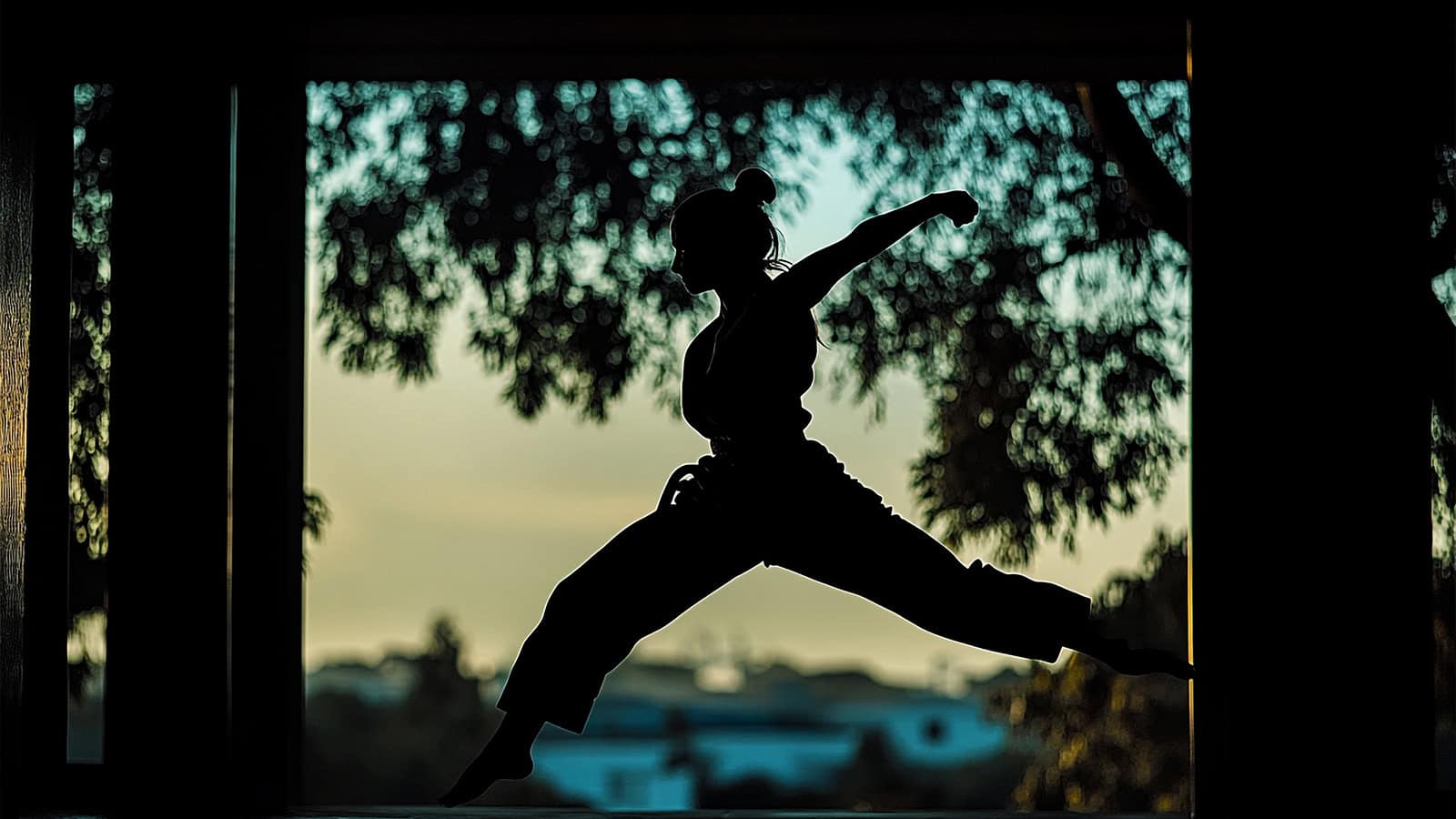
The spinning back kick is a rotational strike that uses the heel as its weapon. You turn your body 180 degrees, extend your leg, and drive that heel straight through your target, usually the liver, ribs, or solar plexus. When done right, it feels less like a kick and more like a cannon firing through your opponent.
Key elements?
- Rotation: The whole move depends on a smooth, tight spin.
- Heel strike: You’re not tapping – you’re drilling that heel in.
- Follow-through: Don’t stop at the hit. Go through it.
So, what makes the spinning back kick so effective?
For starters, it’s unpredictable. Your opponent might catch the spin, but not the timing. That split-second hesitation is all you need. Add in the torque, the way your hips and core twist to launch the strike, and you’ve got serious stopping power.
It’s that perfect mix of speed and deception. Elegant. Dangerous. The kind of strike that ends rounds and sometimes, entire fights.
The Basic Spinning Back Kick Technique

The spinning back kick can look scary at first. Fast. Complicated. Like something only pros can pull off. But when you break it down, step by step, it’s actually clean. Learnable. Almost simple, if you respect the details.
Step 1 – Your Starting Position
Everything starts with balance. Stand in your normal stance, orthodox or southpaw, doesn’t matter. Feet shoulder-width apart. Knees soft. Chin tucked. You want to feel planted but light, like you could move in any direction. Lose that balance, and the spin will pull you off-center. Power dies right there.
Step 2 – Initiate the Spin
Here’s where things get interesting. Pivot on your lead foot, the one closest to your opponent. As you turn, let your hips pull the rest of you around. Think of it like loading a spring. Keep your head over your center line; lean too far, and you’ll end up chasing your own momentum.
The secret? Controlled rotation. Not wild spinning.
Step 3 – The Kick
Now for the payoff. Once your back faces the opponent, shoot your rear leg straight out. Not up – back. The heel is your weapon. Drive it like a hammer through the target – ribs, liver, solar plexus. Some fighters go higher, but that takes timing and flexibility. Start with the body. Make it count.
You’re not just touching them. You’re driving through.
Step 4 – Follow-Through and Reset
Let the leg finish its path. Don’t yank it back mid-air – that kills momentum and balance. Let it flow. Then, once the kick lands, snap back into stance. Quick reset. You should be ready to jab, pivot out, or throw again.
Hit. Recover. Repeat.
A Few Tips That Change Everything
- Use your core and hips – that’s your engine.
- Keep your eyes locked on the target, before and after the spin.
- Don’t rush it. Smooth always beats fast.
Do this right, and the spinning back kick stops being just a flashy move. It becomes a statement. Clean. Balanced. Fight-ready.
How to Set Up the Spinning Back Kick?
Now that you know the mechanics, let’s talk about setups. Because even the most powerful spinning back kick won’t land if your opponent sees it coming.
Creating the Opening
The best setups come from distraction. Throw feints, jabs, or low kicks to draw their attention away from your real plan. Make them react, then punish that reaction.
- Feinting: Pretend you’re going for a jab or a roundhouse, then spin.
- Distance Management: Step in close, force a defensive move, and as they retreat, unleash the kick.
Step 1: Use a Feint or Combination
Throw a fake jab or hook to get their guard up. As they prepare to block or parry, spin, and launch your back kick. Another approach is to throw a low kick, get their eyes down, their weight shifted, and then immediately transition into the spin.
Step 2: Exploit the Timing
The beauty of the spinning back kick setup lies in timing. When your opponent reacts to your first move, lowering their guard or shifting weight, you rotate. The window is small but deadly.
When used correctly, the spinning back kick for MMA becomes a perfect counter: they step forward, you spin, and your heel meets their midsection.
Common Mistakes to Avoid When Throwing a Spinning Back Kick

Even good fighters screw this up. The spinning back kick looks sexy on highlight reels, until it doesn’t. Here are the traps that make it useless or dangerous.
Mistake 1 – Not pivoting enough
If your lead foot barely moves, your hips never fire. The kick turns into a limp swing. Power leaks out. Balance goes with it.
Fix: commit to the turn. Let the front foot open fully. Your hips should follow like a loaded spring.
Mistake 2 – Kicking too early or too late
Timing kills here. Too early and you miss. Too late, and you eat a counter. There’s a tiny window where the kick actually belongs.
Fix: Start the spin before you throw the leg. Release the heel when your back faces them. Not before. Not after.
Mistake 3 – Overcommitting
Going 100% every time looks brave. It isn’t. Overcommit, and you land on one leg, arms down, vulnerable. That’s when someone clips you.
Fix: control the momentum. Hit hard, but stay ready. Recover fast. Be ready to move.
Small fixes. Big difference. Nail the pivot. Nail the timing. Keep your balance.
Do that, and the spinning back kick technique stops being a gamble and starts being a weapon.
Drills to Perfect Your Spinning Back Kick
You can’t master this kick without repetition. Drills build muscle memory, sharpen timing, and make your spin smooth.
Drill 1: Shadowboxing with Spinning Back Kicks
Start simple. No pads, no pressure. Just practice the motion. Focus on fluid rotation and speed. Visualize an opponent and pick your target.
Drill 2: Spinning Back Kick to a Target Pad
Now it’s time to feel the impact. Have your training partner hold a pad at midsection level. Strike with your heel, not the sole. Aim for precision first, then add speed and power.
Drill 3: Step-and-Spin Drill
This drill teaches transition and balance. Step forward slightly, pivot on the lead foot, then spin and kick. It’s about rhythm – how fast you can switch from step to spin without losing control.
Drill 4: Spinning Back Kick
Don’t treat the spinning back kick as a solo act. Pair it with punches or low kicks to make it unpredictable.
Try:
- Jab → Feint → Spinning Back Kick
- Low Kick → Step Out → Spin and Kick
- Cross → Spin and Kick
These spinning back kick drills make your movement fluid and your attack unpredictable.
FAQ’s
Your best protection? Good form and patience.
The spinning back kick is chaos disguised as grace. One second of perfect timing, one clean line from heel to target and that’s all it takes. It’s not about looking fancy. It’s about precision. Power. Control. Practice the drills. Nail the rotation. Build the strength.
The moment it clicks, you’ll feel it. That perfect connection where your body does everything right without you thinking about it. That’s when you truly know how to throw a spinning back kick and when it stops being just a move and becomes part of who you are as a fighter.
Read More
- MMA Shin Guards for Kickboxing: Pros, Cons & Expert Buying Guide
- How to Prepare for Your First Kickboxing Match?
- A Comprehensive Breakdown of Cardio Kickboxing: Benefits, Workouts, and Key Insights
- MMA Leg Locks 101: Submissions, Rules & Techniques Every Fighter Should Know