




This guide covers real, practical post-sparring tips, the cooldowns that don’t embarrass you, the snacks that actually help, and the simple mental moves that stop a bad session from spiralling. It’s about treating recovery like training, not like a reward. Welcome to proper sparring aftercare.
Why Sparring Aftercare Matters?
Sparring is practice, but it’s also stress. That stress doesn’t disappear when you towel off. It stays with you. See those tight hips, stiff shoulders, and sore muscles. This is all normal after a workout but that does not mean you need to leave all of it without doing anything. This is your body asking for sparring aftercare.
Proper sparring aftercare gives you immediate benefits. You reduce fatigue, keep mobility & protect your body from micro-damage that becomes a bigger problem later. Think long term: immediate recovery equals long-term performance. Recovery should be part of the game plan because this is where strength is actually built.
You will definitely start feeling the neglect and that will badly affect your performance in the coming sessions. That’s why training recovery habits are not optional. They are part of the game plan. Remember: skill is built in the ring, but consistency is built outside it.
Cool Down Immediately After Sparring
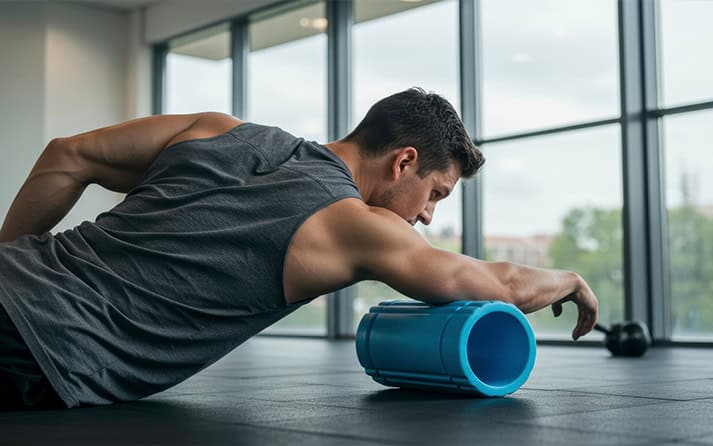
- Don’t flop. Don’t crawl to your bag and pass out on your phone. Move. For three to five minutes, keep the blood moving with light shadowboxing or a slow rope. The goal isn’t cardio. It’s a gentle downshift. Bring your heart rate down, and let your joints stop being angry.
- Stretch with intent. Hit the hips, shoulders, neck, and hamstrings, the places fighters forget until they’re stiff. Spend a minute on each spot. If you hate stretching (I get it), at least do a mobility flow: slow leg swings, arm circles, hip openers.
- Breathing matters. A few slow exhalations calm the nervous system. Try box breathing or just long out-breaths. They send your body a message: training stopped. Recovery begins.
- Some tools like foam rollers really help with sore muscles. You can use it for minutes. A foam roller will ease the knots because it increases blood flow. These steps are the bare minimum for basic physical recovery after sparring. These enable you to get up stronger next session.
Related Article: Ice Baths vs. Heat Therapy for Muscle Recovery: Which Is Best for You?
Refuel and Rehydrate: Nutrition After Sparring
When you workout, your muscles are exhausted. This is because they have used up the glycogen stores and during the exertion, tore up the muscles. Now your body needs more fuel. The “golden window” is real: aim to eat within 30 to 60 minutes. It’s not a cult – just biology.
Protein First
Protein is the muscle builder. It has amino acids which literally feed muscles so they can grow. If you are looking to build more muscles, twenty to thirty grams is enough. Go for real protein like chicken, eggs, Greek yogurt, or a clean protein shake will do.
So go for brown rice, oats, or a banana refill glycogen so your muscles don’t beg for rest. Think of protein as bricks and carbs as the mortar. Both are needed.
Hydration Is Critical
Food choices are critical but you need to keep making up for the lost sweat as well. Hydration is important in all conditions, but especially after a workout. Always replenish your body after a workout. You can consider an electrolyte beverage or coconut water if the session was heavy.
What you should stay away from is caffeine. Do not take too much of it. Plus, deep fried, greasy foods are also your enemies.
Supplements
If you’re into supplements, a modest dose of BCAAs or protein + carb shake right after can speed muscle recovery for fighters, but whole food works fine.
Rest and Muscle Recovery for Fighters
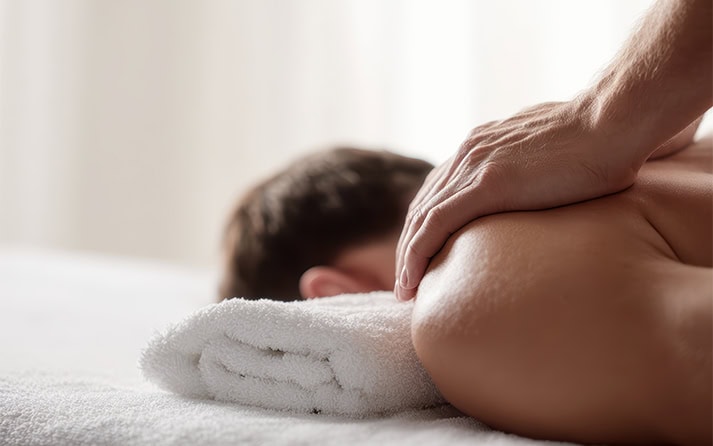
Rest is just as important as training. Never skip sleep. Sleep for the optimum time according to your needs and let your muscles build. If you’re skimping on sleep, you’re shortchanging everything else. Period.
Active recovery is underrated. The day after a hard sparring session, don’t be dramatic – move gently. Yoga, swimming, or a long walk helps circulation and clears metabolic waste. The goal is to stimulate blood flow without piling on impact.
Some tools really help with recovery like the compression gear. Compression gear reduces swelling. It increases blood flow too and that also means less fatigue. You can also use Epsom salt baths. The magnesium in the epsom salt helps with fatigue, soreness and induces good, deep sleep. It also reduces inflammation.
Injury Prevention After Sparring
Injury prevention after sparring isn’t about wrapping yourself in bubble wrap.
After sparring, do a quick body check. Not the kind where you flex in the mirror — the kind where you actually notice how you feel. Any swelling? A stiff joint? That weird twinge in your shoulder you’re trying to ignore? Start there. Small problems love to grow when left alone.
Ice helps. Ten to fifteen minutes on anything swollen or sore. If you see bruising, add compression. Simple, boring stuff, but it works.
Then hygiene. Don’t skip it. Shower as soon as you can. Sweat, mats, gloves, wraps — all great places for bacteria to throw a party. Clean your gear. Always. A smelly gym bag isn’t “hardcore.” It’s just gross.
And if something still hurts after 48 hours? Rest. I know, resting feels like quitting. But here’s the truth: ignoring pain usually costs more time later. Be smart, not stubborn.
Wrap up minor injuries when needed. Do gentle mobility work. A little stretching. Maybe some light rehab moves.
Related Article: Top Recovery Workouts for Athletes to Boost Performance and Prevent Injury
Mental Recovery for Fighters
Sparring hits ego in weird ways. You win a round and feel invincible. You get outboxed and immediately doubt everything you trained. Both extremes need cooling. Mental recovery is about perspective.
After a session, spend five to ten minutes reflecting. Replay key moments. What landed well? What blew up? Don’t nitpick. Ask useful questions: Was my distance off? Was my breath shot? Did I tense up? This is cheap, high-return analysis.
A calm brain is a working brain. A stressed brain is a brain doing survival alone. In that situation, it will do only the minimum. You can decrease your stress with a monitored breathing session. Sit down quietly and think about your day. Write down a few sentences about what you learned. Walk home quietly. Avoid the urge to ruminate or replay mistakes on loop.
Take breaks from the gym. It sounds counterintuitive, but time away refreshes perspective. That’s mental recovery for fighters right there.


Post-Sparring Recovery Routine
A routine keeps you honest. Here’s a practical checklist you can do consistently:
- Cool down: 5 minutes light movement + targeted stretching.
- Hydrate: water plus electrolytes if needed.
- Refuel: 20–30g protein + carbs within 30–60 minutes.
- Shower: hygiene and reset.
- Ice/compression: for soreness or swelling.
- Sleep: aim for 7–9 hours.
- Reflect: jot down one win and one tweak to work on.
- Gear care: wash gloves, wraps, mouthguard.
Do this after most sessions. Consistency in sparring aftercare beats flashy gadgets. Make it a ritual and you’ll buffer yourself against burnout, injuries, and those dumb training plateaus.
Recovery Habits Between Sparring Sessions
Recovery is daily. Add mobility drills and foam rolling into your warmups and evenings. Short, daily movements prevent stiffness.
Consider supplements that fit your diet and needs. Omega-3s help inflammation. Magnesium aids sleep and muscle relaxation. BCAAs can support quick recovery when food isn’t available. They don’t replace good meals, but they help.
Train smart. Limit hard sparring sessions to one or two times a week if you want real progress. Cross-training helps maintain conditioning without the constant impact – swim, bike, lift, or do yoga.
The point? Build training recovery habits that let you be consistent without breaking down. That’s how you stay in the sport for years and actually get better.
FAQ’s
These post-sparring tips are simple. Use them more than you complain about them.
Sparring pushes your edges. Recovery builds the edges back. Treat sparring aftercare like training: regular, intentional, and honest. Cool down, refuel, sleep, and reflect. Clean your gear. Listen to your body.
If you can master the small, boring acts of recovery, the big, exciting progress follows.