


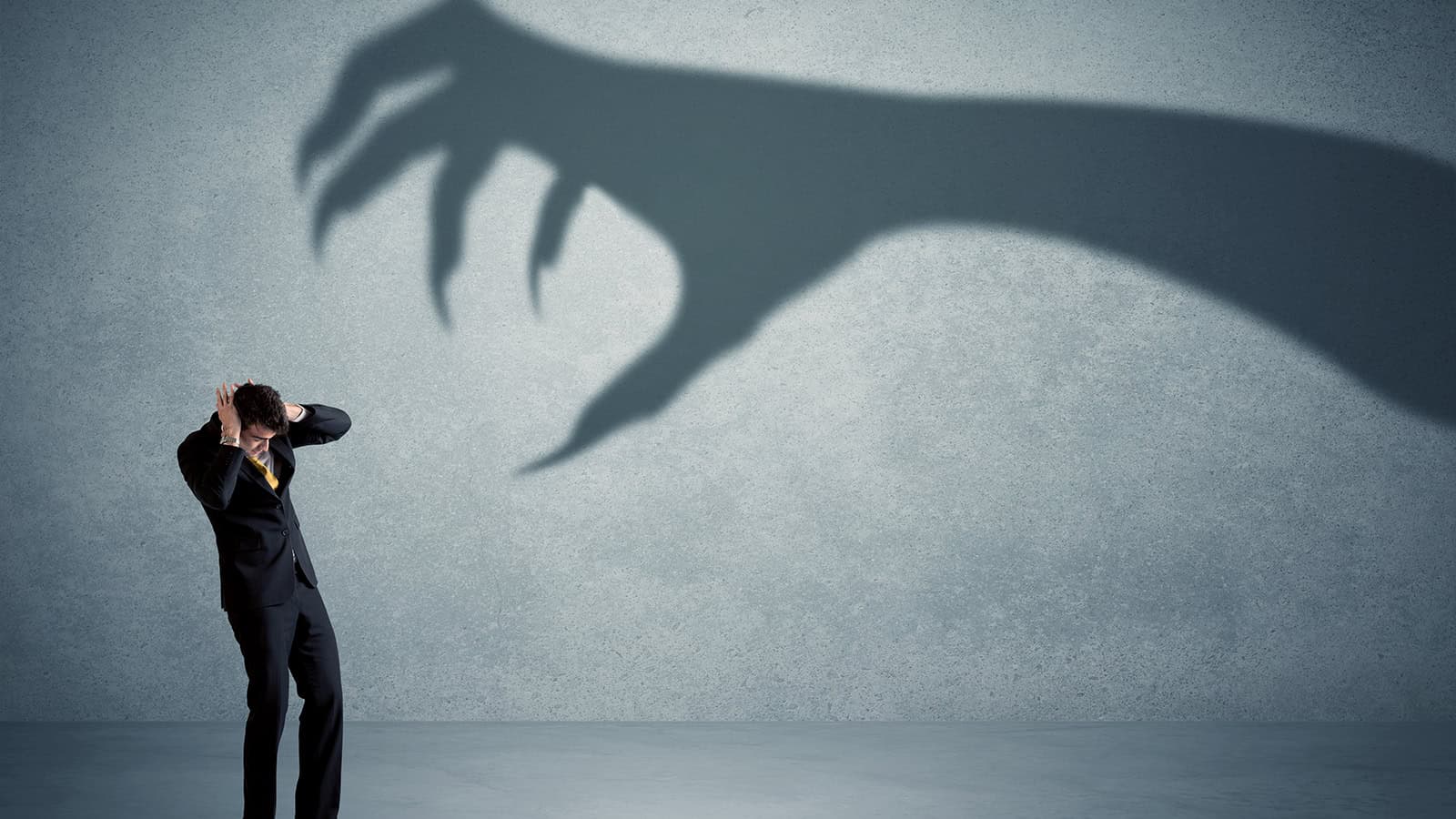
Even now, with our cities, our screens, our routines, fear stays. It’s still there. Waiting. Watching how we move, decide, and survive.
Our ancestral psychology of fear is at play when we deal with deadlines, fights, or failure. Fear is an important instinct of humans, and we need to understand it instead of hiding from it.
This article digs deep into what fear really is and how it fires through the brain, hijacks the body, and changes the way we act. We’ll talk about the human fear response, the fight or flight response, and the deep connection between fear and survival instinct that’s been driving us since the beginning of time.
Because understanding fear is about learning how to move with it and through it.
What Is Fear? Understanding the Basics
Let’s start simple. Fear is a signal. It’s your mind’s way of saying: “something’s not right.”
In its purest form, fear is an emotion that is triggered by the perception of danger or threat. It’s not a weakness. A survival mechanism that’s been built into humans long before we learned to speak or reason.
The psychology of fear is in a small part of the brain called the amygdala. This part is like our very own alarm system. When something is not right, this part gives clear signals of fear.
Your human fear response kicks in fast: heart rate spikes, breathing quickens, muscles tighten, senses sharpen. The body prepares for one thing, and that’s action. You’re suddenly hyper-aware, ready to move, fight, or run. It actually gives you tremendous physical energy.
Related Article: 10 Ways To Overcome Fear or Anxiety This Halloween
The Fight or Flight Response
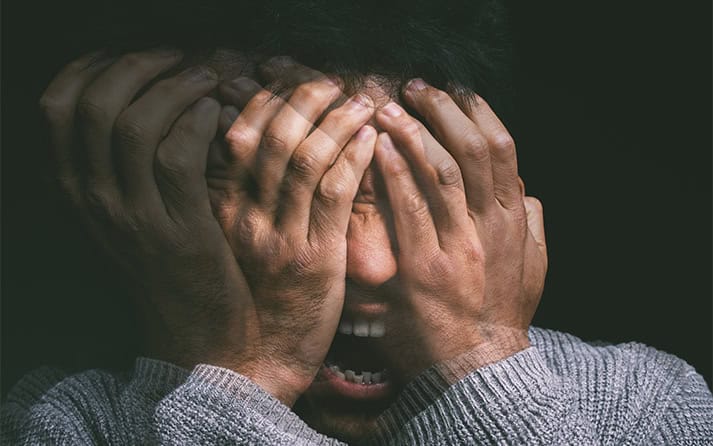
We often hear people throwing around the concept of fight or flight. Hearing about it is common; experiencing it in real life is a different story. Your heart pounds, your skin feels electric. There is an exponential surge of energy when this response system is triggered.
The fight or flight response is triggered automatically. This is basically how the body responds to fear. It’s a survival instinct actually that has been passed down to us from those ancestors who lived their lives surrounded by fears. It gives you two options – you either confront the threat or get out before it destroys you.
When fear hits, adrenaline floods the bloodstream. Muscles tighten. Eyes widen. The body becomes a machine built for survival. This connection between adrenaline and combat psychology runs deep – it’s what helps soldiers, fighters, and even everyday people push through the impossible.
In the ring, fear can make you sharper. But outside of it, when that response never switches off, it becomes a problem. Chronic stress, anxiety, burnout… that’s what happens when the survival system stays active long after the threat is gone. The body wasn’t designed to live in constant alarm. It was designed to move, to react, to reset. Fear gives you energy. But it also demands recovery.
The History of Fear in Warfare
Fear has always been part of battle. A natural and logical part. From the warriors of ancient tribes to modern soldiers, fear has shaped the way humans fight and survive. It is fear that triggers courage and bravery. Fear is the root of these tremendous human characteristics.
In combat, fear isn’t just physical danger. It’s the dread of what might happen next. Fear of death. Fear of failure. Fear of watching a friend fall beside you.
Commanders have studied the history of fear in warfare to understand how it influences both sides of the fight. Psychological tactics, deception, intimidation – all tools of war, all rooted in human psychology.
But fear cuts both ways. It can paralyse or propel. A soldier frozen by fear can make fatal mistakes. But one who understands it, who channels it, can turn that fear into focus. That’s the paradox of fear in battle. It’s both the enemy and the teacher. Every fighter learns that fear isn’t the thing to eliminate; it’s the thing to master.
Related Article: Fighting Your Exercise Fears: A Spooky Halloween Challenge
Fear and Survival Instinct: The Biological Imperative
Fear is basically an intrinsic instinct. The fear and survival instinct are two sides of the same coin; one triggers the other.
When danger appears, your brain doesn’t ask questions. It acts. Instantly. There is no time to linger and do the math with logic. You fight, flee, or sometimes even freeze. That “freeze” response doesn’t get enough credit, but it’s just as primal. It’s the mind’s way of saying, “Stay still. Wait. Survive.”
The humans who feared predators were the ones who lived long enough to pass on their genes. Fear was almost wisdom.
Our modern fears, like failure, rejection, and loss, might not be the same as tigers in the tall grass, but they feel just as real to the body.
How Fear Drives Human Behavior?

So how does fear actually shape what we do? It’s simple; it hijacks our choices. The psychology of fear shows that when people are afraid, they make decisions fast. But not always smart. Fear pushes us toward safety. Toward the familiar. It makes us pick the option that feels right now, even if it hurts us later.
That’s why fear sells. That’s why it controls. It’s the hidden hand behind so many of our actions, even when we don’t realise it. In social settings, how fear drives human behavior becomes even more complex. Fear of rejection. Fear of failure and Fear of being seen as “less.”
We conform. We stay quiet and don’t take the shot.
And then there’s the paradox again – sometimes fear pushes us into risk. To prove something. To silence it. People climb mountains, enter cages, start wars – all to face the thing they fear most. Fear doesn’t just limit us. Sometimes it defines us.
The Role of Fear in Modern Decision-Making
We like to think fear belongs to the past like cavemen, soldiers, wild animals. But look around. It’s everywhere. In politics. In the economy. On your phone screen. Modern life runs on fear. The psychology of fear is woven into the way brands advertise, how media stories are told, how leaders win elections.
Every “what if” headline, every countdown clock; it all taps into that primal system still sitting in our chest. There’s even a name for one of the most modern versions of it: FOMO – the fear of missing out. It sounds harmless, but it shapes real behaviour. People buy things they don’t need, chase opportunities they don’t want, just to quiet that old, evolutionary whisper – “Don’t get left behind.”
And in the workplace, fear shows up quietly. Fear of failure, Fear of being replaced or of speaking up. These fears don’t roar like lions. They creep. They make people play safe instead of smart. That’s the real challenge – learning to see fear not as a command, but as information.
Because fear doesn’t always mean “run.” Sometimes it means “pay attention.”
That’s what evolution was trying to teach us all along.
FAQ’s
Fear has always been with us. In the jungle. In the ring. In the quiet corners of our minds. It’s not the enemy. It’s the messenger. The thing that says, move. The fight or flight response isn’t just biology; it’s proof that movement is survival. That trembling before action? That’s life reminding you you’re still in the game.
The psychology of fear teaches us something simple but powerful. Every time we move through fear, we evolve. Step by step. Breath by breath. Because fear doesn’t come to stop you.
It comes to wake you up. To make you move.