


It’s a versatile system that works from countless angles, whether in the closed guard, riding mount, or even scrambling in transitions.
Ever watched legends like Kazushi Sakuraba tear people apart with those nasty Kimuras? If that’s the stuff that gets you fired up, you are at the right place, as we are breaking down all its variations, sneaky line-ups, and all that comes with this devastating move!
What Is the Kimura Lock?
Knowing its origins will let you deeply appreciate this legendary move. Once you see how this submission cranks the shoulder, isolating the arm, you’ll understand why it’s a staple in Brazilian Jiu-Jitsu and a nightmare to defend!
The Birth of the Kimura Lock
The Kimura lock originated from Masahiko Kimura, the legendary Japanese judoka who used it in 1951 to defeat Hélio Gracie in a historic challenge match. From dojos in Japan to BJJ academies in Brazil, the technique spread like wildfire, becoming a cornerstone of submission grappling.
Anatomy of a Shoulder Destroyer
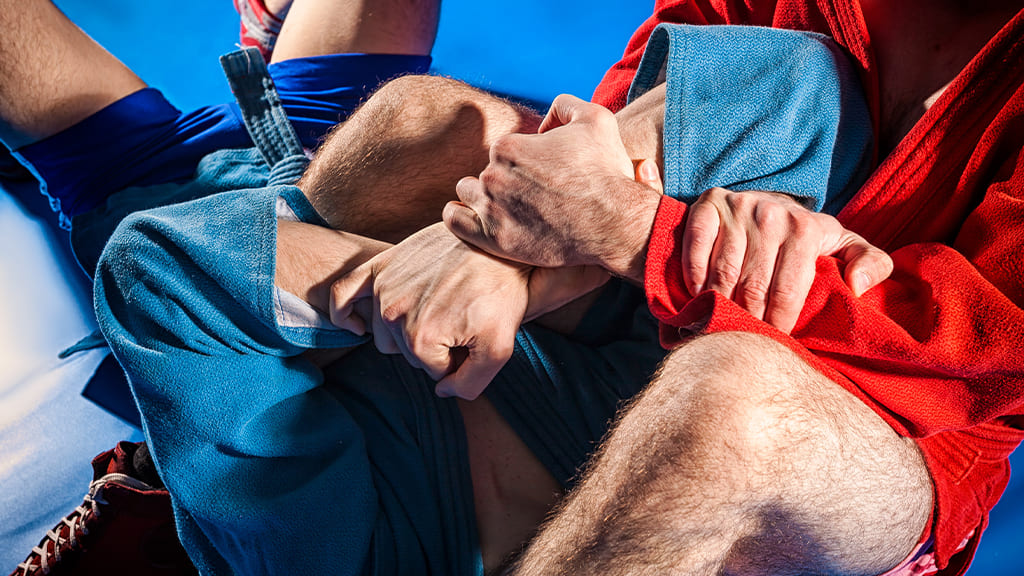
Mechanically, the Kimura lock is a figure-four shoulder lock that applies painful torque to the rotator cuff and elbow joint. By isolating the arm and twisting it behind the opponent’s back, you force their shoulder into positions it was never designed to go.
Why the Figure Four Grip Matters?
The core of this move is the figure four submission grip, which gives you a mechanical advantage and multiplies your leverage. You create a near-unbreakable chain by clamping their wrist with one hand and wrapping your other arm underneath to grab your own wrist.
The Mechanics of the Kimura Lock
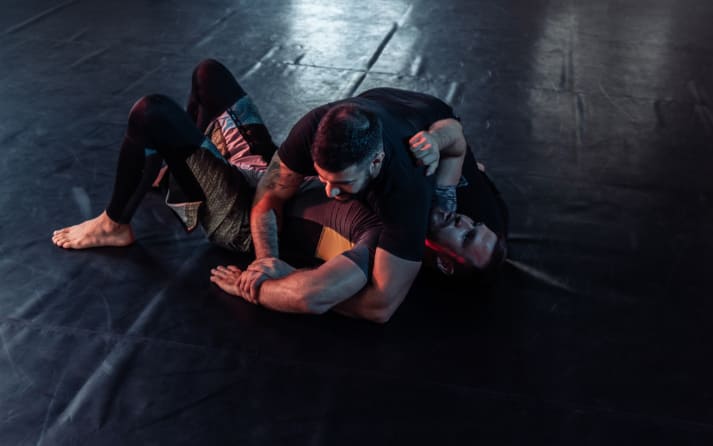
In high-level BJJ joint locks, a minute miscalculation can be fatal. So let’s decipher what makes the Kimura tricky to execute.
Securing the Initial Control
Begin by taking hold of your opponent’s wrist with the hand on the same side. Then thread your other arm beneath their upper arm and grab your wrist, creating the well-known figure four submission grip.
Creating the Right Angle
The secret to its execution is effectively using your hips and body angle. Avoid forcing their arm behind their back; pivot your torso so your chest faces their trapped arm. Confine their elbow to your ribs to prevent escape, lining up their shoulder for maximum torque!
Applying Controlled Pressure
When in position, jerk their wrist upward and behind them while rotating their whole body. Focus more on their shoulders to tighten the lock, spread force through their entire frame, and secure the hold.
Related Article: Mastering Boxing Techniques: Your Ultimate Guide to Becoming a Better Boxer
How to Perform the Kimura from Closed Guard?
Controlling your opponent before the crank is the secret to executing the Kimura. Every minor adjustment matters in tightening the grip, making it difficult to defend against. Let’s learn how to do the Kimura from a defensive guard, turning it into an offensive safekeep!
Locking Down Your Closed Guard
Start by wrapping your legs securely around your opponent’s waist. Reach across with one hand and grab their far wrist firmly. This grip stops them from pulling away and sets the trap you’ll spring in the following steps.
Setting Up the Figure Four Grip
Now reach under their arm with your opposite hand and grab your wrist, forming that solid figure four submission grip. This grip is the backbone of the Kimura from closed guard, locking their arm away from their body. Keep your elbows tight and posture broken so they can’t sit up or stack you.
Finishing with Hip Movement and Torque
The trick is subtly opening your grip while pivoting to the side of the trapped arm, crunching their shoulder! Lift their elbow, simultaneously rotating their arm behind their back, slowly and with control.
How to Perform the Kimura from Mount?
What if you could crank things up and threaten a nasty submission like the Kimura from mount? The top position gives you gravity, weight, and better control, making it even harder for your opponent to wiggle out.
Pinning the Opponent’s Arm
Utilize knees to pin their torso while using hand movement to press their wrist.
Locking the Figure Four for Control
Lock under their triceps, grabbing your wrist in a tight figure four.
Finishing the Submission with Pressure
To wrap it up, slowly drag their elbow toward their hip while lifting their wrist off the mat. This way, your Kimura from the mount uses your entire body weight instead of just your arms, making it way more challenging to defend.
Top it off with slowly dragging their elbow towards their hip while lifting their wrist off the mat.
Advanced Kimura Variations and Transitions
Once you’ve nailed the basics of the Kimura lock, it’s time to level up. This submission isn’t just a one-dimensional crank — it’s more like a Swiss Army knife for grapplers. Also, watching someone like Kazushi Sakuraba shows how creative you can get.
Transitioning from Kimura to Armbar
One of the slickest moves flows straight from the Kimura lock into an armbar. Swing your leg over their head, keep their wrist tight, and drop back into the armbar.
Using the Kimura from Half Guard
The Kimura lock from half guard is a personal favorite for many BJJ players. From here, you can attack the submission directly or use it to sweep, rolling your opponent over and ending up on top. As they worry about the figure four submission grip, they often give up position, letting you secure side control or mount.
Chaining to Back Control or Sakuraba’s Style
There’s the legendary Kazushi Sakuraba Kimura approach: he’d bait his opponents into posting their arm, grab the Kimura, and use it not just to submit but to constantly turn and reposition, wearing them down for the finish.
Related Article: Advanced Kickboxing Techniques to Improve Your Strikes
Using the Kimura in MMA
The Kimura in MMA is more than just a grappling technique — it’s a problem-solver. Fighters love it because it blends offense and defense in a single package. You can threaten submissions, force scrambles, or even use it to stand back up.
Transitioning from Strikes to the Kimura
Imagine eating ground-and-pound from inside your guard. Instead of just shelling up, you grab for the Kimura lock. Many MMA fighters intentionally bait punches just to set up this trap, flipping defense into sudden offense.
Using the Kimura to Escape Bad Positions
One of the best parts of knowing how to do the Kimura is using it as a reversal. Even if you don’t finish, the threat alone often forces your opponent to adjust, giving you space to hip out and recover guard or scramble to your feet.
Cage Awareness and Control
Smart fighters use the fence to pin an opponent’s shoulder and crank up the pressure on the Kimura in MMA. By trapping them against the wall, you remove their ability to roll out, making the submission even nastier.
Kimura Lock for Self-Defense
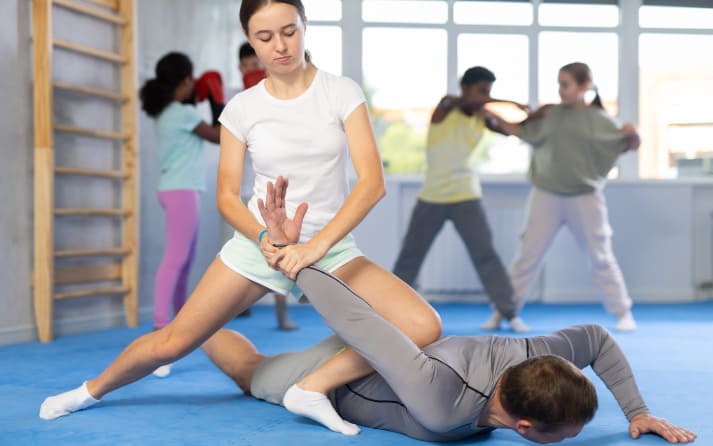
Regarding protecting yourself in a real-world encounter, the Kimura lock isn’t just for sport. Whether you’re standing toe-to-toe with an aggressor or end up on the ground, the Kimura gives you a mechanical advantage to isolate their arm and shut down any follow-up attacks.
Standing Kimura for Quick Control
Slipping into a standing Kimura self-defense technique can be surprisingly effective if someone grabs you or starts pushing. A quick twist forces them off balance or even drops them to the ground, giving you the chance to escape.
Grounded Self-Defense with the Kimura
On the ground, the Kimura lock shines even more. If an attacker is trying to mount or throw wild punches, grabbing the figure four turns the tables instantly. Not only can you threaten a shoulder break, but you also stop them from posturing up and landing heavy shots.
Keeping It Safe and Controlled
Unlike strikes, BJJ joint locks like the Kimura let you control the situation without necessarily causing permanent harm. You can apply enough pressure to immobilize someone or escalate if they refuse to stop.
Common Mistakes to Avoid with the Kimura Lock
Let’s be real — everybody messes up the Kimura lock at first. If you know what to look out for, you can fix them faster and start locking people up like it’s second nature.
Not Keeping the Arm Tight
Biggest blunder? Letting the opponent’s elbow drift away from your body. You’ve got to glue it to your ribs. If it floats out, the whole Kimura lock falls apart, and they can easily yank their arm free.
Relying Only on Arm Strength
Another classic mistake is trying to crank the submission using just your biceps. That burns out your arms fast and barely twists their shoulder. The trick is using your whole body to shift your hips and your shoulders. That secret sauce makes BJJ joint locks so powerful, like the Kimura.
Rushing for the Finish
Last one: going too fast. Some folks get so excited that they whip the arm back in one significant motion. Easy to slip out, or worse, cause injury. Slow it down. Apply pressure gradually, and you’ll be surprised how quickly people tap.
FAQ’s
You’d be surprised how many folks have the same questions when they start messing around with the Kimura lock. It’s one of those moves that looks simple on YouTube but throws up a million “wait, am I doing this right?” doubts the second you try it live.
Conclusion
The Kimura lock is hands down one of the most versatile weapons you can have, whether rolling in Brazilian Jiu-Jitsu submissions, grinding through an MMA camp, or learning how to control a bigger, stronger person.