


Lifting heavy can grow muscle, too. But their goals, methods and outcomes are different. This article dives into the difference between muscle growth vs strength and how strength training vs bodybuilding stack up.
Training for Strength vs Hypertrophy: What’s the Goal?
Ever caught yourself wondering why one guy in the gym lifts a car but doesn’t look shredded, while another has biceps like boulders but sticks to moderate weights? That’s the split between training for strength vs hypertrophy.
What Strength Training Really Trains?
Strength training means teaching your body to move the most weight possible. It’s more about how well your nervous system can command your muscles. You’ll use low reps, heavy sets and long rest periods. You’re not just building muscle. You’re building raw output.
What Hypertrophy Actually Means?
Want size? This is where hypertrophy comes in. You’re still lifting, but here, volume rules. You go with more reps, keep rests pretty short and yeah, really hunt down that deep pump. Honestly, it’s not really chasing your best single lift. It’s more about getting that full, round look. It’s how bodybuilders do it and why strength training vs bodybuilding ends up looking so different.
But Don’t They Overlap?
They do. And that’s where it gets tricky. Lifting heavy builds some size. Lifting for size builds some strength. But unless you dial in your approach, you’ll end up halfway to both and master neither. Muscle growth vs strength is a science-backed distinction.
Strength Training Rep Range vs Hypertrophy Rep Range
Some people train to move weights. Others train to look like they do. The difference often comes down to how many reps you’re doing and how heavy you’re lifting. The strength training rep range and the hypertrophy training rep range serve very different goals and they’ll shape your body in different ways.
Low Reps, Big Weights: The Strength Zone
If strength is your goal, you’ll live in the 1 to 5 rep range. We’re talking heavy weight, long rest and full focus. It’s not about how tired your muscles feel, it’s about how well your nervous system fires.
More Reps, More Volume: The Growth Zone
Want bigger arms or thicker legs? Then you’re chasing hypertrophy and that means 6 to 12 reps per set. You’re not maxing out, but you are fatiguing the muscle just enough to force growth. Coaches consider this the best rep range for muscle size because it balances load and volume to push your muscles past their limit.
Related Article: Best Dumbbell Exercises for Muscle Growth: Ultimate Strength Training Routine
How Progressive Overload Differs?

Progressive overload is the one principle that ties all training together. But how you apply it depends on what you’re working toward. When you look at training for strength vs size, the difference isn’t just in how hard you train – it’s in what you change.
For Strength: Add Load Over Time
If your goal is to get stronger, the main variable you’ll push is weight. That means lifting heavier over weeks and months. You’re teaching your nervous system to fire faster, harder and more efficiently.
For Size: Focus on Volume and Tension
Hypertrophy loves total work. You’ll increase sets, reps, or time under tension to drive growth. It’s not about lifting your max. It’s about keeping stress on the muscle longer. That’s why the progressive overload for muscle growth often looks like more volume, not more weight.
Technique Matters Too
Strength programs rarely include drop sets or tempo work. But for hypertrophy, intensity techniques matter. You might slow down your reps, shorten rest, or throw in supersets. Each tweak increases stress.
Neural Drive and Muscle Architecture
What Is Neural Drive?
Neural drive refers to how well your central nervous system sends signals to your muscles. A strong neural drive in strength training helps your body recruit more muscle fibers, faster and with better timing.
How Muscle Architecture Affects Output?
The term muscle architecture refers to how your muscle fibers are arranged. Things like pennation angle, fiber length and cross-sectional area all affect how force is produced. Strength athletes often have denser, thicker fibers. That’s why muscle architecture and strength are closely linked.
CNS vs Muscle Growth Focus
When you train for strength, your CNS is the main player. For size, the goal shifts to growing the muscle fibers themselves. That’s why powerlifters often look smaller but lift more, while bodybuilders carry mass but may not hit top-end numbers.
Related Article: Functional Fitness Training: Build Strength, Mobility and Real-World Performance
Exercise Technique Differences
Not all reps are built the same. The way you perform an exercise shifts depending on whether you’re chasing strength or size. For strength, it’s about position and leverage. For hypertrophy, you want to feel every inch of the lift.
Strength: Move Efficiently, Not Just Hard
Strength training means using body mechanics to your advantage. You might shorten the range or tweak your stance for better power transfer. Take the low bar squat vs high bar squat. The low bar position allows heavier loads by engaging the hips and reducing forward knee travel.
Hypertrophy: Stress the Target Muscle
Here, you’re chasing feel, not just performance. A high bar squat keeps your torso more upright and puts more load on your quads. Slower reps, peak contraction and full range all come into play. That’s how hypertrophy grows tissue.
Different Goals, Different Form Rules
Even the bar path and bracing can shift based on your goal. Strength training needs maximum tension with minimal energy loss. Size training allows more control, pauses and stretch. It all circles back to technique for strength vs size.
RPE vs RIR in Programming
RPE vs RIR training are tools to gauge intensity, yet they serve slightly different goals. If you’re training for max output or trying to grow muscle efficiently, using the right metric keeps your progress steady and smart.
What RPE Means for Strength?
RPE stands for Rate of Perceived Exertion. On a scale from 1 to 10, it tells you how hard a set feels. Strength athletes often work in the 7 to 9 range. This helps them autoregulate based on how fresh or fatigued they feel that day. For training for strength vs hypertrophy, RPE gives the flexibility to adjust heavy loads on the fly.
Why RIR Works for Hypertrophy?
RIR just means Reps in Reserve. Basically, how many reps you could still knock out before you’d totally fail. It’s huge for hypertrophy work since that’s where volume and getting tired really count. Keeping it around 1 or 2 RIR means you’re pushing close enough to the edge without frying yourself.
Different Tools, Same Purpose
Both systems aim to match effort with intent. Strength programs rely on RPE to balance intensity and recovery. Hypertrophy training leans on RIR to fine-tune volume. When comparing RPE vs RIR training, the difference lies in how you apply the stress.
Programming Structure: Strength vs Mass Focus
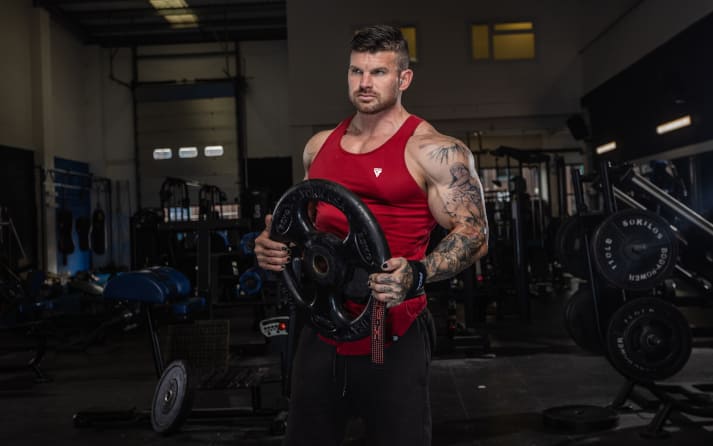
Your program’s blueprint decides whether you get stronger or just bigger. That’s why strength training vs bodybuilding plans look so different on paper. If you mix them up, you might stall or burn out fast. Knowing how weekly volume, exercise choice and progression schemes are split up for each goal is the secret to real results.
How Strength Plans Are Built?
Strength routines live in the low rep world with long rest. You’ll train big compound lifts like squats and deadlifts at high intensity but with fewer total sets across the week. This keeps fatigue in check and lets your nervous system stay fresh.
What Mass Programs Look Like?
Bodybuilders use higher volume, more isolation work and push sets close to failure. It’s not just about heavy weights. A split routine might hit each muscle once or twice a week to keep the workload high. This way, training for strength vs size shifts to favor more time under tension.
A Sample Week for Each Goal
A strength week could be three full-body days focusing on heavy squats, presses and pulls. A mass plan might split into chest-triceps, back-biceps and legs-shoulders across five sessions. Different frequency, different stress, but each is designed to target its own outcome.
Can You Train for Both Strength and Size?
Yeah, you can have your cake and eat it too. Well, sort of. Most people want big lifts and big arms, but you’ve got to line up your weeks right. It’s not just about lifting hard all the time. You need days for power and others for good old muscle burn.
- Blend Power Moves with Pump Work
A simple way is a push-pull-legs split. Some days you go heavy and low reps, chase that bar speed. Other days, you slow it down, get in more reps, stretch and squeeze. This keeps your nervous system sharp and your muscles growing. - Keep Signals Clear
Trying to do everything at once? That’s where it goes sideways. Systems like DUP or Conjugate spread heavy, explosive and volume days across the week. So you’re still chasing strength and size, but not tripping up recovery. - When’s It Worth Doing?
If you’re brand new, don’t bother mixing it yet. Nail the basics first. But once lifts slow down and muscles stop popping up overnight, this approach shines. Intermediates and advanced folks get the best of both. More work, sure, but double the payback.
Summary Table: Key Differences at a Glance
Here’s how training for strength vs size stacks up side by side. The basics change everything – from how much weight you lift to how long you rest. Strength is all about teaching your body to fire on command. Use this table as your cheat sheet next time you’re in the gym.
Factor | Strength | Hypertrophy |
Rep Range | 1–5 | 6–12 |
Load | 85–100% 1RM | 65–85% 1RM |
Volume | Low | High |
Rest | 2–5 min | 30–90 sec |
Focus | Neural drive | Muscle tension/stress |
Goal | Max force | Bigger muscles |
So yeah, it all depends on what gets you fired up. Want raw power? Then lean into heavy lifts and lower reps. Chasing that muscle pop? Go after volume, keep chasing the pump. Or hey, try a bit of both. Plenty of lifters do and it keeps things fun. As long as your plan lines up with your goal and you stay consistent, you’ll get there. That’s the real win.
Read More
- Best High Protein Foods for Muscle Growth: Top Sources for Strength & Recovery
- How Important is Protein Timing for Muscle Growth? Science-Backed Insights
- High Volume vs Low Volume Training: Which Builds More Strength and Muscle?
- The Ultimate Guide to Fitness Sandbags: Functional Training for Strength, Core and Power