


This piece is your quick guide. You will see what High Intensity Training is really about, why it works so well, and how to start simple HIIT workouts for beginners without wrecking your body. If you are brand new, this is the perfect way to dip in. And if you train in martial arts, you will love how it sharpens stamina and explosiveness.
What Is High-Intensity Training (HIIT)?
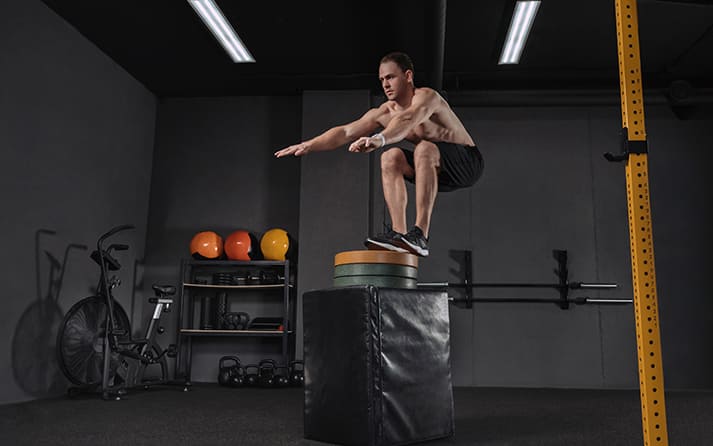
HIIT just stands for High-Intensity Interval Training. Sounds kinda fancy, but really it is simple stuff. You do something tough, push your heart and lungs hard, then slow it down for a quick breather. Flip back and forth like that. It is all about those ups and downs. That is what makes your body get stronger, faster, better at handling pressure.
Definition
So yeah, high-intensity interval training is like a back and forth dance. You hit near max effort moves, then chill for a bit. It builds your engine two ways, your heart handles crazy spikes, then learns to calm quick. That is why people always brag about the high-intensity interval training (HIIT) gains they get. It covers more than just one piece of fitness.
How It Works
The hard bursts shove your system into overdrive. Your lungs grab more air, your blood pumps quicker, everything fires. Then the rests teach it how to bounce back. Over weeks, your body stops freaking out. It handles stress like nothing. That is the quiet reason behind the benefits of high-intensity training everyone keeps talking about.
Duration and Key Takeaway
Most HIIT workouts are short, like 15 to 30 minutes. Still feels like an hour packed into that tiny slot. You get the same or better heart results than slow jogs that take forever. That is why busy folks love it. Big win for time, big win for lungs.
Related Article: 5 HIIT Workouts That You Can Do With Jump Rope
Benefits of High-Intensity Training (HIIT)
HIIT does way more than just make you sweat. It kinda reprograms how your body handles effort. Your heart learns to take on stress and chill quick after. Your lungs start pulling air smoother. Even your brain gets in on it, handling pressure without flipping out. It is wild how one style of workout does so much.
Improved Cardiovascular Health
When you push hard then rest, your heart has to adapt. It pumps strong, then calms down fast. Over time, that back and forth means your heart does not panic under load. It feels normal. That is why one of the best benefits of high-intensity training is how calm you stay under heavy effort. It shows up running stairs, rolling, even just carrying groceries.
Fat Burning and Weight Loss
HIIT for weight loss is huge. You burn through calories not just in the workout, but for hours after. That afterburn effect is real. Your body needs extra oxygen to fix what you stressed, so it burns more fat just catching up. It is kinda like a sneaky bonus that slow cardio does not really give.
Time Efficiency and Endurance Boost
Most HIIT sessions are short, so you are in and out fast. Still, you end up building endurance that holds up way longer. That is the beauty of it. Less time, more payoff. Your lungs and legs learn to take hits, and you do not lose your whole day to training. That is why so many go all in on HIIT for weight loss over long jogs.
Related Article: Jumpstart Your Fitness: 5 Unique Jump Rope HIIT Workouts to Torch Calories and Boost Strength
HIIT Workouts for Beginners

Starting HIIT does not mean you jump straight into crazy circuits. Most people mess up by going too hard, then hating it forever. The best way is to slide in slow, give your muscles and lungs a taste, and let your body build up week by week. Over time it stops feeling like your chest is on fire, and you start craving the burn.
1. Start Slow
Smart plans for HIIT workouts for beginners always begin with short bursts and longer rests. Maybe twenty to thirty seconds of work, then double that for recovery. It lets your heart handle those jumps without blowing you up. Before long, that small start turns into you handling way tougher rounds without even thinking about it.
2. Example Beginner Workout
- Start with thirty seconds of jumping jacks. Lift your arms high, spread your feet wide, feel your heart catch. This wakes up your whole system without pounding your joints.
- Rest for thirty seconds. Breathe deep, let your heart drop a little, teach your body how to reset. This is sneaky training that pays off later.
- Then hit thirty seconds of high knees. Drive your knees quick, keep your arms pumping, let your thighs burn. This pushes your lungs in a way slow jogs never do.
- Rest again for thirty, then repeat this loop for ten to fifteen minutes. Sounds short on paper but it catches up fast. That is how you build a solid burn fat fast workout base that does not scare you off.
3. Focus on Form and Recovery
Keep every rep clean. Sloppy work just means teaching bad habits or setting yourself up for tweaks. Also do not skip rest days. Muscles rebuild when you chill, then come back stronger so you can hit even harder next round. That is how you end up actually loving HIIT instead of dragging your feet.
Best HIIT Exercises for Maximum Results
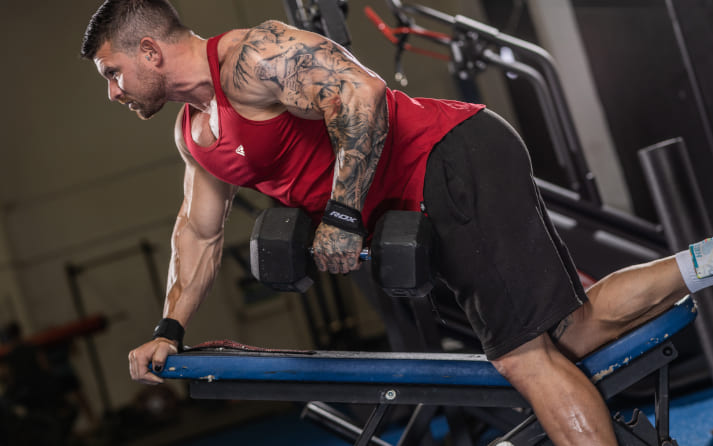
Picking the right exercises is where HIIT really shines. You want moves that fire up tons of muscles at once, send your heart racing, and still teach control. These basics build a full body engine that works for anything, from sports to just feeling strong. Mix a few of these into your circuits and you will see changes quick.
Jump Squats
Jump squats are sneaky and brutal. You drop into a deep squat, then blast up, trying to get air. That pop builds legs, hips, even your core. It also gets your heart rate up faster than slow steady lifts ever could. This is a staple move for stacking best HIIT exercises into any routine.
Burpees
People groan at burpees for a reason. You squat, kick out, drop for a push-up, pop back, then jump. It hits your chest, shoulders, legs, and blasts your lungs. Plus it teaches your body how to flow through different levels — ground to stand — without losing speed. That is real-world strength.
Mountain Climbers
Mountain climbers look easy till your shoulders start begging. Hands on the floor, knees driving fast up toward your chest. It fries your core, loads your arms, and shoves your heart rate sky high. This is why it sticks on every explosive strength training list for fighters and weekend warriors both.
High Knees
This move sounds silly but is sneaky hard. Drive your knees up quick, keep your chest tall, let your thighs burn. It builds hip flexors, pops your lungs, and sharpens coordination all at once. In short sharp bursts, it is perfect HIIT fuel.
Push-Ups
Old school always works. Push-ups lock in the chest, shoulders, triceps, plus your core stabilizes every rep. Do them fast in intervals and you stack cardio on top of strength. They slide into any HIIT plan without needing a single piece of gear.
Plank Jacks
Get into a plank, then jump your feet wide and back. It turns a slow core hold into a cardio spike, plus it hits shoulders and legs. This keeps your heart pumping and your stomach braced. A killer combo for a simple move.
HIIT for Fighters and Martial Artists
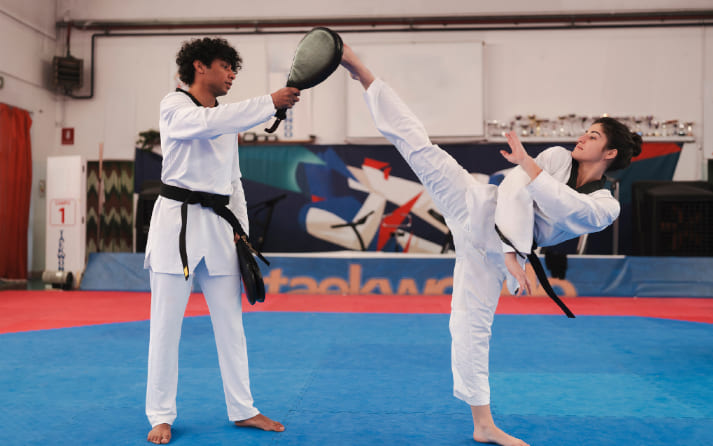
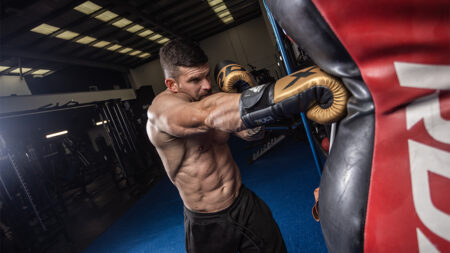
Fighters live and breathe short bursts followed by tiny rests. That is literally how a round feels. HIIT lines up with that perfectly, training your heart to spike, recover, then spike again without panicking. Whether you are throwing hands or rolling, it builds a gas tank that does not fade. That is why HIIT for martial artists is almost like cheating. It preps you for chaos better than slow jogging ever could.
1. Why HIIT Works for Fighters
HIIT copies the same up-down stress of sparring. You go hard, recover quick, then do it all again. That back and forth means your lungs learn to handle scrambles, your legs keep driving in late rounds, and your heart calms down fast between exchanges. That is the kind of edge every fighter hunts for. No wonder serious camps slot in HIIT for fighters as a must.
2. Improving Stamina
More HIIT means your body clears out waste faster, grabs fresh oxygen, and keeps your muscles firing without quitting. Over weeks, you notice hard rounds just do not scare your lungs the same way. Your legs hold up, your breath comes back quick, and your mind stays clear when others start fading. That is where HIIT proves it beats old steady work.
3. Speed and Agility
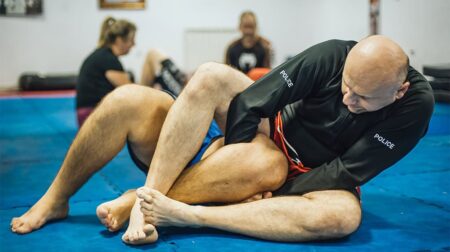
Short savage bursts like sprints or jump drills train fast twitch muscle fibers. That is what gives you pop when you shoot a takedown or snap a jab. Your feet stay light, your hands do not slow. HIIT drills teach your whole system to explode then recover, which is gold for fighters. It is the hidden gem inside HIIT workout for grapplers too, helping you scramble without losing steam.
4. Conditioning
Real fight shape is different from just gym shape. HIIT blends strength, cardio, and quick resets so your body can take a hit, bounce back, then fire again. You end up with a kind of toughness that goes beyond just running laps. That is what separates fighters who grind to make a decision from those who finish strong.
5. Example Workout for Fighters:
- Start with thirty seconds of shadowboxing, keep your hands up, mix punches and slips, move your feet side to side.
- Rest for thirty seconds, breathe through your nose, let your heart settle just a touch.
- Then hit thirty seconds of high knees, drive them up fast, keep your core tight so you do not fold.
- Rest again for thirty, hands on your hips, walk it off.
- Repeat this for fifteen minutes, mixing in occasional kicks or sprawls. By the end, you will feel the same chest squeeze you get mid-round, but learn to breathe right through it.
HIIT vs Steady-State Cardio
People love to argue over what is better, HIIT or the old steady runs. Truth is, both work, just in different ways. HIIT gives you quicker fat drops, sharper lungs, and that afterburn that keeps working long after you leave the gym. Steady-state cardio is more about long sessions at a mellow pace, which does build heart health too. But it does not hit your muscles or metabolism the same way.
HIIT
HIIT burns through calories fast, ramps up your heart rate, then drops it down quick. That back and forth means your body gets better at handling stress and bouncing back. It also jacks up your metabolism for hours, which is why people rave about how HIIT vs steady-state cardio shakes out for fat loss. You get leaner faster, plus it stacks endurance on top.
Steady-State Cardio
Jogging, biking, or long steady rows work too. They build a calm, steady engine that lasts. Great if you want to stay at one pace for a long time. But you miss that pop and afterburn that HIIT gives. It is why slow cardio does not shape your muscles or drop fat as quick. Still, it is good for baseline health.
Which Is Better for Fighters?
For martial artists, HIIT wins easy. Fights are never steady. They are all bursts, pauses, scrambles, resets. HIIT mimics that exactly, blending power with breath control. That is why you see smart camps lean on HIIT for martial artists way more than endless long runs. It just fits the chaos of the cage better.
Tips for Making the Most of Your HIIT Workouts
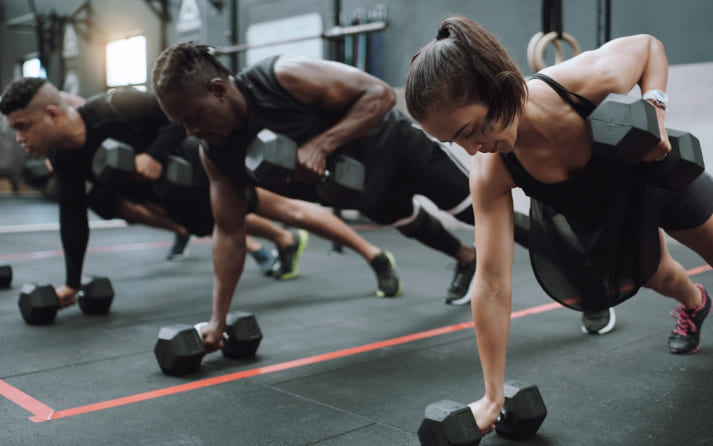
HIIT is powerful stuff, but only if you play it smart. Too many people jump in, go full blast, then end up sore or bored or quitting after two weeks. The real trick is stacking tiny habits that keep your body safe, your mind in it, and your workouts getting tougher at just the right pace. That is how you get all the good from it without burning out.
Start with a Warm-Up
Never just start throwing punches or doing jumps right off the bat. Your muscles need a heads up, your joints need a little test run. Do some arm circles, twist your hips around, maybe a light jog in place. Get the blood moving so you are not shocking your system. This tiny five minute ritual saves so many tweaks.
Focus on Form
It is super easy to cheat when you get tired. Your knees buckle weird, your shoulders rise up, your lower back arches too much. Keeping moves clean even when your heart’s flying is what makes HIIT actually build you up. That is the sneaky reason HIIT workouts for beginners push form so hard. You start good, stay good.
Track Progress
People think they will just remember. Nope. Write down your rounds, time your bursts, keep a small log. It shows you getting better, which is huge for your brain. Also proves when it is time to push a little more. Otherwise you stay stuck doing the same easy stuff forever.
Gradually Increase Intensity
When your old circuit starts feeling kinda chill, bump it. Maybe go forty seconds instead of thirty, maybe cut rest by five seconds. Tiny jumps stack up fast. This keeps your lungs and legs growing without shocking them so bad you hate life the next day.
Stay Hydrated
HIIT makes you sweat buckets. If you do not refill, your muscles get cranky, your head feels fuzzy, and the next round sucks. Keep a bottle close, sip every break. It is boring advice but honestly one of the biggest deals.
Consistency is Key
One savage workout means nothing if you ghost for a month after. Two or three sessions a week is gold. It builds up slow, you actually keep seeing gains. That is how you crush your burn fat fast workout goals without starting from scratch every Monday.
FAQ’s
Folks always toss out a bunch of questions once they hear about HIIT. It sounds weird at first. How can these short bursts beat long boring jogs? Turns out, it is simpler than people think. Here are the big ones that always pop up, no matter who is asking.
Conclusion
High-intensity training is still one of the sharpest tools out there. It slices through fat, builds lungs that do not quit, and fits in small pockets of time. That is gold for busy folks or fighters who need power without spending all day grinding. Whether you are brand new or looking to level up, there is room to slide HIIT right into your week.
Add a few smart circuits, keep your form tight, rest when needed. Before long you will see changes that steady workouts never quite gave. That is the real magic of High Intensity Training. Even simple HIIT workouts for beginners stack up to something huge if you keep showing up. That is where all the results hide.