




Just like training and refining your training skills is important, recovering from these intense activities is essential. Prioritizing recovery will help athletes to manage the existing injuries and also reduce the risk of developing injuries during training. A good recovery plan should always be a part of an athlete’s training to boost performance and skills.
Many athletes skip recovery workouts day as they think they are just wasting their time. This is completely the wrong approach, as not engaging in recovery days can be a serious danger to health and performance.
In this article, we will discuss some essential recovery workouts for athletes and best strategies to optimize their recovery.
Related article: Best Practices for Recovery After Weightlifting: Faster Muscle Repair & Strength Gains
The Importance of Recovery in Athletic Training
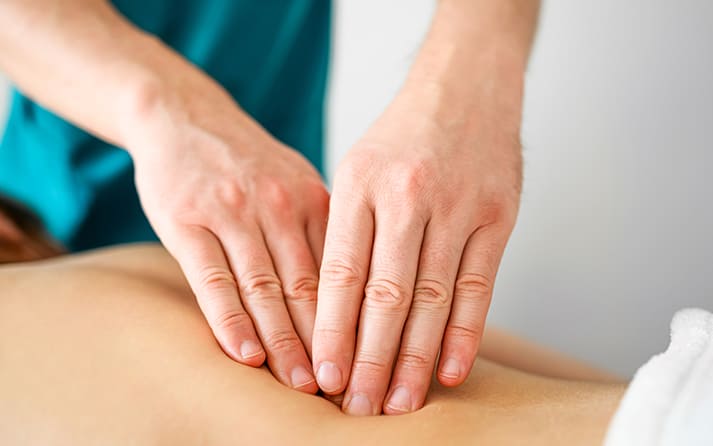
The intensity of the workout and training sessions can cause micro tears in the muscle. And if an athlete does not follow a proper recovery protocol, they definitely have a hard time performing in the next session. Recovery is not only limited to recovering the damaged muscle, but it also impacts the performance goals of an athlete.
The true progress of an athlete surely happens during recovery. The time spent in engaging in recovery sessions helps in muscle repair and makes muscle grow, which then reflects in their peak performance. Recovery should be an essential part of any training regimen and skipping it can put athletes at risk of injuries that can hinder their progress.
Recovery has two types: active and passive. Active recovery routines include swimming, yoga, and cycling. The purpose of active recovery is to keep the body moving but without putting excessive strain on it. These routines also improve blood circulation and reduce soreness. Passive recovery focuses on complete rest with no activity.
Understanding Active Recovery Routines

Active recovery is just light movement after a tough workout. You don’t push yourself beyond limits, but also keep your muscles engaged.
This improves blood circulation, which helps your body heal faster and reduces soreness. You don’t need to stay still to recover.
Passive recovery means full rest. No movement at all. That can work if you’re hurt or really tired. But most of the time, active recovery does a better job, especially after hard training.
Studies show moving a little after a workout helps remove waste like lactic acid. That means less stiffness later on.
Some great active recovery moves? Try arm circles, leg swings, or a slow swim. These keep your body moving without stress.
The best time for active recovery is right after you train hard. But honestly, you can add it anytime. Even after a light workout.
Don’t skip recovery. It helps your body stay strong and ready for the next session. You don’t need to go hard every day. Rest and recovery are just as important.
Related article: Mobility Drills for Fighters: Improve Flexibility & Performance in Combat Sports
Best Post-Workout Recovery Exercises
The post-training cooldown exercises can make a lot of difference in an athlete’s routine and recovery. They help in better muscle repair and support the overall performance of an athlete. It is essential to design a post-workout recovery protocol for athletes to prevent stiffness and remove lactic acid. Some of the exercises include:
Gentle Cardio
After a tough strength workout, the best thing you can do is move a little or do gentle cardio. A slow jog or a few minutes on the elliptical helps more than you’d think. Why? Because it gets your blood flowing. And that brings oxygen and nutrients to your muscles, which is exactly what they need to recover.
Mobility Work
Engaging in mobility exercises with dynamic movements can make muscles flexible, improve range of motion, and prevent muscle stiffness. Some of the mobility drills for athletes include leg swings, arm circles, hip rotations etc. Using yoga straps for mobility work can improve flexibility and reduce post-exercises discomfort.
Foam Rolling
An excellent recovery tool for recovery, foam roller applies pressure to sore muscles and releases tension. Foam rolling and muscle recovery go hand in hand, and are great to reduce soreness and speed up the healing process.
Stretching and Mobility Drills for Muscle Recovery
Stretching has always been the primary method for muscle recovery, and many athletes resort to it to relieve the tension from the muscles. It mainly consists of two types: static and dynamic stretching. Static stretching is usually done after a workout, in which an athlete has to hold a stretch for at least 30-50 seconds to relax the muscle.
Dynamic stretching is defined as engaging the muscles in controlled movements constantly. The dynamic stretching is usually done before a workout to prepare the muscles for movement.
1. Key Stretches for Muscle Recovery
Some of the essential stretching exercises for muscle recovery include targeting major muscles in the body such as quads, hamstrings, calves, hips, arms, and shoulders.
- A standing quad stretch can target the quad muscles.
- Seated forward fold with the help of a yoga block or standing hamstring stretch is great for hamstring stretch.
- Downward dog is a great move to stretch calf muscles.
- Pigeon pose or butterfly stretch can target the hips and glutes.


2. Mobility Drills for Athletes
Mobility drills improve range of motion, and improve flexibility. They are one of the best strength recovery strategies for athletes. Some of these moves include leg swings, hip circles, and shoulder rolls.
Related article: Stretching Techniques for Faster Muscle Recovery: Best Practices & Benefits
Low-Impact Workouts That Promote Recovery
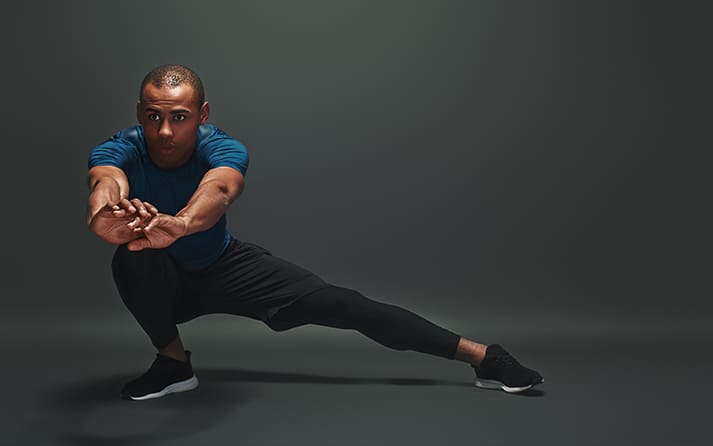
Low-impact workouts promote recovery by engaging your muscles and adding some movement in the day. They are easy on joints and don’t put excessive strains. This makes them a better option for people recovering from injuries. The low-impact workouts also decrease post-workout soreness and improve circulation. The best time to do low-impact recovery workouts is during a rest day.
For injury recovery, the low-impact recovery exercises are great to mobilize the body. Athletes doing low-impact exercises rather than engaging in intense training after injury have a higher chance of complete recovery. These workouts are easy on joints and can improve your endurance levels.
Some low-impact recovery exercises that athletes can do are swimming, rowing, light yoga, and stretching. With these low-impact workouts, athletes can return to their training protocol with increased strength.
The importance of recovery workouts is not limited to recovery and relieving muscle soreness, but they also work on improving athletic performance. It is great to start low-impact recovery workouts with 5-10 minutes of warm-up. End the workout with 10 minutes of static stretching to manage soreness.
Yoga and Mindful Movement for Athletic Recovery
Yoga for athletic recovery is designed specifically to complement their training routine. Athletic yoga can soothe tight muscles and improve agility and flexibility. Yoga for athletes is also great for their recovery and enhancing their performance in the sport. Other than that, yoga can also help athletes to develop mindfulness and inner focus, which eventually helps them to show strong mental resilience and decision-making powers in their respective disciplines.
Consistently doing yoga can help athletes build great mobility and flexibility, protecting them from serious injuries.
Combining all yoga types for athletic recovery can provide deep stretching while relaxing the body completely.
Yoga moves can also be performed to relieve tension from tight muscles. These moves include pigeon pose, downward dog, or child’s pose. A consistent yoga routine for athletes can provide multiple benefits such as improved recovery, flexibility and better performance.
Related article: The Ultimate Guide to Yoga for Flexibility and Full-Body Strength
Post-Training Cooldown Essentials
Missing cooldown routines after a workout is the worst thing one can do. Due to the impact of high-intensity training, the cool-down becomes an integral part to relax the muscles and lower down the heart rate. The cooldown exercises protect you from developing injuries. Do your cooldown stretches right after the workout to relax and stretch.
The post-training cooldown exercises should be done for at least 10-20 minutes and should include gentle movement. The exercises can also include mobility work, followed by static stretching routine to relieve the tension from the muscles, and prevent soreness. Some of the important stretches in cooldown exercises should include shoulder stretches, arm stretching, hamstring and glute stretches to release muscle tension.
Cooldown exercises are a great way to reconnect with your body with deep breathing and relaxation exercises.
Foam Rolling and Myofascial Release Techniques
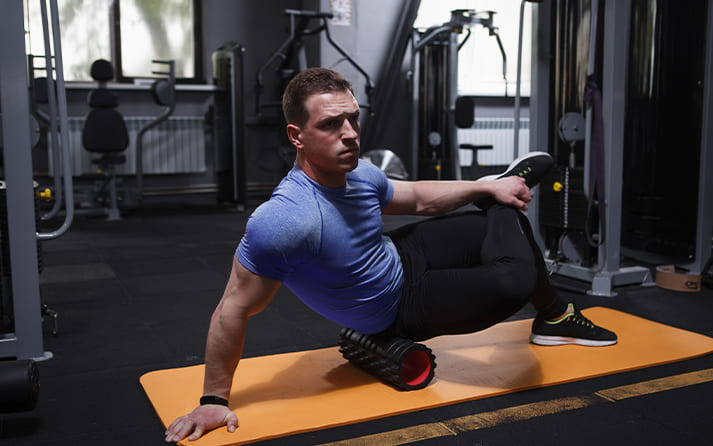
Foam rollers apply pressure to the muscles that can help break up the knots, and realign the muscle tissues to work normally. A foam rolling routine should be done with a durable and strong foam roller so that a body part can be placed on top of the roller.
Myofascial tissue is a thin and tough connective tissue that supports and surrounds the muscles. The myofascial release with foam roller provides an instant response by improving the muscle length and joint motion. Myofascial tissue release relaxes the muscles, corrects any imbalances, improves the range of motion, and neuromuscular efficiency, and reduces soreness.
The foam rolling and muscle recovery with a myofascial release can have multiple benefits for athletes. That is the reason, athletes should be engaging in a foam rolling routine for at least 10-20 minutes after a workout targeting every muscle group such as back, glutes, calves, and IT bands. Do controlled and slow movements on a foam roller consistently to improve range of motion.
Related article: High-Density Foam Rollers for Muscle Recovery: Benefits, Techniques and Top Picks
Recovery Strategies for Endurance Athletes
Endurance athletes such as runners, and cyclists have to go through intense physical activity, putting excessive stress on joints, muscles and their energy systems. From proper nutrition strategies to following best recovery strategies, everything matters for them for recovery, and maintaining good performance.
The best recovery strategies for endurance athletes are static stretching after training to prevent joint wear and tear, eating a balanced diet, and drinking enough water. This helps in replenishing lost energy, preventing muscle loss, and dehydration.
Some of the best recovery workouts for endurance athletes provide deep stretching, preparing them for the next day. It is great to often engage in foam rolling, yoga, or any other active recovery sessions to release the muscle tension.
Related article: MMA Workout For Strength Building And Endurance
Building a Personalized Recovery Plan
Designing a personalized recovery plan depends on many factors such as training intensity of an athlete, the sport type, injury history, and age. Making a recovery plan by keeping all these essential factors in mind can ensure athletes are performing well in their relevant sport and are safe from encountering injuries.
A wholesome recovery plan should include a combination of restorative exercises for injury prevention such as yoga, foam rolling routine, or engaging in active recovery routines. Mixing these effective recovery methods can target different aspects of recovery such as relieving muscle tension and soreness, improving flexibility and mobility, and increasing circulation.
Tracking your recovery progress consistently can help athletes to manage muscle soreness and assess their performance. Even when following a recovery plan, it is important to listen to your body and take rest when it is not ready to make any effort.
Conclusion
You might be associating recovery workouts as a sign of weakness or thinking it’s not that important, but the fact is recovery is essential to enhance the performance, and athletic capabilities. The recovery workouts for athletes done under right supervision and with correct postures can strengthen their muscles, relieve soreness, and improve their overall performance.
After training vigorously for days, make sure that you are including a recovery day in your routine to stretch and relax the muscles.
Start doing recovery workouts for athletes by incorporating dynamic and static stretches in your routine to optimize your performance and boost overall strength and recovery.
Use the right gear, be mindful of the exercises, and transform your body in a wonderful way.