




What Is the Meaning of Haymaker Punch?
“Haymaker” started as a farming term—think swinging a tool wildly—and it morphed into fight slang. So, what is a haymaker punch? It’s not a polished hook or a straight cross. It’s a big, loopy, knockout-intent swing. Seasoned fighters can weaponize that same chaos. They wind up, coil the hips, and release an explosive arc. It’s less refined than technical hooks yet delivers epic force.
In boxing, it stands apart from tight, efficient shots. In MMA, you’ll spot haymakers when someone’s hunting a quick finish on the feet, before the grapple begins. It’s risky. It telegraphs your next move. But timing it right? Instant knockout. And that’s why you’ll hear “haymaker’s punch” called out in gyms and fight commentaries. Ready to learn how throwing a haymaker can work for, and against, you? Let’s roll.
Related Article: Difference between boxing and MMA
How to Throw a Haymaker Punch?
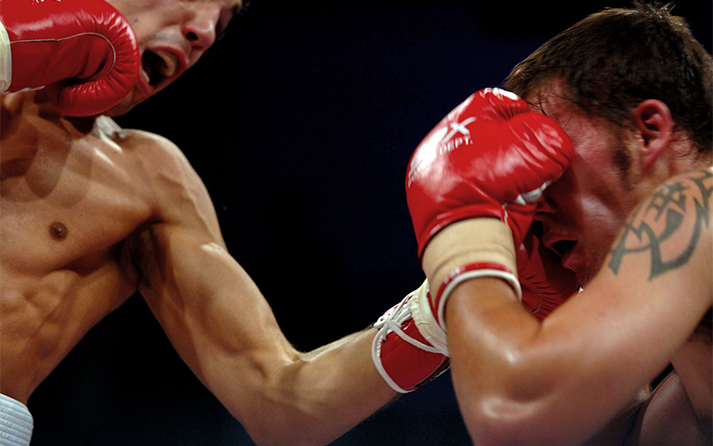
First, get your stance right. Your feet should be shoulder-width apart, weight should be slightly on your rear leg, hands should be up, and your chin should be tucked. That base will set you up for balance.
- Wind-up (limited): Keep it short. Pull your rear hand back just enough to load the punch. Too much, and you’ll telegraph.
- Hip rotation: Snap the hips toward your target. Let your core do the heavy lifting.
- Shoulder follow-through: As hips turn, drive the rear shoulder forward. This adds torque.
- Arm arc: Your arm swings in a wide loop. Aim for the side of the head or jaw.
- Contact and recoil: Hit, then pull back. Don’t linger.
Common mistakes? Overwinding wastes energy. Leaning too far forward kills your balance. Telegraphed wind-ups? Opponents slip out of the way.
Keep feet planted. Rotate on the ball of your rear foot, not your toes. Practice slowly at first, feel the turn of your hips. Once you nail that, speed up. Blend control with aggression. That’s boxing combinations at their rawest. You’ll love it, or hate the bruises.
Related Article: How to Improve Striking Accuracy
When and When Not to Use a Haymaker?

When to use a haymaker:
- The opponent is hurt, stumbling, or pinned against the ropes.
- At the tail end of a combo, surprise them with that huge swing.
- When you know you have a clear power edge.
Picture Deontay Wilder unloading a haymaker when his foe dips. Those are textbook finishing punches.
When not to use a haymaker:
- Against slick counter-strikers like Tyson Fury defense reads loops and dodges.
- Early in a round, if you need to save energy.
- When you’re off-balance or under heavy pressure.
High-risk boxing techniques like throwing haymakers demand perfect timing. Use them wisely. If you throw blindly, you’ll eat a counter on your chin. And that’s no fun.
Haymaker vs Hook: Key Differences
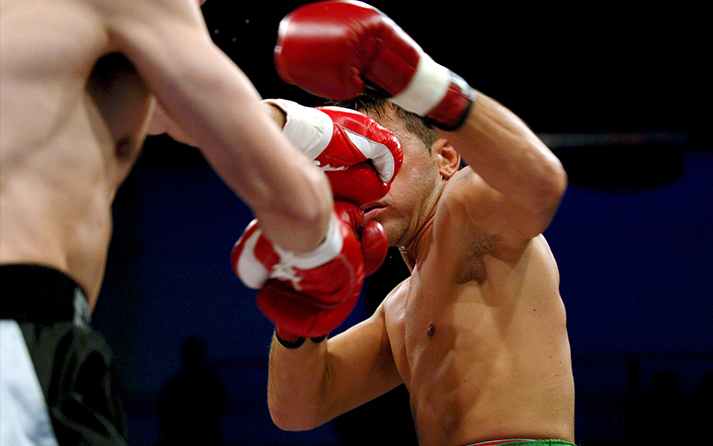
A hook is tight. It’s a short, looping punch from your lead hand. You pivot your front foot, rotate your hips, and smash in a compact arc. Hooks flow in combos—jab, hook, cross—you know the drill.
The haymaker punch? It’s twice as wide. You wind up more, torque your whole body, and swing fully. Hooks rely on precision; haymakers bank on raw momentum.
- Risk: Hooks carry less risk. Haymakers leave you exposed.
- Speed: Hooks are quicker. Haymakers take longer to arrive.
- Accuracy: Tight hooks land more often. Haymakers miss more, but when they connect…boom.
- Effectiveness: Hooks pepper opponents during combos. Haymakers aim for one-shot finishes.
Both have their place. Reach for that hook if you need a quick body shot in a flurry. Maybe it’s time for a haymaker if you sense a knockout moment.
How to Defend and Counter a Haymaker?
Dodging a haymaker is easier than blocking one. Try these moves:
- Slip: Bend your knees and tilt your head off the line.
- Shoulder roll: Tuck your chin, and roll the punch off your guard.
- Lateral movement: Step to the side and make your opponent miss.
Then counter:
- Straight right (or jab) down the middle: Their swing creates an opening.
- Uppercut: As they dip for that wide arc, blast up through the gap.
- Clinch or sidestep: Close distance, grab, and punish with body shots.
Watch Floyd Mayweather in slow motion. He’ll lean back, let the haymaker slide off, and then jab you simultaneously. Tyson Fury? He circles and times that wide swing perfectly for his counters. Learn from the best. That’s countering punches in boxing at its finest.
Famous Haymaker Knockouts in Boxing and MMA

Deontay Wilder Haymaker
The Bronze Bomber built his reputation on right-hand haymakers. One shot from him can end a round—or a career. Watching him unload is like watching thunder strike.
Chuck Liddell (MMA)
“Ice Man” mastered wide, looping hooks, an MMA haymaker punch at its peak. He’d close distance, coil, and let that loopy shot fly. Opponents hit the mat before they knew what happened.
These fighters show that haymakers aren’t just brute force. Timing matters. Recognizing when an opponent dips or overcommits lets you plant that finishing punch clean. When executed with skill, the haymaker becomes more than a desperate gamble—it’s a signature move.
Related Article: UFC Fight Night: Cyril Gane vs. Tai Tuivasa
Conclusion
The haymaker punch is a headline grabber. It’s high-risk, high-reward. Nail your stance, hip rotation, and timing—and you’ll see why fighters chase that one-shot finish. Use it when chances line up: a hurt opponent or the perfect moment at the end of a combo. But don’t overdo it. Telegraphed swings leave you open to counters. Balance power with boxing strategy, and that haymaker punch becomes more than a wild gamble; it becomes a weapon in your boxing mechanics toolkit.