


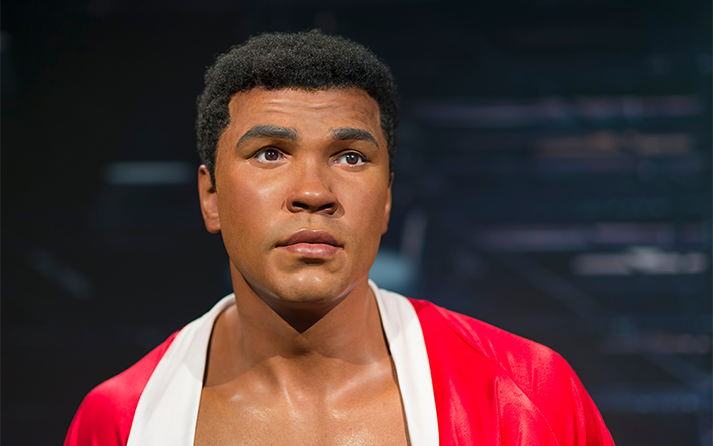
In the past, the USA has been a powerhouse on the Olympics podium with such stars as Muhammad Ali (the one born Cassius Clay), whose reputation on the Olympics scene is legendary, particularly, he was a holder of the gold medal in the 1960 Olympics in Rome, light heavyweight division. Other successful countries include Cuba as well as countries of the former Soviet Union.
The Olympic boxing competition combines performance-based technical excellence and scoring alongside fair conduct above all else. When was the first time that boxing was included into the program by the Olympic committee? Boxing was originally introduced in the Olympics in 1904 Games.
This sport has been an Olympics sporting arena for men since its inception more than a century ago and the female version of the same began in 2012. Just in case you want to know the boxing rules in the Olympic setting and competencies required to compete at the elite level, read on.
How Does Olympic Boxing Work?
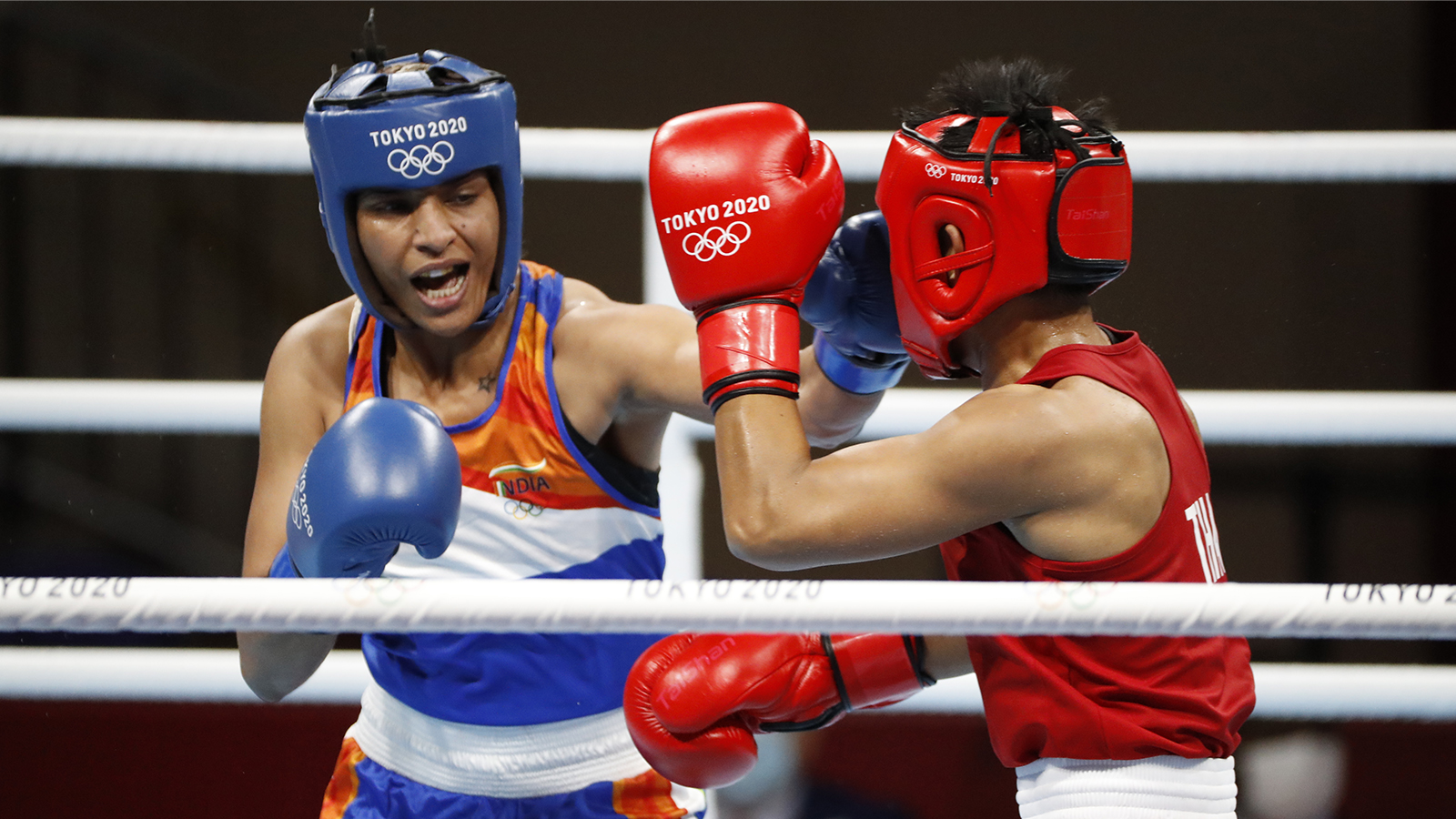
The process of Olympic boxing involves what elements? The contest brings together global amateur boxers who participate. Each match has three rounds. The matches run for three minutes, followed by one-minute rest periods. Each boxer attempts to accumulate more points by making effective strikes on their opponent.
Boxers develop skills in speed while focusing on accuracy along with defensive techniques, to triumph in each round, but professional boxing showcases more knockouts.
Boxers competing in Olympic competitions undergo judgment through the 10-point must system. Judges evaluate each boxing match from distinct viewing areas. They assess the boxers according to their landed clean punches, defensive ability, and technical expertise.
The boxers who win specific rounds will get 10 points, yet their opponents will get a lower scoring total tied to their actual performance. The boxer who accumulates more points throughout three rounds wins the match. The scoring method prevents biased decisions by evaluating physical capabilities instead of just promoting aggressive behavior.
Related Article: Boxing Leagues, A Comprehensive Look
Olympic Boxing Weight Classes
The Olympic boxing competition requires professional weight divisions among its contestants. Boxing competitors are assigned to fight opponents whose weight and size match theirs through defined weight classes. In Olympic boxing, male and female athletes follow separate weight divisions.
For men, there are seven weight classes:
- Flyweight (51kg)
- Featherweight (57kg)
- Lightweight (63.5kg)
- Welterweight (71kg)
- Middleweight (75kg)
- Light Heavyweight (80kg)
- Heavyweight (92kg and over)
For women, there are six weight classes:
- Minimum (50kg)
- Featherweight (54kg)
- Lightweight (60kg)
- Welterweight (66kg)
- Middleweight (75kg)
- Heavyweight (81kg and over)
Despite fewer weight categories, the women’s boxing division sees substantial expansion. Recent years have witnessed an expansion of weight divisions. Men’s boxing divisions have different limits than those established for women’s boxing.
Olympic Boxing Rules and Regulations
Olympic regulations for boxing exist to establish and maintain both safety and fairness in competitive matches. What is the number of rounds that participants fight in Olympic boxing competitions? The official matches consist of three distinct rounds that extend for exactly three-minute periods.
All Olympic boxing competitors are required to use safety-focused Olympic boxing gloves that weigh less than their professional counterparts. Young boxing participants must wear protective headgear for tournament matches, while adults no longer require it.
To box at the Olympics, a fighter needs to maintain their weight requirement along with passing medical inspections. Competitive boxers participating in Olympic boxing matches must be between 18 and 40 years old.
Fighters must join a national boxing federation, which enforces all necessary Olympic boxing standards for participation.
Booting referees position themselves to enforce rules in every match. Referees possess the authority to intervene and end a match when one participant becomes unfit to continue fighting.
Olympic Boxing rules protect fighters and simultaneously work to preserve even competition among athletes. Boxers must demonstrate their respect toward the sport as well as toward their opponents and officials.
Scoring in Olympic Boxing
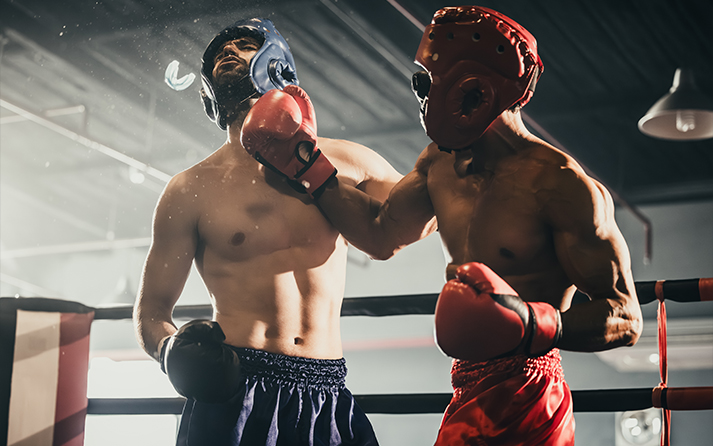
Often, people wonder why the scoring system of boxing in the Olympics is done that way. The scoring system employed by the Olympic boxing to determine the scores is the 10 point must system. These regulations are uncomplicated but firm. In every round, the best boxer gets a score of 10 points.
Indicators of performance level determine the score for the opposing boxer, who gets points worth less than nine. Judges base their scoring decisions on the fighter’s technique, along with their use of clean punches and their level of control. A scoring system of 10 point must be adopted, which assists judges in giving fair scores that reflect the reality on how to perform in the contest.
How many judges are involved in the Olympic boxing? During the Olympic Games, a scoring of the boxing matches is done by five designated judges. Punches are scored according to their accuracy and strength, and the way the fighter can make or take control of it. Boxing judges add counting the number of punches that reach a clean target on the front and side of head and body.
A boxer’s scoring points do not increase by delivering brushes or wild swings that miss their target. High scoring depends on active movement techniques with perfect, which supports intelligent defensive actions.
Is Boxing Still in the Olympics?
Some people might ask if boxing persists as an Olympic competition. Boxing remains an Olympic Games competition event. The game of boxing faces ambiguous prospects about its path ahead. Awareness of scoring and judging has created doubts in public opinion. Major reforms have been instituted to enhance both safety and fairness in the sport.
Since 2006, the International Olympic Committee (IOC) has established an active partnership with boxing federations. Athletes demand better guidelines, along with complete transparency and strong governance principles. Safety improvements from these changes work to defend boxing’s Olympic status.
Recent years have witnessed increased participation in boxing as an Olympic sport. The number of countries getting involved with boxing continues to rise alongside growing participation of women in different weight categories.
How to Become an Olympic Boxer?
There are dreams of becoming an Olympic boxing competitor in the making. The route to the Olympics requires hard work yet offers valuable rewards. You must start your boxing training using amateur competitions, both locally and nationally. Every aspiring boxer should join a recognized boxing club that has certified coaches to provide training.
To participate, the athletes need to complete national qualifying events, together with competitions at international levels.
Athletes competing in boxing sessions must satisfy the Olympic requirements of being within the age bracket between 18 and their 40th birthday. To participate in competitions, boxing athletes need national federation selection. A mix of perseverance and proper assistance enables you to achieve this goal.
Most athletes involved in Olympic boxing begin their training at age 15. If you’re serious, start now and stay committed. The road is long, but the dream of wearing your country’s colors in the Olympics is worth it.
The Importance of Women’s Boxing in the Olympics
Women’s boxing now constitutes a primary segment of the Olympic Games since its formal inclusion in 2012. It was officially added in 2012. The sport introduced in 2012 has succeeded in breaking social barriers while inspiring girls of all ages worldwide. The expansion in women’s boxing weight divisions created a sport that is both open to more competitors and more competitive.
The number of weight categories available to women has increased to six in Olympic competitions as organizers plan to expand the lineup further in future Olympic seasons. Female boxers demonstrate remarkable athleticism through their refined abilities in speed and strength.
Women fighting in professional boxing rings demonstrate that boxing exists beyond just male participation. Certain female boxers have reached the status of national greats.
This development benefits both the sporting discipline and the quest for full athletic equality.
Increasing numbers of young females participate in boxing programs to follow their dreams of becoming World-class competitors. Through the Olympic experience, people now have role models alongside the new possibilities that have emerged.
Training for Olympic Boxing: Requirements and Strategies
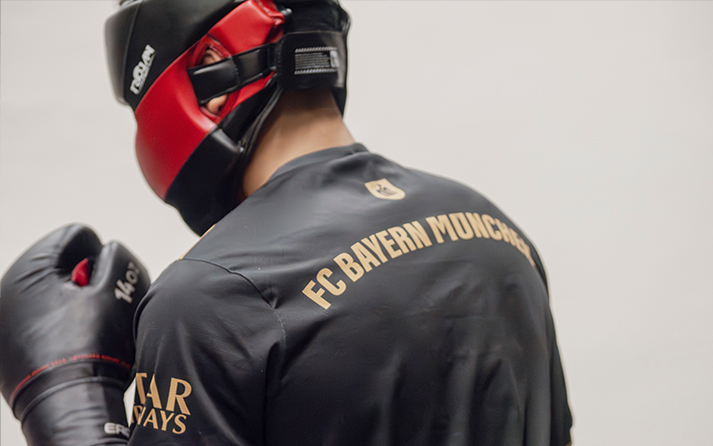
Olympic boxing becomes one of the toughest athletic training programs available today. Olympic athletes require both a combination of speed along with strength and skill and unwavering determination. Athletic boxing exercises combine punching drills together with footwork and strength training along with periodic sparring sessions.
The defensive skills of boxers must be strong alongside their ability to react swiftly. Each fighter’s style serves as the foundation on which coaches design their training sessions. The training curriculum consists of three main components: running for distance, body movement without an opponent along with punching at heavy bags, followed by practice with another person.
Mental strength is also important. Competing boxers need to maintain their concentration while managing tension and performing without getting emotional. The major factors that determine success are proper sleep routines, recovery time, and a balanced diet.
Coaches evaluate player advancement and provide boxing solutions to address their mistakes. The success of boxing relies heavily on both coach and boxer working together as a team. Before competing in an Olympic boxing match, athletes need to satisfy multiple requirements that involve passing medical tests alongside maintaining their weight category.
Related Article: Three Essentials To Improve Your Boxing
How Long Has Boxing Been Around?
The time period during which boxing arts have existed exceeds all expectations. Boxing ranks as one of the most ancient sports human beings have practiced since the beginning of time. Throughout the ages, boxing has existed since ancient Egypt and Greece.
Humans have practiced boxing as a physical contest for an extensive period of time, covering thousands of years. Historical records and illustrations record fighters entering friendly and serious competitions by using only their fists. In ancient Greece, boxing was featured as an Olympic sporting event. Competitors used the sport as a demonstration of their power, combined with nerve and fighting ability.
English boxing adopted its first structured form in the 18th century. During this period the sport received its initial set of rules while fighters adopted protective gloves instead of using bare hands. New rules introduced changes that made boxing safer and better organized which led to global growth in popularity.
When exactly did boxing start to feature in Olympic competitions? Modern Olympic organizers added boxing rounds to their events during the year 1904. The sport appeared in every Summer Olympics except in the 1912 games, which Sweden prohibited. The game has evolved considerably during its development throughout recent times. Modern rules alongside weight classes and safety standards have developed to ensure athletic safety while preserving fair competition.
Conclusion
Boxing represents a sport beyond physical combat. Boxing functionally combines athletic accomplishment with emotional commitment and steadfast dedication. How does Olympic boxing work? The framework of rules and structured events, together with sport’s esteem, guides Olympic boxing practices.
Professional boxing differs from Olympic competitions because it has established strict rules that protect athlete safety and enforce equality among competitors. Each component of Olympic boxing exists to achieve its defined purpose. Sports designers intended these elements to showcase athletes’ dedication while highlighting their techniques.
Knowledge about Olympic boxing weight categories and equipment rules alongside judging criteria increases fan engagement with the sport. The details about boxing rounds, along with glove specifications, make matches more exciting to watch. The sport enables aspiring young boxers to follow their path toward professional success.
Read More
- The History of Boxing and Its Evolution: From Ancient Roots to Modern Sport
- Boxing Weight Classes Explained: Complete Breakdown of the 17 Divisions in Pro & Amateur Boxing
- Basics of Boxing: What’s the Difference Between Amateur & Professional?
- Amateur Boxing and Professional Boxing: Rules and Regulations