



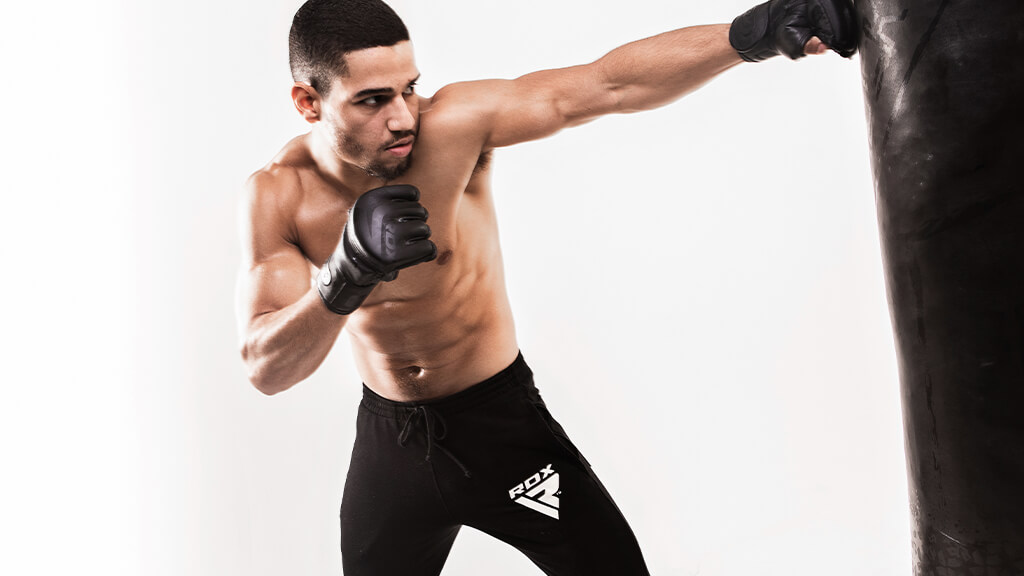
Hitting a punching bag can help build muscle too, and not just in your arms. Shoulders, core, back, even legs, it’s a full-body engagement if done right. There’s a common myth that punching bags are only useful for burning calories or improving coordination, which they do. But they also challenge your muscles through explosive, repetitive motion, and with the right technique, they can contribute to hypertrophy, endurance, and raw power.
This blog breaks it all down. We’ll answer the big question, “does a punching bag build muscle?” We’ll also explore what really goes on during a punching bag workout, the benefits you might be missing, and how it can work into a wider fitness or training plan, especially if you are trying to stay strong, sharp, and stress-free.
Does a Punching Bag Build Muscle?
A punching bag for boxing doesn’t just improve your jab, it works your whole body. With every punch, twist, and step, you’re engaging your arms, shoulders, back, core, and legs. It’s not just your fists doing the work. Your whole body gets involved, especially if your footwork and form are on point.
Is it the same as lifting heavy weights? No, but it’s not meant to be. A punching bag for boxing isn’t about bulking up like a bodybuilder. It’s about building strong, lean muscles and better movement. You’ll notice more definition in your shoulders, more strength in your core, and better control in your legs.
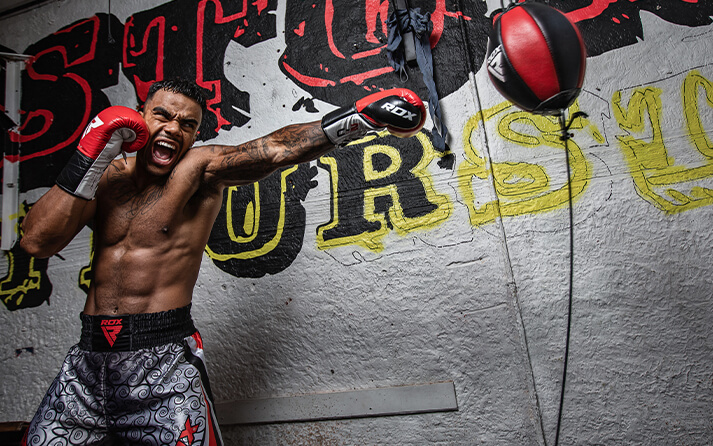
Now, you might be asking, how long should I punch a punching bag to see results? You don’t need hours. Start with 15 to 30 minutes, a few times a week. It’s enough to challenge your muscles, improve endurance, and burn off stress.
Most importantly, it’s a form of full-body conditioning. It teaches your muscles to work together. You move better, react faster, and feel stronger. It’s efficient, effective, and fits into a busy lifestyle. And yes, it builds muscle, just not in the way you might expect.
Related article: How to Choose the Right Punching Bag for Your Training Needs
Benefits of Punching Bag Workouts
If you think a punching bag is just for boxers, think again. It’s a serious tool for anyone who wants to train smarter, not longer. A heavy bag workout pushes your whole body to move with purpose. Arms fire punches, shoulders stay tight, your core twists with every hit, and your legs stay grounded, supporting it all. It’s not just strength, it’s coordination, balance, and power packed into one session.
The benefits of punching bag workouts go beyond muscle. This is high-intensity training that boosts your heart rate fast. It improves your cardiovascular health without needing a treadmill or long hours at the gym. You’re burning fat, building endurance, and working on stamina at the same time. Efficient and no-nonsense, ideal for anyone with a full schedule.
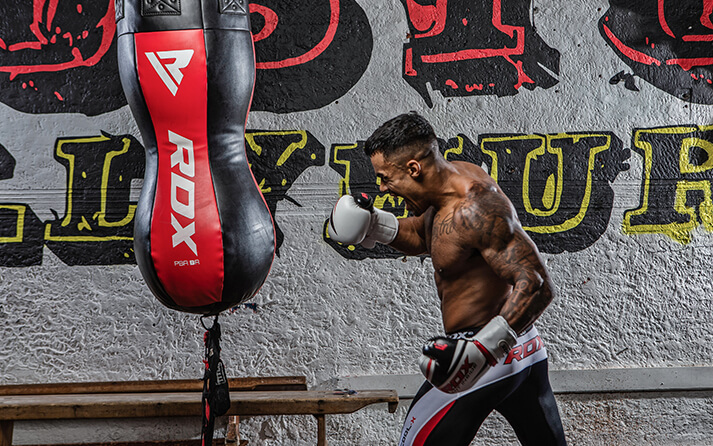
And let’s talk about fat loss. You’re not just sweating, you’re torching calories. A 30-minute heavy bag workout can burn more than your average jog. You feel it instantly and see the results over time, especially when paired with smart eating habits.
But the mental boost? That’s immediate. Punching a bag clears your head. It gives you space to let off steam after a long meeting or stressful day. You walk away feeling sharper, lighter, and more in control. That’s why boxing training isn’t just for the ring; it’s for life.
Is a Punching Bag a Good Workout?
If you’re wondering, is a punching bag a good workout?, the answer is yes. It’s not just about throwing punches. It’s about moving your whole body with speed, control, and power. Every punch, every step, every twist fires up different muscles. Your arms and shoulders build tone. Your core stays tight and your legs stay active. It’s a full-body effort from start to finish.
What makes it even better? Endurance, better coordination, improved balance, and boosted cardio health, it provides you a complete package. And yes getting stronger is a plus point here.
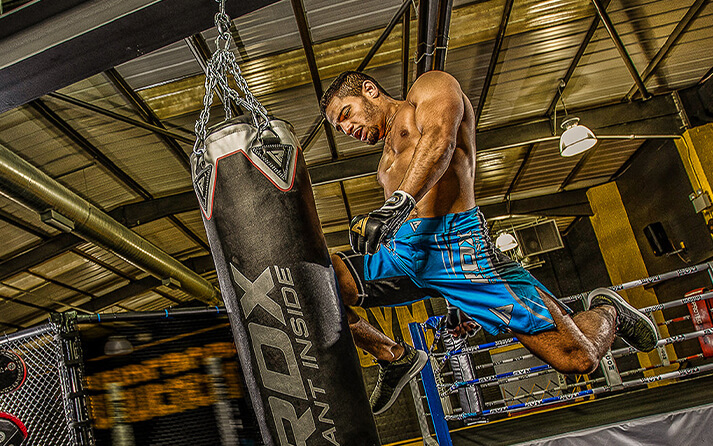
One thing to know is that punching bag workouts are not limited to athletes only. Anyone from any fitness background or level can do this. All you need is a good punching bag and a good pair of boxing gloves.
It’s physical, but it’s also fun. You’re moving, sweating, releasing stress and before you know it, the workout is over. So, is a punching bag a good workout? Definitely. It fits busy lifestyles, clears the head, and keeps your body strong.
Punching Bag for Boxing: Essential for Training
A punching bag for boxing isn’t just a bit of gym kit, it’s a core part of every boxer’s routine. It’s where real skill is built. From power to precision, a heavy bag workout helps develop the key elements that matter in the ring. Boxers use it to sharpen their technique, build speed, and improve accuracy. Each punch needs control, each combo needs timing. That’s what the bag teaches.
You’re not just swinging wildly. You’re working on jabs, crosses, hooks, and uppercuts. and you’re moving your feet, shifting your weight, learning to stay balanced under pressure. This is where technique becomes instinct.
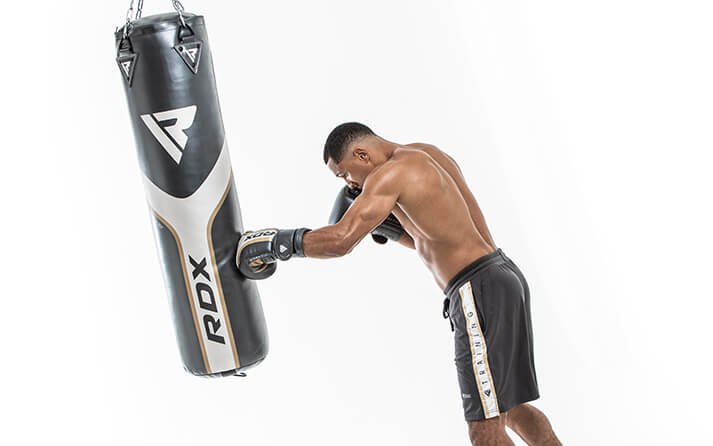
Boxing training almost always includes regular bag sessions because it mimics the feel of a real opponent. You learn how to keep your distance, manage your rhythm, and stay sharp even when your muscles are screaming. It’s physical, but also mental.
For anyone stepping into boxing or just wanting a serious challenge, a heavy bag workout builds the foundation. You’ll feel it in your arms, your legs, your lungs, and your mindset. It’s more than just hitting a bag. It’s about building skills that transfer beyond the gym.
Heavy Bag Workout for Muscle Toning
You don’t need fancy machines to tone up. A heavy bag workout can do the job. It engages your arms, shoulders, core, and legs with every strike. The weight of the bag creates natural resistance. That means every punch you throw has to work harder, and your muscles feel the effort. Over time, that effort pays off in definition, endurance, and control.
This isn’t about lifting heavy weights or chasing bulk. It’s about building lean muscle that performs. The power comes from repetition, speed, and form.
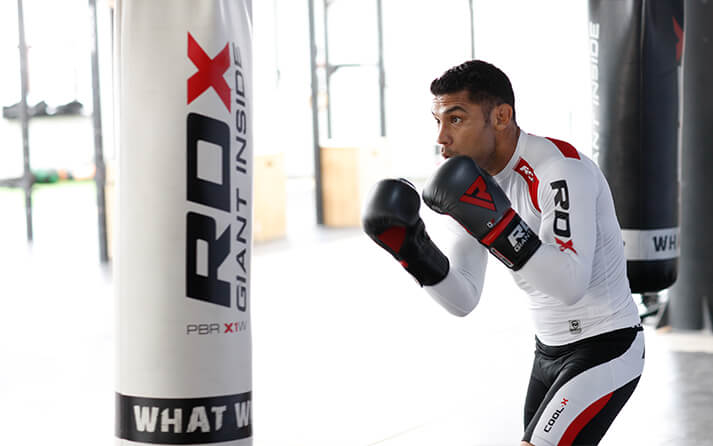
To get the best results, mix it up. Don’t just stick to jabs, rather use hooks, uppercuts, and combinations. Set up 3-minute rounds. Start with jabs in round one. Mix hooks and uppercuts in round two. Finish with freestyle combos in round three. Rest for a minute, then go again. Three to five rounds is a solid start.
Consistency matters a lot in punch bag training. Doing this two to three times a week builds stamina and tone fast, especially for beginners. Pair it with basic boxing training drills and you’ll see improvements not just in how you look, but in how you move and feel.
Related article: Top 5 Heavy Bag Drills to Improve Power and Technique
Best Punching Bag for Beginners
The right gear matters in every sport. No matter if you are a beginner or an advanced fitness enthusiast, finding a durable gear is important. The best punching bag for beginners lasts longer, and also keeps you safe from the intensity of the training.
Look for bags with softer padding so your joints don’t take a beating, especially if you’re training after long office hours. Adjustable height and easy setup are also key as you want something that fits your space and routine without fuss.
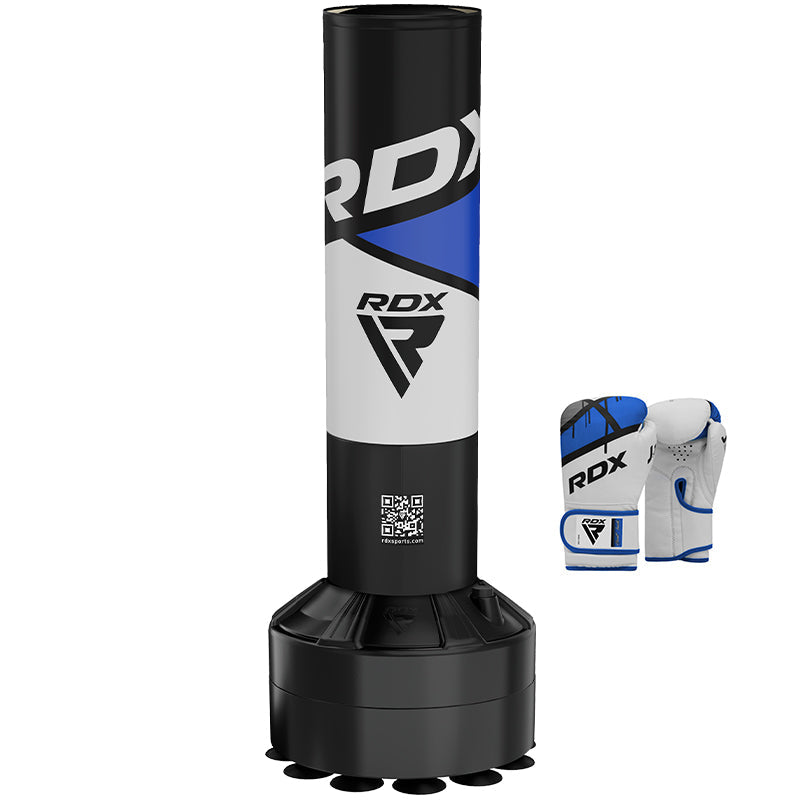
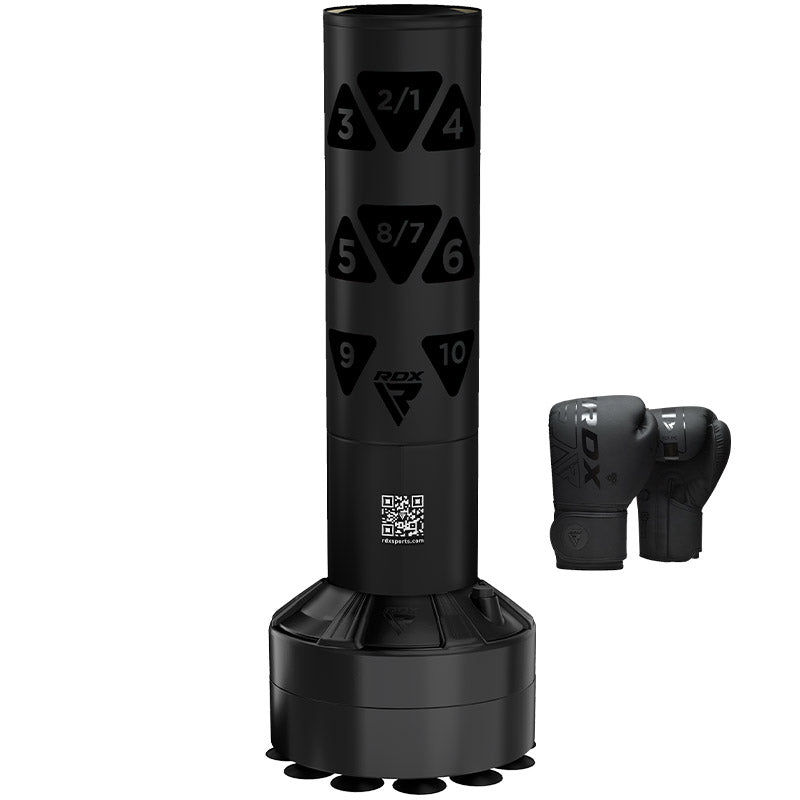


There are a few types worth considering. Hanging heavy bags are great for classic boxing drills and offer a solid swing and resistance. Freestanding bags are ideal for smaller spaces or home setups and are easy to move around. Speed bags focus more on rhythm, timing, and coordination, but aren’t the best starting point if you want strength and toning first.
For value and quality, RDX makes some of the best punching bags for beginners. They’re known for good padding, reliable build, and fair pricing. Whether you’re building a home gym or just want a stress-busting way to stay fit, a well-chosen bag makes all the difference. Start smart and your training will feel smoother, safer, and way more effective.


Related article: Mastering Power Punches: How RDX Punching Bags Help You Build Strength and Precision
How Long Should I Punch a Punching Bag?

This is a common question that anyone who is just starting it out asks. While there is no set limit, the punching bag workout should be done with careful progression. If you are a beginner, start with 15 to 20 minutes. This time is more than enough to amp up your heart rate and engage all muscles.
Start with short bursts. Think 2 to 3-minute rounds with 30 to 60 seconds of rest in between. These rest periods are key. They give your muscles time to recover, which helps you stay sharp and finish strong.
A good plan? Work the bag 2 to 3 times a week. That’s all you need to start seeing changes. You’ll build strength, tone up, and boost your fitness without draining your schedule. Plus, it’s a solid way to de-stress after work.
Punching Bag Workouts for Building Muscle
A punching bag for boxing isn’t just for speed and cardio, it’s also a solid way to build strength and power. If your goal is to tone up or add muscle definition, you’ll need more than just light jabs. Focus on throwing power punches. Engage your full body, drive through your legs, and hit with intention.
To build muscle, add resistance. Start with your own bodyweight. Mix in push-ups between rounds. Add squats, lunges, or planks to target different muscle groups. These bodyweight moves support your punching technique and boost muscle engagement across your upper and lower body. It’s a simple but powerful combo that works even in a tight schedule.

Once you’ve got the basics down, level up. Combine punches, jabs, crosses, hooks at a faster pace. Add footwork and movement, circle the bag and switch stance. Keep your body guessing and your muscles working. These small tweaks keep the workout fresh and your gains steady.
So yes, the punching bag for boxing can absolutely help build muscle. You just need to approach it with purpose. Mix power, structure, and smart progression, and results will follow.
Tips for Beginner Boxers
For beginners, it will take time to learn a new skill. So, instead of rushing to the next step, spend your time learning a technique. Focus on your movement, refine your punches, and see how your body is taking it all. It does not matter if you have to spend time learning a skill. In the longer run, you will be safe from injuries as you didn’t rush.
Form matters more than power. Make sure your wrists are straight, your shoulders are relaxed, and your core is tight. Every punch should feel controlled, not forced. This builds muscle safely and trains your body to move better.
Stay consistent, and you don’t need to train every day. Two to three focused sessions a week can deliver real results. Over time, you’ll see your fitness improve, your muscles tighten up, and your confidence grow.
To get the most from your training, don’t rely on just one thing. Combine your punching bag sessions with bodyweight exercises, light strength training, or a bit of cardio. It keeps things balanced and helps you build full-body fitness.
And if you’re just setting up, go for the best punching bag for beginners, something with softer padding, solid build, and easy setup. It’ll make your workouts smoother and safer. Keep it simple, stay consistent, and enjoy the process. That’s how you win, one session at a time.
Related article: Training Like a Champion with RDX Punching Bags and Gloves
Conclusion
A consistent punching bag workout offers far more than just a bit of sweat and noise. It tones your muscles, gets your heart pumping, sharpens your reflexes, and gives stress an easy exit. The full-body workout with a punching bag is also fun, which means you keep coming back.
The workout is great to build unbeatable strength, and endurance. One thing that a punching bag won’t do is to bulk you up. So, for those looking for a fun way to boost their strength, punching bag workout is what you need.
Think of it as training smart, not just hard. You build coordination, balance, and confidence all at once. If you’re ready to make movement a habit, start with the right gear. Explore RDX Sports for quality punching bags that are built to take a beating and help you deliver one.