



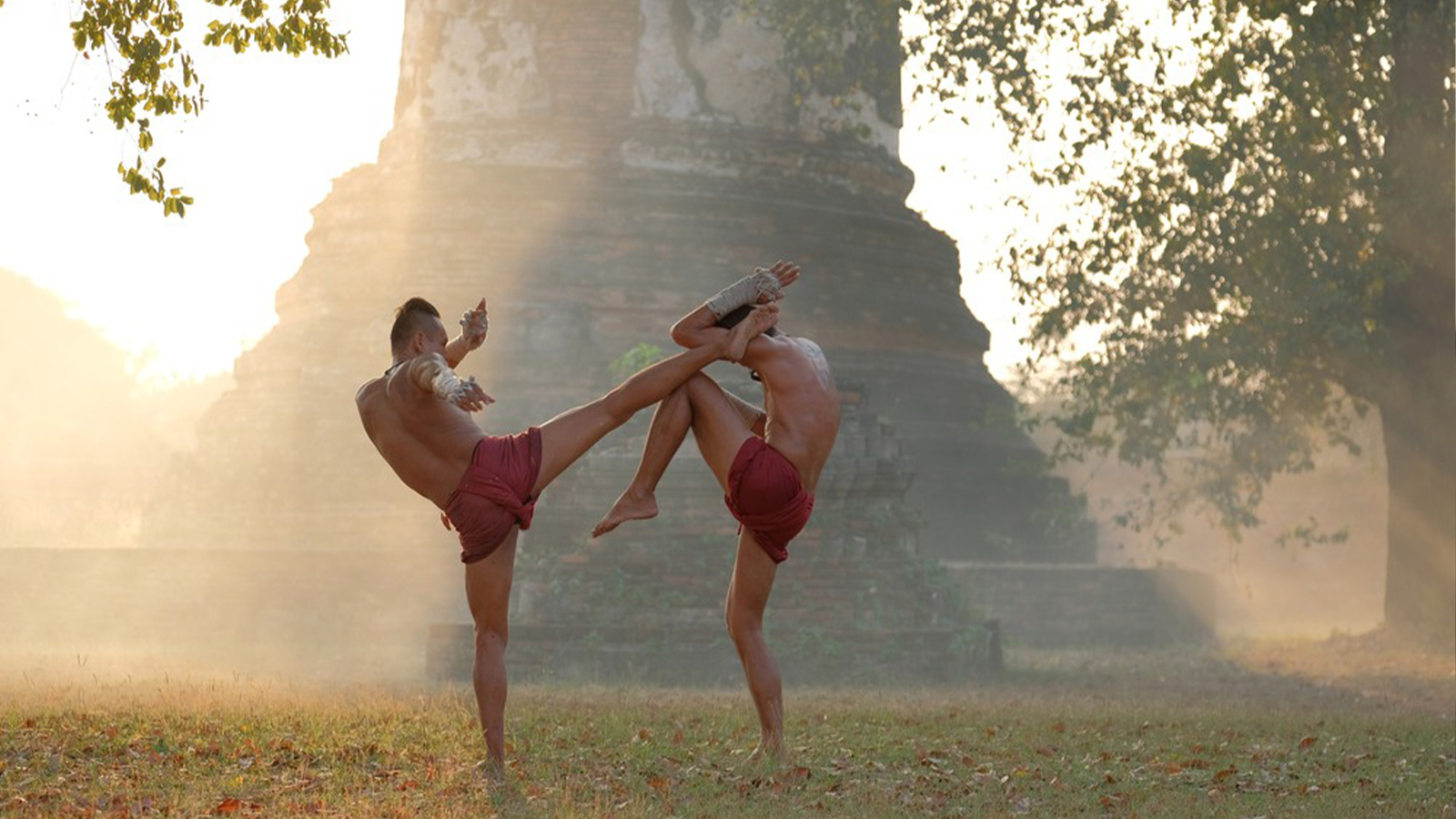
This journey through the history of boxing as a sport is a story of human endurance, reinvention, and the relentless pursuit of mastery. Let’s see where boxing originated from, and how it became the phenomenon it is today.
History of Boxing: Ancient Civilizations
Where did boxing originate? The background of boxing goes back thousands of years, all the way to ancient Mesopotamia and Egypt. Archaeologists have found carvings that show early versions of fist-fighting—upright fighters squaring off, hands clenched. But it was Ancient Greece that made boxing official.
When did boxing start? In 688 BC, boxing was added to the Olympic Games in Greece under the name “pygmachia.” It was raw and intense. Fighters wrapped leather strips called himantes around their hands—not just for protection, but to add force. There were no weight classes, no rounds—bouts ended only when a man couldn’t go on. The earliest days of the history of boxing were about survival, courage, and proving yourself in front of a crowd.
As the sport spread, the Romans adopted it into their own brutal contests, switching leather wraps for the metal-studded cestus. Boxing became so savage it was eventually banned after the fall of the Roman Empire—a dark chapter in the evolution of boxing.
For centuries, the sport went into hibernation in Europe, kept alive only in myth and sporadic records.
Related Article: Boxing Day: Sales on Combat Sports Gear & Fitness Equipment
The Rebirth: Bare-Knuckle Prize Fighting
So, when did boxing begin again? For centuries, boxing disappeared from mainstream society in Europe. But by the 17th century, the sport came back as bare-knuckle prizefighting in England—raw, chaotic, and almost lawless. These matches happened anywhere—a field, a pub, a back alley—and followed no real rules. Everything from biting to wrestling was allowed, and fights ended only when one man was done.
Who created boxing as we know it today? Enter Jack Broughton. In 1743, this legendary fighter introduced the first formal rules of boxing:
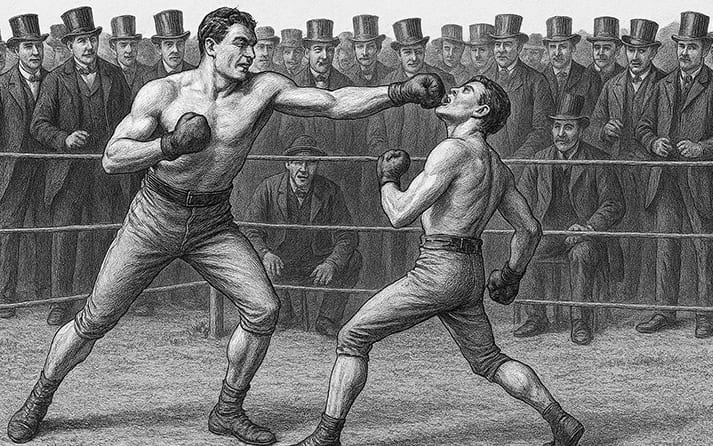
- Fighters were given a 30-second count to return to the center.
- No hitting a man when he was down.
- A designated square ring was introduced.
Broughton’s rules helped give boxing legitimacy. These guidelines gave boxing some structure which is a big step in the history of boxing sport.
The Marquess of Queensberry Rules: Boxing Becomes a Sport
Boxing truly transformed in 1867, when the Marquess of Queensberry Rules were introduced. This was a turning point in the evolution of boxing. The new rules brought:
- Mandatory gloves (padded, regulated weight)
- Three-minute rounds with one-minute rest intervals
- Ten-second count for a knocked-down fighter
- Hits below the belt, wrestling, and throws were out.
These reforms standardized boxing globally. The shift to gloved boxing didn’t make the sport soft, it made it strategic. Fighters had to develop defense, footwork, and timing. The “Sweet Science” was born.
It’s here that boxing was standardized globally, with strategy, defense, and footwork now as important as raw power. This shift in boxing sport history marked the beginning of modern boxing as we know it.
Related Article: Martin Luther King Jr. Day: Boxing and Social Change – RDX Sports Blog
The Golden Era of Boxing: Legends and Legacy
The 20th century took the sport global and gave it heroes who defined eras. If you’re looking for a real background of boxing in the modern age, just look at the legends.
The early 1900s American society faced tremendous racial barriers that Jack Johnson broke when he became the first Black heavyweight world champion. The boxing ring victories of this athlete pushed segregation debates across the nation and forced discussions about racial identity throughout the country.
During World War II Joe Louis achieved national unity for America by defeating Max Schmeling of Germany in 1938. This fight served as a historic representation of competing worldviews since it occurred during the peak of worldwide political conflicts.
Later in the 1950s Rocky Marciano delivered unwavering determination as the heavyweight champion who never lost before retirement.
Boxing reached its global pinnacle when Muhammad Ali took over as its artistic master. Throughout his career Ali proved himself as a speed master who performed gracefully while displaying unmatched charisma in the boxing ring. The boxer was more than his sport because he embodied a revolutionary force. Ali elevated boxing into cultural history by refusing military conscription and through his legendary fights against Frazier and Foreman and Liston.
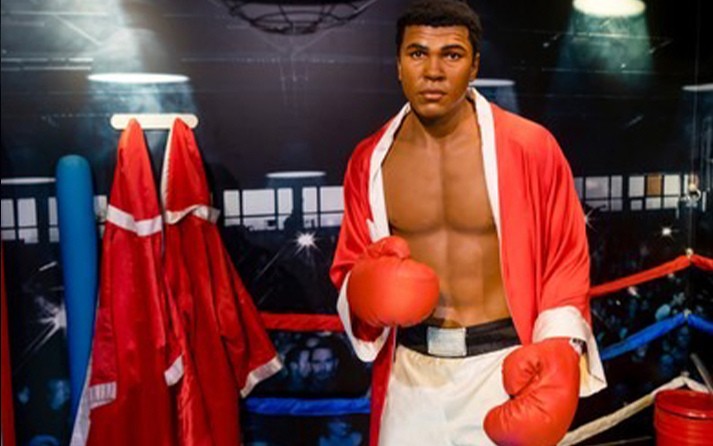
Each bout of his including the Rumble in the Jungle and Thrilla in Manila served as more than athletic competition. These legendary stories demonstrated remarkable strength alongside strategic planning and human factors that unfolded across global platforms.
Related Article: Top 5 Shocking Decisions by Referees in Boxing History – RDX Sports Blog
Olympic Boxing and International Expansion
While professional boxing boomed, the Olympic Games helped set international standards. When was boxing invented as a global sport? The modern Olympics first included boxing in 1904, and the International Boxing Association (IBA) soon set the amateur rules.
Olympic boxing emphasized:
- Speed and technique over power
- Point-based scoring
- Use of headgear and standardized gloves for safety
Many world champions started as Olympians. Sugar Ray Leonard, Lennox Lewis, Vasyl Lomachenko, and Anthony Joshua all made their names under the Olympic spotlight before going pro.
Boxing’s reach expanded globally. As boxing gyms opened everywhere, nations like Cuba, Mexico, Ukraine, and the Philippines became powerhouses. Today, the history of boxing sport is as much about global community as it is about individual champions.
Boxing in the Modern Era: Science, Styles, and Safety
The evolution of boxing in the 21st century is all about strategy and science. Modern fighters train with nutritionists, sports scientists, and use data analytics to break down opponents.
Key modern boxing styles include:
- Counter-punchers: Fighters like Floyd Mayweather Jr. who rely on timing, defense, and precision.
- Pressure fighters: Like Gennady Golovkin, who walk opponents down with relentless volume.
- Out-boxers: Like Shakur Stevenson, who use reach, angles, and movement to dominate from a distance.
- Brawlers: Like Arturo Gatti, known for their grit and willingness to trade.
Equipment has advanced too. Modern boxing gloves contain multiple foam layers and shock-absorbing materials together with CE or IBA ratings. International safety standards ensure the protection offered by headgear together with mouthguards and groin guards and body protectors while preserving the competitive nature of the sport.


Boxing, now, is more than just about throwing punches, it’s a blend of athleticism, science, and constant evolution.
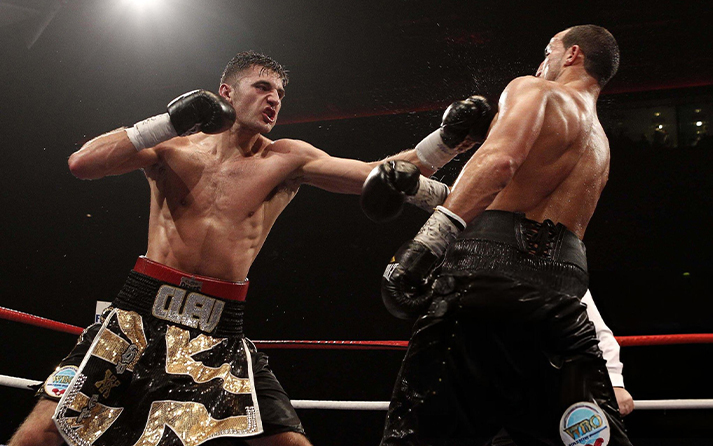
Training has evolved too. Fighters now use:
- Altitude chambers for endurance
- Video analytics for strategy
- Neuroscience tools to improve reaction time
Related Article: Pacquiao News: Muhammad Ali wants him to Win – RDX Sports Blog
Boxing in Pop Culture and the 21st Century
Boxing has exploded into business and pop culture. Pay-Per-View blockbusters such as Mayweather vs. Pacquiao or Fury vs. Wilder rakes in millions. Women’s boxing has never been higher with champions such as Claressa Shields, Katie Taylor, and Amanda Serrano topping big cards. The popularity of celebrity boxing and YouTube bouts has divided fans but certainly drawn new eyes to the sport.
But the heart of the sport remains in local gyms and community centers. Boxing still offers a way out for many, teaching discipline, self-respect, self-improvement, and second chances. The background of boxing is as much about second chances as it is about titles and fame.
The Fight Continues
So, how old is the sport of boxing? Its history stretches back over 3,000 years, but its spirit is ageless. Rules, gear, and styles may change, but the fire—two fighters, one ring, and a test of heart—never does. The evolution of boxing is ongoing, shaped by every new champion and every new challenge. Its future is just as unpredictable and thrilling as its past.
Boxing isn’t about who wins. It’s about how you fight.