


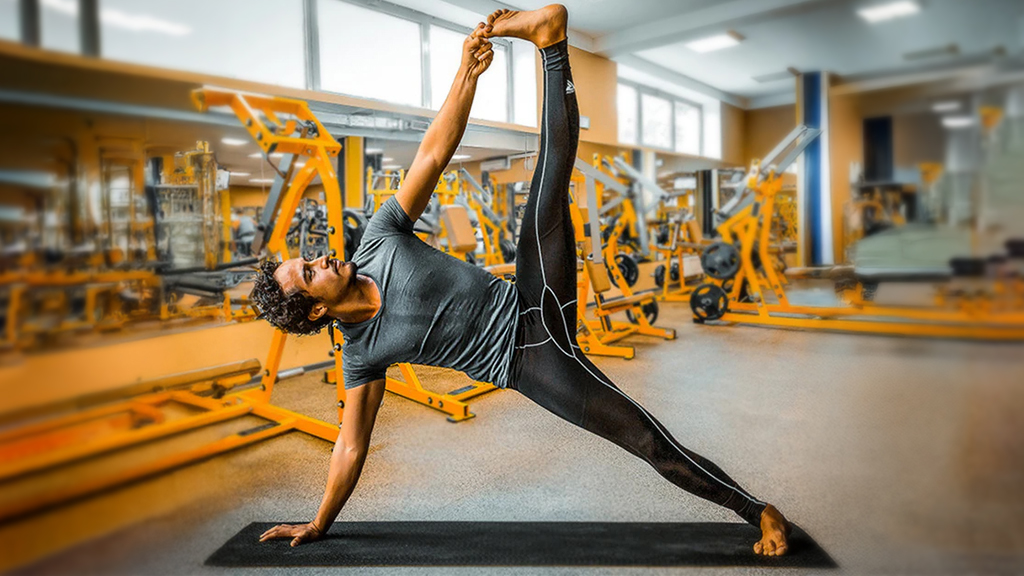
Before you stock up on pricey stretch fabric, let’s get the facts straight. This article asks one simple question: do compression shirts help with weight loss, or is the whole idea a myth? We’ll explain what compression gear does to your body, look at the science behind blood flow and sweat, and see if any of it leads to real fat loss.
By the end, you’ll know when these garments help, when they don’t, and how to use them without falling for hype.
Related article: Is Compression Wear The Future Of Weight Loss And Recovery?
Understanding Compression Garments
Compression garments are tight-fitting clothes designed to apply even pressure to specific muscle groups. A compression shirt hugs the torso, but the family also wears long-sleeve tops, leggings, socks, and full suits. Women often pick t-shirts or high‑waist leggings for support during HIIT, while men favor sleeveless tops for lifting sessions.
The goal is simple: steady pressure boosts blood return to the heart, cuts muscle vibration, and keeps joints aligned. Fabric mixes of nylon and spandex offer high elasticity, snapping back after each stretch. Flat seams prevent chafing; moisture-wicking yarn pulls sweat away so skin stays dry. Proper fit matters—snug enough to feel a gentle squeeze yet loose enough for full breaths.
During exercise, compression gear like tights may cause micro-tears and may induce post-workout soreness. Runners use calf sleeves to fight shin splints; cyclists wear padded, compressive shorts to delay fatigue. Gym lifters like torso shirts for posture cues. But keep expectations real: Do compression shirts help you lose weight on their own? Science says no; they support performance, not direct fat burn.
Hence, compression t-shirts should not be used exclusively to trim or lose weight. They provide the support you need to perform well and protect your joints and muscles by improving circulation.


The Science Behind Compression Garments
Scientists have tested compression clothing for years, but fat loss still isn’t on the proven‑benefits list. Studies show that a compression shirt can have a positive effect on recovery, but shows no calorie burn. Weight drops only when you eat fewer calories than you use, not when fabric squeezes your skin.
So what does the squeeze do? First, steady pressure improves blood flow. Veins push used blood back to the heart a little faster, bringing fresh oxygen to working muscles. Better circulation can delay fatigue and speed recovery. Second, compression limits muscle wobble. With less shaking, fibers tear less, so you feel less sore after a hard workout.
Many athletes notice they sweat sooner in tight tops or leggings. Extra sweat looks like quick weight loss, but it’s only water. Drink two glasses and the scale jumps back. That’s why “sauna suits” sell, yet long‑term fat stays the same.
People also mix up support with fat burn. A snug compression geguyar for women can lift posture, remind you to brace your core, and keep shoulders back while you squat. Better form means safer, stronger moves and possibly more total work done. Still, the fabric isn’t melting fat; your muscles and heart are doing that job when you move.
Compression improves circulation, compresses the fat, and sharpens posture. Those perks help you train harder and recover faster. But the clothing itself doesn’t burn fat. For real weight change, rely on balanced food, regular exercise, and sleep, and not compression shirt.
Related article: Can I Use Compression Garments For Weight Loss?
Compression Shirts and Weight Loss Claims
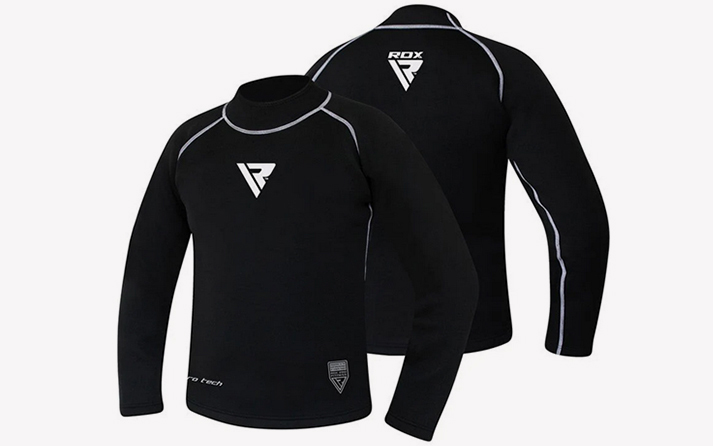
Marketing loves bold promises. Ads scream, do compression shirts help with weight loss, hinting that a tight top can melt fat while you jog—or even sit. But when we dig into published research, the evidence falls flat. No peer‑reviewed study shows extra calorie burn from a compress shirt alone. Physiologists point out that fat cells shrink only when the body needs energy, not when fabric squeezes them.
Fitness trainers agree. They like compression for support and posture cues but never list it as a fat‑loss tool. Health experts add a warning: believing fabric equals weight loss can distract people from diet and regular exercise.
So, why does the rumor live on? Because compression offers real, feel‑good perks that get mixed up with fat loss. A snug compression shirt womens design or a men’s top keeps muscles from shaking. Less wobble means fewer micro‑tears and lower soreness the next day. Runners say calf sleeves keep their legs fresher in late miles. Powerlifters feel steadier under heavy squats.
Compression also helps blood flow. Even pressure pushes used blood up toward the heart, letting fresh, oxygen‑rich blood cycle back faster. Better circulation can trim post‑exercise swelling and speed recovery. Athletes who recover faster can train again sooner, which may lead to more calories burned over time—but the work, not the shirt, drives the loss.
Compression tops boost comfort, form, and recovery. They do not torch fat. Use them as a training aid, then rely on smart eating and steady workouts for real weight change.
Compression Garments for Different Audiences
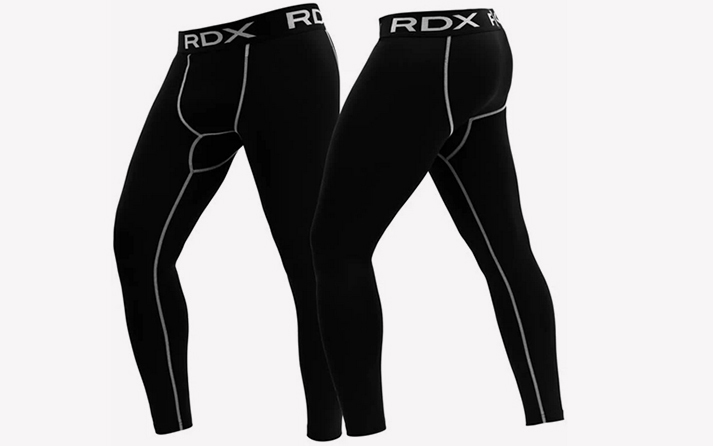
Compression clothing isn’t one‑size‑fits‑all. Different groups look for different perks, and each finds both upsides and limits.
Compression Gear for Women
Many women reach for compression gear for women to feel supported during cardio, yoga, or strength sessions. A snug compression shirt women’s model can smooth the midsection, remind you to stand tall, and cut the bounce that comes with high‑impact moves. Black tops are popular because they pair with any leggings and give an instant “sleeker” look.
On long runs, the steady squeeze may lower chest fatigue and help arms pump more efficiently. Drawbacks? Fit must be exact. Too loose and you lose the benefits; too tight and breathing feels hard or skin may chafe. Also, the shirt will not replace balanced eating or regular training for weight control.
Compression Gear for Men
Sales of men compression shirts keep climbing as more guys notice how a tight top steadies the torso on bench day and pulls sweat off the skin. Lifters say compression gear helps them brace their core when squatting heavy. Runners like reduced shoulder roll as miles add up.
The gear can also speed post‑workout recovery by pushing blood back to the heart, easing muscle stiffness the next morning. On the flip side, some men over‑size down for a “super tight” feel, which can pinch nerves and cut circulation. Others skip washing rules, and trapped sweat leads to odors or rashes. The right fit plus smart care of men compression shirts gives the support you want without the headaches you don’t.
Related article: 5 Key Benefits Of Compression Garments In Workout
The Risks and Misconceptions
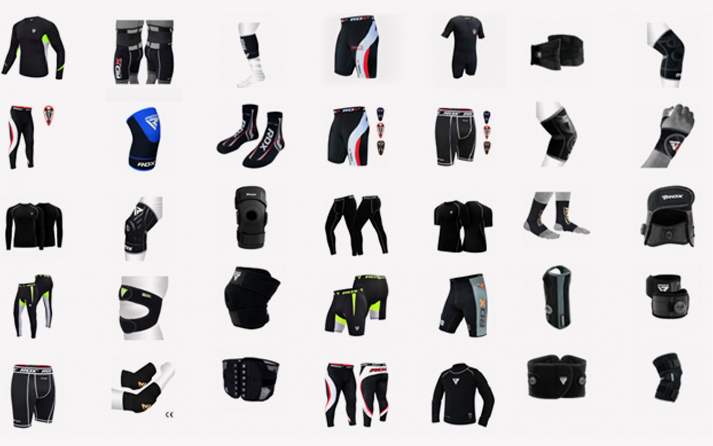
Are compression clothes safe? Yes—when they fit right and you use them for workouts or recovery. Trouble starts when people size down or wear them all day. A too‑tight compression black shirt can rub the skin raw, trap sweat, and block airflow. Pinched fabric may even slow blood return, leading to numb arms or legs. If you already have poor circulation, ask a doctor before using any high‑pressure gear.
Another risk is false hope. Ads ask, do compression shirts help you lose weight, then hint the answer is yes. The promise feels real because the shirt instantly smooths bumps and makes you sweat more. But the scale only drops from water loss, not fat burn. After you drink, the pounds come right back.
Believing in “instant weight loss” can delay real change. People may skip exercise or ignore diet because a tight top feels like action. When results stall, they blame the garment or quit fitness altogether. Remember: compression supports muscles and posture, but lasting fat loss still needs balanced food, regular movement, and rest. Use the gear as a tool, not a shortcut.
Incorporating Compression Garments Into a Healthy Routine
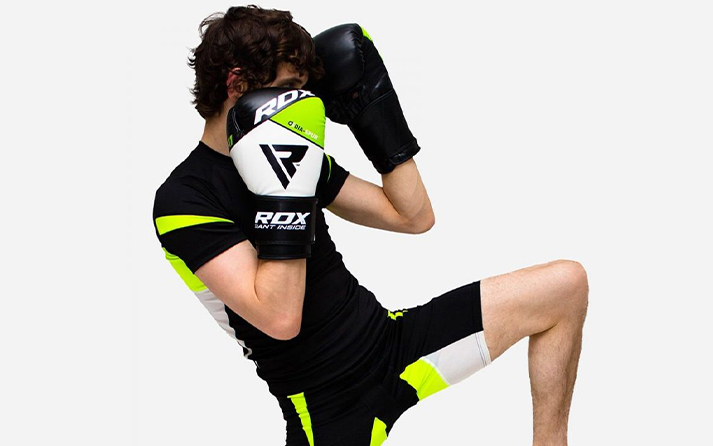
Want to make a compression t-shirt work for you? Start with fit. The shirt should feel snug but never pinch or limit breathing. Slip it on right before training; the steady squeeze helps keep muscles stable during lifts, sprints, or long rides. After a tough session, keep the compression black shirt on for another 30–60 minutes. Gentle pressure can move blood and waste products out of tired muscles, cutting next‑day stiffness.
Remember, fabric alone won’t change your body. Pair every workout with balanced meals—lean protein, colourful veggies, smart carbs—and steady hydration. Plan exercise you enjoy so you stick with it: brisk walks, cycling, strength circuits, or dance classes all burn calories when done often.
For fat loss that lasts, aim for small daily wins. Track steps, prep lunches, and set a bedtime. Let the t-shirt play a support role: it may boost comfort, posture, and recovery, which keeps you active and consistent. But it’s not a magic fix. Real change comes from moving more than you sit, eating nutrients over snacks, and giving muscles time to repair. Use compression gear as one helpful tool in a bigger, balanced routine.
Related article: How To Wash Your Compression Garments?
Conclusion
The buzz around compression garments and weight loss can be loud, but the facts stay clear. Tight fabric alone doesn’t burn fat; calorie balance and regular activity do. Still, a good compression shirt has value: it supports muscles, steadies form, and may speed recovery by easing swelling and improving blood flow. Studies back those perks, yet none show any fat-loss magic. Rely on sound evidence when weighing bold marketing claims.
So, where does compression gear fit in? Treat it as one tool in a bigger toolbox. Choose a snug, breathable top, wear it during workouts for stability, and keep it on briefly after exercise to help tired muscles bounce back. Layer that practice with balanced meals, consistent training, quality sleep, and stress control. Used this way, compression adds comfort and confidence without false hope, helping you stay active long enough to see real, lasting results.