



UFC did not have any weight class limits initially ,and fights were conducted with different athletes irrespective of their weight and stature. The body size differences were not discussed much until 1997. UFC introduced the first weight classes that completely revolutionized the world of MMA.
With the diversity of athletes coming to MMA every year, UFC added new divisions to accommodate them well, and plans fights with athletes of similar weights.
The weight divisions by UFC are also essential to designing fighting strategies and preparing with proper planning. In short, weight classes in MMA are designed for fair competition and a safe environment.
In this guide, you will learn about MMA weight classes for men and women and the challenges fighters face during weight cutting.
The Structure of UFC Weight Divisions

The weight classes in UFC has specific weight-based divisions that ensure matches are conducted under fair conditions. The unified rules of MMA work as a standard regulatory framework for professional matches and competitions. This framework is followed across major organizations such as UFC. The weight classes UFC is designed for fairness in matches, along with the safety of the fighters and consistency in how these fights are conducted. No matter what part of the world it is, the rules are followed everywhere.
Defining the weight divisions in UFC is one of the major components of these rules. The clear definition of specific divisions in MMA such as flyweight, lightweight, and heavyweight, has helped in maintaining a competitive balance in the sport. Along with that, these rules also protect the fighters from serious injuries in case of mismatches. For every athlete, it is mandatory to weigh in before the fight so that it is confirmed that they fall within their weight division class.
The UFC men’s weight classes and women’s weight classes are designed separately according to differences in size, strength, and endurance. The rules are the same, but the number of weight classes are different for women, such as strawweight, flyweight, bantamweight, and featherweight. The weight divisions in UFC for both men and women guarantee fairness in the respective matches.
The catchweight bout is another UFC weight division where fighters agree to compete at a mutually accepted weight.
Men’s UFC Weight Classes
The UFC weight division has twelve different weight classes, out of which eight are for men and four for women. The weight classes are defined for fighters to weigh in within the set limit. The UFC men’s weight classes are defined as follows:
Flyweight (up to 125 lbs)
The first 125-pound UFC fights came in 2012. This was conducted in a four-man tournament, specifically to determine the division’s first champion. The UFC flyweight division has been a topic of much discussion for many years, with many suggesting dissolving it. But the UFC flyweight division has displayed solid star power, which is the reason it is staying. The current champion in this division is Deiveson Figueiredo.
Bantamweight (126–135 lbs)
The bantamweight division in MMA packs a punch. It’s fast, technical, and fiercely competitive. Fighters here don’t just rely on power; they move smart and strike sharp. Big names have come through this weight class. One of them is Aljamain Sterling, a current champ known for mixing slick grappling with precise striking. This isn’t just a weight class. It’s where skill meets speed.
Featherweight (136–145 lbs)
Featherweight fighters bring serious energy to the cage. Since hitting the UFC in 2010, this division has delivered some of the sport’s most unforgettable moments. Fast-paced, technical, and intense is the featherweight style. Champions like Alexander Volkanovski have set the bar high, blending power with nonstop pressure. This weight class doesn’t slow down. Ever.
Lightweight (146–155 lbs)
Lightweight is considered one of the toughest weight classes in UFC. This division has seen some dynamic fights by athletes such as Khabib Nurmagomedov, who are small enough to be technical and large enough to knock out the opponent, such as current champion Charles Oliveira.
Related article: UFC Lightweight Champ Khabib Nurmagomedov Diet Plan – Eat Like The Eagle, Fight Like The Eagle
Welterweight (156–170 lbs)
One of the fan favorite weight classes in UFC, which has gathered everyone’s attention. The famous athlete Kamaru Usman has been holding the title in his hands for years now.
Middleweight (171–185 lbs)
The middleweight weight category in UFC had been inactive for some time and became a dominant division later. The athletes in this category have knockout power with solid grappling. Israel Adesanya is the current champion of this division.
Light Heavyweight (186–205 lbs)
The light heavyweight division, originally known as the middleweight championship, has featured the biggest fights and has become an extremely prominent division, with Glover Teixeira as the current champion.
Heavyweight (206–265 lbs)
This category features the biggest and strongest fighters in the UFC such as Mike Tyson and Muhammad Ali. The division is known for strong power and size to dominate the opponent. The current heavyweight champion is Francis Ngannou.
Women’s UFC Weight Classes
The UFC weight classes for women have four divisions, with the strawweight division being unique to females only. This is the only division that does not feature any male athletes. These four weight classes in UFC allow women to show their athletic power, strength, and skill on a global stage. The UFC weight classes women have now emerged as one of the strongest and most popular fights in MMA.
Strawweight (up to 115 lbs)
One of the popular women’s weight classes features Zhang Weili as the current champion. This is one of the lightest women’s divisions, which is known for high-paced action and exceptional technical ability. Fighters such as Rose Namajunas, Joanna Jędrzejczyk have emerged in major events, proving the power of this division.
Flyweight (116–125 lbs)
The flyweight division in female weight classes in MMA features fighters under or at 116 to 125 lbs. This division blends agility and strength and has shown some great fights in the ring. The current champion of this division, Valentina Shevchenko, has owned this title for years now with her excellent striking techniques. Some other famous fighters in this category include Manon Fiorot and Natalia Silva.
Bantamweight (126–135 lbs)
The current champion in this female weight class MMA is Julianna Pena. The female bantamweight division has a rich history, with legendary fighters like Raquel Pennington, Ronda Rousey, and Amanda Nunes owning the ring. This category features a mix of power and technical skill, with fighters having knockout power. It is one of the competitive divisions among women.
Related article: Amanda Nunes announced for UFC Hall of Fame, teases UFC comeback
Featherweight (136–145 lbs)
The current champion of the featherweight female weight division in UFC is Alexa Grasso. This division is known as one of the heaviest women’s divisions and has fewer fighters. Chris Cyborg and Kayla Harrison are some of the common names in this division.
The Science and Strategy Behind Weight Cutting

One of the most important topics often discussed when discussing weight classes is “weight cutting”. The UFC weight cutting is a practice of losing weight rapidly to meet the weight limits of the class. Weight cutting is a common phenomenon among athletes and is quite prevalent in MMA, especially when the competition is near.
Some athletes adopt extreme measures to lose weight and fall within their desired weight range, which can affect their overall health. Hence, UFC works continuously and provides healthy weight management guidelines for safe weight loss. The extreme methods of losing weight among fighters often include dieting with starvation, dehydration, etc. Research shows that following extreme weight-cutting methods in females can increase the risk of the female athlete triad.
The rapid weight-cutting strategies can also have a psychological impact on athletes. This can lead to feelings of confusion, short-term memory loss, low self-esteem, fatigue, and depression, which can also impact their performance. In combat sports, where a split-second decision leads the fight, experiencing such symptoms can lead to poor performance and failure. The UFC weight cutting guidelines are simple and straightforward, but athletes adopting rigorous measures are not only messing up their performance but also lacking in the sport.
In MMA, it is easier to change weight classes just in case an athlete is unable to cut weight even after following safe practices. It is never recommended to follow strict fighters’ weight cut strategies or diet that includes living on water and eating nothing to cut weight. Not only is it unhealthy, but it can also impact an athlete’s career.
Related article: The Brutal Weight Cutting In Mixed Martial Arts
Consequences of Missing Weight
The UFC fighter can miss the weight, for example, weighing more or less than the relevant weight divisions. It is essential for fighters to meet the specific criteria to appear in the fight. If the UFC fighter misses the weight or exceeds the limit, then the fighter has to face consequences such as missing the fight or cancellation of the fight in some cases. Another option for the fighter is to then fight in the catchweight event.
The fighter’s weight cut healthy strategies can help them to appear in a fight with the desired weight according to their division. The weight can be 0.5 pound more or less but in the case of 1 pound, he falls under the exceeding weight limit.
In case of missing the weight, the fighter cannot win the UFC title and has to forfeit 20 percent. Not following this guideline can pull the fighters out of the championship. In some cases, fighters also have to bear a fine for not following the weight division.
For athletes carrying the championship title, missing the weight can be a serious thing, as they cannot hold their title and have to give it up eventually.
Choosing the Right MMA Gear for Your Weight Class
The right MMA gear does not only reflect the personal style of a fighter, it is also important for their performance, safety and maximizing their potential to the fullest. One thing to note here is that weight class signifies what type of MMA gear you need. For example, for lighter fighters, the primary concern might be mobility and speed, and for heavier weight classes in MMA, the gear has to be durable enough to withstand powerful impacts.
The gloves for MMA fighters should provide the right balance of flexibility and padding, according to the fighter’s style and size. Some other important protective gear that MMA fighters need are headgear, mouthguards, and shin guards, which fit securely,, offering good protection without restricting movement.
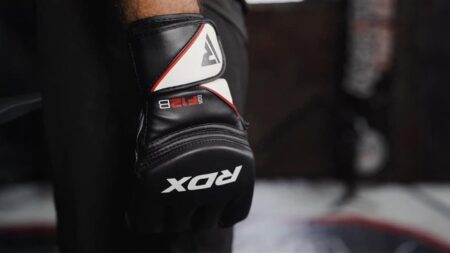
RDX Sports has introduced a wide range of gear for MMA athletes across all weight categories in UFC such as gloves, protective gear like headgear, mouthguard, and focus mitts, with apparel such as MMA shorts, compression gear like shirts and tights for maximum comfort.
Related article: Guide to MMA Gear for Beginners: Essential Equipment for Training
Conclusion: Navigating the World of UFC Weight Classes
The UFC weight classes hold significance for fighters, and also for fans, and trainers to understand the strategy. The weight classes also help them to appreciate the MMA strategy, discipline and athleticism of the sport. The specific weight ranges were designed strategically by UFC for a fair fight between two fighters of similar weight.
Before weight classes were introduced by UFC, MMA fights were usually planned without any consideration of the fighter’s weight. But now with weight divisions, fighters fight with matched speed, power and technique. It is also important for fighters to stay within the right weight class as it can make all the difference in their performance and safety. And for fans, the understanding of weight classes adds depth to every match and fighter’s journey.
The right MMA gear according to the fighter’s level and division is important to support their journey. RDX Sports is proud to support every fighter’s path with top-notch MMA gear which is designed strategically for all UFC weight classes. Explore the wide product range and get ready to conquer every match.