




Without core strength, you’re slow, unstable, and easy to knock off balance. A weak core means weak punches. That’s why top fighters train hard with boxing core exercises.
These five exercises will build rock-solid strength, more force in every hit, more control in every move, and more endurance for every round. Let’s get to work.
Why Core Strength Is Crucial for Boxers
If you are new to boxing, you might think it’s all about strong hands. But there is a lot more to this equation. Your core connects your upper and lower body, creating a transfer line that powers up your punches. A strong core means knockout power.
Punching isn’t just about the arms. Power starts from the legs, moves through the core, and explodes through the fists. You lose speed and impact if your core can’t handle that force. A solid core makes your punches faster, stronger, and more efficient.
Your core strength also keeps you stable. A strong core keeps you balanced, absorbs hits, and recovers quickly. Without it, you’re easier to knock off course.
Rotational boxing core exercises train your body to twist with speed and force, which is key for powerful hooks, uppercuts, and counters. Explosive core training builds quick, dynamic strength, helping you throw faster punches and react instantly.
Better balance, balanced movements, and stronger punches come from a strong core. These are the reasons why boxers need to train their core. Let’s break down the best exercises to get you there.
Related Article – Top 10 Strength Fitness Tips for Sports Athletes: Build Muscle and Boost Performance
5 Best Core Workouts for Boxers
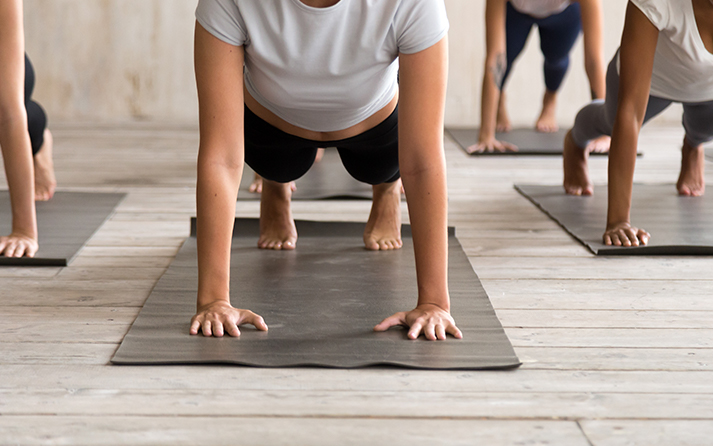
A strong core turns good fighters into great ones. It gives you power, balance, and endurance. These five boxing core exercises build real strength that makes your punches sharper and powerful. Let’s break them down.
1. Medicine Ball Rotational Throws
Boxing is a lot of rotation. Every hook, uppercut, and cross comes from twisting your core. That’s why this exercise is a must. It trains your body to generate explosive power, just like you do when throwing a punch.
How to Do It
- Stand sideways to a solid wall, feet shoulder-width apart.
- Hold the RDX balance trainer ball at your waist.
- Rotate your torso and throw the ball hard against the wall.
- Catch it on the rebound and repeat. Do this for both sides.
Pro Tips
- Use your hips—don’t just move your arms. Power starts from the legs, flows through the core, and explodes from the hands.
- Speed over strength—focus on fast, controlled throws, just like snapping a punch.
- Keep your stance solid—no wobbling. Your base should be strong, just like in a fight.
Why It Works for Boxers
This drill mimics real fight movements. It builds rotational power, making your punches harder and faster. It also improves coordination between your hips and shoulders—key for knockout strikes.
2. Hanging Leg Raises
A weak midsection means weak defense. Strong lower abs keep your core tight, making it harder for opponents to fold you with body shots. Hanging leg raises build the kind of ab strength that makes you rock-solid in the ring.
How to Do It
- Hang from a pull-up bar with a firm grip.
- Keep your legs straight and lift them to hip level.
- Lower them slowly without swinging.
Pro Tips
- No swinging—use control. Let your abs do the work, not momentum.
- Squeeze at the top—hold for a second to activate deep core muscles.
- Bend knees for an easier version if straight legs are too complicated.
Why It Works for Boxers
Every time you brace for a hit, you use these muscles. They help you absorb punches and maintain balance while moving. A strong lower core gives you better control over footwork and upper-body movement.
If this is too difficult for you, you can use balance boards for core strength and balance improvement.
3. Russian Twists with a Medicine Ball
Boxers don’t just move forward and back. They twist—constantly. Russian twists train your obliques, the side muscles that power your punches and help you easily slip shots.
How to Do It
- Sit on the ground with knees bent, feet slightly off the floor.
- Hold a medicine ball with both hands.
- Rotate side to side, touching the ball to the floor each time.
- Keep your core tight and your movements controlled.
Pro Tips
- Keep your chest up—don’t hunch forward.
- Slow and controlled beats, fast and sloppy—make each twist count.
- Feet off the ground for an extra challenge, or keep them down if you need stability.
Why It Works for Boxers
This exercise strengthens the muscles responsible for torque, which is how you generate punching power. It also improves rotational endurance, keeping your movements sharp and deep into the later rounds.
4. Plank with Shoulder Taps
Learn to control your movements so they don’t lose power. This is what planks do. They train your core to retain strength and power with control.
How to Do It
- Get into a plank position—wrists under shoulders, back straight.
- Lift one hand and tap the opposite shoulder.
- Keep your hips from twisting. Stay controlled.
- Alternate sides without rushing.
Pro Tips
- Keep your glutes and abs tight—this prevents wobbling.
- Slow down—rushing means less control, and control is everything in boxing.
- Feet wider for more stability or closer for a harder challenge.
Why It Works for Boxers
This exercise makes your core work extra hard to stay balanced. In the ring, that means better footwork and more potent combos. You learn to take hits without losing your stance.
5. Explosive Hanging Knee Raises
Boxing isn’t just about strength. It’s about speed. Your core must fire fast when you dodge, pivot, or counter. This move builds explosive power in your midsection, helping you react quicker in the ring.
How to Do It
- Hang from a pull-up bar with a firm grip.
- Drive your knees toward your chest—fast and explosive.
- Lower them back down with control.
- Repeat without swinging.
Pro Tips
- Explode up, lower slow—speed on the way up, control on the way down.
- Engage your lower abs—don’t just let your hip flexors do the work.
- Add a twist—bringing knees to the side helps mimic defensive movements.
Why It Works for Boxers
Fast movements in training mean faster reactions in the ring. This exercise builds quick, dynamic core strength, helping you slip punches, throw rapid-fire combos, and move more explosively.
In addition to these exercises, you can use Ab rollers for core training. RDX Ab Rollers are safe and effectively target your core muscles. Just a few minutes will go a long way.
Related Article – The Ultimate Guide to Fitness Sandbags: Functional Training for Strength, Core, and Power
How to Incorporate Core Workouts into Boxing Training
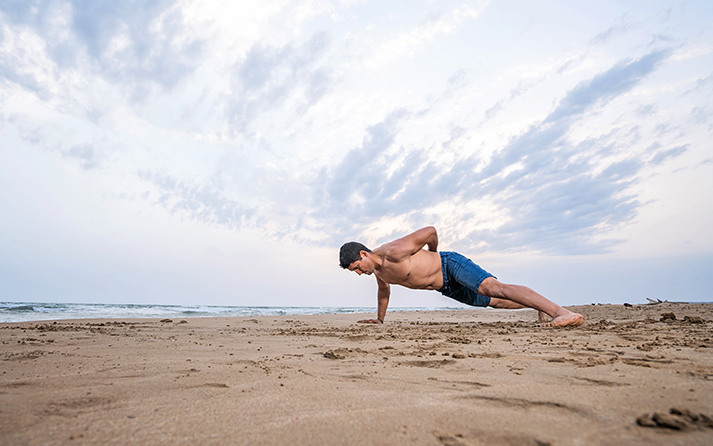
A strong core won’t build itself. You need a plan. Boxing core exercises should fit right into your weekly boxing routine, like shadowboxing, bag work, and sparring.
When to Train Core
Hit your core 3–4 times a week. Add it at the end of your boxing sessions or on strength days. Keep it short—15–20 minutes is enough. You don’t want to burn out before throwing punches.
Sets, Reps & Rest
- Power exercises (Medicine Ball Throws, Explosive Knee Raises): 3–4 sets of 8–12 reps, 30–45 sec rest.
- Endurance exercises (Planks, Hanging Leg Raises, Russian Twists): 3 sets of 30–45 seconds or 15–20 reps, 15–30 sec rest.
Train Smart
- Progressive overload is key. Add weight, increase reps, or shorten rest times to keep challenging your core.
- Mix it up. Don’t stick to the same routine. Rotate exercises to hit your core from different angles.
- Quality over quantity. A few controlled reps are better than sloppy, rushed ones.
Your core is your engine. Train it right, and your punches, footwork, and defense will all level up.
Conclusion
Boxing needs more than just strong arms. Your core is where real power comes from. It keeps you steady, helps you move fast, and adds force to every punch.
These five boxing core exercises will make a big difference—if you stay consistent. Add them to your routine, push yourself, and keep improving. Over time, you’ll hit harder, move better, and last longer in the ring.
Strong core, stronger punches. It’s as simple as that. Now train.
Read More
- Mindfulness and Fitness: Achieving Balance in the New Year
- Why Post-Workout Nutrition Matters for Recovery & Muscle Growth
- Stretching Techniques for Faster Muscle Recovery: Best Practices & Benefits
- Shadowboxing Guide: Improve Speed, Power & Techniques