




To clarify things for you, we are here to explore everything about these two training types and which one you should select according to your goals.
What is High Volume Training?

High-volume training involves lifting heavier to lighter weights with more reps. It is one of the most accepted training approaches among bodybuilders and weightlifters due to its effectiveness in increasing muscle mass. The idea behind high-volume training is to incorporate various sets to repeatedly target a specific muscle group.
The continuous movement in the exercise breaks down the muscle fibers as it increases the time under tension, which initiates muscle growth.
High-volume training creates more muscle fatigue due to a greater workload on the muscle. To design a high-volume training plan, this is how you should be doing about every exercise:
- Sets: 4–6
- Reps: 10–15
And no, high-volume intensity training does not look like a drop set, as you have to do calculated reps and sets.
High-volume training has gained significance due to its increased effectiveness in building muscle hypertrophy and improving endurance.
Due to the high-volume of this training, the rest time between the exercises is usually 30–60 seconds or sometimes more, depending on your fitness level. This can be a problem for people who don’t have time. One important thing is that beginners should never try high-volume training.
Benefits of High-Volume Training
If you are interested in high-volume training, you need to know the benefits it has to offer:
Increases Time Under Tension:
High-volume training increases time under tension as it involves more reps and sets, which is good for hypertrophy.
Low-Density Workout:
This is a low-density workout option, but it is suitable for those who want to build bigger muscles.
Improves Muscle Endurance:
There is more muscle fatigue in high-volume training, eventually improving endurance.
Related Article: Crafting Strength: The Timeline to Muscle Growth
What is Low Volume Training?

Low-volume, high-intensity training has fewer sets and reps but greatly emphasizes lifting heavier weights during the exercise. In this training, there are 2–3 sets usually and very less reps, say 6–8 only but you have to pick the heavier weight. With this approach, the training is more focused on strength gains and neuromuscular responses.
This training requires more workout intensity but less training volume, and due to the shorter time, it is extremely popular for those who want to build muscle without spending much time in the gym.
The training approach is commonly used by athletes, powerlifters, and weightlifters.
The low-volume training has higher workout intensity with shorter rest periods, making it ideal for beginners who want to build muscle strength.
Benefits of Low-Volume Training
Improves Muscular Strength:
Low-volume training improves maximal strength and power. It puts less muscle strain but improves neuromuscular efficiency and central nervous system adaptations.
There is No Risk of Overtraining:
This training type has fewer sets and reps, which means you will not be overtraining and will put less stress on muscles.
Higher Intensity and Heavier Loads:
The training is more intense because you have to lift a heavy load, which is great if you are short on time and want to build muscle.
Related Article: How to Build Muscle Fast: A Beginner’s Guide to Rapid Strength Gains
High Volume vs Low Volume Training: Key Differences
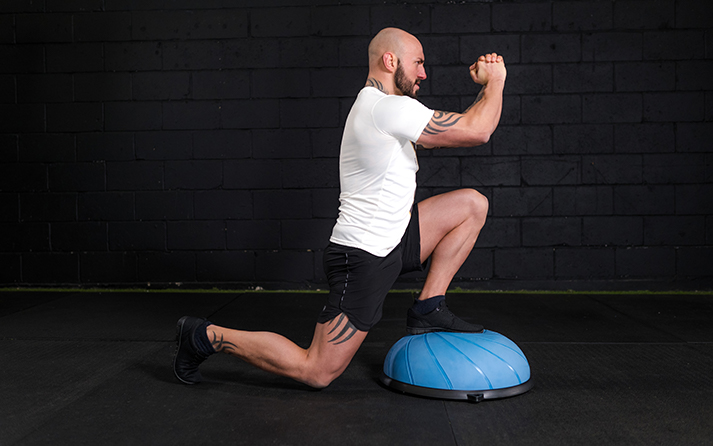
High-volume vs low-volume training! The debate often sparks among fitness experts about choosing the best training method. Both training types are different from each other, not just in their style but also in terms of goals. Following is a detailed analysis of high-volume and low-volume training according to the training outcomes:
Goal-Oriented Comparison
Muscle Growth:
If your training goal is to build muscle mass and stimulate hypertrophy, then high-volume low intensity training would be a great approach, as it increases the time under tension, and stimulates muscle growth.
Strength Gains:
The maximum force a muscle can produce is only achieved by making muscles adaptable to heavier weights. Given the technique in mind, low-volume training with heavy weights should be a suitable option for this goal.
Endurance and Conditioning:
More reps in high-volume training force the muscles to stay under tension, stimulating the growth of Type I fibers and improving muscle endurance and conditioning.
Recovery and Fatigue:
Low-volume training is short, with less muscle damage, and aids in faster recovery.
Performance Factors
Metabolic Stress:
It is an important factor in muscle hypertrophy, and usually occurs due to lactic acid buildup, which commonly happens in high-volume training.
Neural Adaptation:
More motor units are activated in low-volume training by the central nervous system to lift heavier weights. The training type also improves intramuscular and intermuscular coordination.
What You Should Be Choosing?
For Bodybuilders and Athletes:
Many bodybuilders and athletes want to build more muscle and increase size, and hence, high-volume training is the best approach for them.
For Powerlifters and Strength Athletes:
Low-volume training is great if you aim to build explosive power and strength while improving neuromuscular response. Powerlifters, Olympic athletes, and strength training athletes can use this approach.
For General Fitness Enthusiast:
A combination of low-volume and high-volume training is great for general fitness enthusiasts, as these will help build muscle strength, improve gains, and endurance and conditioning.
Can You Combine High and Low Volume Training?

Combining high-volume and low-volume training usually depends on your training goals and outcomes. But if you think it is great for you to combine both these training types, then you can absolutely do that. Combining these two training types in your workout routine is known as periodization.
Periodization effectively improves muscle performance and strength by alternating between the two training phases. The benefits of periodization are quite many:
Optimized Performance:
Periodization between low-volume and high-volume training plays an essential role in optimizing performance. You challenge your muscles repeatedly with a different stimulus, ensuring your performance graph grows every day.
Prevents Plateaus:
Periodization is a great technique to avoid the risk of plateaus. With low-volume, high intensity, and high-volume low-intensity days, the muscles continue to work under tension, building strength, and size.
How To Design This Program?
You can create your hybrid program by splitting your days into low-volume strength training days and adding more accessory work on high-volume, low-intensity days.
You can combine these training options by selecting days in one week or alternating between weeks.
Progressive Overload – Super Important!
Progressive overload is the key factor to success in both training styles. For low-volume, high-intensity training, you can either try increasing weight by 2.5 kg after 2 weeks in the form of kettlebells or dumbbells, use higher-intensity resistance bands, or add more sets to your workout. Reducing the rest periods between the workouts also helps with progress.
However, for high-volume training, you can start adding more reps in the sets or slowing down the movement to increase time under tension.
Related Article: How to Build Muscle with Resistance Bands: A Complete Guide
High-Frequency Low Volume Training: Does It Work?

If you look at a bodybuilder’s training program, you will see how every muscle group is strategically split on different days for training. Some powerlifters and weightlifters select two or more days in a week to work on one specific muscle group.
Challenging the same muscle groups in the body on more than 2–3 days in the week but with low reps is called high-frequency, low-volume training. In this training type, you will have a set engaging the muscle group in every week’s workout rather than targeting a specific muscle group in one day.
The number of sets and reps are now subjective to everyone’s fitness level, but it is usually less as compared to high-volume training.
High frequency low-volume training is extremely popular among Olympic lifters, and gymnastics, and can be incorporated in traditional strength training routines too.
The body easily adapts to this training stimulus, which helps build strength, power, endurance, and muscle size. Research shows that high-frequency, low-volume training is beneficial for building maximal strength. This further emphasizes the idea of distributing the training over more days rather than limiting it to one day per week.
Related Article: Stamina vs. Endurance? What’s the Difference
Conclusion
High-volume, low-intensity, and high-intensity training have individual benefits for the body. High-volume training focuses more on building endurance and stimulating muscle hypertrophy, whereas low-volume training benefits strength gains and greater power output.
Choosing the right training style is important, depending on individual goals and preferences. For example, a bodybuilder’s primary goal would be to increase muscle size, so they should engage in high-volume training.
If you are a fitness enthusiast who wants to improve your strength, low-volume training is great for you.
Combine these two training types and see how the body responds to different stimuli. Pay proper attention to your recovery to successfully incorporate these training styles into your routine.