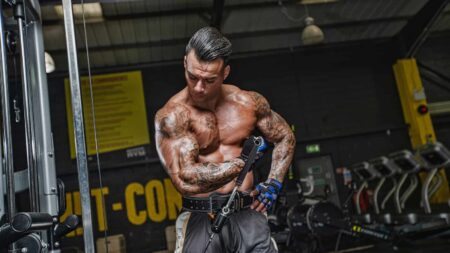



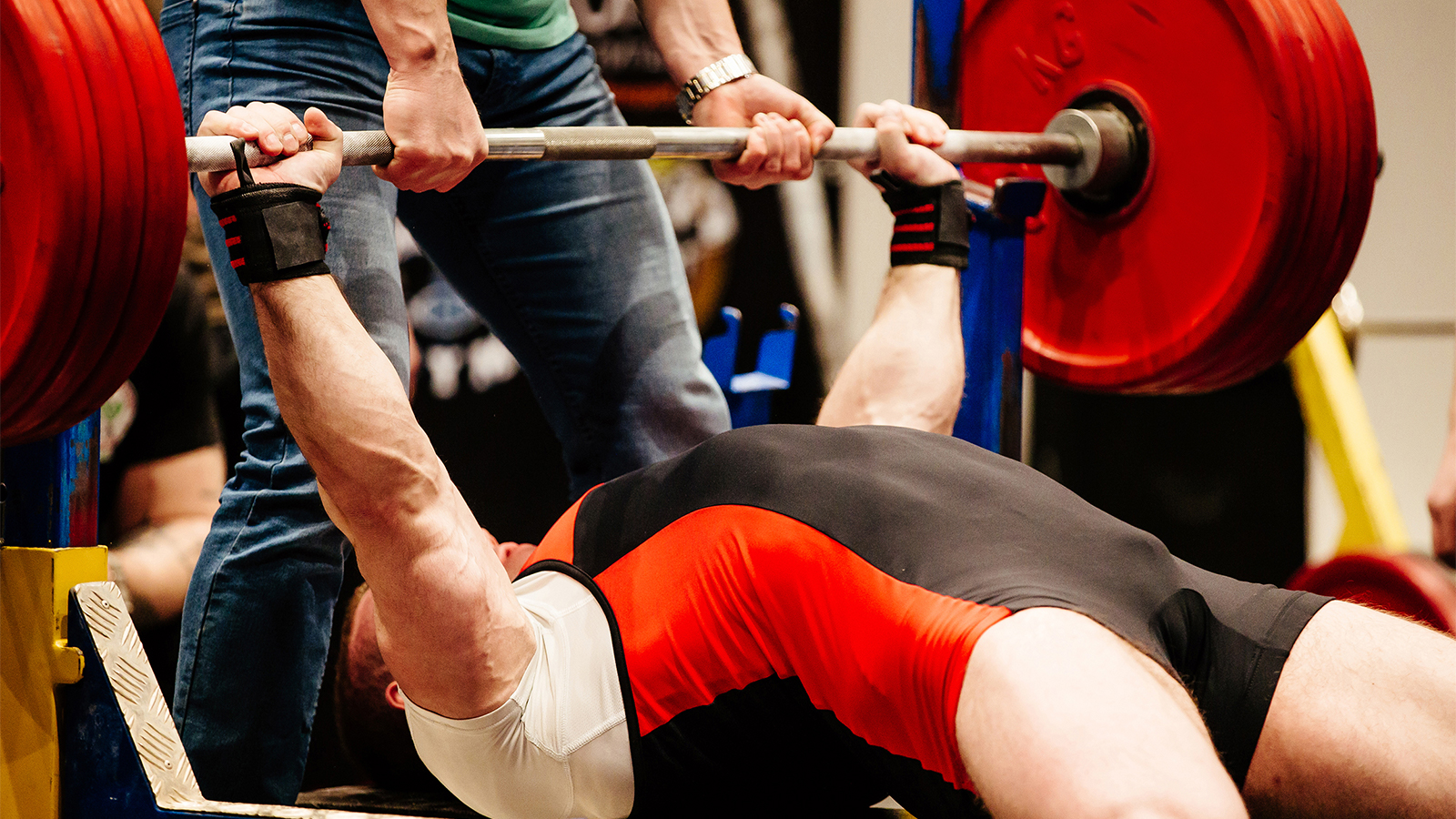
That’s where wrist supports come in. These simple tools add stability when the pressure builds. They keep your wrists aligned, reduce stress, and help you train harder without fear of injury.
Let’s discuss why and how wrist support matters in strenuous activities. This blog is all about their benefits, the different types, and how to use them for safe, pain-free lifting. Let’s keep your wrists strong and your progress steady!
Common Wrist Injuries in Heavy Lifting
Your wrists are under constant pressure when you lift heavy. Your wins can become painful memories very easily if you are not taking the necessary precautions to protect your wrists. Here are the most common injuries that you might have to face.
- Strains and Sprains happen when ligaments stretch too far. A sudden movement or poor grip can leave you with sharp pain and swelling.
- Tendonitis creeps in after repetitive strain on the wrist tendons. In the beginning, it will be just a slight bit of discomfort but if you leave it unattended, it’ll be full-fledged inflammation.
- Carpal Tunnel Syndrome is very common in athletes and weightlifters. In this syndrome, the nerves in wrists are compressed under extreme stress and extension and they become numb, tingly, and even painful. Though it can be fixed, if you don’t pay attention, it will become an issue eventually.
- Fractures are rare but serious. Lifting with bad technique or handling loads beyond your capacity can lead to broken bones.
- These injuries can halt your progress. But, make sure you don’t get hasty about your recovery. Start training only when your wrists are completely healed.
Wrist Supports and Their Mechanism
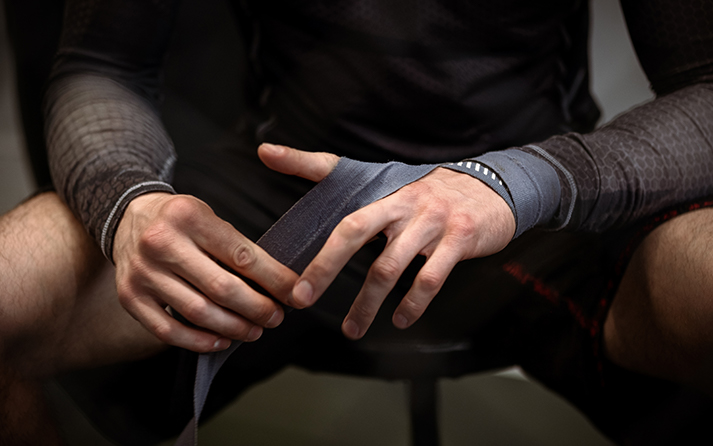
Wrist supports are simple tools with a big purpose. They’re wraps, braces, or straps made to keep your wrists stable when you lift. These support work by limiting unnecessary movement. They will align your joints and reduce strain on them. This will protect your wrists from overuse injuries.
Wrist wraps are very comfortable. Weightlifters prefer wraps because they wrap around wrists very comfortably.
There are wrist braces too. The braces are rigid and you can’t use them if you need to bend your wrists too often. If you are weightlifting or playing sports where you need to continuously bend your wrists like in badminton, then you can’t wear wrist braces. Braces don’t allow flexibility. Braces work best for recovery of wrists where you need to keep your wrists fixed in one place.
Each type has a purpose. Wraps are great for regular training and heavy loads. Braces are better for extra stability when recovering or dealing with weakness. Both work to keep your wrists safe so you can focus on pushing your limits.
Benefits of Using Wrist Supports During Heavy Lifting
Wrist supports are more than just gym gear. They defend against injuries. You avoid sprains and strains and even tendon issues with wrist supports because your joint is kept in a fully aligned position during strenuous activities.
Stability is another major win. With your wrists locked in place, you’ll feel more control during lifts. This stability lets you handle heavier weights with confidence, pushing your limits without fear.
Using wrist supports also reduces fatigue. They ease the strain on your wrist muscles and ligaments, especially during high-volume sessions. You’ll work for as long as you want, and your joints won’t be overworked.
Wrist supports are a lifesaver for all those who are recovering from an injury. They support your joint as it recovers from the sprains or any kind of injury.
Injury prevention, better performance, and faster recovery—wrist supports deliver it all.
Types of Wrist Supports and Choosing the Right One
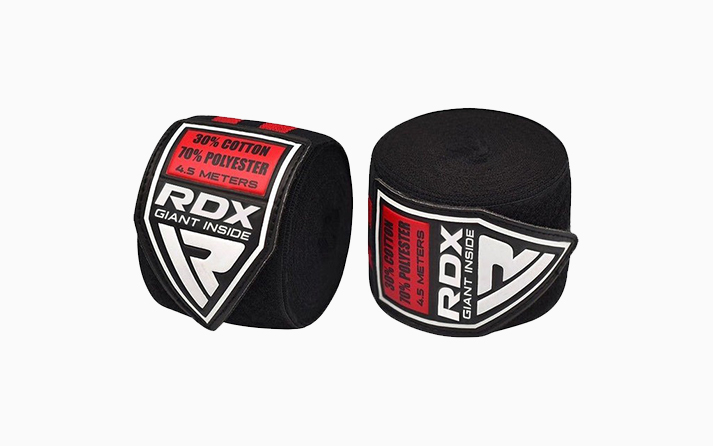
You’d think there is just one type of wrist wrap out there, but that’s not the case. There are many types of such supports:
- Wrist Wraps are made of stretchable material. They provide stable support to the wrists during weightlifting, powerlifting, and CrossFit. Because they bend with movements, they are perfect for weightlifting and other sports. The wraps also provide flexible support to the joint.
- Wrist Braces offer more rigid support. They’re perfect for recovery or long-term use when your wrist needs extra stability. If you’re dealing with an injury or weakness, a brace like RDX SB FlexDial wrist brace will hold your wrist in place, reducing the risk of further damage.
- Wrist Straps strengthen your grip and they are especially effective during pulling movements. They are not for the stability of the joint, but they strengthen the grip on the bar. Good wrist straps like RDX S4 wrist straps give you a strong grip. With their support, you can lift heavier without injuring your wrists.
When choosing the right support, think about your activity. Do you need extra stability or just help with grip?
Related Article: Wrist Wraps, Hooks and Straps, The Everyday Gym Essentials
When and How to Use Wrist Supports
Here’s how to use wrist wraps for maximum support.
During Heavy Lifts
Heavy lifts like squats, bench presses, overhead presses, and deadlifts can put immense pressure on your wrists. Wrist supports will take the pressure off your wrists. This will make your wrists more stable and you’ll be lifting more with ease. Wrist wraps prevent overextension. They keep your wrists in a locked position and prevent wrist injuries.
In Recovery
Using wrist supports can speed up recovery after a wrist strain or mild injury. A wrist brace is ideal during this time. It keeps the wrist immobilized, reducing movement that could aggravate the injury. Braces also offer consistent compression, which can reduce swelling and pain. Wearing wrist support during low-impact exercises or daily activities ensures your wrist heals properly without risking further damage.
During High-Volume Training
When you are training for a long time, your wrists will naturally be very tired. By keeping your fragile joint in a stable position, the wraps keep wrist and fatigue out of the equation. Your joints and muscles perform for a long time. You get to train for a long and perform at your best.
Tips for Proper Use
Wrist supports are really helpful in stabilizing the wrist joint and preventing injury but they do not work if they are wrapped the right way. It’s not complicated to get them right but it still needs your attention. You have to wear them snugly. They shouldn’t be too tight because that means they’ll be restrictive. If they are too loose, they’ll keep shifting. So wear them in a snug way for comfort.
Tips for Wrist Injury Prevention
Wrist wraps like RDX R2 Neoprene wrist wraps do prevent injuries, but equally important are the exercises you do for wrist strengthening. When your wrists are strong and trained for intense activity, they don’t get injured easily. Lets see what we can do to keep our wrists in their top form:
Warn-Up Exercises
First thing to do to keep your wrists strong and sturdy is to warm up. When you warm up, your wrists get ready for the workout that is to come afterwards. A warm up for wrists is nothing huge, just some wrist circles, gentle stretches, or light resistance band exercises will do. They can increase blood flow and flexibility. With this type of exercise, the risk of strains is reduced effectively.
Proper Technique
Your lifting technique can make or break your wrists. Always maintain proper form and also avoid excessive wrist flexion or extension, especially during pressing movements like deadlifts, bench presses, and overhead presses. If you keep your wrists neutral, you will automatically avoid most injuries.
Strengthening Exercises
If you have strong wrists, you’ll have much less injuries. The best thing to do is add wrist curls, extensions, and grip training into your routine. This will strengthen the muscles that support the joint. You can use resistance bands if you have weak joints. Otherwise, dumbbells do the magic too. The stronger your wrist muscles, the less stress your joints will absorb during heavy lifts.
Rest and Recovery
Overdoing exercises is never the right thing to do. For wrists, it’s worse. Let your wrists rest properly so they can recover properly. This means overuse injuries like tendonitis. Make sure to include rest in your training plan.
Complement, Don’t Replace
Wrist supports stabilize and keep you safe from injury but that doesn’t mean you should not train your wrists for strength. Keep training your wrists for bigger and better lifts and sports performance and bring in wrists supports for added protection.
Related Article: Grip Strengtheners for Combat Sports Athletes: The Game-Changing Secret
Who Should Use Wrist Supports?
Wrist supports are for everyone and anyone. If you are playing sports where you need to bend and extend your wrists repeatedly or you are lifting weights, you need wrist supports. It doesn’t matter if you are a beginner or an experienced one, wrist supports are a must.
If you are just starting your lifting journey, you should have wrist supports so your wrists don’t get injured during an exhausting activity.
If you are an experienced one and you think your wrists are well-trained for this , you will need extra support when you are trying to push past workout plateaus.
Sports like powerlifting, CrossFit, and bodybuilding demand repetitive wrist action and that is where wrist supports can be very handy.
If you are not an athlete but you have weak wrists or you have had an injury in the past, wrist supports will help you be more comfortable and pain free.
Conclusion
Wrist supports are not just for beginner athletes, they are for everyone because they stabilize your wrists, give support, comfort and compression for optimized blood flow. You can wear these supports and enjoy a snug, comfy feeling even when you are going about your daily tasks that need some wrist work. Investing in good wrist supports is never a waste of money. This investment will make your life easier and pain free at so many levels.