


Plant-based diets offer maximum benefits to health since there is no consumption of processed foods. For athletes and people who are into fitness, plant protein options can help in improving lean muscle mass. According to research, consuming plant-based proteins and foods can meet the total caloric requirements for bodybuilders, and athletes for muscle hypertrophy and strength.
Other than that, plant based diets are also proven by research to aid in weight loss by improving insulin sensitivity, gut health, and reducing cholesterol, which is beneficial for athletes of all sports, fitness enthusiasts, and combat sports artists.
This article reviews all the information you need to know about plant-based diets, including its benefits, and how it is useful for athletes for sustained energy and high performance activity.
What is a Plant-Based Diet?
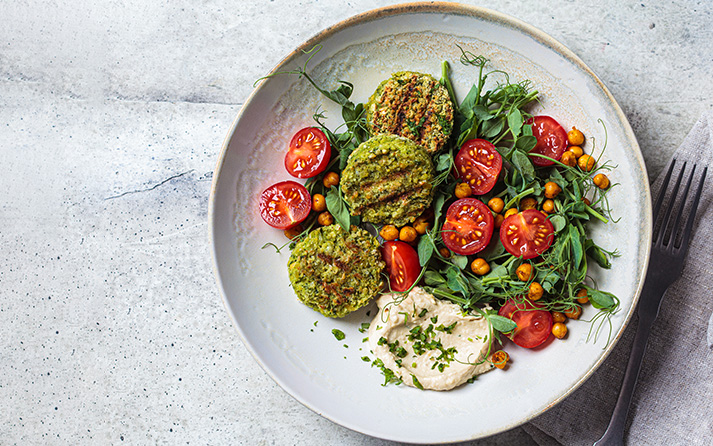
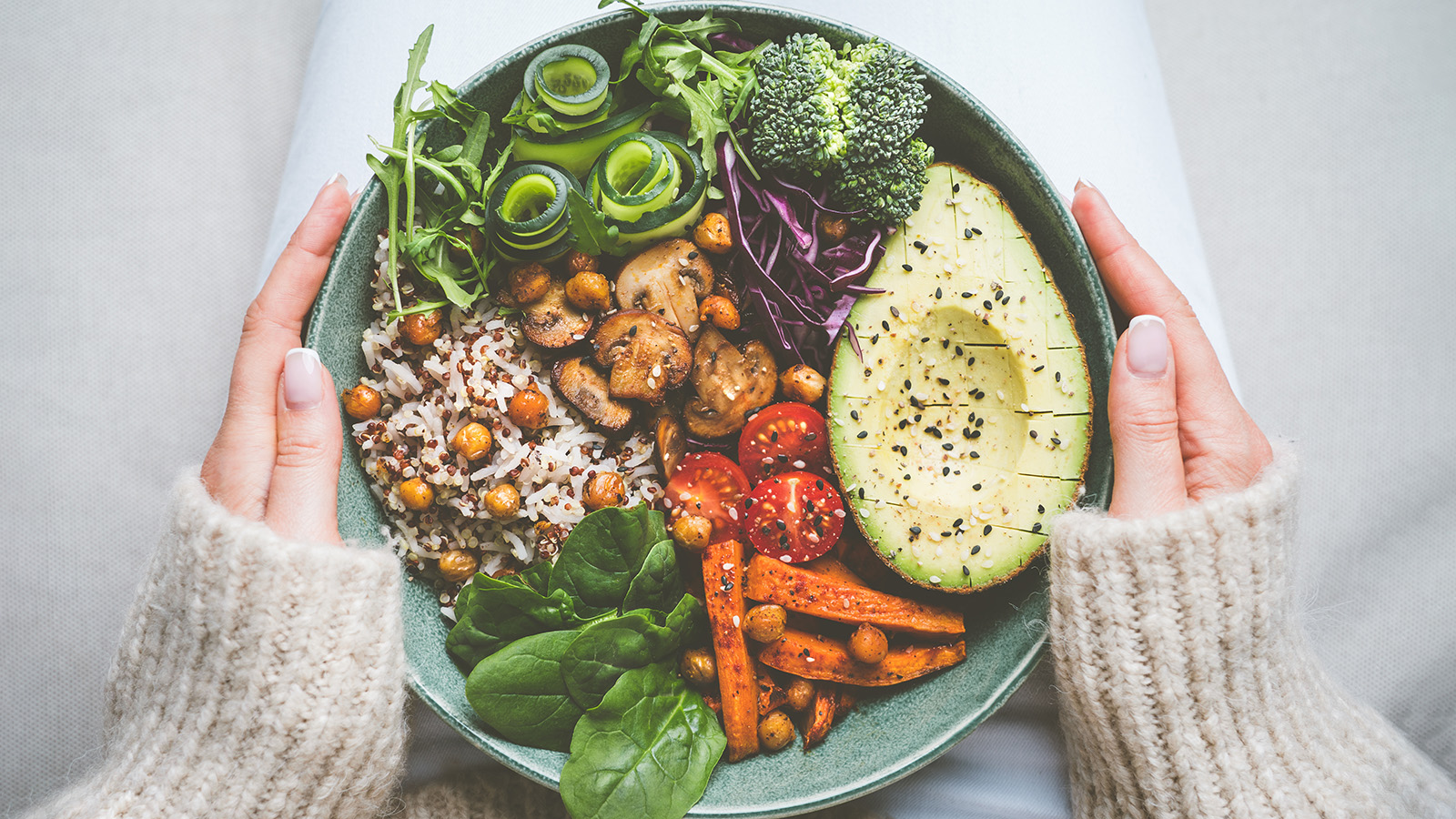
Limited or no processed foods, whole-grains, plant-based proteins – all essential components of a healthy and balanced life make up a plant-based diet. It majorly has a much healthier approach that can benefit health in many ways. The plant based diet plan in 2025 is becoming popular because it can positively affect health.
Plant based diet is somehow different from the vegan diet. The vegetarian diet, vegan diet, or whole food plant-based diet are different versions of this diet. However, one thing common in all these diets is the limitation or elimination of animal foods, and processed foods. Vegetarian diet might include eggs or dairy products but vegan diet excludes all these options.
Why Choose a Plant-Based Diet?
Plant based diets have minimal environmental footprint, making it a sustainable option. It also affects heart health, kidney and liver health, and improves cholesterol levels effectively.
Related article: Healthy Vegetable Combos That Work Wonders For Your Metabolism
Benefits of a Plant-Based Diet
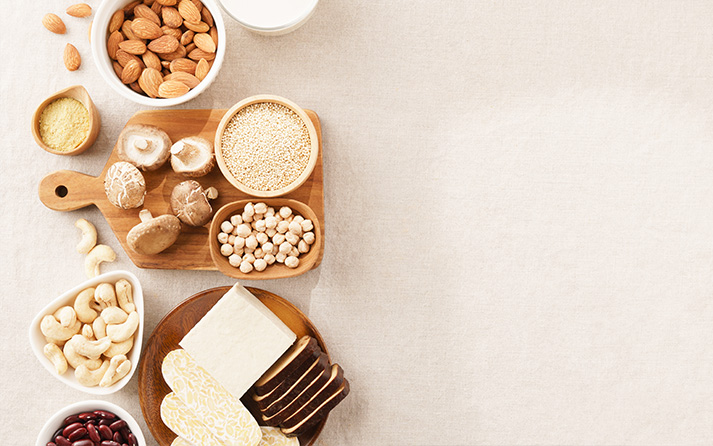
Plant-based diets are versatile and are similar to many other diet plans such as Mediterranean, or DASH diet minus the animal protein intake. Following are some of the health benefits of a plant-based diet:
Health Changes
Anyone suffering from heart issues should immediately switch to plant-based diets. According to research, you can start this diet at any stage of your life to reduce the risk of cardiac diseases or to manage them. Managing metabolic and chronic diseases can also be quite easy with this diet.
Aids In Weight Loss
Looking to follow a diet that will help you achieve your weight loss goals? Give the plant-based diet plan a try. The primary requirement of this diet is to limit the intake of processed foods or completely eliminate it, limiting the daily intake of calories, eventually aiding in weight loss.
Performance and Muscle Growth
The plant-based diet can also help in building lean muscle or improving performance in athletes. And no it does not require any additional efforts or eating more calories. The major macronutrient which is needed to improve performance and increase muscle mass, is protein. The plant-based protein such as legumes, beans, edamame, can help to achieve the daily target, eventually helping athletes, fighters and fitness enthusiasts by improving performance.
Sustainability
A research conducted on comparison of plant based diet and animal based diet showed the effect each had on the environment. The diet which contained plant options and less processed foods significantly reduced greenhouse emissions, land use, and freshwater use. This shows that a plant-based diet has a sustainable approach.
Related article: Healthy Foods That Increase Your Stamina
High-Protein Plant-Based Diet for Athletes
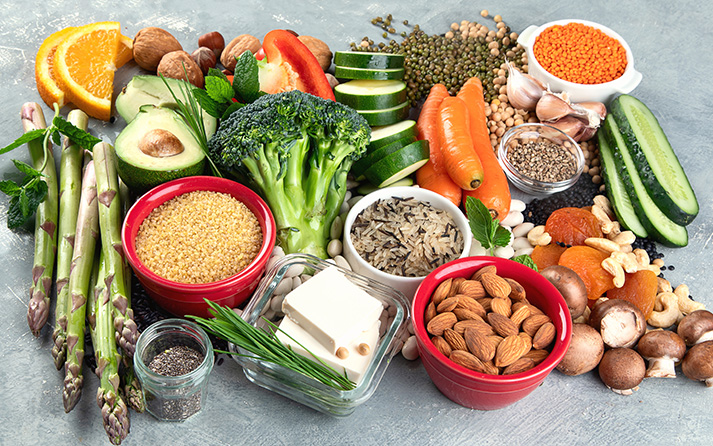
Athletes can follow the plant-based diet plan. The vegan diet helps in building muscle, improving performance, reducing inflammation from the body, aiding in digestion, and recovery. Following are some of the best plant proteins that athletes can add to diet:
Best Plant Proteins
For athletes, it is mandatory to not compromise on protein intake. Many people assume plant-based diets have certain limitations for athletes as it does not include any animal-based protein. The truth, however, is that the protein variety of this diet is quite wide. The vegetarian diet variety of protein ensures athletes are getting their daily protein:
- Lentils are a great source of protein. One cup of cooked lentils has 17-18 grams of protein and around 15-16 grams of fiber.
- Chickpeas and black beans are also high-protein plant-based foods that can be included in the diet. One cup of boiled chickpeas has 15 grams of protein. Whereas one cup of black beans has 16 grams of protein. Athletes can skip carbs when eating these options to manage their daily calories.
- Tofu, tempeh, and edamame beans can also be added on this diet. One cup of tofu gives 20 grams of protein, while one cup of tempeh and edamame beans give 31g and 17g of protein respectively.
- Quinoa is a good option to add in this diet. It provides sustainable energy and 8 grams of protein in one cup. Chia seeds and hemp seeds are good sources of healthy fats and protein.
- Plant-based protein powders such as pea protein, soy can help in achieving daily protein targets. One scoop can give around 25-30g of protein, depending on the brand.
Meeting Daily Protein Targets
Athletes or strength trainers have an increased need of protein than normal people. The protein requirements vary from 1.6-2.2 grams of protein per kg of body weight, again depending on training type, intensity level, etc.
High-Protein Meal Ideas
Following is the sample meal ideas for vegan diet for strength training:
- Breakfast: Whole-grain toast with tofu and cottage cheese scramble with spinach.
- Lunch: Lentil and quinoa salad with avocado and vegetables.
- Dinner: Brown rice with edamame beans curry and kidney bean salad.
- Snack: Greek yogurt and protein shake smoothie.
Sample Plant-Based Diet Meal Plan
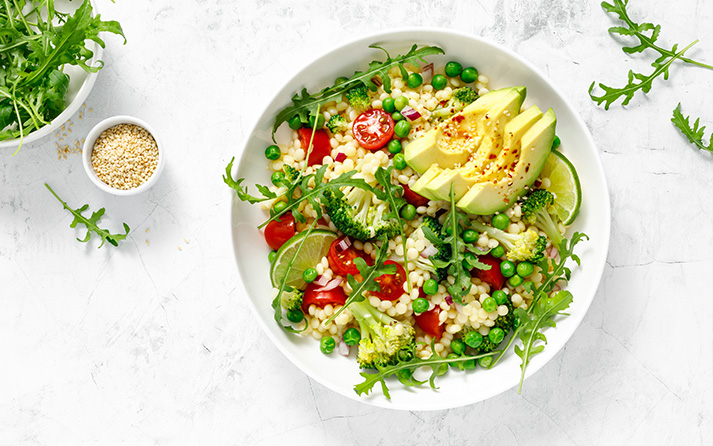
Following we have a sample plan for plant based diet for performance:
Day 1
When following a plant-based diet plan, make sure you start your day with proper planning. Include these things in your routine:
- Breakfast: A healthy smoothie bowl with almond milk. Include spinach, chia seeds, frozen berries, bananas, and plant protein powder. The breakfast will have around 35-40g of protein. It is a great meal to start your day with the perfect proportion of fats and proteins, and healthy carbs.
- Snack: Carrots and cucumber sticks with hummus. The snack perfectly satisfies cravings while providing a good quantity of protein.
- Lunch: One cup of brown rice, one cup roasted chickpeas or curry, vegetable salad containing kale, spinach, and broccoli, and tahini dressing. This lunch provides optimal protein for muscle growth and repair, while the healthy fats in tahini support heart health and reduce inflammation in joints.
- Snack: Half cup of mixed nuts and dried fruit. The snack will fuel through dinner.
- Dinner: Stir-fried tofu with broccoli, bell peppers, and brown rice. Light, and high in fiber, this dinner is perfect to end the day.
Day 2
The day 2 can include options like oats, granola, lentil soup, etc.:
- Breakfast: Overnight oats with peanut butter, almond butter, banana and 1 tsp of flaxseeds and one cup of almond milk. The breakfast is high in protein, and offers a delicious substitute for traditional breakfasts.
- Snack: Seaweed and edamame bean salad. Refreshing, and high in protein, the snack is perfect to have as a post-workout meal.
- Lunch: Vegan burrito with avocado, salsa, and black beans. The black beans can be eaten with a Greek yogurt dressing for higher protein content.
- Snack: Coconut Greek yogurt with granola. The snack is easy to eat on a busy day.
- Dinner: Lentil soup with high-fiber salad. Including a variety of vegetables in dinner can improve digestion.
Related article: 7 Easy High-Protein Lunch Options For Muscle Gains
Plant-Based Diet for Performance
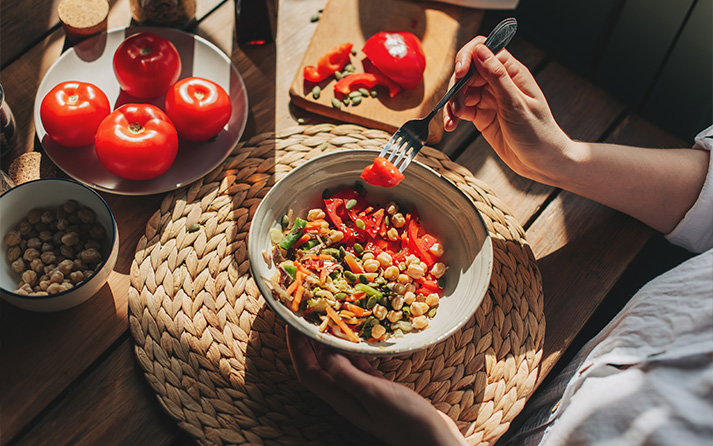
Athletes can use a plant based diet for muscle growth and improved performance. Following are some of the ways the diet can be changed according to sport’s needs:
Tailored for Athletes and Fighters
The athletes and fighters need enough nutrients to power through their training. To boost performance, the major focus should be on energy-dense and nutrient-packed foods. Along with that, the timings and frequency of the meal matters as well. Setting fixed times can help them to recover and boost performance. A pre-workout snack will give sufficient energy to do the training without any fatigue, and a post-workout meal will help to recover faster.
Examples for MMA Fighters
Plant based diet for MMA fighters can show major improvements in performance and strength. Fighters need to have at least 3 major meals with 2 snacks during the day. For example, a pre-workout snack with a banana and peanut butter provides optimal energy that sustains throughout the training. Similarly, a post-workout snack with pea protein smoothie including spinach, banana or pineapple will be great to recover and fuel muscles. The fighter breakfast, lunch, and dinner should also include protein from plant-based sources and whole-grain carbs and a healthy fat.
Strength Training Adaptations
The plant-based diet can be modified easily according to strength training requirements. The protein intake increases in this training, and hence the diet should focus on including more high-protein and calorie-dense foods. Small frequent meals will help to complete the daily caloric requirements of the training. Some of the best plant based protein for muscle gain includes beans and legumes, which are easy to eat and digest.
Related article: 7 Beginner Nutrition Mistakes to Avoid
Is a Plant-Based Diet Healthy?
A well-planned plant based diet can be healthy, deriving major health benefits along with providing all essential nutrients to the body. But since it does not include any animal based protein or food, it can lack certain nutrients such as iron, B12 vitamin or Omega 3.
Protein intake can also be limited on this diet but with planning this can be managed well with plant-based protein options. With a balanced mix of fruits, vegetables, legumes, nuts, and seeds, you can get everything your body requires to thrive.
B12 is an important vitamin that is primarily found in animal sources. It is true that an entirely plant-based diet might be lacking in this vitamin, and supplementation may be required. Following this diet for an extended period of time and not taking a B12 supplement may result in megaloblastic anemia.
Certain plant based foods such as nuts, seeds have a small percentage of iron. These foods contain iron in non-heme form which is difficult to absorb and hence can lead to certain deficiencies. Supplementing with a proper supplement is important especially for women in child-bearing ages.
Since there is no use of animal based foods, the diet can lead to vitamin D or Omega-3 deficiency. While some healthy fats may contain certain proportions, it is better to have vitamin D and Omega 3 supplements regularly.
Tips for Transitioning to a Plant-Based Diet
A plant-based diet can give many health benefits, and shifting to it is quite easy. However, in case you are a meat-lover, you might find it hard to make this switch, as you have to limit the meat intake. With small, consistent, and mindful steps, you can make sure that you are transitioning well to a plant-based diet.
After you’ve done that successfully, go to the following step, which is to make a list of the vegetables you enjoy. Include what you find to be effective in your diet. Start with only one plate of salad if you’ve never eaten one before.
Completing protein intake can be a tricky part in this diet. So, the best strategy is to prepare everything in advance and store it in the refrigerator. For example, you can batch cook chickpeas and beans, and then store it. Make sure that you experiment with different flavors to make your meals interesting.
Related article: 5 Nutrient-Dense Meals to Fuel High-Intensity Training
Conclusion
Plant-based diets are easy, flexible, offering multiple health benefits. It includes proteins from plant sources, vegetables and fruits, whole-grain carbs and healthy fats while eliminating or in some cases limiting animal foods completely. The diet also does not include processed and refined foods, providing a healthier approach.
The whole-food plant-based diet also emphasizes a lot on eating pure foods with optimal nutrients. For athletes and combat sports enthusiasts, plant food options provide sufficient nutrition to support health goals. Plant proteins taken in moderate quantities ensure lean muscle mass development, muscle growth, while reducing the risk of heart and metabolic diseases.
If you are considering making a change in your diet by shifting to plant-based protein, then make sure you try the sample meal plans. The plant based diet plans in 2025 can revolutionize your health by improving your overall fitness.
2025 is the time to embrace changes, boosting health and achieving fitness goals in a sustainable way.