




If you train 5 times a week, or are an athlete, sleeping on time, and for 8 hours at least, is a necessary step to get stronger and healthier. Sleep rejuvenates your body, aids in recovery, and helps in muscle growth and repair.
So, read this important blog where we highlight the connection between sleep and health, importance of sleep in recovery, and the benefits it gives you, so next time you think of skimping on your sleep for the next episode, you know what’s at stake.
Related article: Tips To Sleep Better At Night For Better Health
The Science Behind Sleep and Recovery
The importance of sleep in recovery cannot be underestimated and there is scientific evidence to prove it. Sleep is an essential component of physical and mental recovery, and specifically if you are into strength training, you need a consistent sleeping routine. When you sleep properly, the body regulates hormonal changes, repairs muscles, and improves overall well-being.
Research shows that depriving your body of healthy sleep every night decreases protein synthesis and increases degradation pathways, affecting muscle mass and stopping muscle recovery altogether. Sleeping releases growth hormones that are responsible for tissue growth and muscle regeneration.
Cortisol, also known as stress hormone, significantly decreases if you have a balanced circadian rhythm, consistent sleep and wake-up time. The balanced levels of cortisol in the body help in recovering daily from physical and mental exertion. Whereas less sleep increases the cortisol hormone, which again has a negative effect on the body, as proven by research.
A healthy sleep cycle consists of many stages, such as deep sleep and REM sleep. The deep sleep phase focuses on physical recovery, repairing damaged tissues in the body, and strengthening the immune system. Rapid eye movement (REM) sleep improves cognitive ability, functioning, and emotional balance, eventually helping regulate mood and memory consolidation. The sleep stages work together for physical and mental recovery.
Consistent sleep deprivation can impair your body’s ability to heal and recover. You will feel fatigued and tired, and your immunity will be compromised, too. Poor sleep also affects metabolic functions, leading to obesity and other diseases. Inadequate sleep will also be a reason you are not progressing in your workouts or sports because your protein synthesis is affected.
Related article: More Sleep For More Muscle Mass
Benefits of Good Sleep for Recovery

Sleeping consistently on time provides major benefits to the body. Following is the role of sleep in muscle recovery:
Muscle Repair and Growth
Sleep has an important role to play in muscle repair and growth. Even the slightest change in your sleep quality and duration can alter muscle mass and fat storing processes. According to research, it is recommended to sleep for 8-9 hours daily and improve quality of sleep to preserve muscle mass. Whether you are a fitness enthusiast or an athlete, improving sleep quality is important for growing muscle and preserving it.
Immune System Boost
Sleep and the immune system are connected very closely. Strong immunity heals wounds, treats infections and protects against chronic illness. Consistent sleep routine strengthens immune system, whereas lack of sleep can completely alter it, making you sick often. Sleep affects every organ and cell in the body, and improving sleep quality can protect from a wide range of diseases.
Cognitive Recovery
Shorter sleep durations and poor sleep quality can have a major effect on cognitive function. As per research, the lack of sleep affects memory, decision-making capabilities, alertness and attention, limiting various brain functions and poor cognitive performance. This shows that sleeping for a specific time limit is essential for proper brain functioning as it can boost cognitive abilities.
Mental Health Benefits
For many people, sleep is an escape for a variety of problems, and that’s not because they simply love to sleep, it’s because a healthy and quality routine works on reducing stress, anxiety, and improves overall mood. And again, if you don’t sleep properly, you feel anxious with higher stress levels, and might not be able to focus on any task.
Best Sleep Practices for Faster Recovery
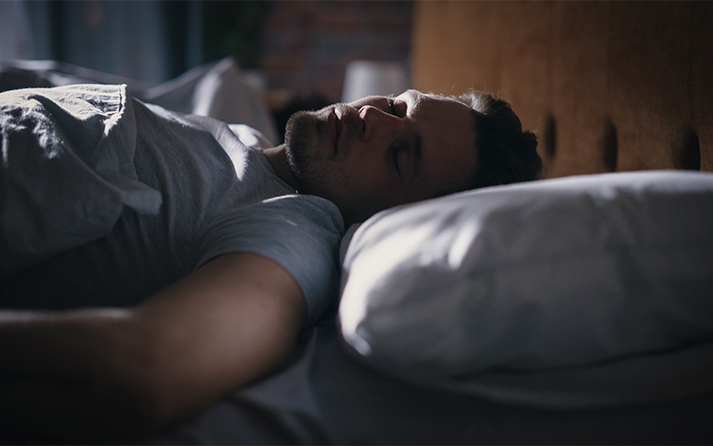
The benefits of good sleep are vast. Yet many people struggle to optimize its quality. Here we have some tips for healthy sleep that will help you to sleep healthily to aid in the recovery process:
Maintain A Consistent Sleep Schedule
We know that it’s easier said than done, but maintaining a consistent sleep schedule is what you need to recover properly. Try to plan your schedule strategically, ending all your daily tasks 2 hours before bed. Go to bed daily at the same time, and wake up at a fixed time, no matter how tempting sleep looks in the morning.
Create a Restful Sleep Environment
Your circadian rhythm regulates the sleep cycle effectively, and to improve it, you need to create a cosy and restful sleeping environment. It is better to turn off the lights, reduce noise, and control temperature before bedtime. This will help in inducing sleep naturally without any external help.
Limit Stimulants Before Bed
If you are a coffee lover, and want to improve your sleep quality, then stop taking caffeine after 4 pm. Caffeine alters your system, and hence you might have trouble sleeping at night. Similarly, reduce your screen time during the day, and completely end it 2 hours before bed.
Incorporate Relaxation Techniques
Deep breathing exercises, meditation during the day, and light stretching before bedtime can help you sleep better. Try to make activity a part of your day, if you are not doing it already to make your sleep cycle healthy.
Use Sleep Aids Wisely
Waking up during the middle of sleep due to any sound is not pleasurable, so the best advice is to use white noise machines. It works great for light sleepers as you will have an undisturbed sleep throughout the night. Melatonin tablets and herbal teas are also a good option when you are trying to make a consistent sleep routine.
Related article: Improve Your Sleep Hygiene-Improve Your Health
How to Improve Sleep for Better Recovery
Sleep is an important part of recovery. Without a healthy sleep cycle, you might not be able to build muscle mass or recover from the day. Following, we have some best sleep practices for faster recovery:
Optimize Your Diet for Sleep
Diet plays an essential role in your overall recovery, health, fitness, and also sleep. Consuming macronutrients in a balanced quantity daily affects sleep stages, as shown by research. Certain vitamins and minerals such as magnesium and tryptophan-rich foods can also help to sleep better, aiding recovery. Have these supplements two to three hours before bed.
Exercise Timing and Sleep
Exercise is an important part of a healthy life, and ideally you should be exercising at a time that works best for you. But when your goal is to adjust your sleep cycle for recovery, then try finding a time during the day that does not disturb your sleep.
For instance, if working out in the evening alters your nervous system and gives you energy, then try shifting your exercise timing a little earlier, as this way you will sleep better.
Hydration Balance
Hydrating regulates body temperature and helps in sleeping better. If you don’t hydrate properly, your sleep-wake cycle is affected. Going to bed without drinking enough water makes it harder to fall asleep. It can cause dry mouth, headaches at night, muscle cramps, and even a groggy feeling after waking up. Drink enough fluids throughout the day, and avoid drinking anything two hours before bedtime to reduce the frequency of bathroom trips.
Related article: Mediterranean Diet and Dash Diet – Two of the Best Mental Health Diets
Common Sleep Mistakes That Hinder Recovery

When you are mindfully working to improve your sleep cycle, make sure you avoid the following mistakes, as they can significantly affect your recovery process:
Inconsistent Sleep Patterns
Inconsistency in any habit can throw off your entire progress. It is important to work on your sleep time daily to ensure your body is recovering properly. An irregular sleep cycle will affect your mood the next day and your recovery process at night. Your body has a natural sleep-wake cycle, so try to follow that every time.
Over-reliance on Sleep Aids
Depending on certain medications and supplements, sleeping properly during the initial days is fine. But as you adjust to the routine, try to skip and eliminate them. Some people unknowingly depend too much on these medications, and it can have a negative effect on the body, like not sleeping without them. You can also consult with a physician to adjust your sleep medication dosage to avoid any side effects.
Excessive Screen Time Before Bed
Screen has a stimulating effect on the body affecting your sleep cycle. It is recommended to turn off every screen at your home to induce natural sleep. Other than that, you can also dim lights at home to promote healthy sleep. Too much exposure to screen affects circadian rhythm, making it difficult to sleep every night.
Poor Sleep Posture and Mattress Issues
If you think your mattress is the reason you are not sleeping properly, then invest on it. Nothing is more important than a quality sleep, so get the bedding of your choice for a healthy sleep. Other than that, poor sleep posture can also be a reason you find it hard to fall asleep. Do strength training or light stretching before bed to improve your posture.
Conclusion: Prioritizing Sleep for Optimal Recovery
Sleeping on time for at least 8 hours a day optimizes your health and well-being. Children, adults, fitness enthusiasts, and athletes have to ensure they fulfil their sleeping requirements to yield maximum benefits. Sleeping in a cozy environment restores your body functions.
Developing a consistent sleep routine optimizes your health. If you want to quickly recover after a workout, then make sure you plan your sleeping schedule and stay consistent to it. Sleep helps in muscle development by initiating protein synthesis, and repairs damage.
A consistent sleeping routine also helps boost your immune system and manage inflammation in the body. Other than that, your focus gets better, your memory improves, and you can have a more productive day. On the contrary, if you don’t have a consistent sleeping routine, your entire day gets messed up, which can also affect your fitness goals.
If you want to improve your athletic performance, lift heavier in the gym, and want a more productive day, then start making small changes in your sleep routine. Get yourself enough sleep for the night so that your body can heal better and you can show your best performance the next day.