



Strength is all about building muscle, but in the process of building it, you break it down every time you work out. These muscles don’t magically regain the energy to crush those intense workouts the next day; you have to feed them so that they have the power to support the exercises. Without feeding it well, they won’t recover well, and sooner than later, you will stop seeing any progress.
That is how big a role nutrition plays. To make sure that you are fueling up right, we have some of the best strategies to help you build unstoppable strength without any complications.
Understanding Strength-Building Nutrition
Nutrition is not food, it is the understanding of the kind of food equipped with the right nutrients that you should intake. This foundational understanding of nutrients will help you get jacked up healthily and efficiently.
Macronutrients: The Power Trio
The base of nutritional understanding is built with the power trio of proteins, carbohydrates, and fats. These work together in full harmony to build strength in a way that doesn’t just last as long as you are going to the gym. This strength will always power you, even when you stop working out.
Proteins, which come from eggs and meat, play a fundamental role in muscle repair and growth. Your plate must include a portion of these in your meals. Then, we have carbohydrates, which you don’t need to be scared of. Forgetting what the fad diets told you, carbs are the main source of energy, which restores glycogen and keeps you active. So, stock up on grains, fruits, and starchy vegetables without hesitation.
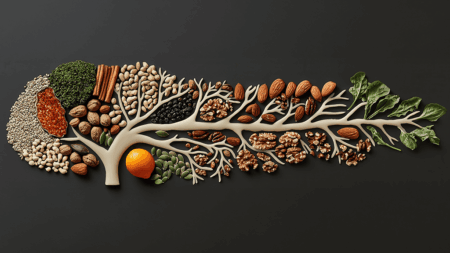
After that, there are healthy fats found in nuts, olive oil, avocados, etc. These support your hormone production and endurance so that your body finds its balance through the best nutrition for strength.
Micronutrients & Hydration
Gaining strength means considering muscle function and recovery, which vitamins and minerals take care of. Calcium and magnesium take responsibility for muscle contractions, iron takes oxygen transport under its radar, and vitamin D contributes in building bone strength.
Working tough means you will be sweating a lot, which can cause cramps if you are not hydrated well. This is why your food intake must consist of electrolytes like sodium and potassium so that you never crash in the gym. Keep a good sports drink with you in the gym, and load up on water-rich foods at home to eat post-gym.
Pre-Workout Nutrition Strategies

Pre-workout nutrition is vital for power, resilience, and endurance, which you need to build strength. Entering the gym without a proper pre-workout meal is like marching on the battlefield without armor.
The Key to Pre-Workout Fueling
Pre-workout meals need extra caution. They should be a healthy balance of protein, carbs, and fats so that you have all the strength and energy to prevent breaking down in the gym.
But, the meal itself gives you the best of its benefits if taken at the right time. Therefore, make sure you are not filling your stomach right before your workout or eating too early which is close to going on an empty stomach.
Best Timing for Pre-Workout Meals
- 2–3 hours before training: Take a full meal with lean protein, complex carbs, and healthy fats.
- 30–60 minutes before training: Pick a lighter snack that is easily digestible.
Best Pre-Workout Foods for Strength Training
- Carbs: Oatmeal, brown rice, bananas, whole wheat toast.
- Protein: Chicken, eggs, Greek yogurt, protein shake.
- Fats: Nuts, seeds, avocadoes.
Post-Workout Nutrition for Strength & Recovery
Dropped the weights and took off your weightlifting belt? You think the workout ends there right? It doesn’t. You workout to see results and what determines how fast your muscles grow is what you eat after your workout.
Post-workout nutrition poses a multitude of benefits that will compel you to pay strict attention to your meals. How many times have you felt lethargic the next day after a workout and fell victim to the cramps keeping you in bed? This happens because your muscles aren’t repaired, and you don’t have enough energy to get up. But post-workout meals solve this problem.
Protein
You need the muscle repairer to start working 30–60 minutes after the workout. Take high-quality 20–30g of proteins after this time.
What to eat?
- Eggs
- Chicken
- Beef
- Fish
- Greek Yogurt
- Tofu
- Lentils
- Protein shake
Carbs
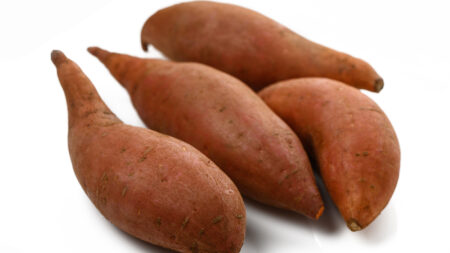
Training means your glycogen is depleted. This should be replenished immediately after exercise or every two hours afterwards. Take at least 50g of high or moderate glycemic carbohydrates.
What to eat?
- Brown rice
- Sweet potato
- Quinoa
- Oats
- Fruits
- Legumes
- Whole wheat bread
Best Post-Workout Meals & Recovery Drinks
- Grilled salmon with quinoa and roasted veggies
- Egg and avocado sandwich on whole grain bread
- Chocolate milk
- Protein shake with banana and almond butter
These foods will give your body all the recovery nutrients so that you can rebuild faster and quicker.
Related Article: What You Should Have As Part Of Post-Workout Nutrition
Daily Nutrition Plan for Strength Maintenance
Well, planning is always at the core of a successful goal. For strength maintenance, you must plan your meals to ensure consistency with the diet. But we understand how it can be a bit of a hassle for some, which is why we are here to help.
Meal Planning for Consistent Strength & Endurance
Your meal plan should have some structure so that your body gets steady energy all around the day. Make sure your meal plan has three balanced meals and two snacks to keep your metabolism and muscles functioning optimally.
Sample Daily Meal Plan for Strength Maintenance
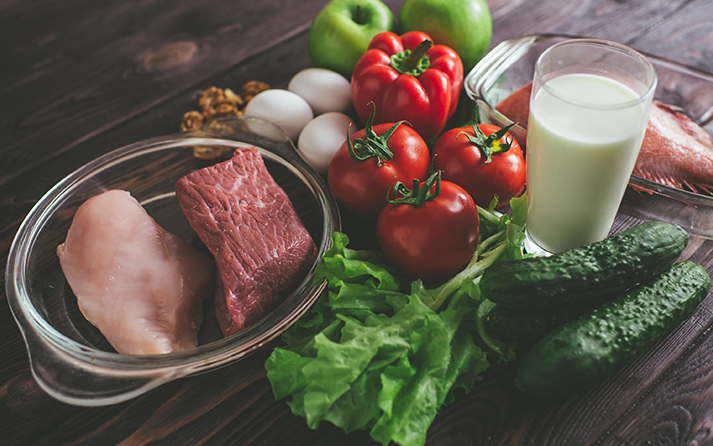
Here is an easy to make strength building nutrition plan for you:
- Breakfast: Eggs, scrambled with whole wheat bread. Put in some avocado and mix with some milk.
- Snack: Almond, berries, and Greek yogurt.
- Lunch: Chicken, grilled with quinoa and veggies.
- Snack: Peanut butter with banana.
- Dinner: Baked salmon with brown rice and steamed broccoli.
Hydration & Electrolyte Balance
Water and electrolytes are a very critical part of your food intake that you can not compromise on. Remember, muscles can not function until and unless properly hydrated. Drink 2–3 liters of water daily and increase this intake when training intensely. Always include electrolytes from sports drinks, coconut water, or leafy greens.
Muscle Recovery Nutrition: Foods & Supplements
If you wish to see progress, do not forget recovery. This is the time when real improvement happens. Recovery doesn’t just happen through rest; nutrition plays a great part, too. Several foods and supplements speed up recovery by repairing muscle fibers, reducing inflammation, and restoring energy.
Best Foods for Faster Muscle Recovery
- Protein: Meats, eggs, Greek yogurt, tofu, and cottage cheese.
- Carbs: Brown rice, quinoa, and oats.
- Fats: Seeds, nuts, avocados, and fatty fish.
Anti-Inflammatory Foods & Antioxidants
Vigorous workouts and inflammation go hand in hand; one doesn’t come without the other. This can be combatted with anti-inflammatory foods like ginger tea or turmeric. Add on some foods that are anti-oxidant like cherries and you will experience swifter recovery.
Recommended Supplements for Strength Maintenance

- Whey Protein: It works extraordinarily for muscle growth and recovery.
- Creatine: It is renowned for building endurance and strength and keeps the muscles hydrated.
- BCAAs: These prevent muscle breakdown and speed up recovery time.
Common Nutrition Mistakes That Weaken Strength
You might be extremely conscientious about your nutritional efforts, but you might be making some mistakes deliberately. These are common and can sabotage your progress drastically. Here is what to avoid:
Skipping Meals or Not Eating Enough
You might think skipping one meal is no big deal, but it is the beginning of a habit. If you do not want to create an impediment to muscle growth, never skip meals. Not eating enough food means not taking the required calories which will weaken your performance. So make sure you always eat properly.
Over-relying on Supplements Instead of Whole Foods
Supplements are fantastic, but they are not an alternative to food, and neither should they be treated so. Real food gives you a myriad of essential nutrients that supplements don’t offer. So, real food is what you need, and supplements should only be used to fill in gaps when needed.
Not Staying Hydrated or Neglecting Micronutrients
Never miss out on water intake. Drinking sufficient water and taking proper micronutrients are both significant steps towards recovery and good muscle health.
Related Article: 7 Beginner Nutrition Mistakes to Avoid
Conclusion
Strength is not just built in the gym; it comes from your kitchen as well. By getting the proper nutrition you can accelerate your workout routine and attain your goals much more efficiently. By understanding nutrition and getting nutritious pre- and post-workout meals, you can avoid the pitfalls that hold you back and be on your road to lasting strength.