



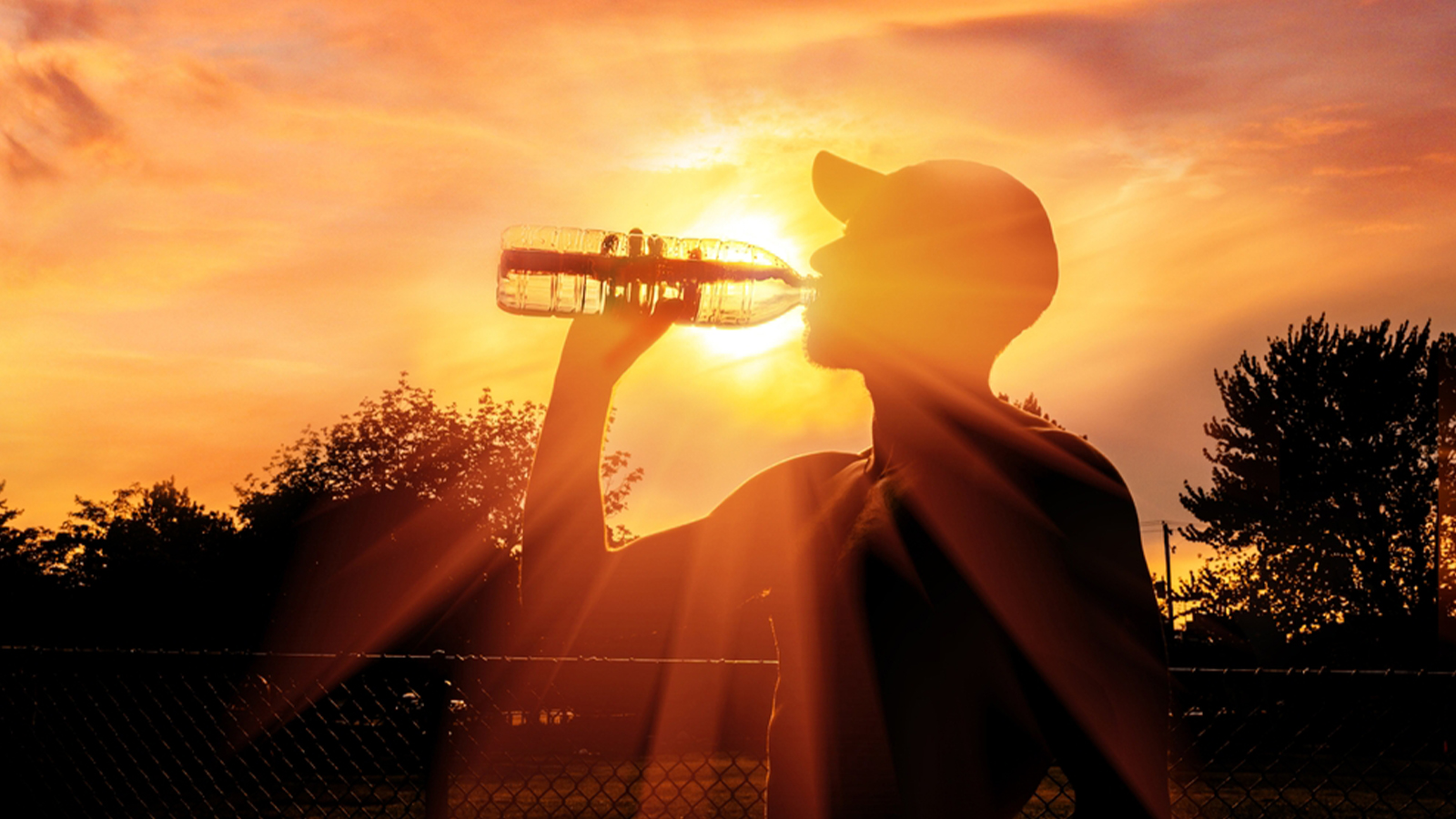
Dehydration is a well-known dilemma but overhydration is also an equally important issue. Both of these, when ignored, can cause a major drop in your health and performance. To prevent this, it is important to know their causes and ways to hydrate well.
In this blog, we will find out how to be persistent with your hydration to amp up your athletic performance.
Understand Your Hydration Needs
Our hydration needs are never the same as others. They vary from time to time, age to age, and weight to weight. The place you live in and how much you exercise have all a role to play in determining your hydration needs.
Younger athletes need less water as compared to older ones, whereas heavier individuals require more water to stay hydrated. Generally, the water intake per day should be approximately two to four liters, but it can alter according to the training level and the surrounding environment.
The most fundamental factor in this determination is the sweat rate. Athletes who tend to sweat more will inadvertently need more water. In a nutshell, the more water you lose, the more intake you need.
The question of how much water should I drink is completely contingent upon your own needs.
Related Article: The Key Importance of Proper Hydration for Your Well-being
Pre-Exercise Hydration Tips
You must be drinking some water during your workout, but are you drinking water before working out? Most probably not. Beginning with your training without drinking proper water can lead to cramps, exhaustion, and dizziness, taking you a step back in your performance. This is why proper hydration tips for exercise are necessary to prep your body.
Your preparation should begin two to three hours prior to your workout by drinking 500-600 ml of water. And 200-300 ml more just thirty minutes before you head to the gym. This strategy will ensure that your muscles function well and your body temperature stays normal.
However, you mustn’t rely on water alone. Foods like watermelon, cucumbers, and oranges are water saturated foods which offer immense help to keep your body hydrated and give your hydration plan a bit of variety. After all, water can get boring. But other than this, these foods deliver your body with an abundance of electrolytes which is a major craving for muscle recovery.
With the help of these hydration tips for optimal performance, you prime your body to upgrade the performance.
Hydration During Exercise
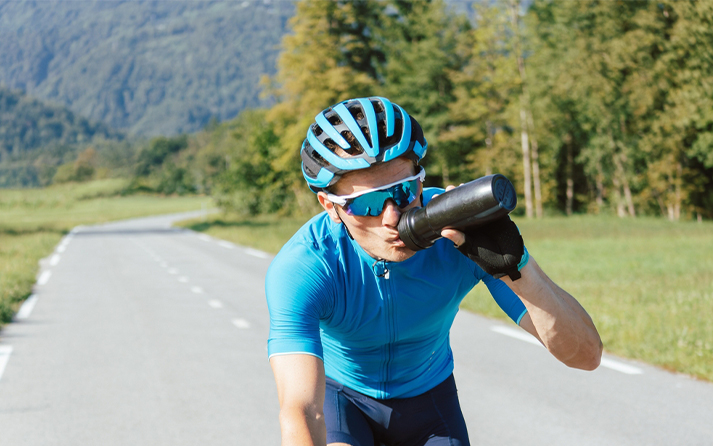
To witness great performance results, you must fully realize the importance of hydration during exercise. With proper water intake, your body will perform without struggling, which means you can feel every lift and rep much stronger. Plus, you will experience an extraordinary balance of strength, endurance, and focus in your workouts.
Staying hydrated is about drinking water even when your body doesn’t demand it, when you are not thirsty. During your workouts, make sure to take out time every 20 minutes and chug 200 ml to 300ml of water. However, if your workouts involve intensity or are focused on endurance, just H₂O isn’t the solution.
Generally, water alone would suffice for workouts that last under an hour, but if you wish to train longer than that, you will need more. This is where electrolytes come for help. Sweat depletes sodium, potassium, and magnesium which leads you to feeling dizzy, weak, and struggling with unforeseen cramps. Sports drinks or electrolyte tablets can up their levels, keeping you high on energy. If you want a more organic way to do this, try coconut water. It restores all the minerals in a way that is comparable to sports drinks.
These account for non-negotiable hydration tips for workouts that keep you sustaining your energy levels and avoid performance dips. Mastering the hydration strategy amid workouts will take your performance up another level.
Post-Exercise Rehydration

Do not put your water bottle away because you are back from the gym. Post-workout hydration holds equal importance as drinking prior or during your workout. Now is the time your muscles need it the most since they need to repair and recover. You have lost all the body’s electrolytes to sweat, which is why you must replenish their levels to keep the muscles in good shape.
For this, keep drinking plenty of water during the first two hours after the workout. If keeping that in check is a matter of confusion for you, check your urine color. A dark yellow color indicates dehydration, and a pale yellow color signals adequate intake.
But again, water is not enough for optimal recovery. Fueling the body with electrolytes to restore the sodium, potassium, and magnesium levels is imperative. To enhance the recovery process, throw in a protein-rich food along with the fluids. The benefits of rehydration extend far beyond this. It aids digestion and mitigates the risk of overheating, heat stroke, and heat exhaustion.
Hydration Safety Tips
Water is critical but that doesn’t necessarily mean you have to overdose on it. As the saying goes “excess of everything is bad”, excessive water intake without electrolytes can cause hyponatremia. This means that your sodium levels drop too low, causing nausea, confusion and other severe complications. You need to find a spot that balances hydration without overloading your system
You must be able to recognize the signs of dehydration before it gets worse enough to impact your performance. Some common signs are:
- Dry mouth
- Dizziness
- Extreme thirst
- Dark yellow urine
On the other hand, common symptoms of overhydration are:
- Bloating
- Nausea
- Headache
- Clear urine
When it comes to hydration safety tips, we have to calibrate the intensity levels, sweat rate, and the climate. Rather than chugging water in one go ineffectively, focus on drinking water throughout the way with small intervals. Your hydration must be adjusted according to the current activity and intensity levels.
Related Article: Tips for Athletes to Prevent Dehydration
Additional Tips for Special Conditions
Hydration may seem like a simple fundamental, but it does not have a universal approach. You have to plan your hydration strategy according to your workout plan and environment.
Here are some additional hydration tips and recommendations for you:
Extreme Weather Conditions
People living in hot climates will experience way too much sweating and will go through a higher amount of electrolyte loss. They should focus on consistent water drinking and incorporate more electrolyte-rich drinks. Conversely, people in cold weather will find dehydration a common issue. The cold air ignores thirst signals, therefore, athletes should include more warm fluids, herbal teas, and electrolyte-infused water in their intake.
Endurance Sports
The kind of sports you engage in also plays a vital role. For endurance-focused sports, you need to find a middle ground between dehydration and overhydration. This can be done by drinking water in small quantities at regular intervals. If your sessions span more than an hour, try alternating between water and electrolyte drinks. Remember, pre-hydration and post-hydration play a massive role in recovery so do not miss out on that.
Traveling Athletes
If you are always on flights or long journeys, dehydration is likely to hit you. This can especially happen due to dry cabin air or inconsistent routines. To stay hydrated in these circumstances, avoid caffeine and alcohol. Another tip is to carry a refillable bottle with you at all times so that you never forget sipping on water.
Conclusion
An athlete should be aware of his hydration needs to achieve success. For this, it is important to drink an adequate amount of water before, during and after your workout. This diligent strategy keeps the exposure of dehydration and overhydration at a bare minimum. Other than this, it is important to take electrolytes so that you can keep training safely. By following these hydration tips for exercise, you can watch your performance improve drastically!