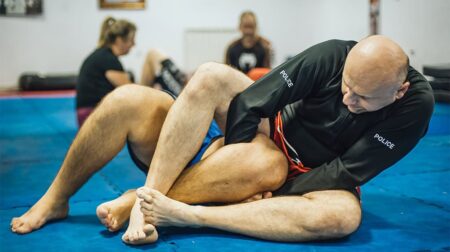





Yoga is not merely relaxation or flexibility. It’s among the most effective means of enhancing strength, balance, and mental acuity. Therefore, more significantly, it facilitates recovery and better training. Imagine it as the magic weapon to optimize your performance and minimize injuries.
Yoga does everything from enhancing your range of motion to relaxing sore muscles and calming your mind before a game. The good news? You don’t have to be a pro yogi to begin. These yoga poses for athletes are beginner-friendly and super effective.
Let`s take a tour of seven must-do yoga stretches for athletes. Regardless of sport and skill level, these will make your body feel looser, stronger, and prepared for anything.
Why Yoga for Athletes is a Game-Changer?
Let’s analyze. Why is yoga good for athletes? It strikes all the right chords—physical and mental.
Enhanced Mobility and Flexibility
Most sporting activities involve repeating the same actions. With time, this builds up to hardened muscles and a restrictive range. However, Yoga stretches and elongates your muscles. This improves flexibility and promotes healthy joints. It also facilitates you to move more easily and effectively.
Injury Prevention and Recovery
Tight muscles are a recipe for injury. Yoga stretches for athletes release tension, circulate blood, and reduce the time it takes for muscles to recover. Incorporating yoga into your routine decreases soreness after exercise and allows you to recover quicker.
Mental Concentration and Breathing
Yoga instructs you to breathe consciously. This quiets the mind and lessens stress, which is ideal for maintaining concentration during intense situations. Control of the breath also increases stamina.
Core Strength and Stability
A strong core translates to improved balance, posture, and control, essential for all sports. Numerous yoga poses engage your core without you realizing it.
Bottom line? Yoga is the game-changer if you wish to train smarter, not harder.Related Article: The Ultimate Guide to Yoga for Flexibility and Full-Body Strength
Pose 1: Downward-Facing Dog

Let’s begin with a favorite. Downward-Facing Dog is a staple yoga routine for athletes.
Benefits: This pose stretches your hamstrings, calves, and spine. It also strengthens your arms, shoulders, and back. Total body love!
How It Benefits Athletes: Whether lifting or running, you require flexible legs and a strong back. This pose stretches the entire posterior chain, improving mobility to run, jump, cycle—name it.
How to Perform It:
- Get on all fours—knees under hips, hands under shoulders.
- Spread out your fingers wide and press on your palms.
- Tuck your toes and lift your hips up and back.
- Your body should have an upside-down V shape.
- Keep your knees slightly bent if you have tight hamstrings.
- Relax your head and breathe.
Modification Hints: Tight hamstrings? No problem. Bend your knees as much as you like. To make it more comfortable, you can also put your hands on yoga blocks.
Attempt holding it for 5–10 breaths. You’ll feel the difference right away!
Pose 2: Pigeon Pose

Next is the granddaddy of hip-openers—Pigeon Pose.
Benefits: It opens the hips, stretches the glutes, and relieves tension in the lower back. Whether you sit most days or run frequently, this one’s for you.
How It Benefits Athletes: Repeated movements such as running or cycling tighten your hips. Pigeon Pose works on those difficult-to-reach spots. Such as the hip flexors, glutes, and thighs. It’s also wonderful for lower back issues.
How to Do It:
- Begin in a plank position.
- Bring your right knee forward toward your right wrist.
- Put your right ankle close to your left wrist.
- Straighten your left leg behind you.
- Keep your hips square and fold forward slowly.
- Hold for 5–10 breaths, then repeat on the other side.
Modification Tips: Position a yoga block or cushion beneath your right hip for support if your hips are tight. Don’t push the stretch—ease into it.
This one’s a bit intense, but so worth it!
Pose 3: Warrior II

Feeling strong yet? Warrior II ignites it.
Benefits: This pose strengthens your core, hips, and legs. It also enhances your balance and endurance.
How It Helps Athletes: Every athlete requires a strong lower body and endurance. Warrior II develops leg strength while testing your stability. It also instructs you to remain grounded and present.
How to Do It:
- Stand with your feet wide apart.
- Turn your right foot outward 90 degrees, left foot slightly in.
- Bend your right knee over your ankle.
- Extend your arms out to the sides, parallel to the ground.
- Look over your right hand.
- Engage your core and relax your shoulders.
Modification Tips: Yoga newbie? Shorten your position or don’t bend your front knee as low. Ready to take it up a notch? Hold the pose longer or lower yourself down.
Feel the warrior power growing in your core and legs. Strong, huh?
Pose 4: Child’s Pose

After all the strength training, it’s time to relax. Child’s Pose is a favorite recovery yoga for athletes.
Benefits: Gently stretches back, hips, and arms. Calms the mind and relieves tension, too.
How It Helps Athletes: Great for cooling down post-workout. Releases tension in lower back and hips and lets you breathe deeply and relax.
How to Do It:
- Begin on your knees.
- Bring your big toes to touch and knees wide apart.
- Sit your hips back onto your heels.
- Reach your arms out in front of you and place your forehead on the mat.
- Breathe slowly.

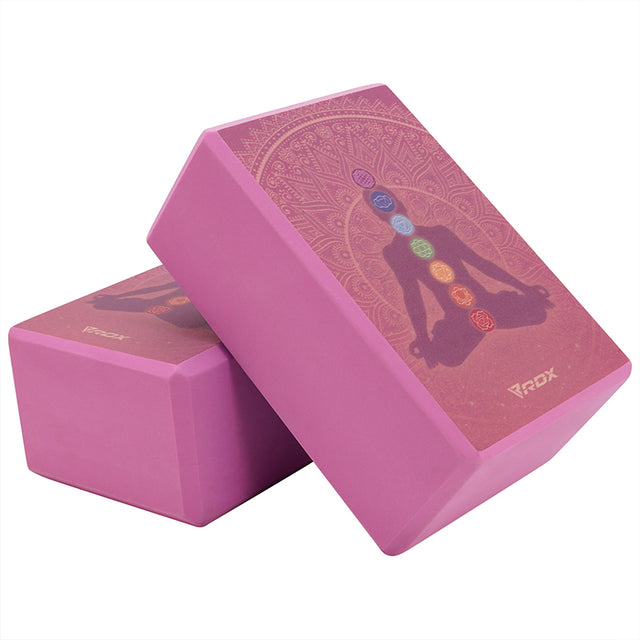
Modification Tips: If your hips don’t reach your heels, put a cushion or blanket under them. For extra comfort, place your chest on a bolster.
This pose is a hug for your entire body. Remain here for as long as you like.
Pose 5: Bridge Pose

Bridge pose is among the best core yoga positions any athlete has to do. It enhances your abs, hamstrings, and glutes, the areas that matter most.
Benefits: This position builds core, hamstring, glutes, and lower back muscle strength. Activating the thyroid and lungs encourages better breathing and energy balance.
How it supports Athletes: The bridge position is especially beneficial for individuals who spend a lot of time sitting or do high-intensity lower-body workouts. Enhanced hip mobility and core stability this stance provides might help runners, cyclists, and weightlifters. It fixes stiff hip flexors from running or sitting and wakes up dormant muscles, including the glutes.
How to Do It:
- Lie on your back hip-width apart with bent knees and flat feet on the ground.
- With your palms facing downward, hold your arms at your sides.
- Press strongly into your feet as you lift your hips to the ceiling.
- Roll your shoulders under and lace your fingers under your back.
- Engage the core and glutes, keeping the thighs parallel.
- Hold for 5–10 breaths, taking deep breaths.
Modification Tips: More help needed? Put a yoga block under your sacrum for a restorative variant. Level it up? Attempt to lift one leg towards the ceiling with your hips still.
Bridge Pose is a core backbend that both strengthens and rejuvenates. An ideal balance for sport recovery and strength training.
Pose 6: Forward Fold

One of the best stretches for athletes, the Forward Fold is wonderful for releasing the spine and elongating tight hamstrings.
Benefits: This classic pose provides a deep stretch for your hamstrings, calves, and lower back. It also decompresses the spine, relieves tension in the neck and shoulders, and encourages blood flow to the brain, promoting calmness and clarity. Regular practice can also aid digestion and reduce fatigue.
Related Article: Yoga Poses To Avoid Post-Workout Fatigue
How It Helps Athletes: Whatever your sport, whether you run, lift, or bike, your posterior chain (the back of your body) tends to get tight. Forward Fold releases tight hamstrings and calves and gently opens the lower back. It’s perfect for recovery days, cool-downs, or any time you must ground and release physical tension.
How to Do It:
- Stand tall with your feet hip-width apart and your arms at your sides.
- Inhale, sweep arms up over your head.
- Exhale, hinge from the hips, and fold forward, allowing your upper body to dangle.
- Relax your head, neck, and shoulders.
- Allow your fingertips to rest on the ground or support your elbows.
- Breathe deeply and hold for 5–10 slow breaths.
Modification Tips: If your hamstrings are tight, bend your knees well or put your hands on blocks. The intention is to relax and lengthen, not to strain.
Forward Fold is not just a stretch—it’s an opportunity to reconnect with your breath, release tension, and feel grounded from head to toe.
Pose 7: Cat-Cow Stretch

Let’s finish with a little spinal affection. Cat-Cow Stretch is an easy but effective way to take care of your back.
Benefits: This smooth transition between two poses gets the whole spine moving. It stretches the back, neck, and torso, enhancing coordination and breathing. It also stimulates the abdominal organs and encourages emotional balance.
How It Benefits Athletes: Following any type of physical exercise—or even a day stuck at your computer—your spine could use mobility exercises. Cat-Cow Stretch restores posture alignment, expands spinal flexibility, and loosens tension in the upper back and neck. It’s a great warm-up or cool-down for any athlete.
How to Do It:
- Begin in a tabletop position—knees under hips, hands under shoulders.
- As you breathe in, drop your belly, lift your chest and tailbone, and look up (Cow Pose).
- As you breathe out, round your spine, tuck your pelvis, and tuck your chin into your chest (Cat Pose).
- Move with your breath, slowly switching between 6–10 cycles.
Modification Tips: If your wrists require cushioning, put a folded towel or blanket under them. You can also perform a seated version if kneeling is not comfortable.
Cat-Cow is kind, easy, and efficient. It gets your spine moving easily once more and opens up space in your back and chest, and makes it an ideal way to begin or conclude any exercise routine.
Conclusion
And there you have it—best yoga for athletes starter pack! These seven yoga poses for athletes are all about making you move better, feel stronger, and recover faster.
Give a few of them a try in your weekly stretch routine for athletes to enhance flexibility and improve recovery. Even 10 minutes post-workout can make a huge difference. Keep in mind, athlete yoga isn’t about being perfect. It’s about showing up and loving your body.
So go ahead and lay out your mat, inhale deeply, and have your body thank you afterwards. Your performance, recovery, and mental state will thank you as well.
Here’s to stretching, sweating, and getting stronger—on and off the field!